Co-Housing Spaces: Renovating for Shared Living
In a country famed for its community spirit and progressive social models, a quiet revolution is reshaping the Dutch residential landscape: co-housing. This is far more than just flatmates sharing a kitchen. It’s a deliberate architectural and social choice, where private homes are woven into a fabric of shared spaces, fostering connection, sustainability, and a smarter use of resources. As we look toward 2026, this trend is moving from niche experiment to a compelling blueprint for modern Dutch living. But how do you physically transform a conventional house into a thriving co-housing hub? The journey involves more than knocking down walls; it’s a careful dance of design, regulation, and collective vision.
Basic Concepts: The Language of Shared Living
Before the first sketch is drawn, it’s crucial to understand the key terms driving this movement. These concepts are the foundation of any successful co-housing project in the Netherlands.
- Co-Housing (Centraal Wonen): A residential community intentionally designed to balance private living quarters with extensive common facilities, often including a large shared kitchen, dining area, laundry, workshop, garden, and guest rooms. The focus is on collaborative living while respecting individual autonomy.
- Bouwvergunning (Building Permit): The official approval from your local municipality (gemeente) required for most structural changes. For co-housing, this is a critical step, especially if you’re creating new entrances, adding extensions for common areas, or significantly altering the building’s footprint or use.
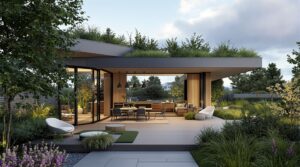
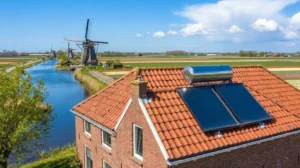
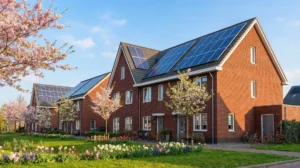
- Gezamenlijk Dakenplan (Joint Roof Plan): Often a part of co-housing renovations, this refers to the collective decision and investment in roof upgrades, such as installing solar panels (often a larger, shared array), green roofs, or improved insulation across multiple connected dwellings.
- Gedeelde Voorzieningen (Shared Facilities): The heart of the co-housing model. These are the spaces and amenities designed for collective use, which your renovation will be specifically planned around.
The 2026 Vision: Why Co-Housing is the Ultimate Dutch Home Upgrade
What’s propelling this shift toward shared living spaces? The reasons are both practical and profoundly social, aligning perfectly with broader Dutch values.
First, it’s a powerful answer to urban density and housing scarcity. By creatively renovating existing structures to house multiple households with shared amenities, we use space more efficiently. Imagine replacing a single-family home’s oversized garage and separate back gardens with a compact private dwelling and a generous, communal courtyard garden for all residents. The footprint is similar, but the capacity for community and connection multiplies.
Second, sustainability is engineered into the model. A shared laundry room means fewer individual machines. A large, communal kitchen reduces duplicate appliances. Bulk buying for the group cuts packaging waste. From a renovation standpoint, this allows for investing in a single, high-efficiency boiler system for the entire block or a substantial, cost-effective solar array on a shared roof—upgrades that might be prohibitive for a single household.
Finally, it directly addresses the growing need for social connection in our increasingly digital lives. The design actively combats loneliness by creating natural, daily opportunities for interaction, from casual chats in the bike shed to shared meals in the common house.
Renovating for Connection: Key Areas to Transform
So, you have the vision. Now, how do you translate it into bricks, mortar, and floor plans? A successful co-housing renovation focuses on three spatial relationships.
1. The Common House: The Beating Heart
This is the non-negotiable centrepiece. Whether it’s a renovated barn on the property, a ground-floor extension, or a converted adjacent building, this space must be designed for gathering.
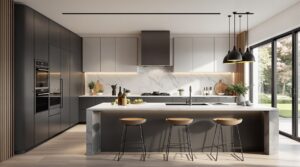
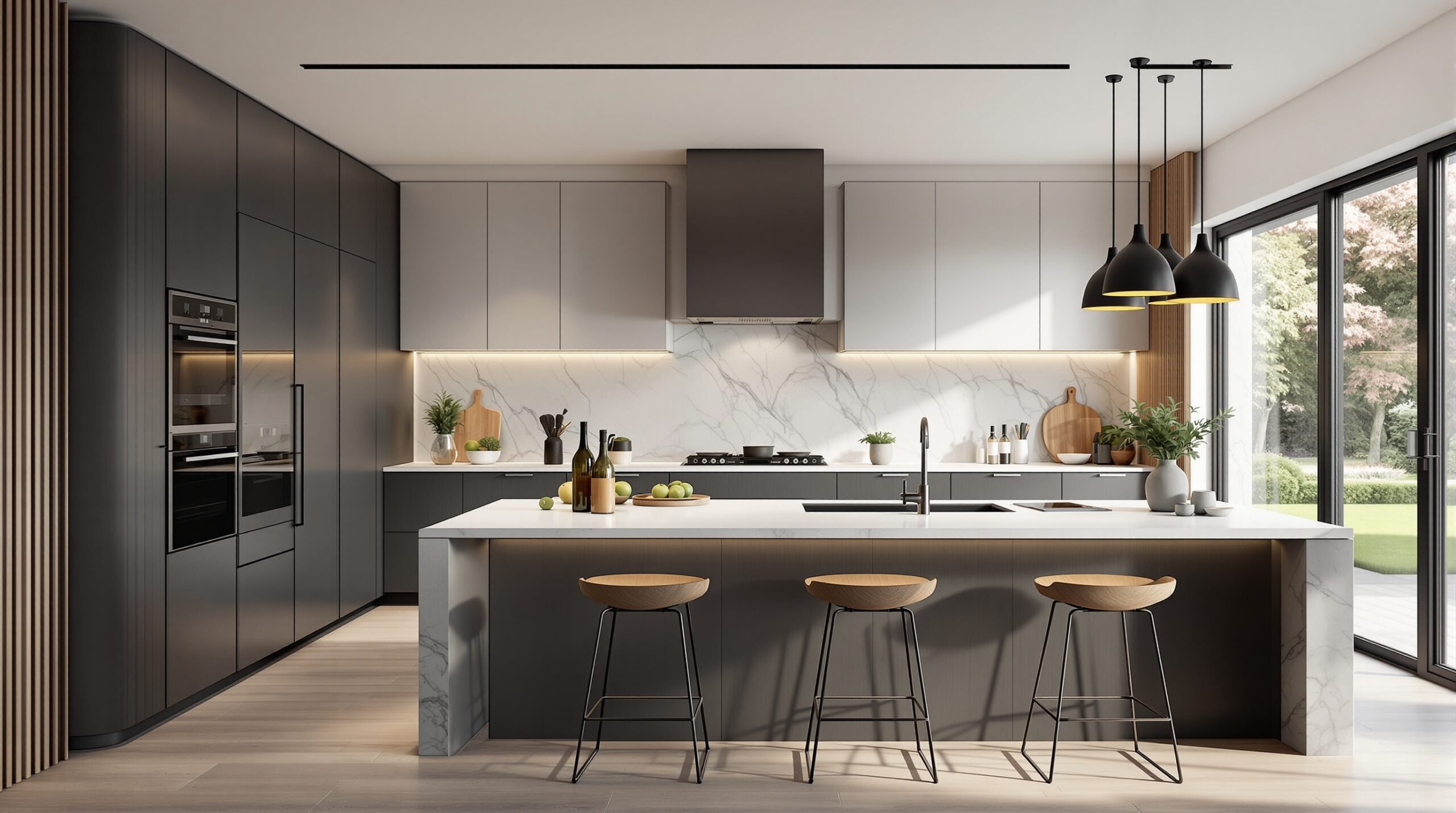
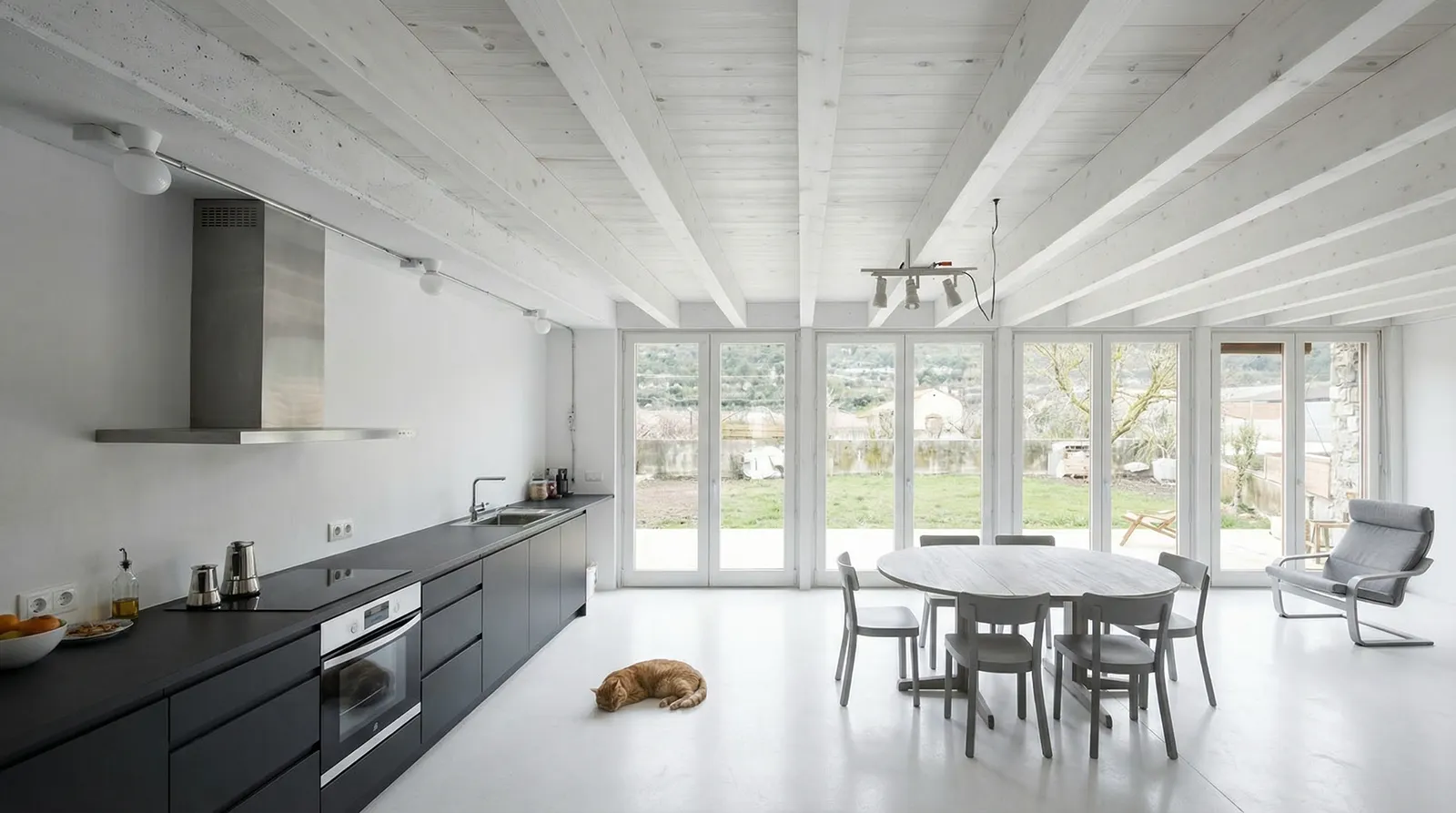
- The Kitchen & Dining Arena: Think commercial-grade, not domestic. It needs durable surfaces, large-capacity refrigeration, and multiple cooking stations to handle group meals. The dining area should be flexible, with movable tables for both large feasts and small coffee groups.
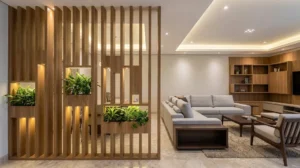
- Multi-Functional Zones: Incorporate movable walls or partitions to create spaces that can be a playroom by day, a yoga studio in the evening, and a meeting room for community decisions on weekends.
- Practical Hubs: Dedicated, organised spaces for shared tools, a laundry room with industrial machines, and secure mail/package sorting are essential to smooth daily life.
2. The Private Dwelling: A Secure Sanctuary
The success of shared living hinges on the quality of private space. Apartments or living units must feel truly autonomous and restful.
Acoustic insulation becomes paramount. Superior soundproofing in walls and floors isn’t a luxury; it’s a necessity for community harmony. Each unit should have its own compact but fully functional kitchenette (even with a common house kitchen) and bathroom, offering complete privacy when desired. Clever, space-saving design—built-in storage, fold-down desks, multi-purpose furniture—allows these private units to feel spacious and self-contained.
3. The Transitional & Outdoor Spaces: The Glue
This is where magic happens. Design must encourage serendipitous meetings.
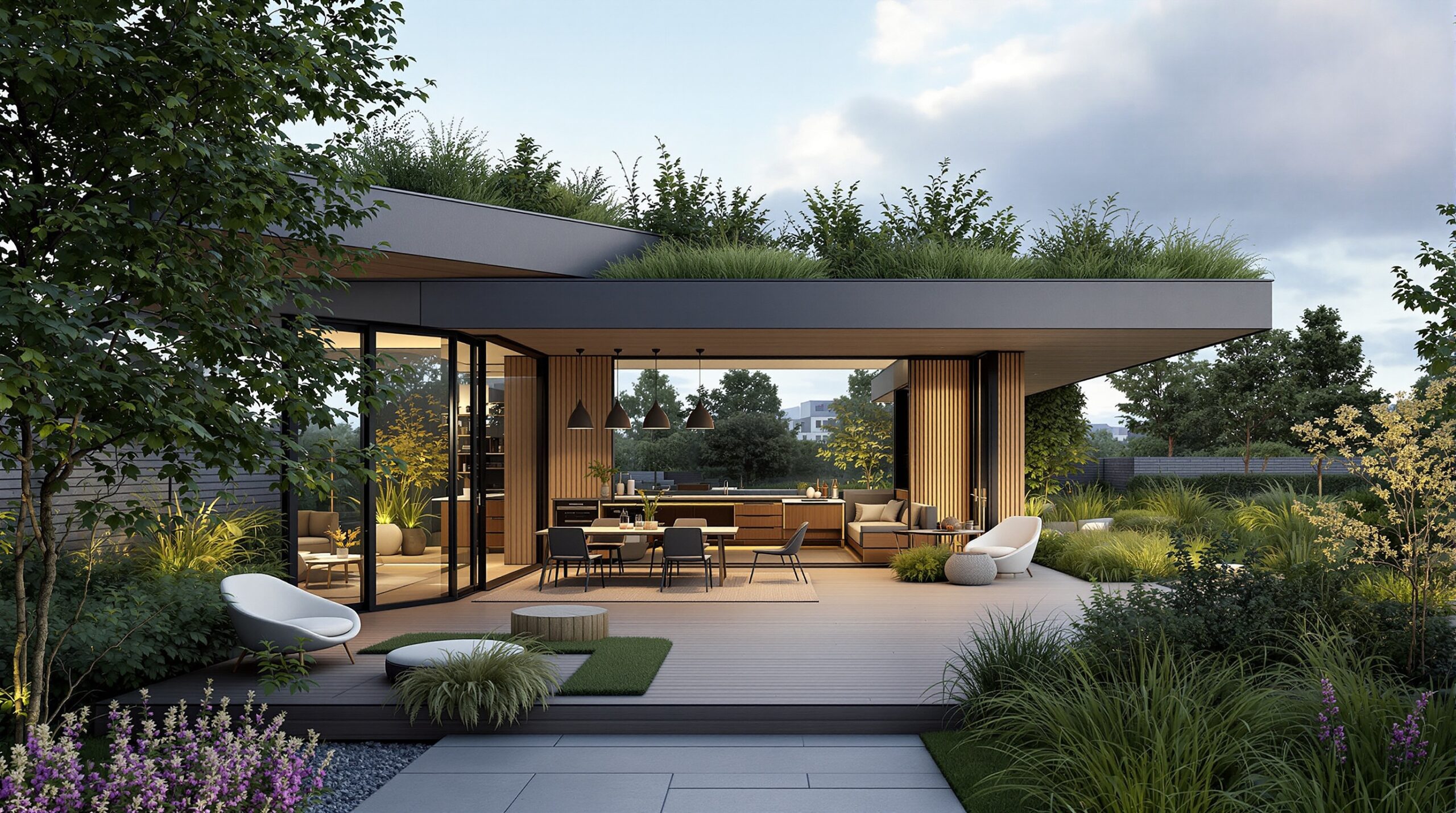
Wide, welcoming entrances and corridors with benches or shelves for plants become social spots, not just passageways. The outdoor space should be a layered landscape: a collective vegetable garden for those who love to grow, a shared bike shed with repair stations, a quiet nook for reading, and a larger open area for barbecues or celebrations. Pathways should meander, inviting wandering and conversation.
Navigating the Rules: Your Bouwvergunning and Beyond
Transforming a property’s use and structure brings you squarely into the realm of Dutch building regulations. This is not a DIY process.
Your project will almost certainly require a detailed bouwvergunning. Municipalities will scrutinise plans for changes to load-bearing walls, new extensions for common areas, fire safety for multiple households, parking provisions, and the impact on neighbours. Crucially, you must demonstrate that the renovation aligns with the local zoning plan (bestemmingsplan). Converting a single-family home into multiple dwellings with shared facilities is a significant change of use that requires careful justification and professional architectural plans.
Engaging a qualified architect and a bouwadviseur (construction consultant) familiar with co-housing projects is essential. They can pre-empt regulatory hurdles, ensure your design meets all safety and environmental codes, and manage the permit application process—a complex task that is critical to your project’s legality and success.
Practical Tips for Your Co-Housing Renovation Journey
- Formalise the Group First: Before speaking to an architect, establish a clear legal entity for the group (like a Cooperative or Association). Create written agreements covering finances, decision-making, conflict resolution, and exit strategies.
- Hire Professionals with Niche Experience: Seek out an architect and builder who have completed co-housing or multi-unit projects. Their understanding of the social and spatial dynamics is as important as their technical skill.
- Budget for the “Soft” Costs: Beyond construction, allocate funds for professional project management, legal fees for group agreements, and potentially, a facilitator to help the group align on its vision and needs.
- Prioritise Sustainable Systems from Day One: Design for shared energy (solar), water (rainwater harvesting for the garden), and heat (a central heat pump system). The economies of scale make high-end sustainable technology more affordable per household.
- Future-Proof Your Design: Consider how the community might change. Can common spaces be adapted? Could a ground-floor unit be wheelchair accessible? Flexible, adaptable design protects your investment for decades.
Building More Than a House
The trend toward co-housing represents one of the most thoughtful and comprehensive home improvement journeys in the Netherlands. It goes beyond aesthetic upgrades or adding square meters. It’s about renovating for a richer quality of life, embedding efficiency and sustainability into the very bones of a building, and crafting a physical environment that nourishes community. While the path requires meticulous planning, professional guidance, and a strong collective commitment, the result is a truly modern Dutch living space—a home that is not just a private refuge, but an active part of a supportive, connected neighbourhood. As we look to the future of how we live, these shared spaces offer a powerful and profoundly human blueprint.