Community-Led Renovations: Neighborhood-Driven Design
Imagine a garden wall you painted, but in a colour your next-door neighbour helped choose. Picture a shared rain barrel system, installed block-wide, that waters both your roses and cuts everyone’s water bill. Envision a street where the extension on one house doesn’t cast a shadow over another’s solar panels, but instead, both roofs work in harmony. This isn’t a utopian fantasy; it’s the emerging, powerful trend of community-led renovation taking root across the Netherlands. In a country famed for its pragmatic cooperation and dense living, Dutch homeowners are discovering that the most innovative modern renovation ideas often start with a conversation over the garden fence.
But why now? As pressures from energy transition, material costs, and spatial planning intensify, the classic “my home is my castle” mindset is evolving into a “our street is our shared responsibility” approach. This movement goes far beyond simply choosing the same facade brick. It’s about pooling resources, aligning designs for mutual benefit, and navigating the complex web of Dutch building regulations together. Could your next major home renovation in the Netherlands be a team effort? Let’s explore how neighbourhood-driven design is reshaping how Dutch homes are transformed.
Essential Dutch Concepts for Collaborative Building
Before neighbours can draw up shared plans, they need to speak the same language—specifically, the specific language of Dutch property law and planning. Understanding these terms is the bedrock of any successful collective project.
- Bouwvergunning (Building Permit): The official permission from your municipality required for most structural changes. For community projects, applying jointly or in close coordination can streamline the process and ensure all designs are compliant from the start.
- Erfpacht (Ground Lease): A common system, especially in cities like Amsterdam, where you own the building but lease the land from the municipality. Any renovation, particularly extensions or excavations, may have implications for your erfpacht contract, and your neighbours likely face similar stipulations.
- Welstand (Aesthetic Guidelines): Local rules governing the external appearance of buildings to preserve the character of an area. A coordinated renovation effort can sometimes engage with the welstandscommissie (aesthetics committee) more effectively to propose harmonious, modern updates for an entire street.
- Overlegplicht (Consultation Duty): While not always a formal legal requirement for every project, the strong social norm—and often a clause in neighbourhood covenants—to consult with adjacent residents about plans that might affect them, like view, light, or privacy.
The Rise of the Collective Vision
What does community-led renovation actually look like on the ground? It’s not a one-size-fits-all model but a spectrum of collaboration, driven by shared challenges and goals.
Energy Transition as a Unifying Force
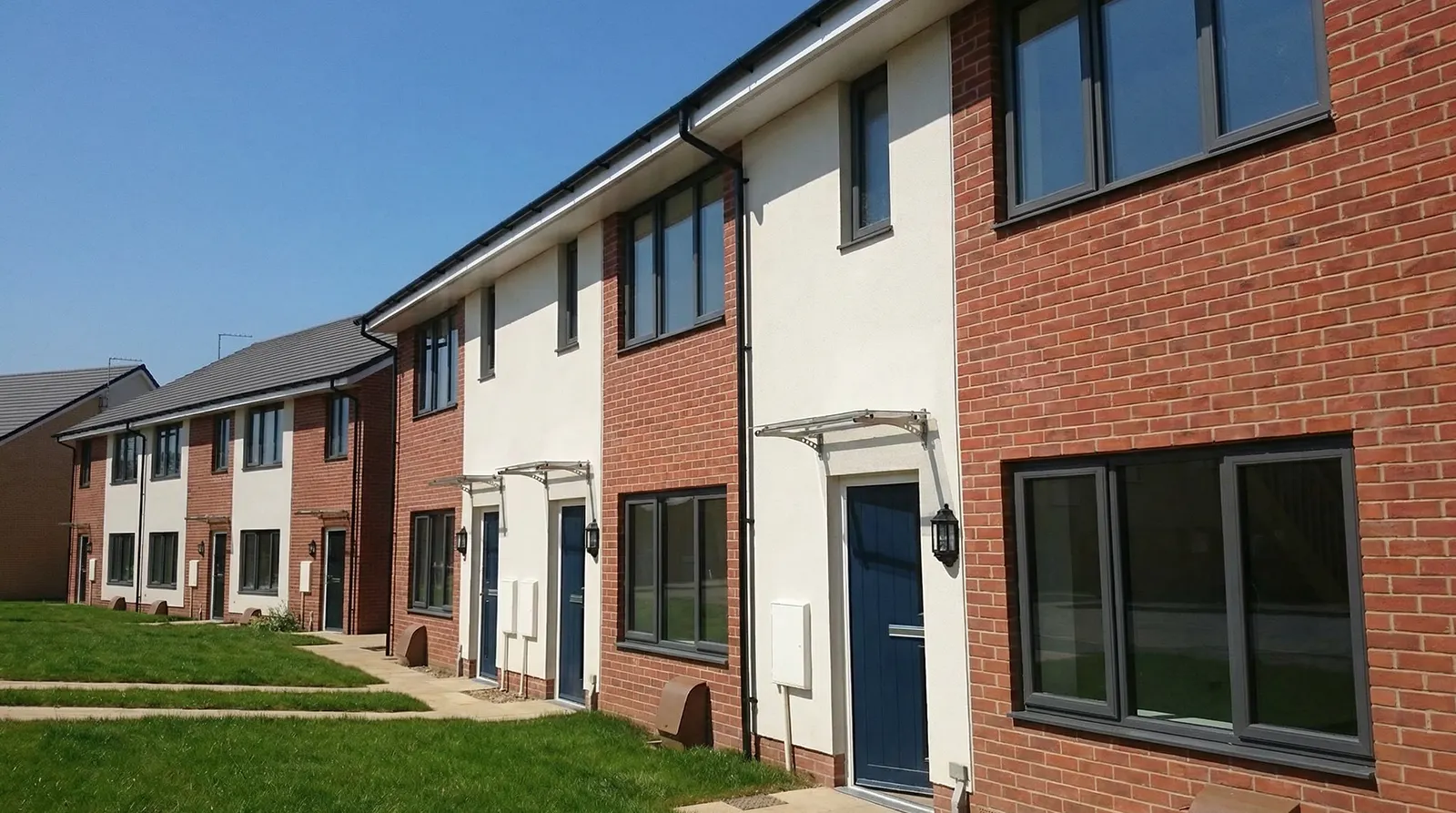
The Dutch government’s ambitious climate goals have turned energy efficiency from a personal choice into a collective opportunity. Isolated homeowners insulating their own walls hit a point of diminishing returns. But what if an entire row of similar terraced houses—often sharing party walls and built with identical materials—approaches the challenge as one?
We’re seeing groups hire the same specialised insulation contractors to work on multiple properties sequentially, which lowers the cost per house and minimises disruption. More ambitious are collective heat projects, like investigating a shared ground-source heat pump system for several homes, a venture that would be prohibitively expensive for a single household. These projects transform the energy transition from a solo burden into a neighbourhood investment.
Material Sourcing and Waste Logistics
Here’s a simple equation: one renovation produces a skip of waste. Ten renovations planned together can produce something far more valuable: economy of scale. Neighbourhood groups are beginning to collectively order sustainable building materials—like bulk loads of cellulose insulation, sustainably sourced timber, or uniform solar panels—securing significant group discounts.
Furthermore, they coordinate waste streams. One large container for clean, sorted wood from several houses is more efficient and cheaper than ten small mixed skips. This coordinated approach not only saves money but dramatically improves the environmental footprint of the entire renovation cycle.
Designing for Shared Liveability
This is where modern interior design in the Netherlands meets urban planning. Community-led projects often look beyond the front door. Could a cluster of homes reimagine their back gardens to create a larger, shared green space for children? Might a group agree to use similar muted, natural colour palettes for extensions to maintain a serene, unified streetscape that boosts everyone’s property value?
It also involves pragmatic pacts. For instance, neighbours might agree on maximum extension heights to protect each other’s sunlight or jointly invest in soundproofing a party wall. These agreements, often formalised in simple covenants, prevent future disputes and create a more harmonious living environment for all involved.
Interior Design Trends 2025: The Collective Influence
The buzz around interior design trends 2025 isn’t just about new colours or furniture shapes; it’s reflecting a deeper shift towards community and sustainability, which naturally dovetails with this renovation movement.
- Biophilic Design on a Block Scale: This trend isn’t confined to houseplants inside. It extends to creating shared green corridors, collective vegetable gardens, or agreeing on permeable, garden-like front yards instead of paved driveways. The “green” is being planned collectively.
- Multi-Generational and Flexible Spaces: As families look to support each other, some community projects are exploring adjoining ground-floor extensions that can serve as a flexible workspace for one household and an accessible live-in unit for an elderly relative next door, sharing some infrastructure costs.
- Hyper-Local and Crafted Materials: The trend towards unique, artisanal materials gets a community twist. Imagine a neighbourhood commissioning a local ceramicist to produce distinctive but complementary tiles for several entranceways, or sourcing reclaimed bricks from the same demolished local building to use in various projects.
Navigating the Realities: Challenges and Solutions
Of course, aligning the visions, budgets, and timelines of multiple households is complex. The biggest hurdle is rarely technical; it’s human. Differing financial situations, design tastes, and decision-making speeds can stall a group project.
Successful initiatives often start small—perhaps with a simple agreement on exterior paint or a joint bulk order for LED lighting. They also emphasise the irreplaceable role of professionals: an independent project manager to facilitate discussions, a shared legal advisor to draft clear agreements, and an architect who can design variations on a harmonious theme for different houses. This professional guidance is not a luxury; it’s the essential framework that holds the collaborative vision together and ensures all work, from planning to execution, meets Dutch regulatory standards.
Practical Tips for Exploring Community-Led Renovation
- Start with an informal chat. Float the idea during a neighbourhood gathering or via a local social media group. Gauge interest around common pain points, like high energy bills or a desire for more green space.
- Identify a shared, achievable first project. Begin with something concrete and low-risk, like a collective assessment of insulation options or a group tour of a sustainable housing project.
- Document intentions clearly. Even for early discussions, take notes. If you move forward, work with a notary or legal advisor to create a basic covenant outlining shared goals, cost-sharing principles, and decision-making processes.
- Engage a neutral professional early. Hire a facilitator, architect, or project manager with experience in collaborative building. Their expertise will be invaluable in translating enthusiasm into viable, permitted plans.
- Communicate, communicate, communicate. Use clear channels—be it a WhatsApp group, email list, or regular meetings—to keep everyone informed, involved, and aligned at every stage.
Conclusion: Building More Than Just Homes
The trend towards community-led renovations in the Netherlands is about more than sharing the cost of bricks or negotiating a bouwvergunning. It represents a fundamental rethink of what a home renovation can achieve. It transforms it from a private act of consumption into a public investment in social cohesion, environmental resilience, and shared liveability.
While it demands more upfront conversation and coordination, the payoff extends far beyond financial savings. It fosters stronger neighbourly bonds, creates a more beautiful and functional shared environment, and builds a powerful collective voice when engaging with municipalities. In the end, the most sustainable and modern renovation idea might not be a new type of heat pump or a trending wall colour—it might be the simple, powerful decision to talk to your neighbour first.