Digital Twins in Renovation: Planning with Precision
Ever wondered what your dream renovation would look like, not just in your mind’s eye but in stunningly accurate digital reality, long before a single brick is laid? Imagine a world where costly surprises become relics of the past, and every measurement, every material, every structural detail is meticulously mapped out and tested virtually. Welcome to the future of home renovation in the Netherlands, where cutting-edge technology is transforming the way we build and rebuild our homes. We’re talking about ‘digital twins’ – a concept that sounds straight out of a sci-fi novel but is rapidly becoming an indispensable tool for homeowners and developers alike.
In this article, we’ll explore how digital twin technology, coupled with a deep understanding of Dutch building regulations and material science, is reshaping the landscape of house extensions and complete house renovations across the Netherlands. From the bustling streets of Amsterdam to the tranquil canals, homeowners are discovering new ways to plan with unprecedented precision, making their renovation journeys smoother, more efficient, and ultimately, more successful. Forget vague sketches and guesswork; a new era of clarity and control is here.
Basic Concepts: Understanding the Dutch Renovation Landscape
What Exactly is a Digital Twin?
Before we dive into the nitty-gritty of Dutch regulations, let’s clarify this fascinating technology. Think of a digital twin as a virtual, living replica of your physical home. It’s not just a fancy 3D model; it’s a dynamic digital counterpart that is continuously updated with data from the real world. For a renovation, this means creating an incredibly detailed, intelligent model of your existing home and the proposed changes. Every wall, pipe, electrical conduit, and window is digitally represented, allowing architects, builders, and you, the homeowner, to interact with your future home before construction even begins.
Decoding ‘Bouwvergunning’ and ‘Omgevingsvergunning’
Embarking on a house renovation in the Netherlands, especially a significant project like a house extension in Amsterdam, inevitably leads you to the terms ‘bouwvergunning’ and ‘omgevingsvergunning’. But what do these crucial permits really mean for your project?
- Bouwvergunning: This is the traditional building permit. It focuses on whether your construction plans comply with static requirements, safety standards, and the local building code. For any structural changes or new constructions, a ‘bouwvergunning’ is typically required.
- Omgevingsvergunning: This broader permit encompasses various aspects, including building, environmental regulations, zoning plans, and often includes the ‘bouwvergunning’. It effectively replaces several older permits, streamlining the application process. For comprehensive renovations or extensions that impact the external appearance or change the function of a property, an ‘omgevingsvergunning’ is almost always necessary. The specifics can vary significantly by municipality, so professional guidance is essential here.
The Role of Zoning Plans (‘Bestemmingsplan’)
Before you even dream of adding that extra floor or extending into your garden, you must consult the local ‘bestemmingsplan’ – the zoning plan. This document dictates what can and cannot be built in a specific area, influencing everything from building height and volume to the type of materials allowed. Ignoring it is like trying to play a board game without knowing the rules – a recipe for disappointment and delays. A professional will analyze this document in detail, ensuring your renovation ideas align with local urban planning objectives.
The Main Event: Digital Twins, Renovations, and Dutch Construction
House Extensions: Expanding Your Horizon with Digital Precision
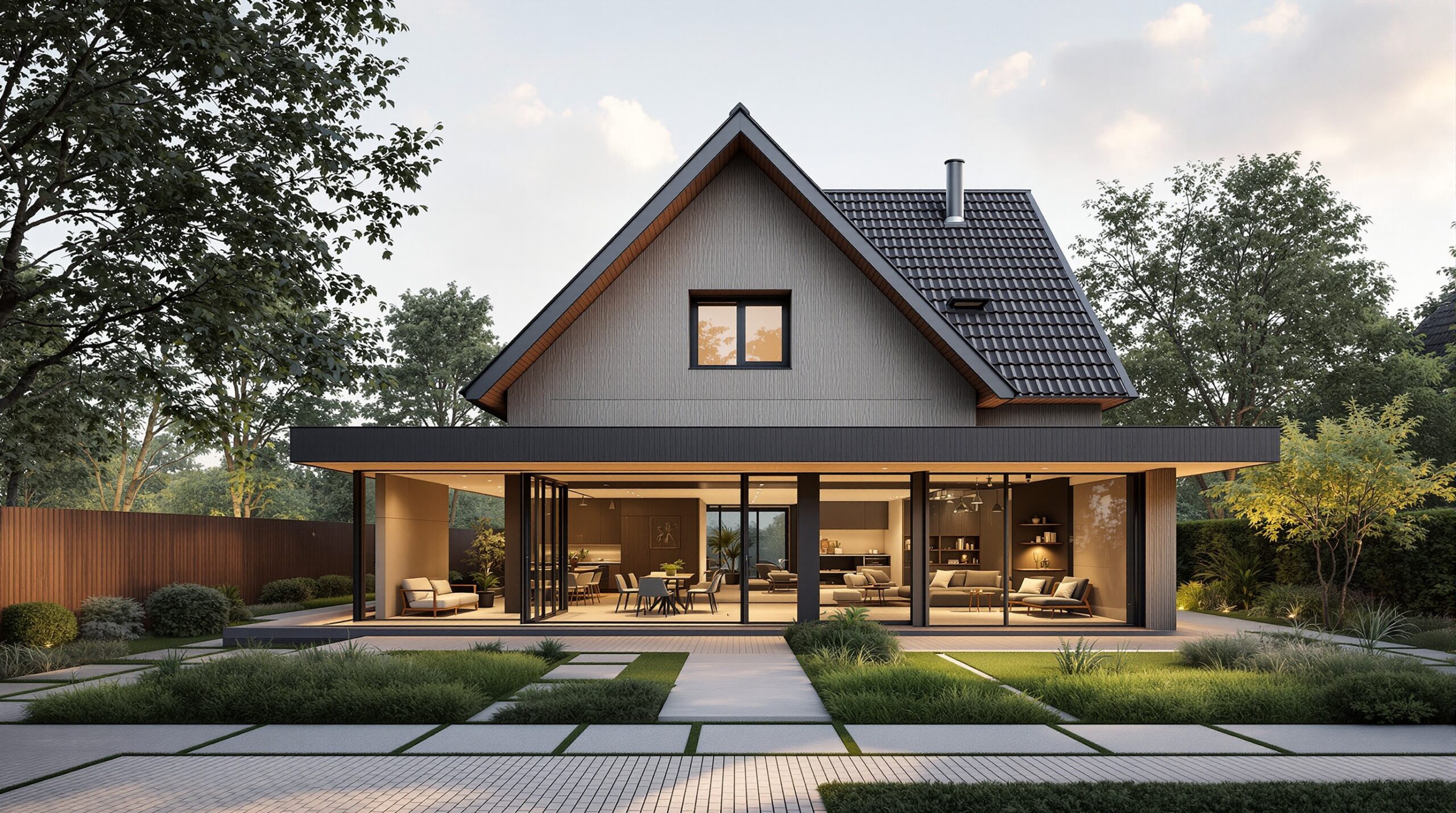
Adding space to your Dutch home, whether it’s a modern sunroom or an additional storey, is a popular way to enhance liveability and property value. But how can a digital twin transform this complex undertaking?
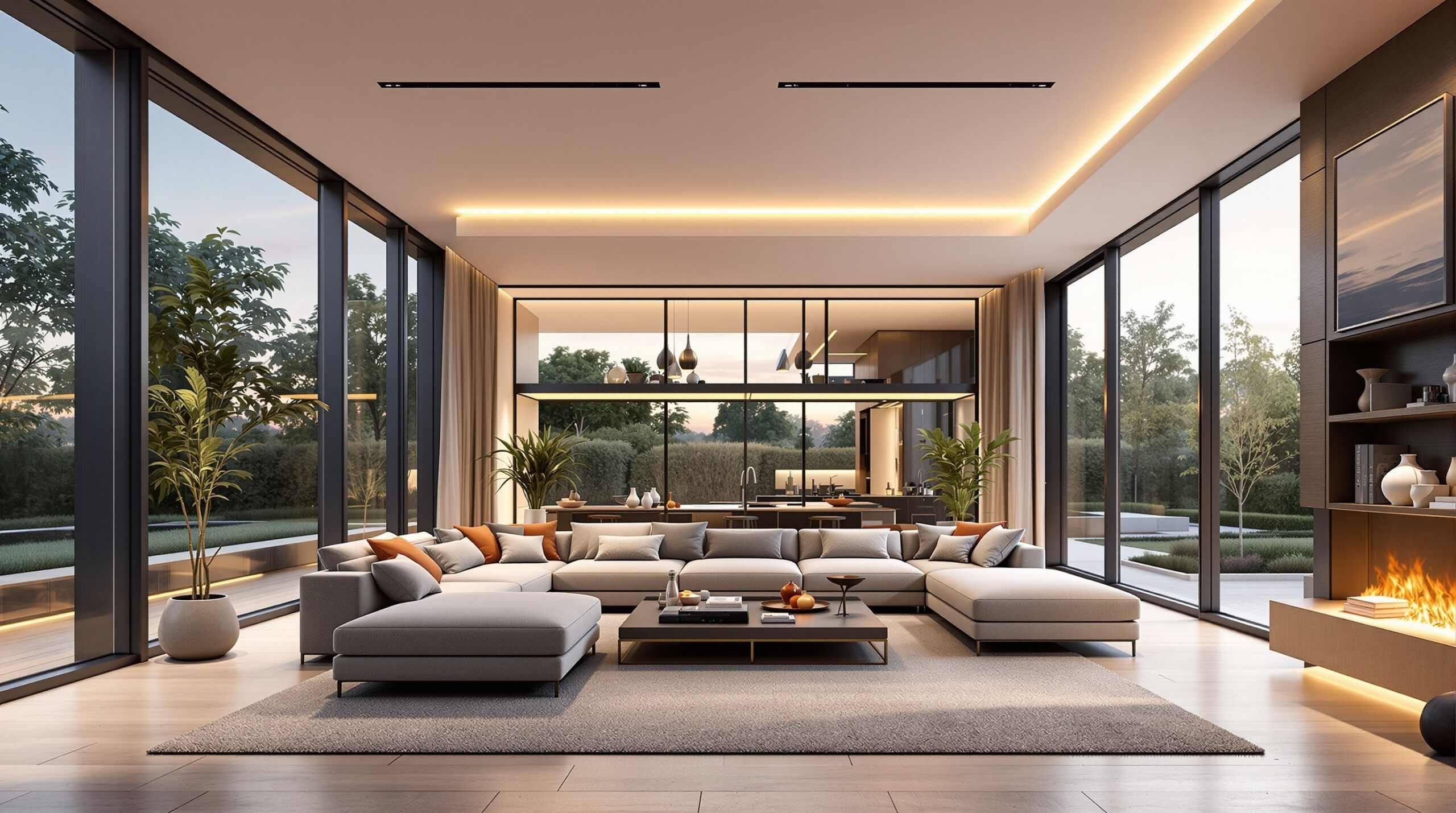
- Visualisation Beyond Expectation: The days of squinting at 2D blueprints are fading. A digital twin allows you to walk through your proposed extension in immersive virtual reality. You can see how sunlight will fall at different times of the day, how furniture will fit, and how the new space integrates with the existing structure. This level of visualisation ensures all stakeholders – you, the architect, and the builder – are on the exact same page.
- Structural Integrity and Compliance: Extending a house involves complex structural calculations. The digital twin acts as a testing ground. Engineers can simulate stresses, material performance, and structural loads within the virtual model, identifying potential weak points or areas where design adjustments are needed before any physical work begins. This is critical for meeting stringent Dutch building regulations.
- Optimising Space and Flow: How will adding a new section affect the flow of your home? Will hallways become too narrow? Will natural light be compromised in existing rooms? The digital twin helps answer these questions by providing a dynamic environment to test different layouts and design choices, ensuring the new extension feels like a natural, harmonious part of your home.
Complete House Renovations: A Virtual Blueprint for Transformation
Undertaking a complete house renovation, especially in older Dutch properties, can feel like defusing a complex bomb – one wrong move can have significant consequences. This is where the digital twin truly shines, acting as your ultimate guide and safeguard.
- Uncovering Hidden Secrets: Many older Dutch houses hold surprises behind plaster and under floorboards. A digital twin, formed from initial surveys using laser scanning and drone imagery, can create an accurate baseline model of your existing home, revealing the precise location of structural elements, old wiring, and plumbing. This preventative knowledge avoids costly discoveries mid-project.
- Planning for Energy Efficiency: With a strong focus on sustainability in the Netherlands, energy-efficient renovations are paramount. A digital twin can simulate thermal performance, identify heat loss areas, and help engineers design optimal insulation, ventilation, and heating systems. This ensures your renovated home meets or exceeds Dutch energy performance standards, saving you money in the long run.
- Strategic Phasing and Logistics: A full renovation is a logistical ballet. The digital twin can model the entire construction timeline, showing how different trades will operate, where materials will be stored, and how disruption to your daily life (if you’re living on-site) can be minimised. This level of planning is invaluable for keeping projects on schedule and within budget.
Construction Trends in the Netherlands: Sustainability and Smart Homes
The Dutch construction sector is a hotbed of innovation, driven by a commitment to sustainability and technological advancement. How do these larger trends intersect with your home renovation?
- Sustainability at the Core: The Netherlands is pushing hard for a circular economy, and construction is a vital part of this. Renovation projects are increasingly incorporating principles of ‘design for disassembly’ and using recycled or sustainably sourced materials. A digital twin aids in calculating the environmental footprint of material choices and optimising for waste reduction.
- Smart Home Integration: From intelligent lighting to advanced climate control, smart home systems are becoming standard. When planning a renovation, especially a complete overhaul, the digital twin can incorporate the building’s technological infrastructure. This allows for the precise positioning of sensors, wiring, and network points, preventing retrofitting headaches later.
- Off-Site Prefabrication: To boost efficiency and quality, more components are being built off-site and then assembled on-site. For example, a house extension could involve prefabricated wall sections. The digital twin ensures these pre-made elements fit perfectly, reducing on-site construction time and potential errors.
Renovation Materials: Choosing Wisely for the Future
The choice of materials can make or break a renovation, impacting not just aesthetics but also durability, energy performance, and cost. Informed decisions are vital, especially when considering the specific climate and regulations of the Netherlands.
- High-Performance Insulation: Given the Dutch climate, excellent insulation is not just a recommendation; it’s often a regulatory requirement. Materials like mineral wool, PIR (polyisocyanurate), or EPS (expanded polystyrene) are commonly used for floors, walls, and roofs. The digital twin helps calculate optimal insulation thicknesses and U-values to meet energy targets.
- Durable and Sustainable Cladding: For exterior renovations or extensions, weather-resistant and low-maintenance cladding is key. Think about materials like treated wood (e.g., Accoya, thermally modified wood), fibre cement boards, or high-quality brick. The digital twin can demonstrate the aesthetic impact of different cladding types on your home’s exterior.
- Triple Glazing (HR+++ Glass): To maximise thermal comfort and minimise energy loss, triple glazing has become increasingly common. It significantly outperforms double glazing in heat retention and noise reduction, a crucial consideration for any modern renovation or extension.
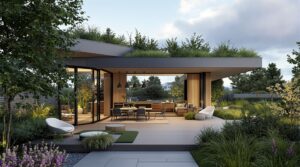
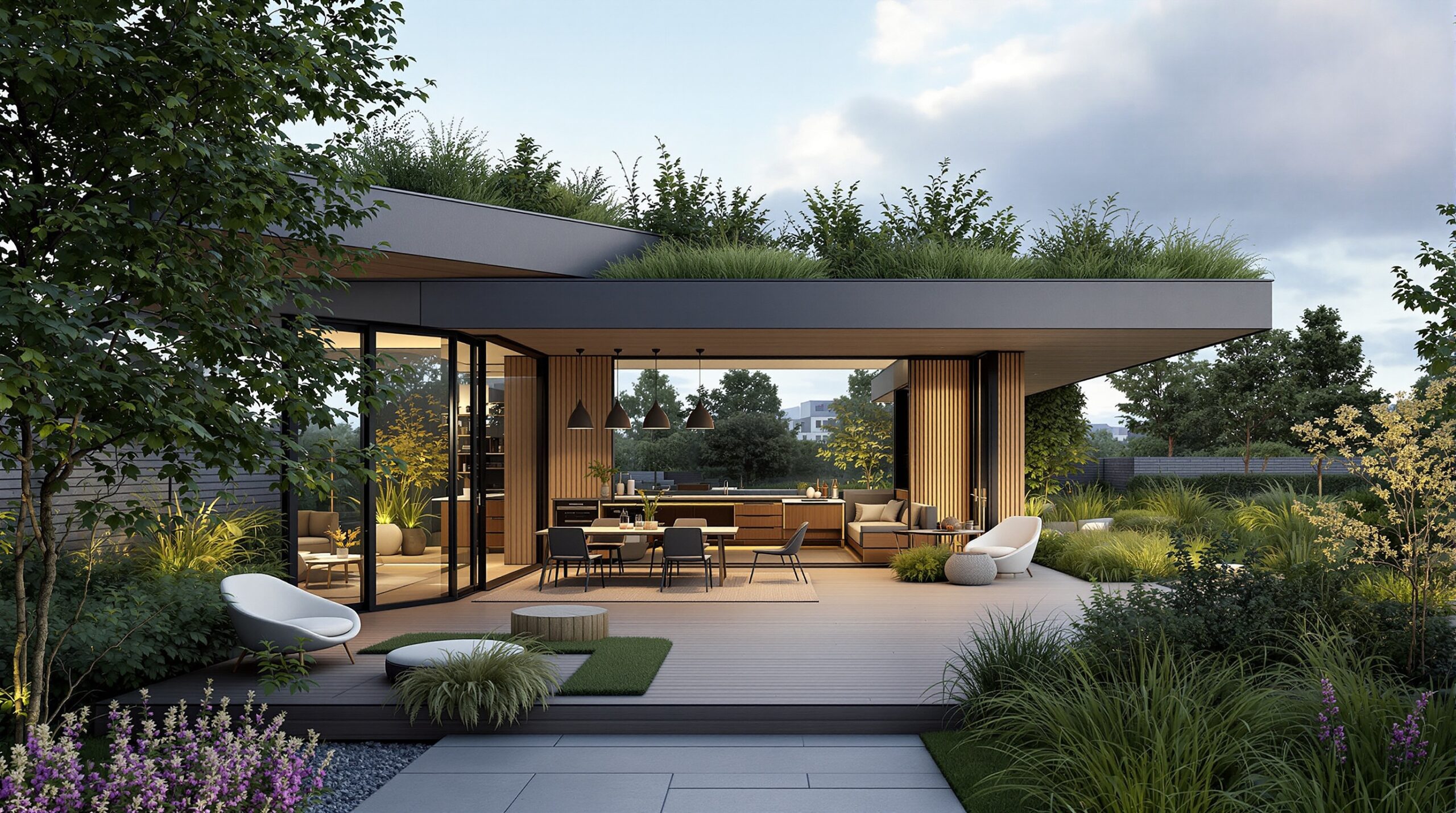
- Green Roof Systems: Especially in urban areas like Amsterdam, green roofs are gaining popularity. They offer benefits like improved storm water management, enhanced biodiversity, and additional insulation. A digital twin can model the structural impact and aesthetic benefits of incorporating such a system.
Practical Tips for Your Dutch Renovation Journey
Armed with knowledge about digital twins and Dutch building specifics, here’s how to put it all into action.
- Engage Professionals Early: Do not attempt to design or manage a significant renovation without professional help. Hire a qualified architect and a reputable contractor from the outset. Their expertise in Dutch regulations, construction techniques, and material selection is indispensable.
- Request a Digital Twin Integration: When discussing your project with architects and contractors, specifically ask about their capabilities regarding digital twin technology. Insist on a detailed digital model that allows for virtual walkthroughs and technical simulations. This investment up front will save you time and money.
- Understand Your ‘Bestemmingsplan’: Before getting too attached to design ideas, have your architect review the local ‘bestemmingsplan’ to confirm what types of renovations or extensions are permitted on your property. This is a non-negotiable first step.
- Prioritise Energy Efficiency: Focus on making your home as energy-efficient as possible. Discuss insulation values, glazing options, and sustainable heating solutions with your professionals. The Netherlands places a high emphasis on this, and the benefits for your wallet and the environment are substantial.
- Budget for the Unexpected: Despite the precision offered by digital twins, always allocate a contingency fund (typically 10-15% of the total project cost) for unforeseen circumstances. Older Dutch homes, in particular, can harbor hidden issues.
- Communicate Clearly and Continuously: Maintain open and regular communication with your architect and contractor. A clear understanding of timelines, material choices, and any potential issues is key to a successful renovation.
Conclusion: Building Tomorrow, Today
The world of home renovation in the Netherlands is evolving, and at its heart is the remarkable concept of the digital twin. This technology is not just about fancy visuals; it’s about injecting unprecedented levels of precision, foresight, and control into a process that was once fraught with unknowns. For Dutch residents considering a house extension or a complete house renovation, embracing digital twin technology means stepping into a future where your dream home is meticulously planned, rigorously tested, and flawlessly executed – long before the first shovel breaks ground.
By understanding key Dutch regulations like the ‘bouwvergunning’ and ‘bestemmingsplan,’ by choosing sustainable and high-performance materials, and by leveraging the power of a digital twin, you can approach your renovation project with confidence. It’s about building not just beautiful spaces, but intelligently designed, energy-efficient homes that stand the test of time, perfectly tailored to your needs and the unique environment of the Netherlands.