Dutch-Japanese Fusion: East Meets West Interiors
Imagine a living space that captures the calm of a Kyoto garden and the crisp, functional beauty of a classic Amsterdam canal house. This isn’t just a daydream; it’s a rising design movement reshaping Dutch homes. As we look toward 2026, the trend for mindful, purposeful living is steering modern interior design in the Netherlands towards a profound dialogue with Japanese principles. It’s more than just adding a bonsai tree or a tatami mat. This fusion is a philosophy, a careful blending of two cultures that, at their best, share a deep respect for space, light, and natural materials. But how do these distinct aesthetics work together? And what does this serene, hybrid style mean for renovating your typically compact Dutch home?
The Core Concepts: More Than Just Aesthetics
To understand this fusion, we need to look past surface decoration and into the foundational ideas that guide both Dutch and Japanese design traditions.
- Wabi-Sabi: This central Japanese concept finds beauty in imperfection, transience, and the authentic life of objects. Think of the weathered texture of a solid oak beam, the irregular glaze on a hand-thrown ceramic vase, or the gentle patina on aged brass. It values the story an object tells.
- Ma (間): Often translated as “negative space,” Ma is the purposeful pause, the intentional emptiness between objects. It’s not just about having less stuff; it’s about creating breathing room that gives meaning to what remains. In a Dutch context, this is crucial for making small spaces feel expansive.
- Dutch Functionalism: The pragmatic, no-nonsense approach that has long defined Dutch architecture. Every element must have a purpose and be well-made. This aligns perfectly with Japanese craftsmanship and the efficient use of space.
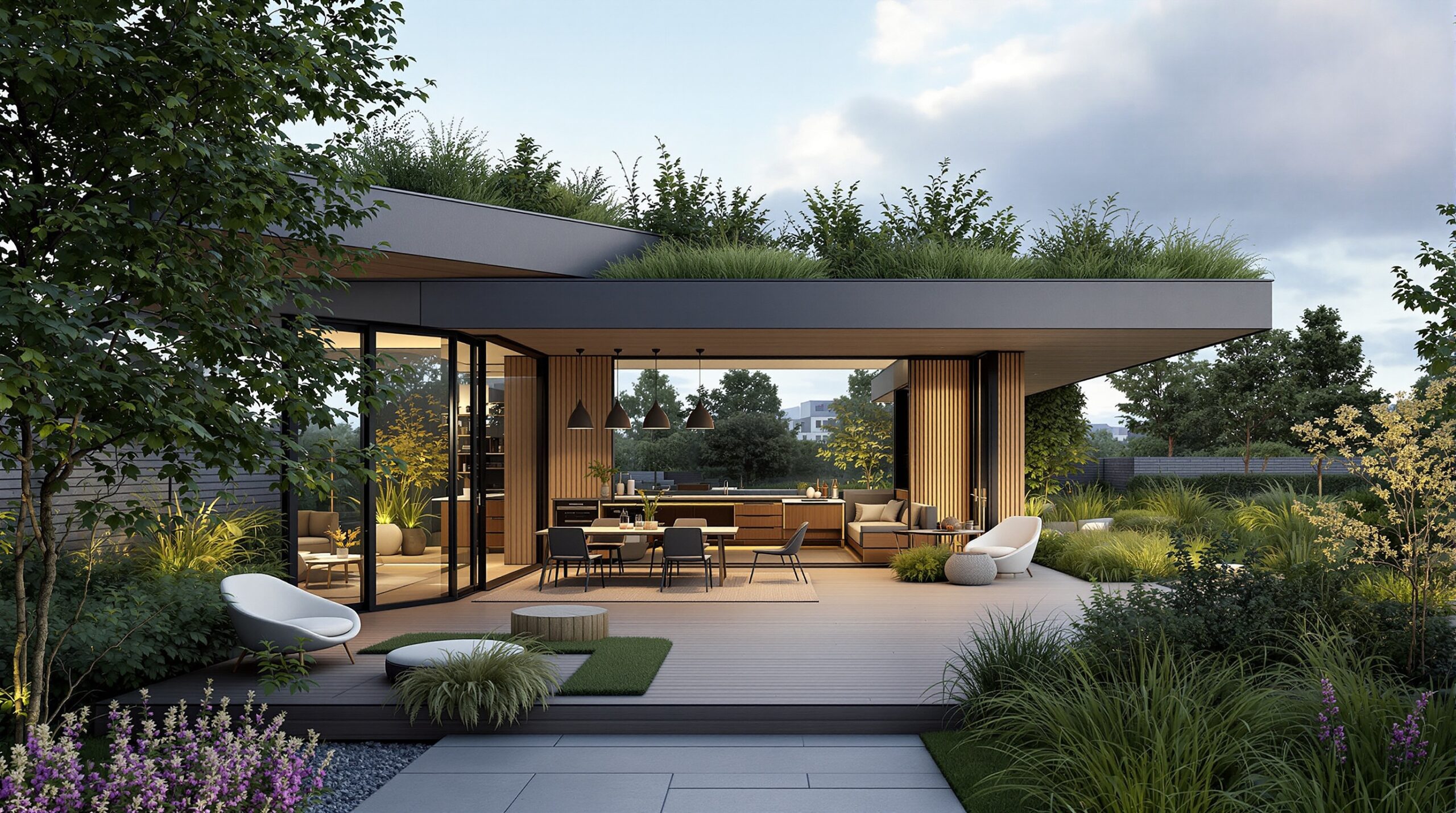
- Bringing the Outside In: A shared passion. The Japanese garden is an extension of the home, while the Dutch fill their houses with light and views of the sky and water. The fusion intensifies this connection.
Key Elements of a Fusion Interior
So, how do these concepts translate into tangible interior design trends for 2026? The magic happens in the thoughtful layering of materials, spatial planning, and atmosphere.
The Spatial Canvas: Creating “Ma” in a Dutch Home
The biggest challenge and opportunity lie in space. Dutch rooms, especially in older properties, can be compartmentalised. Fusion design often asks: can we create more flow, more Ma?
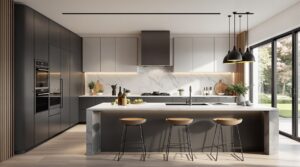
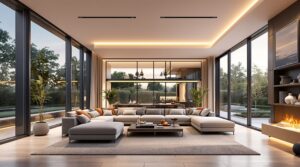
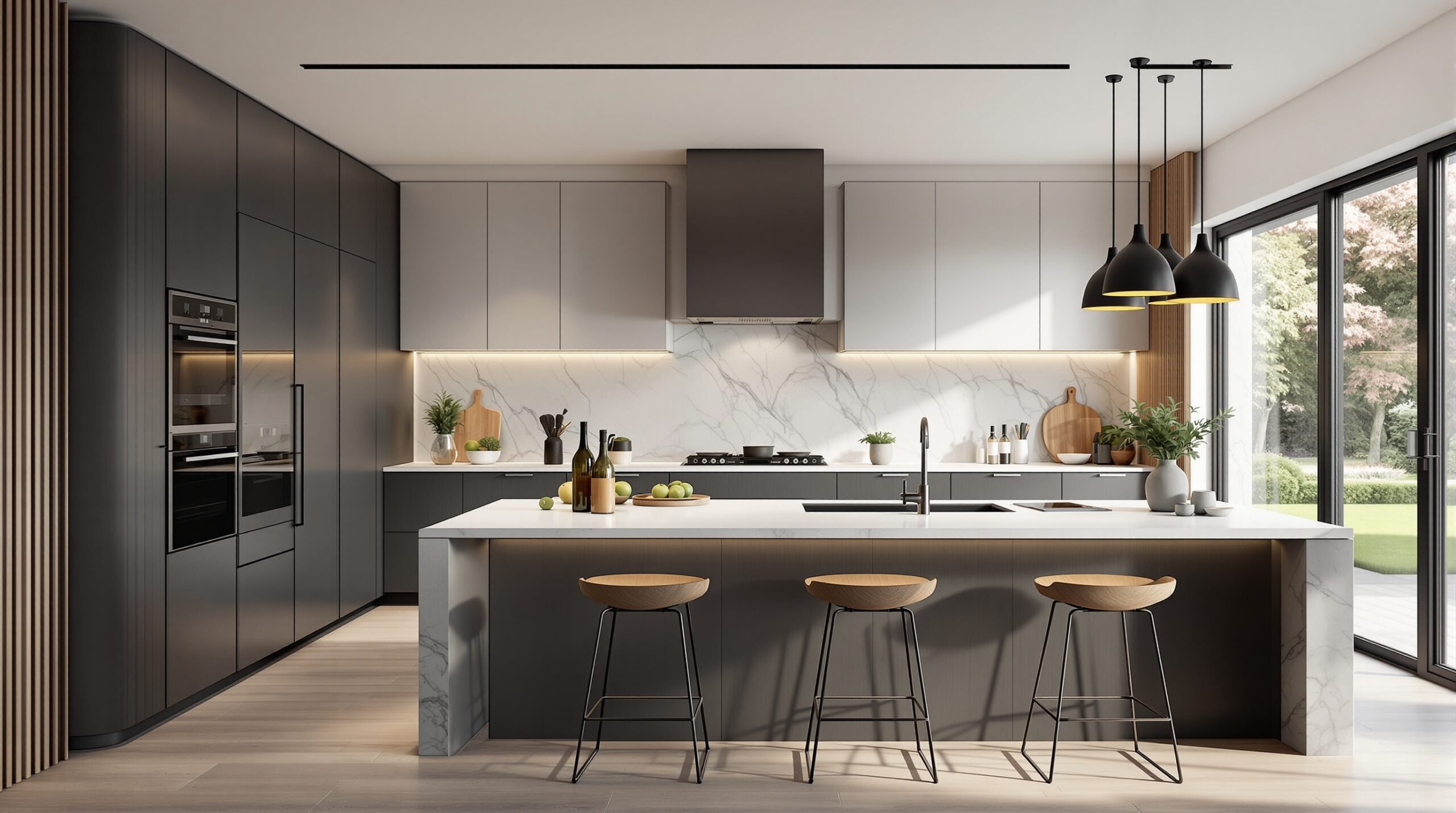
- Strategic Open-Plan Living: Instead of simply knocking down all walls, the fusion approach is more surgical. Consider removing a non-structural wall between a kitchen and living area to create a connected zone for cooking and socialising, while keeping quieter spaces like a study or bedroom distinctly separate for peace.
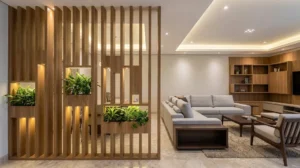
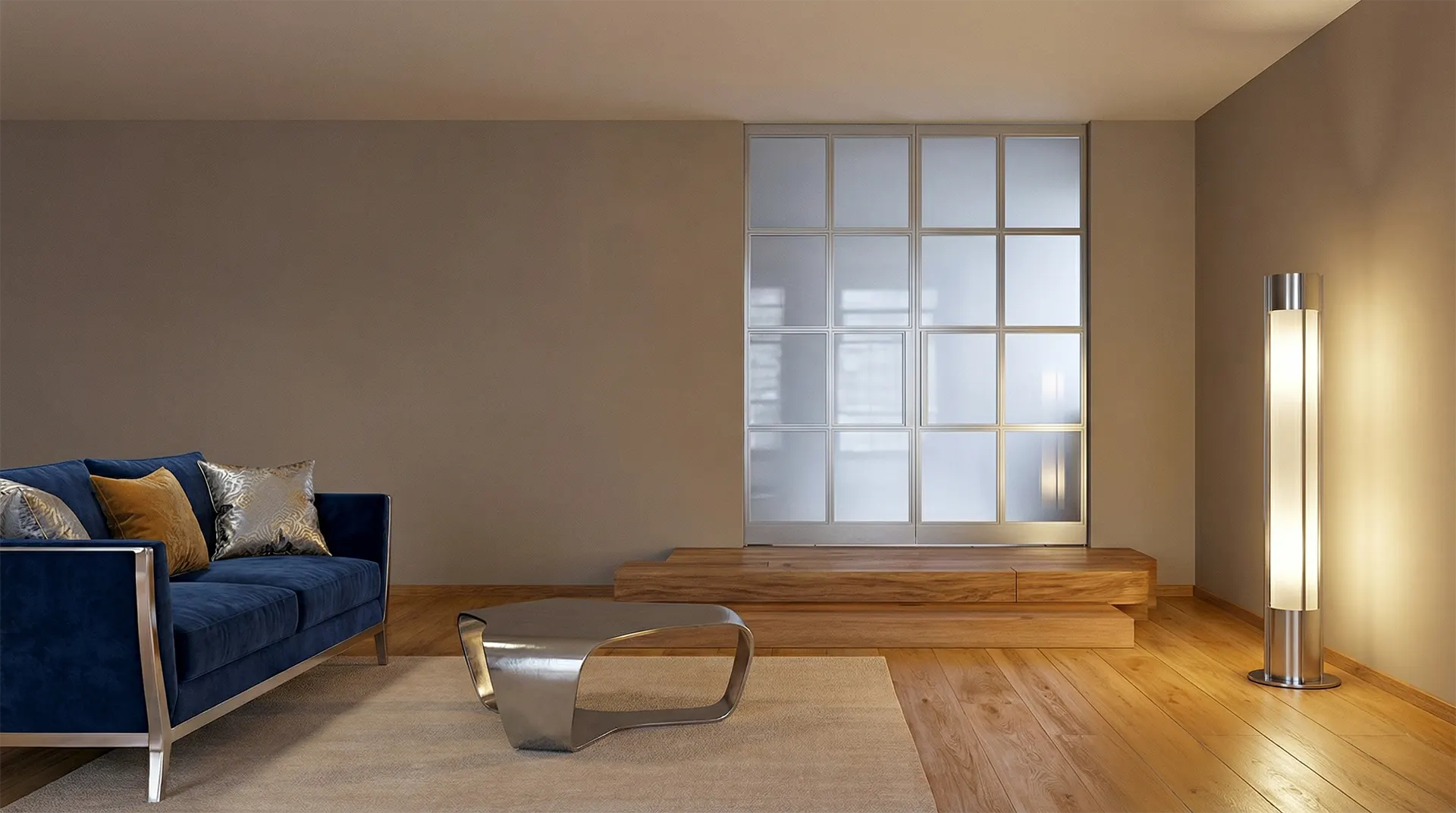
- Shoji-Inspired Dividers: Traditional Japanese sliding screens (shoji) are masters of flexible space. Modern interpretations using frosted glass, textured acrylic, or slim wooden frames can elegantly divide a studio apartment or separate a home office from a living area without sacrificing light.
- Built-in, Hidden Storage (Tokonoma Thinking): Clutter is the enemy of Ma. Emulating the Japanese tokonoma (a dedicated, uncluttered alcove for art), invest in extensive, seamless built-in storage. Think floor-to-ceiling cupboards with recessed handles, under-stair drawers, and window seats that open up. This hides daily life’s necessities, leaving clean lines and serene surfaces.
A Dialogue of Materials and Textures
This is where Wabi-Sabi and Dutch durability shake hands. The palette is natural, tactile, and honest.
- The Wood Foundation: Use light, pale woods like oak, ash, or maple for flooring and larger furniture to amplify light. Contrast this with a single, striking piece in a darker, richer wood like walnut or charred cedar (shou sugi ban technique), celebrating its grain and imperfections.
- Stone and Ceramic: Cool, smooth surfaces like honed limestone or concrete (for floors or countertops) provide a calm base. Introduce texture with hand-crafted, irregular raku-style tiles in a kitchen backsplash or a single, stunning wabi-sabi bowl as a centrepiece.
- Textural Fabrics: Move beyond plain cotton. Introduce the nubby, organic feel of linen (for curtains and upholstery), the softness of wool throws, and the crispness of paper-look textiles for lampshades. Layering these textures adds depth and warmth without visual noise.
The Poetics of Light and Atmosphere
Light is treated as a material in its own right. The goal is soft, diffused, and calming illumination.
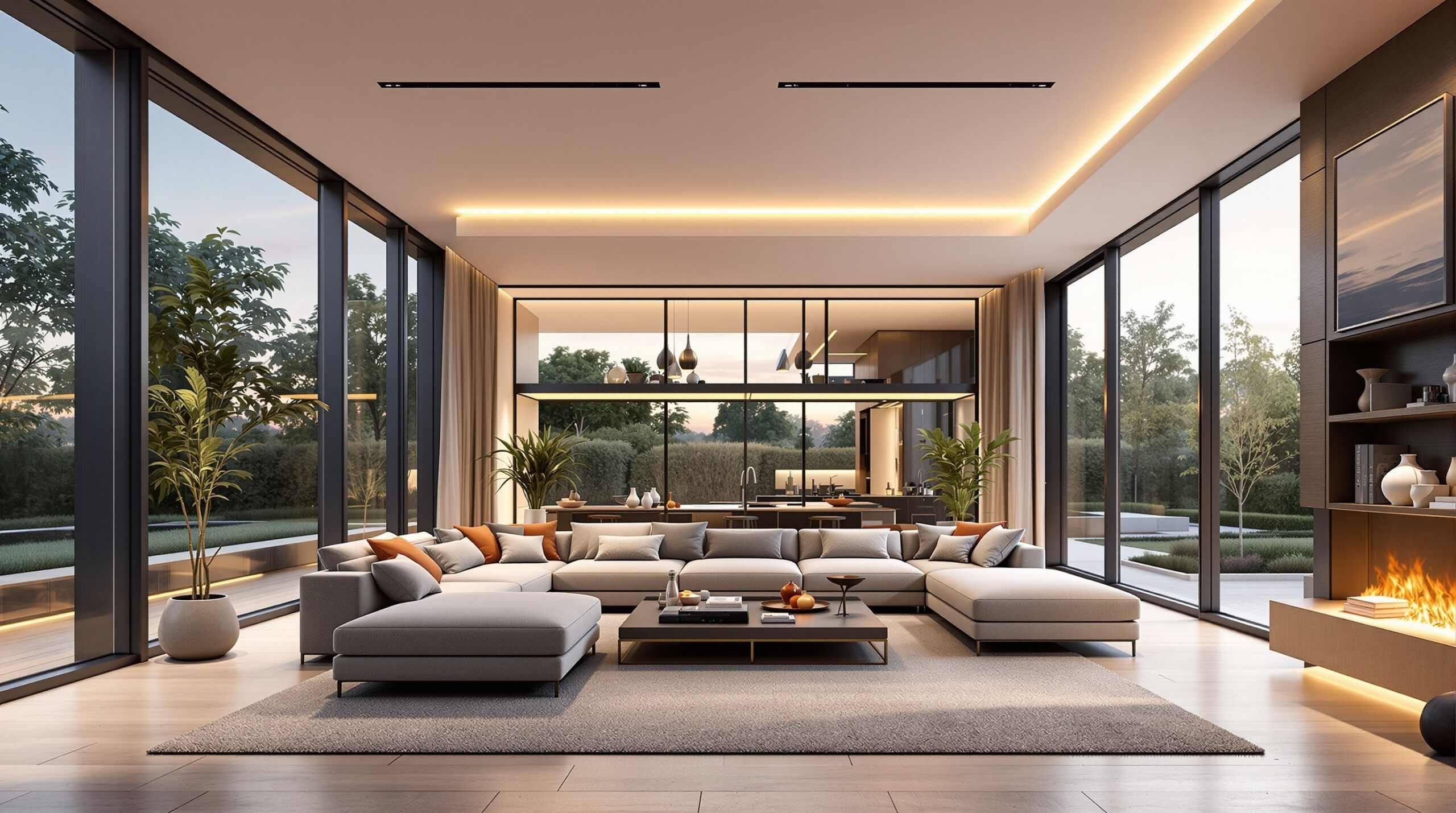
- Rejecting Harsh Overheads: Minimise use of bright central ceiling lights. Instead, create “pools” of light with floor lamps, concealed LED strips in coves or shelves, and adjustable wall sconces.
- Paper Lantern Influence: The soft, glowing quality of traditional washi paper lanterns can be achieved with modern pendant lights using rice paper or fabric diffusers. They cast a gentle, ambient light perfect for living areas.
- Framing the View: Treat windows like living paintings. Use simple, clean-lined window frames. Interior shutters or sheer, layered curtains allow for delicate light control, creating ever-changing patterns of shadow and brightness throughout the day.
Practical Steps to Embrace the Trend
Transforming your space doesn’t require a full gut renovation. Start with intention and build gradually.
- Begin with a Clear-Out (Declutter with Purpose): This is the non-negotiable first step. Apply the principle of Ma. Be ruthless. If an item isn’t functional or doesn’t spark genuine joy (a concept itself borrowed from Japanese tidying expert Marie Kondo), find it a new home. Create the emptiness first.
- Edit Your Colour Palette: Pare back to a neutral, natural base: off-whites, soft greys, warm beiges, and muted earthy tones. This becomes your “canvas.” Then, introduce a single, restrained accent colour inspired by nature—a deep indigo, a moss green, or a terracotta—used in one consistent element, like cushions or a single feature wall.
- Invest in One Signature Craft Piece: Rather than buying a suite of matching furniture, save for one exceptional, handcrafted item. A live-edge dining table, a hand-forged iron teapot, or a ceramic vessel sink. Let this piece be the “art” in your tokonoma, a daily reminder of beauty and craftsmanship.
- Consult a Professional Designer: Achieving true balance in this style is complex. An experienced interior designer or architect can help you navigate spatial challenges, source authentic materials, and ensure the design feels cohesive, not like a theme. Their expertise is invaluable in merging these philosophies into a liveable, uniquely personal home.
A Harmonious Future for Living
The rise of Dutch-Japanese fusion is a direct response to our times. It offers an antidote to visual overload and a blueprint for creating homes that are not just stylish, but truly restorative. It proves that modern interior design in the Netherlands is evolving beyond pure minimalism or rustic cosiness into something more nuanced—a hybrid that values soul as much as function. By borrowing the Japanese reverence for nature, imperfection, and space, and filtering it through a pragmatic Dutch lens, we create interiors that don’t just look good, but feel profoundly right. They become sanctuaries of calm, purpose, and quiet beauty, perfectly suited for the pace of life as we move into 2026 and beyond.