Energy-Efficient Heating Solutions for Dutch Homes: A Guide to Warmth and Savings
What if the secret to a cosy, comfortable home wasn’t just about turning up the thermostat, but about a smarter relationship with energy itself? For Dutch homeowners, this question is moving from theory to urgent practice. With ambitious national climate goals, fluctuating energy prices, and a legacy of charming but often draughty houses, the way we heat our homes is undergoing a quiet revolution. Moving beyond simple retrofits, the Netherlands is embracing a whole-system approach to home heating, where the house itself becomes an efficient, integrated machine for living. This guide explores the cutting-edge and practical energy-efficient heating solutions transforming Dutch homes, from harnessing the power of the sun to rethinking the very air we breathe.
Basic Concepts: Understanding the Dutch Energy Landscape
Before exploring solutions, it’s crucial to grasp the unique context of the Dutch housing market. Two concepts are foundational: the Energielabel (Energy Label) and the van het gas af (off gas) policy.
- Energielabel: This mandatory efficiency rating for homes, from A (very efficient) to G (very inefficient), is more than just a certificate. It’s a key determinant of your home’s value, your monthly energy bills, and the specific upgrades that will yield the best return. Improving your label is often the primary goal of any renovation.
- Van het gas af: The national commitment to disconnect all homes from natural gas by 2050 is the single biggest driver of change. This isn’t a distant dream; it’s a roadmap affecting planning permission, available subsidies, and the technology installers are training for today. Choosing a heating solution that aligns with this future-proofs your investment.
The Foundation: Sealing the Envelope First
Imagine trying to heat a room with a giant, invisible window open. That’s essentially what a poorly insulated home is like. Experts agree: investing in heating hardware before addressing insulation and air-tightness is like pouring water into a sieve.
- High-Performance Insulation: The gold standard has moved beyond simple cavity wall insulation. For major renovations, applying exterior insulation (isolatie aan de buitenkant) wraps the entire house in a continuous thermal blanket, eliminating cold bridges and often improving the façade’s appearance.
- Triple Glazing: In the Dutch climate, modern triple glazing (HR+++ glass) is becoming the norm for serious energy savings. It provides superior insulation and significantly reduces condensation and outside noise.
- Mechanical Ventilation with Heat Recovery (MVHR): This is the unsung hero of the efficient Dutch home. An air-tight house needs fresh air. An MVHR system continuously extracts stale, warm air from kitchens and bathrooms, and uses it to warm up fresh, incoming air for living rooms and bedrooms, recovering up to 90% of the heat that would otherwise be lost through open windows.
The Heating Solutions: From Sun to Ground
Once your home is a snug, sealed envelope, the choice of heating system becomes far more effective and interesting. The goal shifts from brute-force heating to delivering low-temperature warmth consistently and efficiently.
1. The All-Electric Heart: The Heat Pump
Think of a heat pump as a refrigerator in reverse. Instead of expelling heat from an interior compartment to cool it, it extracts freely available heat from the outside air or ground and concentrates it to warm your home and water. For well-insulated homes, it’s the leading successor to the gas boiler.
- Air Source Heat Pump (Luchtwarmtepomp): The most common type, it works like an advanced air conditioner in heating mode. Modern models are remarkably efficient even in cold Dutch winters. They are often paired with underfloor heating or special low-temperature radiators that work well with the pump’s consistent, gentle output.
- Ground Source Heat Pump (Bodemwarmtepomp): This system uses stable underground temperatures via buried pipes (collectors). It is more efficient than air source and less affected by outdoor air temperature, but requires significant garden space or deep drilling, making it a larger initial investment.
2. Harnessing the Sun: Solar Energy Systems
Solar technology in the Netherlands is no longer just about panels on the roof. It’s becoming an integrated part of the home’s energy ecosystem.
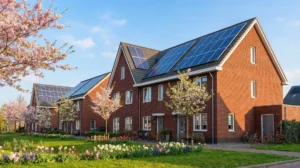
- Solar Panels (Zonnepanelen): The first step for many. They generate electricity to power your heat pump, appliances, and potentially an electric car. The key trend is oversizing your system to account for future needs like more electric heating or mobility.
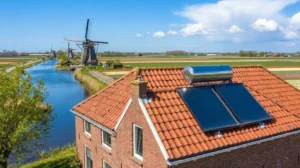
- Solar Water Heaters (Zonneboilers): A complementary technology. These roof-mounted tubes use the sun’s energy directly to heat water in a storage tank, drastically reducing the workload of your heat pump or boiler for hot tap water, which is energy-intensive year-round.
- Innovative Integration: The frontier includes solar roof tiles that mimic traditional materials and hybrid systems that combine solar thermal and photovoltaic elements to maximise energy harvest from every ray.
3. The Networked Future: District Heating
In some urban and new development areas, the solution isn’t in your backyard but under the street. District heating (Stadsverwarming) pipes hot water from a central, often sustainable source (like waste heat from industry, geothermal, or biomass plants) directly to your home. You then have a simple heat exchanger instead of a boiler. Its viability depends entirely on local infrastructure development.
4. Supplementary and Hybrid Systems
For older homes where a full heat pump retrofit is challenging, a hybrid heat pump offers a stepping stone. This system combines a small air-source heat pump with a high-efficiency (HR) gas boiler. The heat pump handles heating most of the year, and the boiler kicks in only during the coldest days or for peak hot water demand, still cutting gas use by up to 70%.
Practical Tips for Your Energy Transition
- Start with an Independent Energy Advisory Report (EPA-advies). Don’t guess. A certified advisor can analyse your specific home and provide a personalised roadmap for the most cost-effective upgrade sequence.
- Explore Subsidies Deeply. The national ISDE subsidy (Investeringssubsidie Duurzame Energie) is essential, but also check your municipality for local incentives, which can be substantial for joining a district heating network or doing insulation works.
- Choose a Certified Installer. For heat pumps and complex insulation work, use a Qbis- or Keurmerk Warmtepomp certified professional. Their expertise is critical for system design, efficiency, and accessing subsidies.
- Think in Systems, Not Isolated Products. Your insulation level dictates your heat pump size. Your solar panel output should match your future electric demand. Plan the interaction of all elements from the start.
- Prepare for an Electrical Upgrade. Most older Dutch homes have a 1x35A or 3x25A electrical connection. A full electric heat pump household often requires an upgrade to a 3x35A or 3x40A connection from your grid operator. Factor this in early.
Conclusion
The journey to an energy-efficient Dutch home is a shift from seeing heating as a standalone utility to viewing your entire property as an interconnected, intelligent system. It begins with the fundamental work of insulation and air-tightness—creating a worthy vessel for advanced technology. From there, the heat pump emerges as the central, electric heart of the modern home, ideally powered by the sun’s own energy captured on your roof. While the initial investment is significant, the long-term rewards are a dramatic reduction in both carbon footprint and energy bills, increased comfort, and a home aligned with the Netherlands’ sustainable future. The transition isn’t just about upgrading your boiler; it’s about redefining the very idea of a warm, welcoming home.