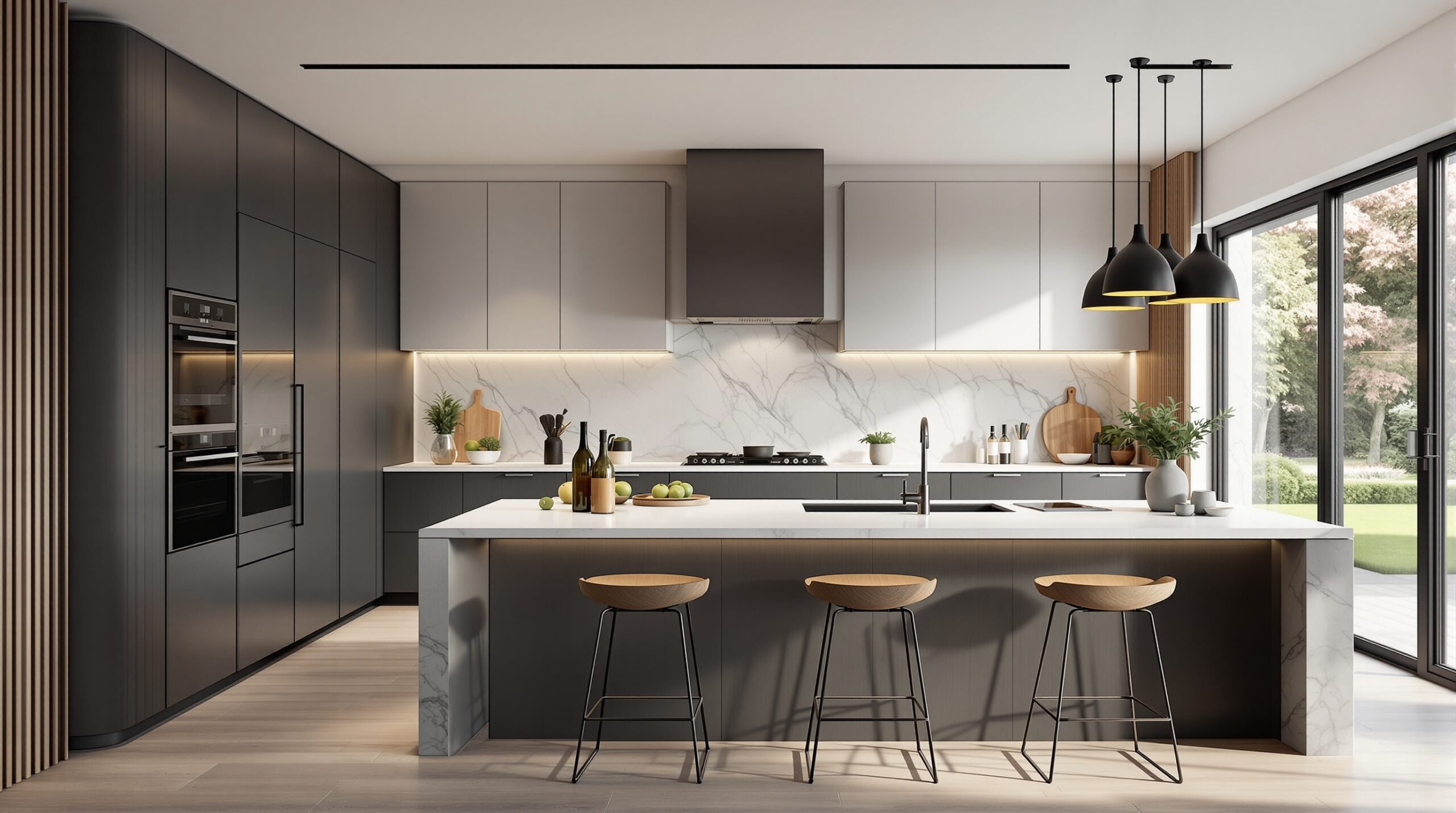
Ergonomic Kitchen Design: Comfort and Efficiency
Picture this: you’re preparing a meal, but your back aches from hunching over a low counter. You reach for a pot, but it’s stored in a deep, awkward corner cabinet. The experience feels more like a chore than a joy. This is where ergonomic kitchen design comes in—it’s not just a trend, it’s a fundamental rethinking of the heart of your home. For Dutch homeowners, where space is often at a premium and the kitchen serves as a social hub, ergonomics is the secret ingredient to a kitchen that looks stunning and works brilliantly. It’s about creating a space that fits you, reducing strain and turning daily routines into effortless rituals.
Kitchen Ergonomics 101: The Science of the “Work Triangle” and Beyond
At its core, ergonomics is about designing for human use. In a kitchen, this means arranging appliances, worktops, and storage to minimise unnecessary movement, bending, and stretching. The classic concept here is the work triangle, connecting the three main work zones: the sink, the cooker, and the refrigerator. The goal is to have these points close enough to be efficient, but not so close that the space feels cramped.
However, modern Dutch kitchen design has evolved this idea. We now think in terms of distinct activity zones:
- The Prep Zone: Centred around the sink and main worktop, with a bin and storage for utensils close by.
- The Cooking Zone: Home to the hob, oven, and space for pots, pans, and spices.
- The Storage Zone: For the fridge, freezer, and pantry items.
- The Cleaning Zone: Integrating the dishwasher, sink, and storage for cleaning supplies.
This zonal approach is particularly effective in the open-plan living spaces popular in the Netherlands, allowing multiple people to use the kitchen without crossing paths.
Dutch Kitchen Renovation Tips: Building an Ergonomic Masterpiece
So, how do you translate these principles into your renovation plan? The key is to start with how you move and work. A common mistake is prioritising aesthetics over function. An ergonomic kitchen, however, naturally becomes beautiful because of its intuitive, clutter-free efficiency.
1. Getting the Heights Right
Standard counter heights don’t suit everyone. The golden rule? Your main prep area should be at a height where you can work comfortably with your elbows bent at a 90-degree angle. For many, this means considering a worktop slightly higher than the standard 90cm.
- Variable Height Counters: A growing trend is to have two different worktop levels—a standard height for general tasks and a lower section for heavier jobs like kneading dough.
- Appliance Integration: Ensure your dishwasher front is raised to counter height to avoid deep bending when loading and unloading.
2. The Magic of Intelligent Storage
Forget deep, dark cupboards where items get lost. Modern Dutch kitchen design is all about accessibility.
- Pull-Out Everything: Deep pantry cupboards, base units, and corner cabinets are revolutionised with full-extension pull-out shelves or magic corner systems. You see and reach everything at once.
- Vertical Dividers: Use them for cutting boards, baking trays, and lids, so you can pull out a single item instead of a teetering stack.
- Appliance Garages: Keep your toaster, blender, or coffee machine on a counter but hide them behind a flip-up door when not in use, maintaining clear, usable work surfaces.
3. Movement, Flow, and Lighting
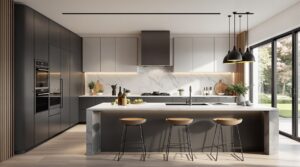
An ergonomic kitchen feels spacious even if it’s compact. Ensure there is at least 120cm of clear space between opposing counters or an island to allow for easy movement and opening of appliance doors. Lighting is critical; under-cabinet LED strips eliminate shadows on your main work surface, making tasks safer and more pleasant.
Interior Design Trends 2025: Where Style Meets Sense
The exciting part of current interior design trends is how they harmonise with ergonomic principles. The focus is on calm, functional beauty that stands the test of time.
- Smart Integration: Technology is becoming invisible. Think induction hobs with downdraft extraction that disappear into the counter, or voice-activated lighting and taps that improve hygiene and convenience.
- Warm Minimalism: Clean lines and handle-less cabinets (using push-to-open mechanisms) reduce visual clutter and physical snags, creating a serene and efficient environment. The warmth comes through textured materials like wood, ribbed glass, or stone.
- Healthy Materials: There’s a strong push towards non-toxic, sustainable materials—from VOC-free paints to worktops made from recycled composites. A healthy home starts in the kitchen.
Practical Tips for Your Dutch Kitchen Renovation
Ready to plan your ergonomic kitchen? Follow these steps:
- Audit Your Current Kitchen: For a week, note what frustrates you. Is it a lack of counter space next to the stove? Difficult access to your dinner plates? Your pain points are your design brief.
- Prioritise Your Zones: Are you an avid baker who needs a dedicated zone with a marble slab and easy-access flour bins? Or a busy family that needs a robust cleaning and dishwasher station? Design around your actual life.
- Invest in Quality Hardware: The smooth glide of a full-extension drawer runner or the soft-close mechanism on a cabinet door might seem like a small detail, but these are the components you interact with hundreds of times a day. Do not compromise here.
- Work with a Professional: A certified kitchen designer or interior architect doesn’t just draw plans. They understand spatial flow, the latest innovations in storage, and how to integrate complex utilities seamlessly. Their expertise is invaluable in avoiding costly mistakes and achieving a truly custom result.
Conclusion: The Kitchen That Cares for You
An ergonomic kitchen is the ultimate investment in your home’s comfort and your own well-being. It goes beyond modern interior design to create a deeply personal space that actively supports your daily life. By focusing on the principles of movement, reach, and height, and blending them with the calming, intelligent interior design trends 2025, you create more than just a room. You create a kitchen that works so intuitively, it feels like an extension of yourself—efficient, comfortable, and perfectly suited to the unique rhythm of your Dutch home.