Guide to the Cost of Installing a Door
Installing a new door may seem like a straightforward task, but the total cost can vary widely depending on several factors. Whether you are replacing an interior door, upgrading to a more secure exterior door, or adding a stylish French or sliding door, understanding the potential expenses in advance can help you plan your budget effectively.
Door installation costs are influenced by the type of door, the material, the size, and whether any additional work is required, such as adjusting the frame or adding hardware. Labor costs can also differ depending on the complexity of the installation and the experience of the installer. By breaking down these factors, homeowners can make informed decisions and avoid unexpected expenses.
In this guide, we will provide an overview of the key factors that affect door installation costs, approximate price ranges for different types of doors, and tips to save money while ensuring a professional and durable installation.
Key Factors That Influence Door Installation Costs
The cost of installing a door can vary significantly depending on several key factors. Understanding these elements helps homeowners budget accurately and avoid surprises during the project. Below are the main factors that influence door installation costs.
Type of Door
The type of door you choose is one of the biggest determinants of cost. Doors come in many styles, each with unique installation requirements:
Interior Doors – Hollow-core or solid-core doors for bedrooms, bathrooms, and closets. These are generally easier and less expensive to install.
Exterior Doors – Front doors, back doors, or patio doors require higher security, insulation, and weather resistance, which increases the cost.
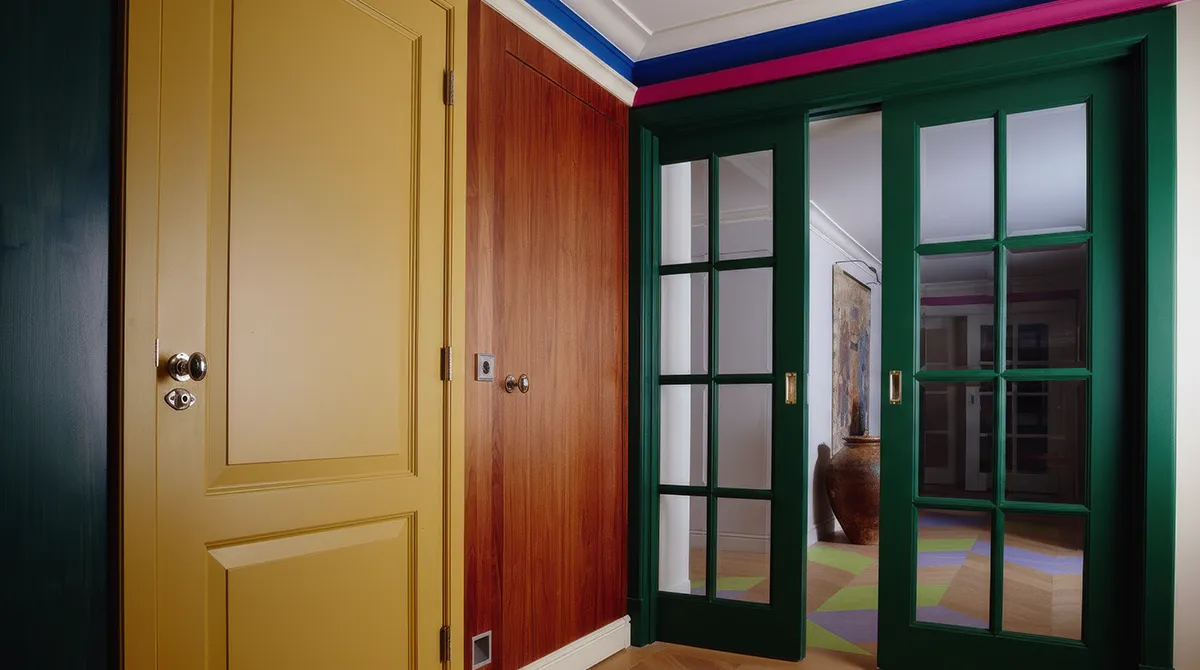
Specialty Doors – French doors, sliding doors, pocket doors, barn doors, and glass-paneled doors often require more precise installation and extra hardware, making them more expensive.
The more complex the door design, the higher the labor and material costs.
Door Material
The material of the door also significantly affects the overall price. Common door materials include:
Wood – offers a classic look and good durability. Solid wood is more expensive than hollow-core or MDF options.
Steel – budget-friendly and highly secure, ideal for exterior doors.
Fiberglass – Resistant to weather and low maintenance, usually mid to high price range.
Glass – Used for modern or decorative doors; installation is more delicate, increasing labor costs.
Composite – Made from engineered materials, providing stability and durability at a moderate price.
Material choice influences not only the initial cost but also long-term maintenance expenses.
Labor and Professional Installation
Hiring a professional installer is often necessary for a quality and secure door installation. Labor costs can vary based on:
- Complexity of the installation
- Size and weight of the door
- Need for structural adjustments or custom fitting
Approximate labor considerations:
Basic interior door installation: lower to mid-range cost
Complex installations (exterior doors, custom sizes, sliding or French doors): higher cost
Skilled labor ensures the door fits perfectly, opens and closes smoothly, and meets safety standards.
Door Size and Customization
Standard-size doors are easier and less expensive to install, while custom-sized doors increase both material and labor costs. Additional design features such as decorative panels, glass inserts, or unique finishes can further affect the price. When planning your project, considering standard sizes can help keep costs reasonable, while custom designs offer enhanced aesthetics and functionality at a higher investment.
Additional Considerations
Other minor factors can also affect door installation costs, including:
- Removing an old door or frame;
- Adjusting or modifying the door frame or wall opening;
- Adding hardware such as locks, handles, and hinges;
- Finishing work like painting or staining;
Even these smaller elements can add up, so it’s important to account for them when budgeting for a new door.
Additional Costs to Consider
When planning for door installation, it’s important to remember that the total cost often goes beyond just the door itself and basic labor. Several additional factors can add to the overall expense. Being aware of these potential extra costs can help homeowners budget more accurately and avoid surprises.
Removing an Old Door
If you are replacing an existing door, removal of the old door and frame may involve extra work. Depending on the condition of the old door and frame, the installer may need to:
- Detach the door from hinges
- Remove screws, nails, or old hardware
- Dispose of the old materials
This process can add a small fee to the installation cost, especially if the old door is heavy or difficult to remove.
Frame or Wall Modifications
Sometimes, the existing door frame or wall opening is not suitable for the new door. Modifications may be necessary, such as:
- Resizing or cutting the opening for a larger or custom door
- Reinforcing the frame for heavier doors
- Repairing damaged walls or trim
These adjustments can significantly increase labor time and costs, particularly for exterior doors or custom installations.
Hardware and Accessories
Door installation requires proper hardware, including:
- Hinges
- Handles or knobs
- Locks, deadbolts, or smart locks
- Weatherstripping for exterior doors
Standard hardware is usually included in basic installation packages, but premium or decorative hardware can raise the overall cost. High-security locks or specialty hinges may also add extra expenses.
Finishing Costs
After installation, doors often need finishing touches:
- Painting or staining for wood doors
- Sealing or weatherproofing for exterior doors
- Protective coatings for specialty materials
Premium finishes or custom painting can increase costs, while simple factory-finished doors may reduce the expense.
Delivery Fees
For larger or heavier doors, delivery may be an additional consideration. Some suppliers include delivery in the purchase price, while others charge separately. This can be particularly relevant for specialty doors such as glass or oversized exterior doors.
How to Choose the Right Installer
Selecting a professional and reliable installer is just as important as choosing the right door. A skilled installer ensures that your door is safe, functional, and long-lasting. Poor installation can lead to problems such as misalignment, gaps, drafts, or even structural damage, which may end up costing more to fix than the door itself. Here are key factors to consider when choosing the right installer.
Check Experience and Qualifications
Look for installers who have proven experience with the specific type of door you are installing. For example:
- Interior doors usually require basic carpentry skills
- Exterior, sliding, French, or custom doors often need more specialized knowledge
Qualified installers may hold certifications, trade licenses, or training that demonstrates their expertise.
Read Reviews and Ask for References
Customer reviews and references provide insight into the installer’s reliability and quality of work. Consider:
- Online reviews on local business directories or service platforms
- Recommendations from friends, family, or neighbors
- Photos of previous work to verify craftsmanship
Positive feedback and a solid reputation are strong indicators of a trustworthy installer.
Request Detailed Estimates
Before committing to an installer, ask for a detailed cost estimate that includes:
- Labor and materials
- Any additional services (frame modifications, removal of old door, hardware installation)
- Estimated time for completion
A transparent estimate helps prevent unexpected costs and allows you to compare multiple installers.
Verify Warranties and Guarantees
Reputable installers often provide warranties for their work, covering potential issues such as:
- Improper installation
- Alignment problems
- Malfunctioning hardware
A warranty gives peace of mind and protects your investment in both the door and the installation.
Communication and Professionalism
Good communication is essential. An installer should:
- Respond promptly to inquiries
- Explain the installation process clearly
- Advise on material choices and potential challenges
Professionalism ensures that the project runs smoothly, on schedule, and within budget.
Conclusion
Installing a new door involves more than just purchasing the panel itself; several factors influence the overall cost, including door type, material, size, labor, and any additional work like frame adjustments or finishing. Understanding these elements helps homeowners plan their budget and make informed decisions.
By choosing the right door and a qualified installer, you can ensure a safe, functional, and long-lasting result. While costs can vary from basic interior doors to custom exterior or specialty doors, careful planning, comparing estimates, and considering additional expenses will help keep your project on track. Ultimately, a well-installed door adds both value and comfort to your home, making the investment worthwhile.