Inclusive Design for Migrant Families in the Netherlands: Beyond Aesthetics to Belonging
Imagine a home that not only looks beautiful but feels like a true sanctuary—a space that intuitively supports every member of your family, from toddlers to grandparents, and seamlessly blends cultural heritage with Dutch practicality. For migrant families putting down roots in the Netherlands, a house renovation is more than an upgrade; it’s a profound act of creating belonging. But how do you translate diverse needs, memories, and future dreams into bricks, mortar, and layout? The answer lies in moving beyond fleeting interior design trends 2026 to embrace the timeless, human-centred philosophy of inclusive design. This approach transforms a house into a resilient, welcoming home for generations.
Basic Concepts: The Language of Inclusive Living
Before exploring the “how,” it’s essential to understand the “what.” In the context of Dutch homes, several key principles form the foundation of thoughtful design.
- Universal Design: This is the core idea. It means creating environments that are accessible and usable by all people, to the greatest extent possible, without the need for adaptation. Think of it as design that includes everyone by default.
- Accessible Home Renovation (Toegankelijke Woningverbouwing): In the Netherlands, this often has specific technical and regulatory dimensions, focusing on features like step-free entrances, wider doorways, and accessible bathrooms to accommodate mobility aids.
- Lifetime Homes (Levensloopbestendig Wonen): A powerful Dutch concept closely aligned with universal design. It means building or renovating a home so it can adapt to your changing life stages—from young family to old age—without requiring another major renovation.
- Culturally Sensitive Design: This isn’t an official term, but a critical practice. It involves consciously designing spaces that honour rituals, social habits, and aesthetic preferences from your culture, making them work harmoniously within a Dutch building’s framework.
Why Inclusive Design is Non-Negotiable for Migrant Families
For families who have navigated the complexities of moving countries, the home becomes the ultimate anchor. Inclusive design addresses unique challenges: multi-generational living is more common, requiring spaces that offer both togetherness and privacy. Elders may visit or live permanently, making accessibility a immediate concern, not a distant future one. Furthermore, the home often serves as a vital bridge between the new culture and cherished traditions, needing to accommodate everything from large communal meals to quiet prayer spaces. This isn’t just about aesthetics; it’s about psychological well-being and practical daily life.
Marrying Dutch Modern Interior Design with Cultural Identity
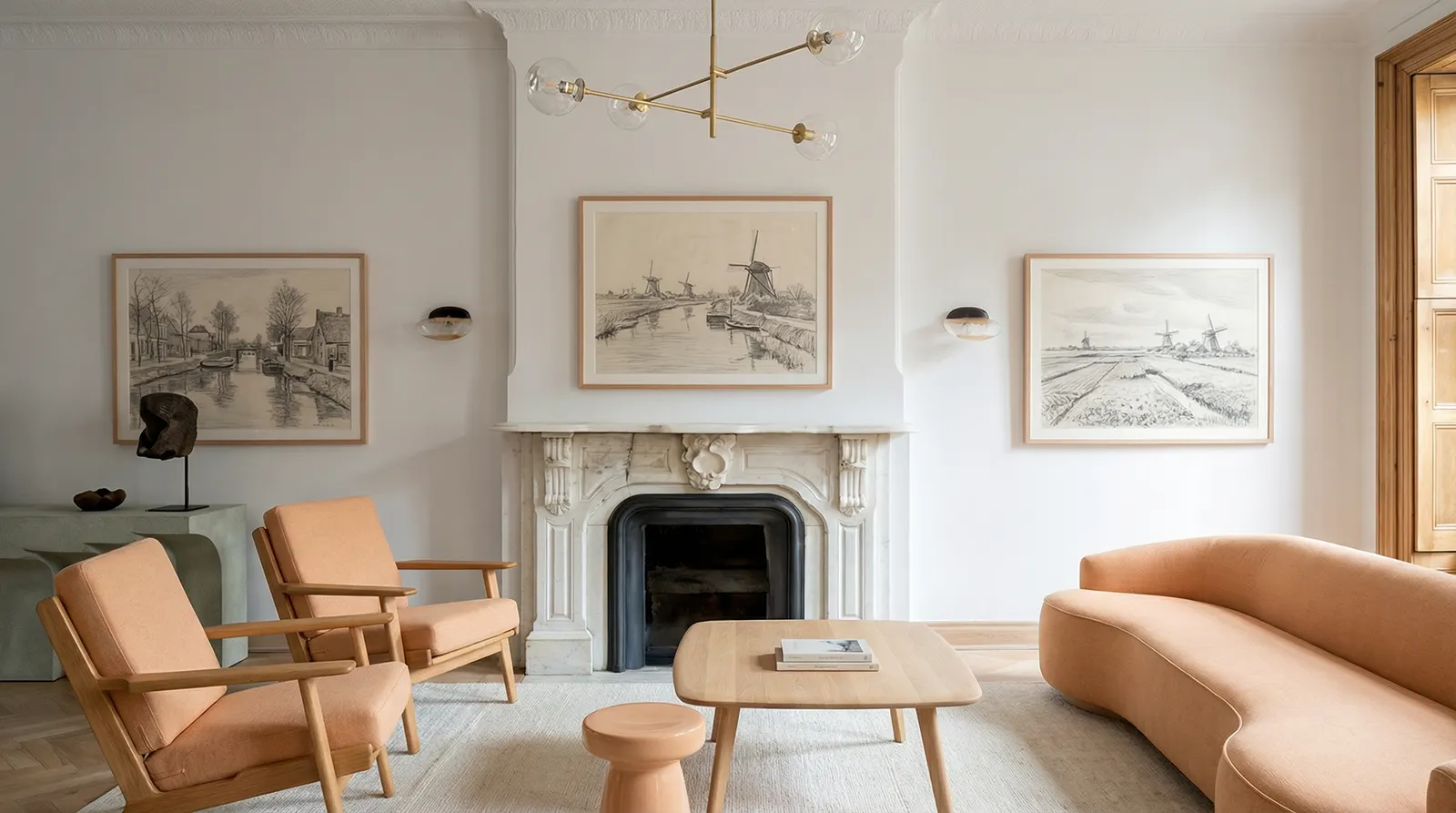
Dutch modern interior design is celebrated for its clean lines, functionality, and light-filled spaces. The good news? This minimalist ethos can be a perfect canvas for integrating cultural elements. The key is intentional fusion, not clash.
- Texture & Material as Storytellers: Use the Dutch love for high-quality, natural materials—think oak flooring or wool textiles—as a base. Layer this with handcrafted textiles, ceramics, or artisanal wood carvings from your heritage. A sleek, modern Dutch kitchen can beautifully display a collection of traditional cooking utensils as functional art.
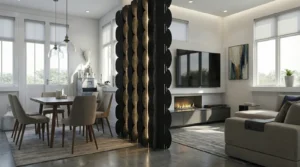
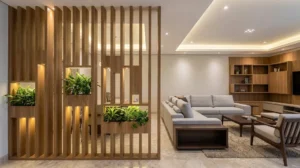
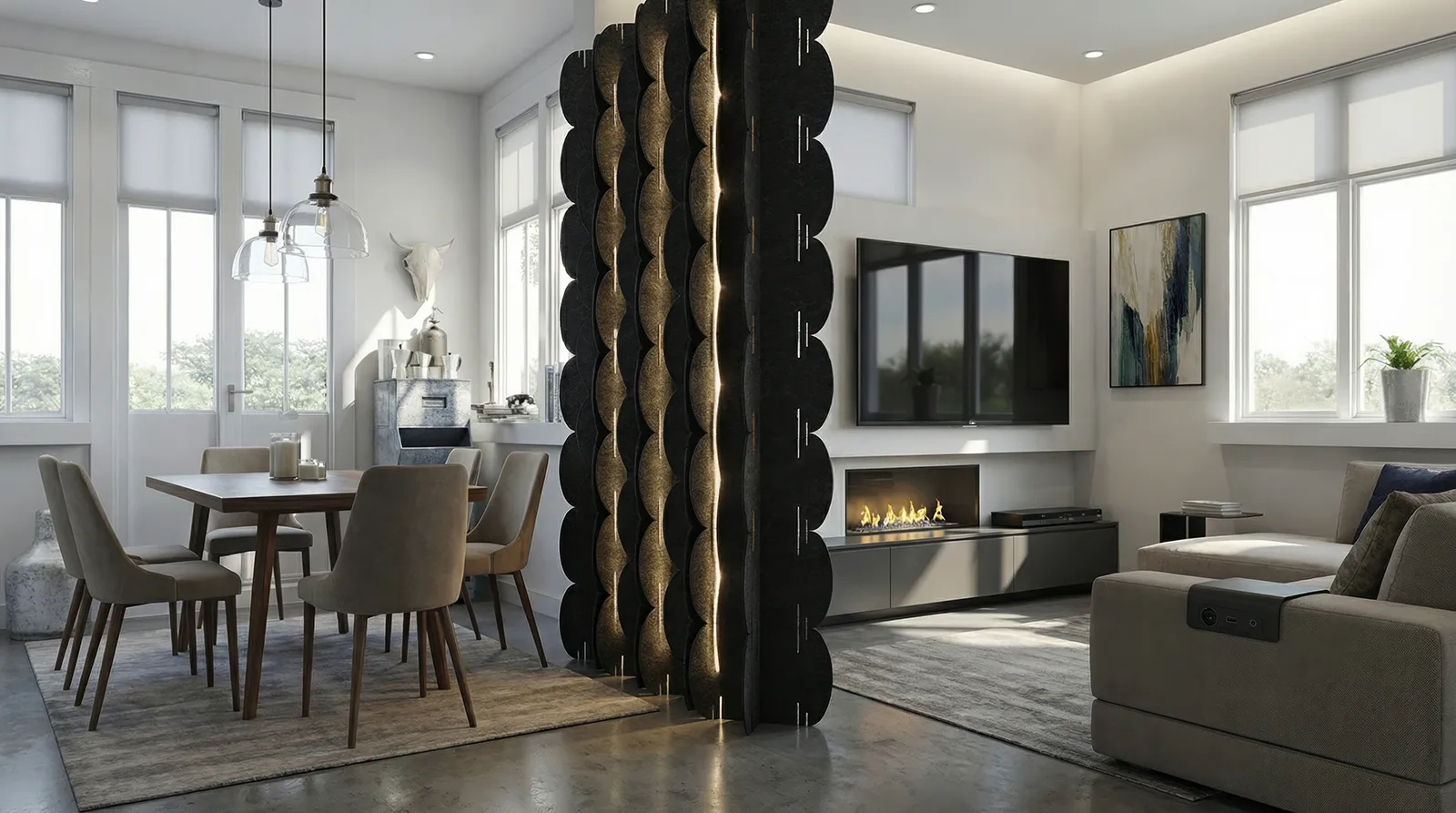
- Flexible Zones for Social Rituals: The open-plan Dutch living area can be cleverly zoned. Use a large, solid dining table (a common Dutch feature) as the heart for extended family meals. Define a quieter corner with lowered lighting and accessible seating for elders. Consider sliding or folding partitions to temporarily separate a space for prayers or meditation from the main living area.
- Colour with Meaning: Move beyond neutral palettes by introducing colours significant to your culture through movable elements—cushions, rugs, curtains, and artwork. This allows the Dutch architectural shell to remain calm and bright, while your identity is expressed in adaptable, personal layers.
Actionable Principles for Your Accessible Home Renovation
Turning philosophy into reality requires a strategic plan. Here is how to embed inclusive design into your renovation project in the Netherlands.
1. Spatial Planning: The Flow of Daily Life
This is the most critical phase. Think about how your family actually lives, not just how spaces are labelled on a plan.
- Enter Without Barriers: Advocate for at least one step-free entrance. This is crucial for prams, wheelchairs, aging relatives, and simply carrying groceries. In many municipalities, creating an accessible entrance can be part of your renovation permit application.
- Widen the Critical Paths: Ensure doorways to bathrooms, kitchens, and main living areas are at least 90 cm wide. This simple change future-proofs your home for mobility aids and makes moving furniture easier.
- Create a Flexible Ground Floor: If possible, include a room on the ground floor that could serve as a future bedroom. Even if used as a study or playroom now, ensuring it has nearby accessible bathroom potential is a prime example of “lifetime home” thinking.
2. The Heart of the Home: Kitchen & Bathroom
These hard-working rooms must balance universal functionality with cultural use.
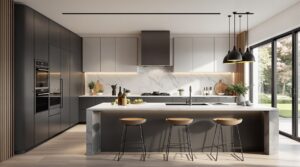
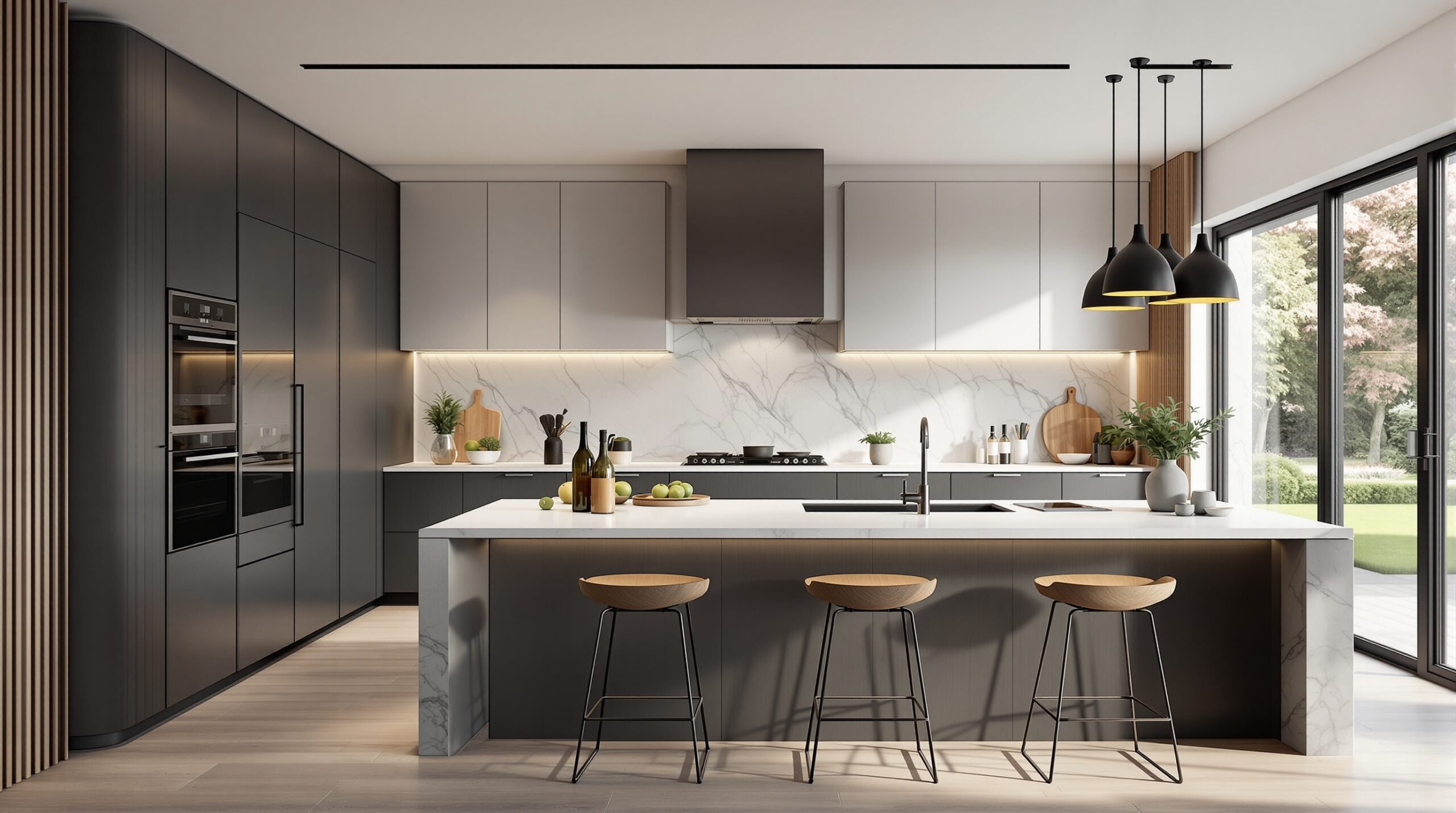
- Kitchen: Design countertops at multiple heights. A lower section is perfect for children to help with cooking or for someone seated to prepare food. Include strong extractor fans if your cuisine involves vigorous frying or steaming, meeting both cultural needs and Dutch ventilation standards. Pull-out shelving and drawers (standard in Dutch kitchens) provide easy access to pots and ingredients for everyone.
- Bathroom: Insist on a walk-in shower with a level or very low threshold. Install sturdy grab bars in the shower and near the toilet from the start—they can be designed to look like elegant towel rails. Consider thermostatic mixer taps to prevent scalding, a vital safety feature for children and elders.
3. Sensory & Cognitive Considerations
Inclusive design also addresses sight, sound, and clarity.
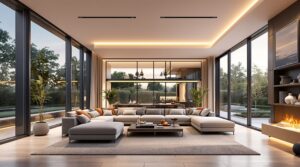
- Maximise Natural Light: The famous Dutch light boosts mood for everyone. Use large windows, skylights, and light wells where possible. Combine this with adjustable blinds for privacy and control.
- Control Acoustics: Soft furnishings, rugs, and acoustic panels can dampen noise in open-plan spaces, helping to reduce sensory overload and create calm zones.
- Clear Wayfinding: Use subtle changes in flooring texture, colour, or lighting to guide movement through the house, aiding both young children and visually impaired family members.
Navigating the Dutch Context: Practical Tips
Turning these ideas into a legally compliant, built reality in the Netherlands demands local expertise. Here is your essential checklist.
- Hire the Right Professional Alliance: This is paramount. You need an architect or design professional who is fluent not only in Dutch building codes (Bouwbesluit) but also in the principles of universal design. Look for someone who asks deep questions about your family’s lifestyle and long-term vision.
- Integrate Inclusion into Your Permit Application: When applying for your bouwvergunning (building permit), frame inclusive features like step-free access or wider doorways as essential for lifetime living. Some municipalities view this favourably as it aligns with broader social goals.
- Prioritise “Invisible” Adaptations First: Focus the core renovation budget on permanent, structural elements of inclusivity—the floor plan, door widths, bathroom and kitchen plumbing layout. Decorative and cultural elements can be added progressively over time.
- Communicate Your “Why” Clearly: With your architect, builder, and subcontractors, clearly explain the purpose behind each design request. When they understand it’s for a grandparent’s visit or a child’s independence, they are more likely to engage with creative solutions.
A Home That Truly Holds Your Story
The most profound modern interior design in the Netherlands today isn’t defined by a single colour or material forecast for 2026. It’s defined by empathy and foresight. For migrant families, an inclusive home renovation is a powerful statement. It says, “We are here, we belong, and our home is built to nurture every one of us.” By weaving universal design principles with the threads of your cultural identity, you create more than a stylish space. You build a resilient, adaptable, and deeply personal foundation for your family’s future in this new chapter of your lives. The result is a home that doesn’t just look good in a magazine—it feels right, for everyone, every day.