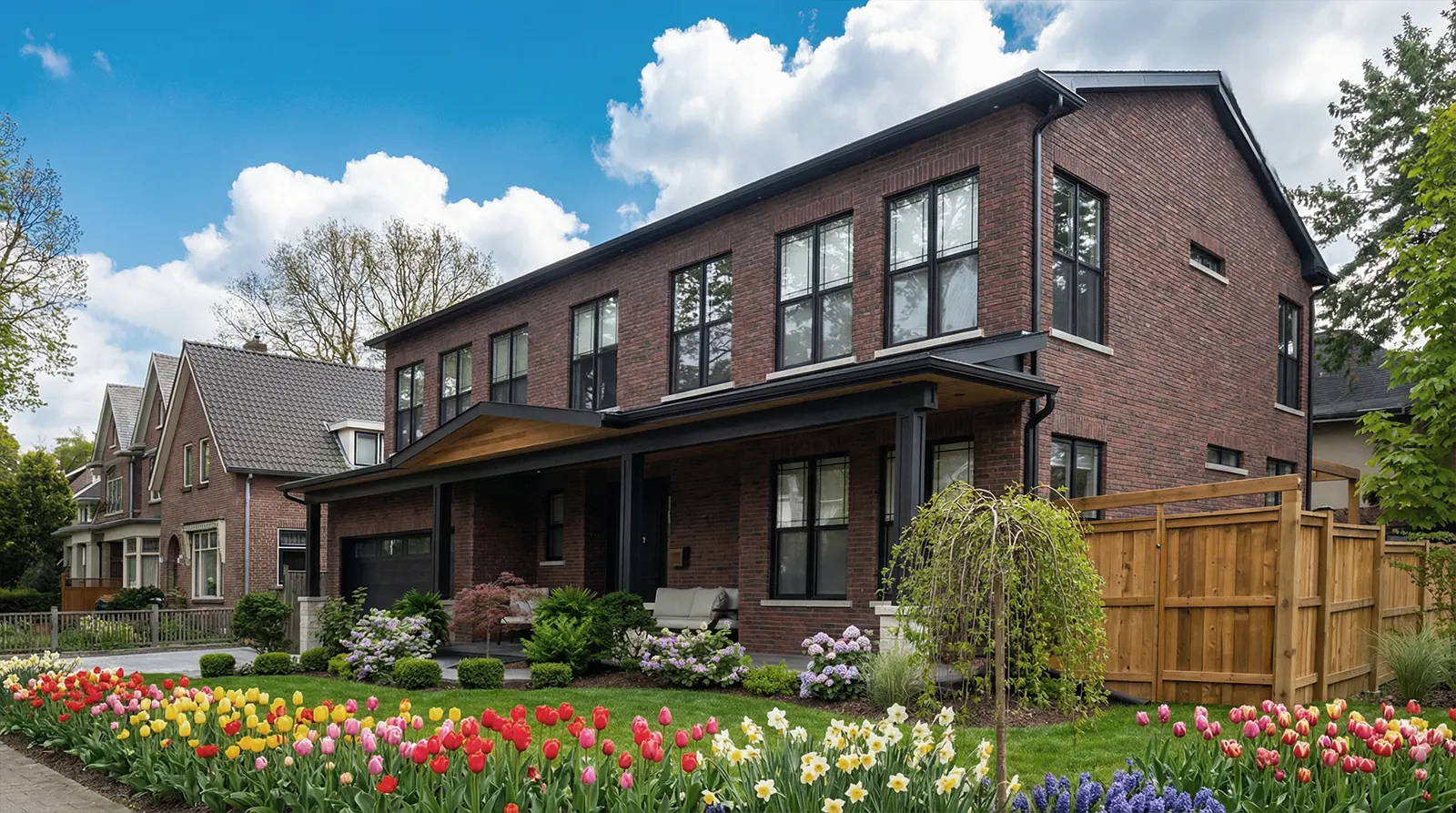
Modular Renovations: Fast Upgrades without Moving Out
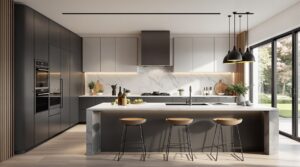
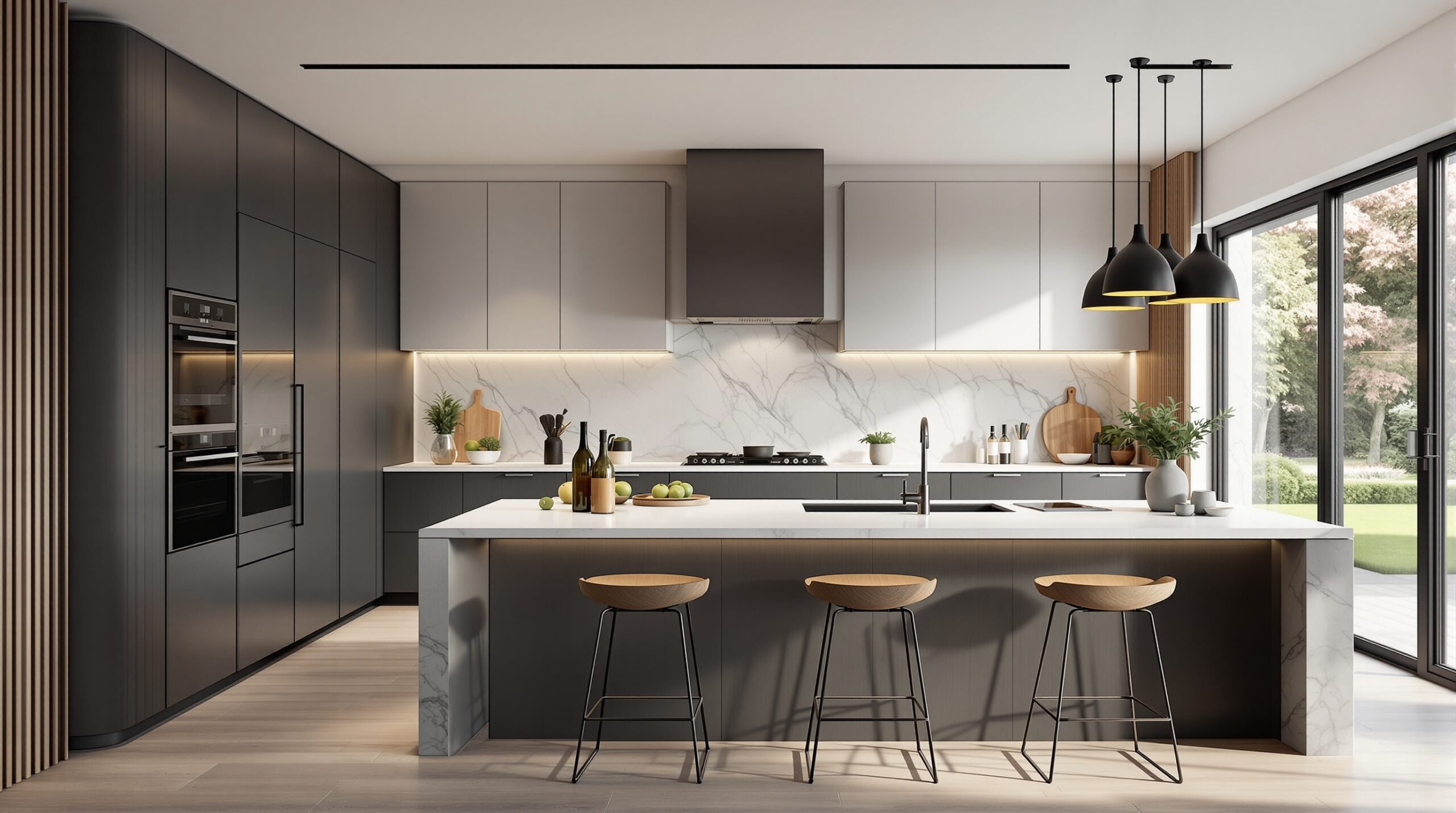
Imagine renovating your kitchen. Now, picture the demolition dust settling on every surface, the soundtrack of power tools echoing for weeks, and the profound inconvenience of living without a functioning heart of your home. For many in the Netherlands, this chaotic scene is the unavoidable prelude to a better living space. But what if you could have your new kitchen, bathroom, or even a full home extension delivered and installed with the speed and precision of a car rolling off an assembly line? This is the promise of modular renovation, a building revolution quietly transforming Dutch homes.
Across the country, from the bustling canals of Amsterdam to the newer suburbs of Utrecht, homeowners are seeking smarter ways to improve their properties. The drive for more space, better energy efficiency, and modern living is strong, but so is the desire to minimise disruption, cost, and stress. Modular construction, once the domain of large-scale commercial projects, is now being tailored for residential renovations. It offers a compelling alternative to traditional, messy building work. This approach isn’t about prefabricated, cookie-cutter homes; it’s about precision-made, customised components constructed in a factory and slotted seamlessly into your existing house.
Understanding the Basics: The Language of Modular Building
Before we explore how it works, let’s clarify some key terms that are central to the Dutch renovation landscape.
- Modulaire Bouw (Modular Construction): The process of constructing sections or “modules” of a building in a controlled factory setting. These modules are then transported to the site and assembled. For renovations, this could be a complete bathroom “pod,” a kitchen unit, or a wall section with pre-installed windows and insulation.
- Bouwvergunning (Building Permit): A crucial legal document issued by your local municipality (gemeente). It grants permission for construction or renovation work. A common misconception is that modular work doesn’t need a permit—this is false. Any structural change, extension, or major renovation in the Netherlands typically requires a bouwvergunning. The modular method may simplify the construction process, but the legal and planning stages remain essential.
- Prefab (Prefabricated): A broader term meaning any component made off-site before final assembly. Modular construction is a type of prefab, but one where entire volumetric sections are created.
- Sustainable Building Materials: A key driver in Dutch construction. This refers to materials with a low environmental impact, such as sustainably sourced timber, recycled steel, high-grade wool or cellulose insulation, and coatings with low VOC (Volatile Organic Compound) emissions. Modular construction inherently reduces waste at the site, aligning perfectly with this trend.
Why Choose Modular? The Compelling Benefits for Dutch Homeowners
So, what makes this method so attractive for a house extension in Amsterdam or a full renovation in Rotterdam?
Speed and Reduced Disruption
This is the most significant advantage. While the modules are being crafted in the factory, your daily life at home continues largely undisturbed. There’s no months-long period of builders tramping through your living room. The on-site phase is dramatically shorter—often just days or weeks for installation and finishing touches. It’s the difference between a lengthy hospital stay and keyhole surgery.
Predictable Quality and Cost
Building in a factory eliminates the variables of weather. Materials are stored correctly, and work is done by specialists in an optimized environment. This leads to consistently high quality and tighter tolerances (think perfectly aligned walls and doors). Furthermore, because so much is planned and priced upfront, the risk of unexpected cost overruns due to delays or material issues on-site is greatly reduced. You get a clearer, more reliable budget from the start.
Inherent Sustainability
The Netherlands has ambitious environmental goals, and the construction sector is a major focus. Modular building is a natural ally. Factory production means material waste is minimised and can be systematically recycled. The energy efficiency of the modules can be optimised during construction, often exceeding standard building regulations. For the eco-conscious homeowner, this method offers a tangible way to reduce the carbon footprint of their renovation.
The Modular Renovation Process: From Dream to Reality
How does it actually happen? The process is a blend of high-tech design and meticulous planning.
- Consultation and Design: It all starts with a detailed conversation with your architect and modular builder. They will assess your needs, your existing property, and the feasibility of the project. Using advanced 3D modelling software, they will design the new modules to fit your home perfectly.
- Planning and Permits: Your project team will handle the application for the bouwvergunning, submitting the precise modular plans. This stage can’t be rushed, as municipal approval is mandatory.
- Factory Construction: Once approved, production begins. In the factory, your new space takes shape. Wiring, plumbing, insulation, and even tiling can be completed in the modules. Walls are built, windows are installed—all in parallel, under one roof.
- Site Preparation and Installation: While the modules are being built, minimal preparatory work happens at your home. On installation day, the modules are transported and carefully craned into position. The connection to your existing house—the most critical step—is made by skilled professionals.
- Finishing and Handover: The final connections for utilities are made, and any remaining site-specific finishes are applied. The result is a remarkably fast transition from old to new.
Modern Renovation Ideas Enabled by Modular Methods
This approach isn’t just for simple boxes. It enables some of the most sought-after modern renovation ideas.
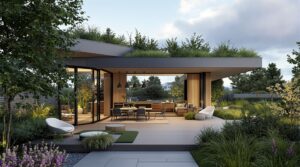
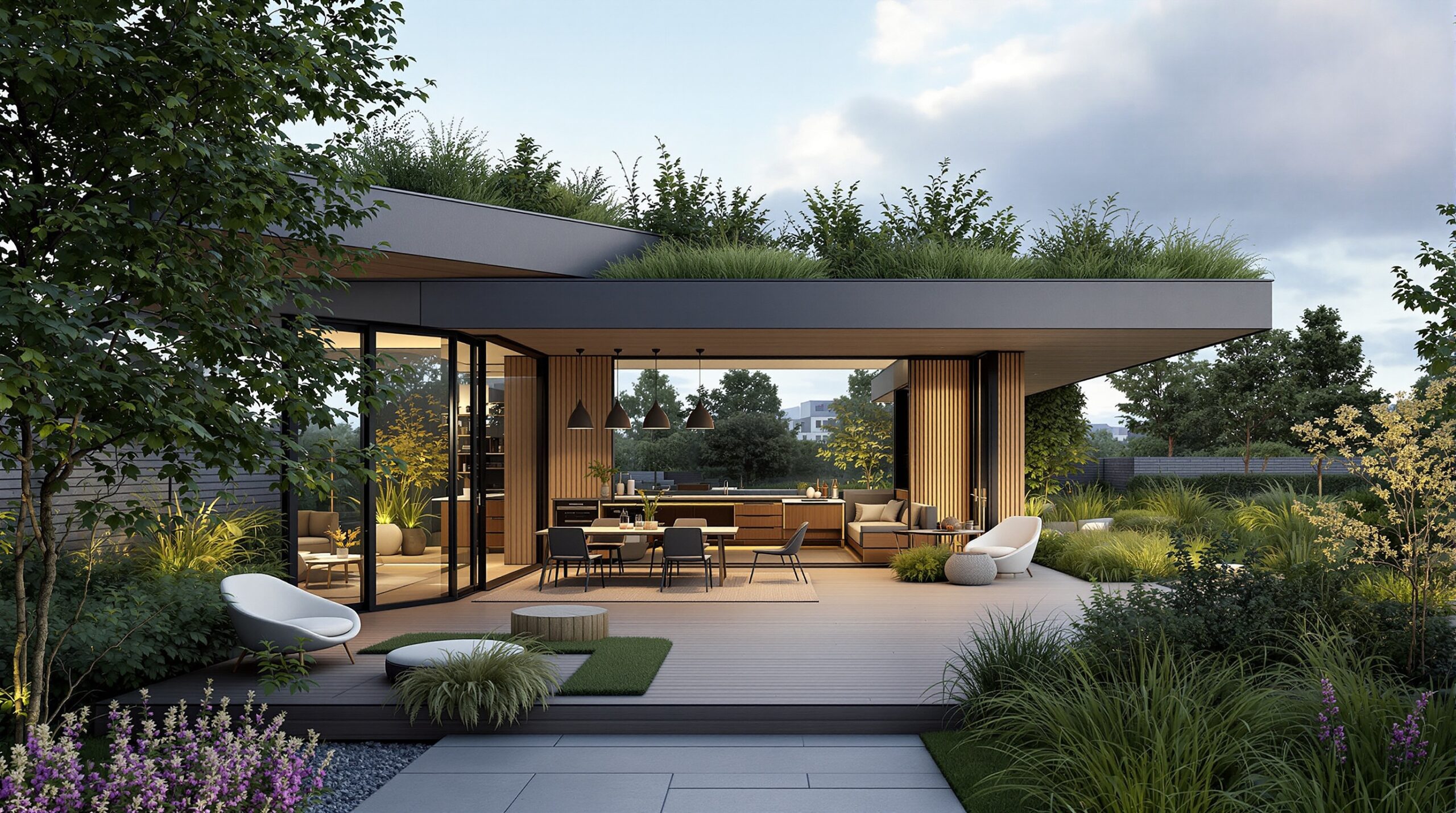
- The Seamless Rear Extension: A classic Dutch terrace house can gain a light-filled, open-plan kitchen-diner at the back. A modular glass-box extension can be manufactured and installed quickly, creating a bright new living space that blurs the line between inside and out.
- The Luxe Bathroom Pod: Dreaming of a spa-like bathroom? A complete, fully tiled and plumbed bathroom module can be installed in a matter of days, turning a major, disruptive project into a swift upgrade.
- The Roof-Top Home Office: With space at a premium, building upwards is a common solution. A modular dormer or a full mansard roof conversion can be constructed off-site and lifted into place, minimising the time your roof is exposed to the elements.
Navigating Rules and Making It Work For You
Even the most efficient method must work within the Dutch regulatory framework. The need for a bouwvergunning is non-negotiable for most projects. A good modular builder will have extensive experience navigating these rules and will factor the approval timeline into your project plan. Furthermore, you must ensure the company you choose adheres to the strict Dutch building codes (Bouwbesluit), which cover everything from structural safety to energy performance and fire safety. This is a key reason why professional guidance is indispensable.
Practical Tips for Your Modular Renovation Journey
If you’re considering this path for your home renovation in the Netherlands, these steps will help you succeed.
- Start with a professional assessment. Hire an architect or a specialised modular renovation consultant to evaluate your home’s suitability. Not every property or design is ideal for this method.
- Research and select your team early. Look for builders with proven expertise in modulaire bouw for residential projects. Check their portfolio and ask for client references.
- Integrate your vision with technical reality. Use the 3D design phase proactively. This is your chance to visualise every detail, from plug sockets to light fittings, before anything is built.
- Plan your life around the installation. While disruption is short, the actual installation day(s) will be intensive. Plan to be away from home during the crane and major connection work.
- Embrace the philosophy. Understand that this method requires decisions to be made earlier in the process. The reward is speed, quality, and a much smoother experience.
The New Shape of Home Improvement
The modular approach to renovation represents a significant shift in how we think about improving our homes. It moves construction from a craft performed in the unpredictable outdoors to a precision engineering process conducted in a controlled environment. For Dutch homeowners, it answers a clear need: the desire for significant, high-quality home improvements without the traditional saga of dust, delay, and daily inconvenience.
While it requires upfront planning and investment in professional design, the payoff is a renovation that feels almost revolutionary in its efficiency. As the demand for sustainable, fast, and less intrusive building methods grows, modular renovations are poised to move from an innovative alternative to a mainstream choice for creating the modern, functional, and beautiful Dutch home.