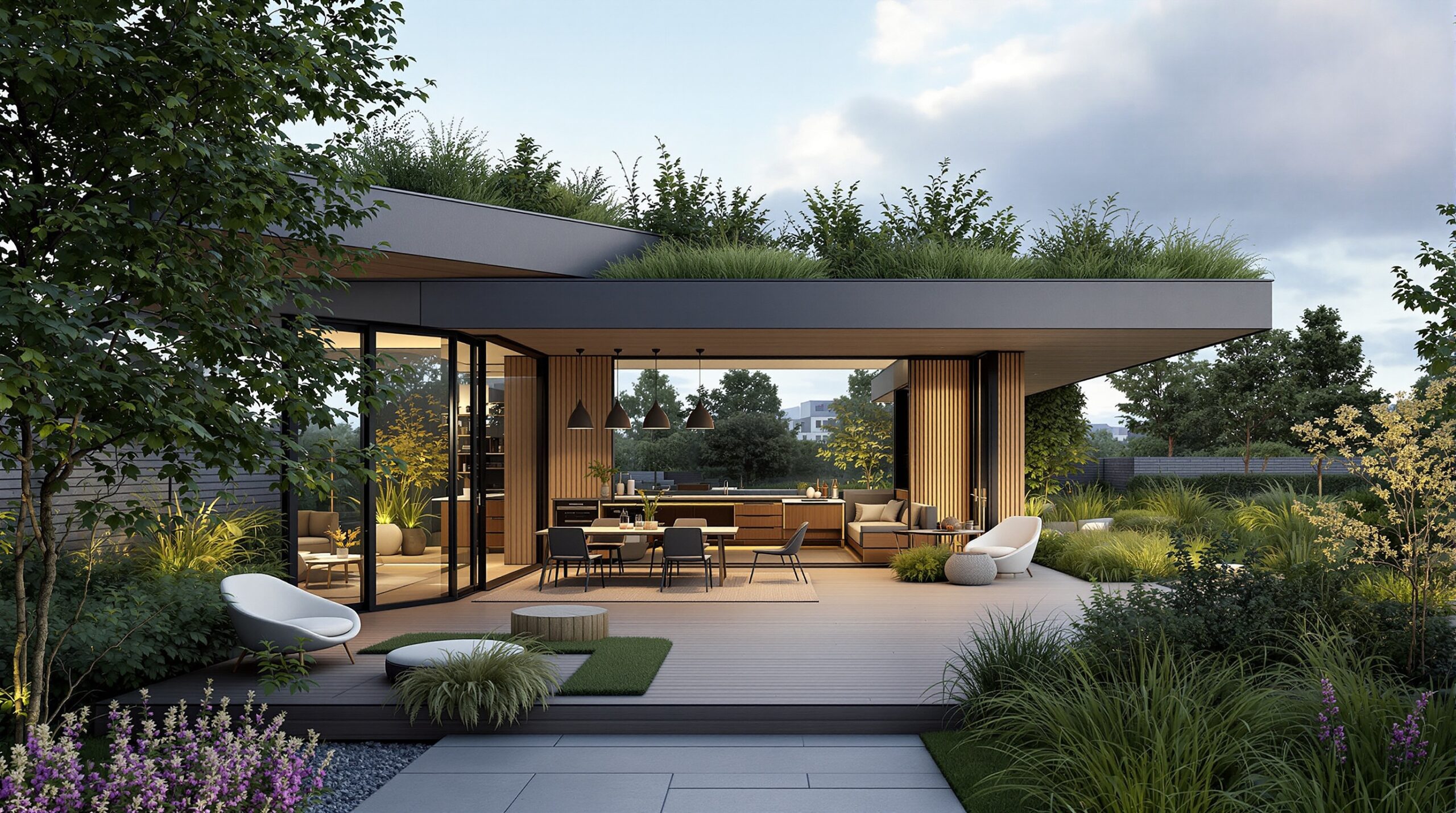
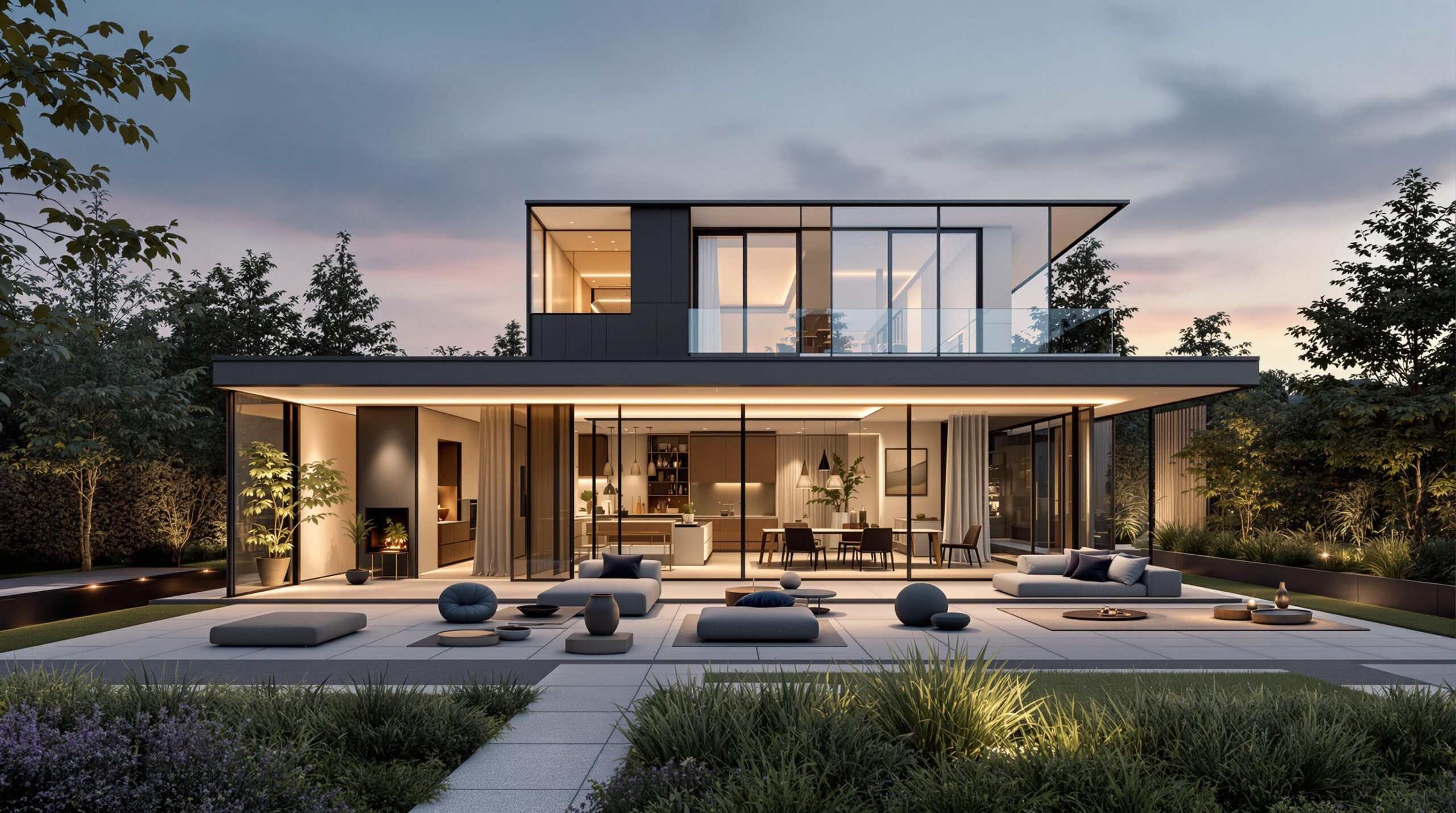
Neo-Brutalism in Dutch Homes: Where Concrete Meets Warm Wood
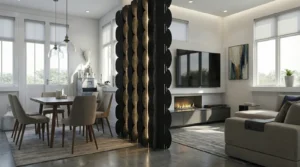
Imagine the raw, unadorned honesty of a concrete wall. Now, picture it in a sun-drenched Dutch living room, softened by the rich grain of a solid oak dining table and the gentle texture of a woven rug. This is not a forgotten industrial space; it’s a deliberate, sophisticated, and surprisingly cosy home. Across the Netherlands, a compelling design evolution is taking root in renovations and extensions. It’s called Neo-Brutalism, and it’s redefining modern Dutch living by masterfully balancing the bold with the intimate. But what does this striking trend mean for your home upgrade plans in 2025, and how can you incorporate its principles without your house feeling cold or austere?
The Core Philosophy: Honesty and Contrast
To understand Neo-Brutalism, we first need to look back. The original Brutalist architecture of the mid-20th century celebrated raw construction materials—primarily concrete—in their most basic form. It was monumental, often imposing, and made no attempt to hide how a building was made. Today’s Neo-Brutalism inherits this love for “truth to materials” but tempers it with a Dutch sensibility for warmth, liveability, and craftsmanship. The “Neo” is all about context and balance.
The central idea is contrast. It’s the tactile dialogue between hard and soft, cool and warm, massive and delicate. In a Dutch setting, this often translates to pairing in-situ concrete (poured on-site) or exposed concrete blockwork with rich, natural wood. The concrete provides a serene, neutral, and incredibly durable backdrop. The wood—whether used for cabinetry, flooring, or structural beams—injects life, history, and organic warmth. This isn’t just an aesthetic choice; it’s a sensory experience that makes a space feel grounded and authentic.
Key Dutch-Specific Terms for Your Renovation
Before you get inspired, it’s crucial to understand the local landscape. A successful project in the Netherlands hinges on its rules.
- Bouwvergunning (Building Permit): The non-negotiable official permission from your municipality. Exposing structural concrete or altering a building’s facade often requires one.
- Welstandstoetsing (Aesthetic Review): A municipal assessment ensuring your design fits the area’s character. A Neo-Brutalist extension in a historic canal belt will face more scrutiny than one in a newer area.
- BEN (Bijna Energie Neutraal / Almost Energy Neutral): The strict energy performance standard for all new builds and major renovations. Your concrete-and-glass extension must comply.
Translating the Trend into Your Dutch Home
So, how do you bring this striking trend into a typical Dutch terraced house, apartment, or farmhouse? The application is all about intentional moments, not covering every surface in grey.
1. The Dramatic yet Functional Extension
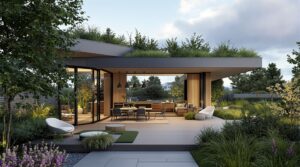
Many Dutch homeowners are solving space constraints by building outwards. A Neo-Brutalist extension becomes a modern “jewel box” added to the existing structure. Think of a rear extension with:
- A floor-to-ceiling wall of poured concrete, left with the imprint of its wooden formwork.
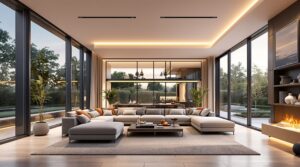
- Vast, black-framed glazing that seamlessly connects the interior garden.
- A ceiling of exposed laminated timber beams, both structural and beautiful.
- Underfloor heating to counteract the cool touch of a polished concrete floor.
This creates a light-filled, robust living space that feels both expansive and intimately connected to the materials.
2. The Complete Interior Renovation: Sculpting Space
For those not extending, a full renovation can sculpt new drama from within. Key interventions include:
- Strategic Exposure: Carefully uncover a structural concrete column or a section of the original brick party wall. This acts as an anchor point in an open-plan living area.
- Material Layering: Install wide-plank smoked oak flooring against a textured plaster wall that mimics concrete. The interplay of tones and textures is key.
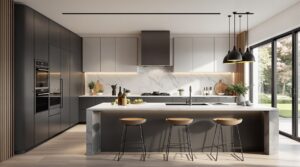
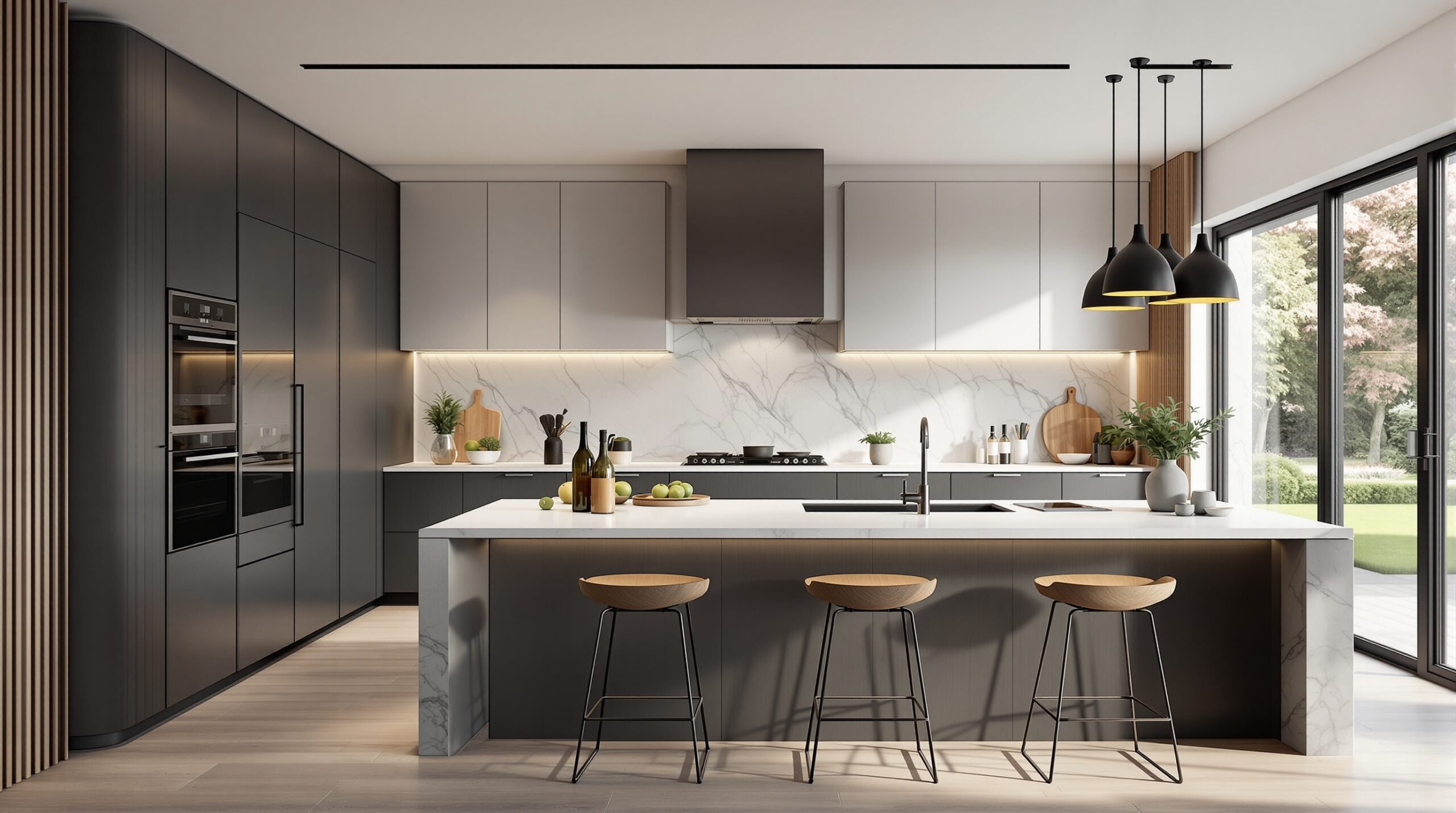
- Integrated Furniture: Design bespoke, monolithic-looking kitchen islands from composite stone or stained concrete, juxtaposed with full-height cabinetry in warm walnut.
3. Sustainable Material Choices: A Natural Fit
This trend aligns powerfully with 2025’s focus on sustainability. Concrete, when used responsibly, has exceptional longevity and thermal mass, helping to regulate indoor temperatures. When paired with sustainably sourced wood—like certified oak, ash, or walnut—the combination speaks to a durable, low-waste philosophy. Furthermore, integrating high-performance insulation and triple glazing into these robust walls and openings is essential to meet Dutch BEN standards, making the home not only stunning but also energy-frugal.
Practical Tips for Your Neo-Brutalist Project
Turning this vision into reality requires careful planning. These steps are critical for success in the Netherlands.
- Assemble Your Professional Team Early. This is not a DIY trend. You need an architect who understands structural poetry, a contractor skilled in high-quality concrete work, and an advisor familiar with energy regulations (BENG). Their expertise is your greatest asset.
- Navigate the Bouwvergunning with a Strong Design. Your architect should prepare a compelling application that explains how the design respects its context, even if the style is bold. Be prepared for the welstandstoetsing dialogue.
- Invest in the Details. The beauty lies in execution. The finish of the concrete, the jointing of the wood, the precision of the window fittings—these details make the difference between raw and refined.
- Balance with Softening Elements. Counter the hard materials with deep, comfortable upholstery, oversized linen curtains, and vibrant greenery. Lighting should be warm and indirect to create pools of cosiness.
- Plan for the Long Term. Choose materials for their durability and timeless appeal. A well-executed Neo-Brutalist space is designed to age gracefully, acquiring character over decades.
A Statement for Modern Dutch Living
The rise of Neo-Brutalism in Dutch homes is more than a passing style. It reflects a desire for authenticity, resilience, and a deep connection to the physical substance of our living spaces. It proves that strength and softness, the industrial and the artisanal, can coexist to create environments that are both powerful and profoundly welcoming. For the 2025 renovator, it offers a bold path to a timeless home—a sanctuary built on honest materials and thoughtful contrast, perfectly suited to the Dutch landscape of light, space, and pragmatic beauty.