Renovating Micro-Homes: Solutions for Urban Density
For many in the Netherlands, especially within the vibrant, bustling cities like Amsterdam, Haarlem, or Utrecht, the dream of homeownership often comes in a compact package. We’re talking about micro-homes, those clever constellations of efficiency that make urban living possible. But what happens when these miniature marvels start to feel… well, a little too miniature? Or perhaps they simply yearn for a modern touch, a whisper of sustainability, or a clever trick to coax more functionality from their modest footprint? This article isn’t just about painting walls; it’s about rethinking space and transforming compact dwellings into sophisticated, efficient havens. We’ll explore the unique challenges and exhilarating opportunities of renovating small Dutch homes, diving into everything from clever design to essential regulations.
Basic Concepts: Understanding Dutch Renovation Speak
Before any hammer swings or design sketches unroll, it’s vital to grasp a few Dutch renovation essentials. These aren’t just bureaucratic hurdles; they’re the foundational rules that shape what you can and can’t do, especially within the confines of a smaller urban property.
- Vergunning (Permit): This is your golden ticket. For anything beyond superficial changes – think structural alterations, adding significant insulation, or extending even a tiny bit – you’ll likely need a bouwvergunning. Don’t skip this. Ignoring it can lead to hefty fines and demands to reverse the work.
- Bestemmingsplan (Zoning Plan): Every piece of land in the Netherlands has a bestemmingsplan, a municipal document dictating what can be built, how high, and for what purpose. For small homes, this is critical, especially if you fantasise about an extra storey or a significant extension. It often dictates the maximum buildable area or height, paramount for space-saving apartment ideas.
- Bouwbesluit (Building Decree): This national regulation outlines technical requirements for safety, health, usability, energy efficiency, and environmental performance of buildings. It’s the technical bible that ensures your renovated micro-home is safe, sound, and meets current standards for things like ventilation, insulation, and fire safety.
- Monumentenzorg (Heritage Protection): If your charming, compact home happens to be a “rijksmonument” or “gemeentelijk monument,” prepare for an extra layer of rules. Changes must often preserve historical integrity, which can impact material choices and design flexibility, particularly in historic city centres renowned for their unique architecture.
Main Sections: The Art and Science of Small Home Renovation
Renovating a micro-home isn’t just about scaling down big ideas; it’s about reinventing them entirely. It demands creativity, intelligent material choices, and a deep understanding of how space genuinely functions. This is where your small Dutch home can truly shine.
Maximising Every Cubic Metre: The Micro-Extension
When horizontal expansion is impossible, what then? The answer often lies upwards or subtly outwards. A tiny kitchen addition, a dormer that opens up an attic, or even a clever conservatory can transform a cramped space. For an house extension Amsterdam apartment, this is often the most viable path.
- Dormers (Dakkapellen): A classic Dutch solution, a dormer addition can turn a dark, unused attic into a bright bedroom or home office. It’s an extension in miniature, often requiring a bouwvergunning, but offering disproportionate gains in living space and natural light.
- Light Wells and Voids: Sometimes, adding space isn’t about building outwards, but about creating an illusion. Introducing a small internal void or a light well can draw natural light deeper into a compact floor plan, making a space feel larger and more open than its square footage suggests.
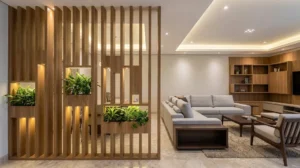
- Clever Storage Integration: This isn’t extra space, but it feels like it. Built-in storage that disappears into walls, under stairs, or into custom furniture pieces is crucial for small homes. Think vertical libraries, platform beds with integrated drawers, or even pull-out pantry systems.
The Complete Micro-Renovation: Redefining Functionality
A complete overhaul of a small space presents an incredible opportunity to rethink flow, create flexibility, and bake in efficiency from the ground up. This involves a professional assessment of the entire property, from foundation to roof, to understand its potential.
- Open-Plan Living (with caveats): While open plans are popular, for micro-homes, a completely open layout can sometimes feel cluttered. Professionals often design flexible spaces using sliding doors, hidden wall panels, or multi-functional furniture to create distinct zones when needed, but allow for an open feel otherwise.
- Verticality is Your Friend: In small Dutch homes, walls aren’t just for hanging art; they are prime real estate. Think about vertical gardens, wall-mounted desks, or even Murphy beds that fold away, transforming a living room into a bedroom in moments. Smart, compact homes often employ these space-saving apartment ideas.
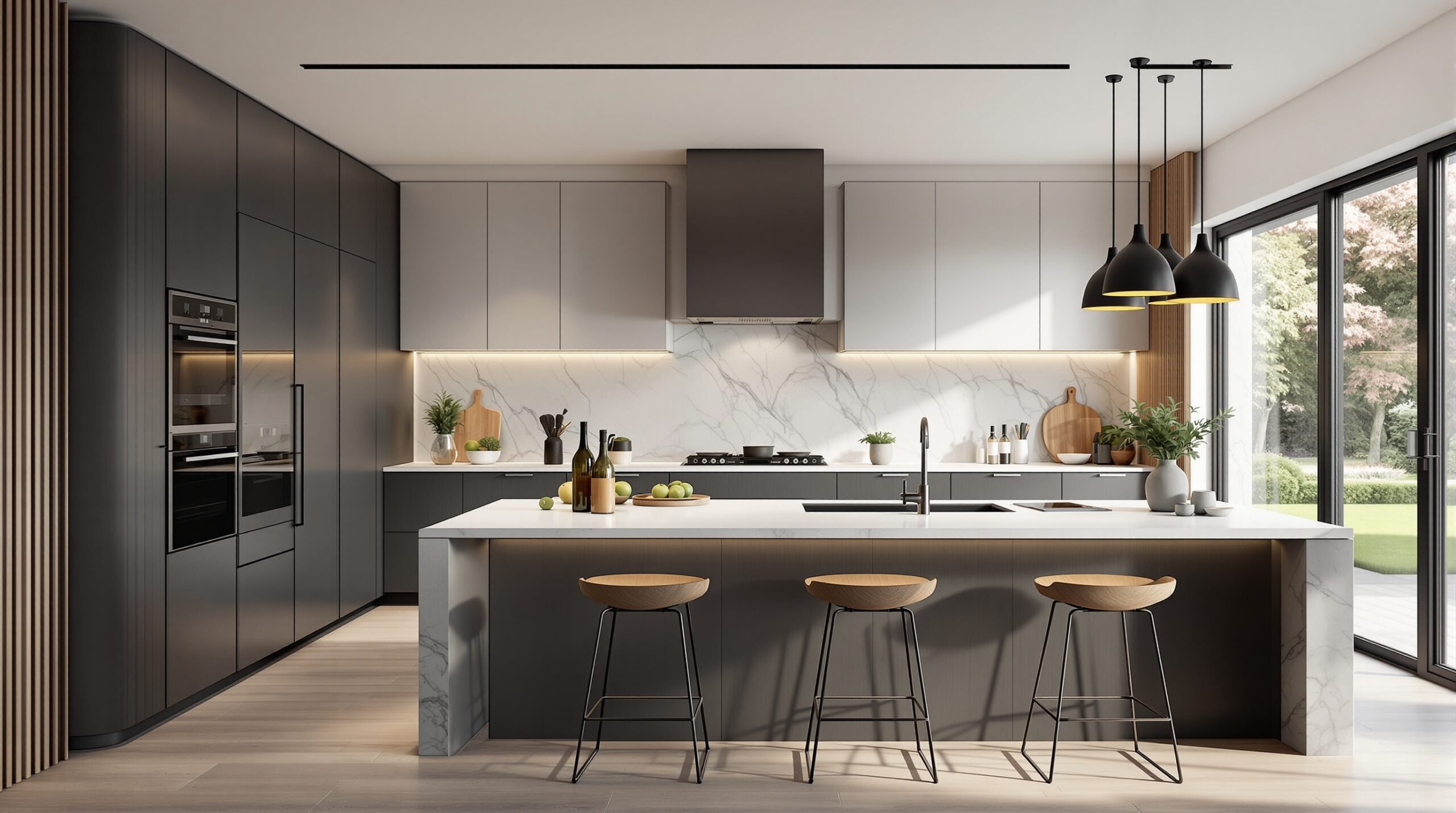
- Kitchens and Bathrooms: These are often the most complex and expensive areas to renovate per square metre. For micro-homes, bespoke solutions are common. Compact appliances, integrated faucets, and smart storage are critical. For bathrooms, wet rooms that combine shower and toilet spaces are a practical choice, maximising limited floor area.
Material Matters: Sustainable and Space-Conscious Choices
The materials you choose for your small home renovation aren’t just about aesthetics; they’re about performance, durability, and impact. For compact living, every material choice has a magnified effect.
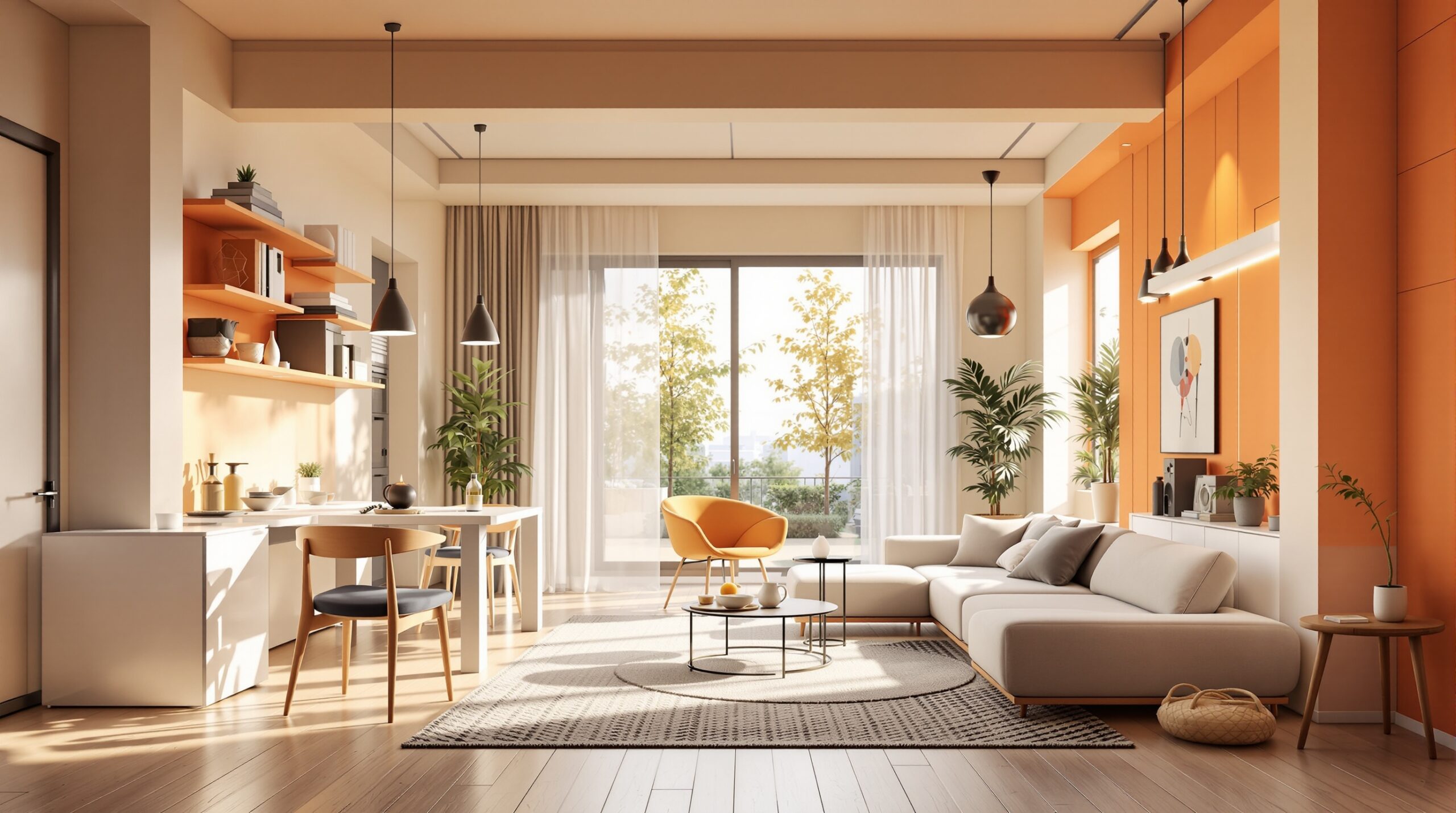
- Light and Reflective Surfaces: In micro-homes, light colours and reflective surfaces (like mirrors cleverly placed) can dramatically enhance the perception of space and brightness. Matt finishes can absorb light, making a small room feel even smaller.
- Sustainable Building Materials: The Netherlands is a leader in sustainable construction. For your renovation, consider materials with a low environmental footprint:
- Recycled and Reclaimed Wood: For flooring, built-ins, or accent walls, reclaimed wood adds character and reduces demand for new timber.
- Natural Insulation: Materials like hemp, sheep’s wool, or cellulose are excellent alternatives to synthetic insulation, offering good thermal performance and breathability. Improved insulation, especially important in older Dutch homes, contributes to lower energy bills and a more comfortable indoor climate. This is a crucial aspect of overall house renovation Netherlands projects.
- Low-VOC Paints: Volatile Organic Compounds (VOCs) in paints can impact indoor air quality. Opt for low-VOC or zero-VOC paints to maintain a healthier environment, especially important in compact spaces where ventilation might be less robust.
- Compact, Multi-functional Furniture: While not a building material, the furniture itself serves as a critical component in micro-home design. Built-in, custom-designed pieces that serve multiple purposes (e.g., a bench that’s also storage) are invaluable.
- Durable, Low-Maintenance Options: In a small home, surfaces get more interaction. Choosing durable materials like porcelain tiles, engineered wood, or high-quality laminates for high-traffic areas means less worry about wear and tear.
Energy Efficiency: A Micro-Home Must-Have
For small homes, every effort towards energy efficiency pays dividends. The Dutch government often incentivises these upgrades, and lower utility bills are a perpetual bonus.
- Insulation, Insulation, Insulation: This cannot be overstated. Upgrading wall, floor, and roof insulation is foundational for an energy-efficient home. Older Dutch dwellings often have minimal or outdated insulation.
- High-Efficiency Windows: Double or triple-glazed windows significantly reduce heat loss and improve sound insulation, a valuable asset in dense urban environments.
- Smart Ventilation: Heat recovery ventilation (HRV) systems can provide fresh air while retaining heat, essential for well-insulated, airtight small homes to prevent damp and maintain air quality.
- Renewable Energy Solutions: While large solar arrays might be out of reach for a micro-home with limited roof space, even a few solar panels or an air-source heat pump can significantly reduce your carbon footprint and energy costs.
Practical Tips for Your Dutch Micro-Renovation
Ready to embark on this exciting journey? Here are actionable steps to ensure your renovation is successful, efficient, and tailored to the unique demands of a small Dutch home.
- Hire an Architect or Interior Designer Specialising in Small Spaces: This is non-negotiable. Professionals with expertise in compact design can see opportunities you might miss, understand complex regulations, and provide innovative solutions for space-saving apartment ideas. Their expertise is invaluable.
- Obtain Professional Quotes and Create a Detailed Budget: Always get multiple detailed quotes from licensed contractors. Account for contingency funds (10-20% of the total budget) for unexpected issues, which are common in renovations, especially in older properties.
- Prioritise Functionality Over Everything Else: In a micro-home, aesthetics are important, but functionality is paramount. Every design decision should ask: “Does this enhance or detract from the practical use of this limited space?”
- Understand the Bouwvergunning Process Early: Consult your municipality’s building department (gemeente) or have your architect handle permit applications. A delay here can derail your entire project.
- Consider Sustainability from the Outset: Integrate energy-saving measures and eco-friendly materials into your plan from day one. This proactive approach ensures a greener, more cost-effective home in the long run.
- Visit Showrooms for Compact Solutions: Explore kitchen and bathroom showrooms that specialise in small footprints. You’ll be surprised at the ingenious compact appliances and fixtures available.
- Plan for Construction Logistics: Renovating in dense urban areas like Amsterdam can be challenging. Think about where materials will be stored, where waste will go, and how noise might impact neighbours. Your contractor should manage these aspects, but understanding them helps.
- Seek Professional Electrical and Plumbing Assessments: Older Dutch homes often have outdated systems. An upgrade ensures safety, reliability, and can support modern appliances, especially when considering a complete house renovation.
Conclusion
Renovating a micro-home in the Netherlands is far more than an aesthetic upgrade; it’s an intelligent investment in quality of life, sustainability, and urban living. By embracing clever design, understanding local regulations like the bouwvergunning, making smart material choices, and unequivocally engaging skilled professionals, your compact dwelling can become a testament to efficient, beautiful living. It’s about transforming limitations into unique opportunities, proving that even the smallest footprints can hold grand aspirations. The future of Dutch urban living is not about how big your home is, but how ingeniously it’s designed and renovated to serve your life.