Renovating Rental Properties: Comfort and ROI
What if improving your tenant’s quality of life could also significantly boost your investment’s bottom line? In the dynamic Dutch housing market, renovating a rental property is no longer a simple choice between basic upkeep and luxury upgrades. It’s a strategic calculation. For property owners in the Netherlands, the renovation equation has two crucial variables: increasing tenant comfort and securing a strong Return on Investment (ROI). This article explores how to solve for both, transforming a property into a modern, desirable home that commands a premium, while navigating the unique landscape of Dutch regulations and 2026’s emerging trends.
The Dutch Landscape: Key Concepts for Owners
Before swinging a hammer, understanding the local lexicon is vital. The Dutch property system has specific terms that directly impact renovation decisions and profitability.
- WOZ-waarde: The official municipal property valuation. Significant home improvements, like an extension or a complete energy overhaul, can increase your WOZ-waarde, which influences local taxes and can enhance the property’s sale value.
- Energielabel (Energy Label): This A-to-G rating is a public record of a home’s energy efficiency. It’s a powerful magnet for tenants. A label of C or better is increasingly the baseline expectation, and achieving an A or B can be a major selling point, allowing for higher rent and future-proofing your asset against tightening regulations.
- Bouwbesluit (Building Decree): The bible of Dutch construction. Any structural change, from replacing windows to reconfiguring walls, must comply with these technical rules covering safety, health, sustainability, and usability. Non-compliance isn’t an option.
- Verhuurdersheffing (Landlord Levy): A tax on the value of rental property boxes. While renovations don’t directly change this levy, increasing the property’s value and rental income strengthens your overall financial position against such costs.
Striking the Balance: Comfort as an Investment Strategy
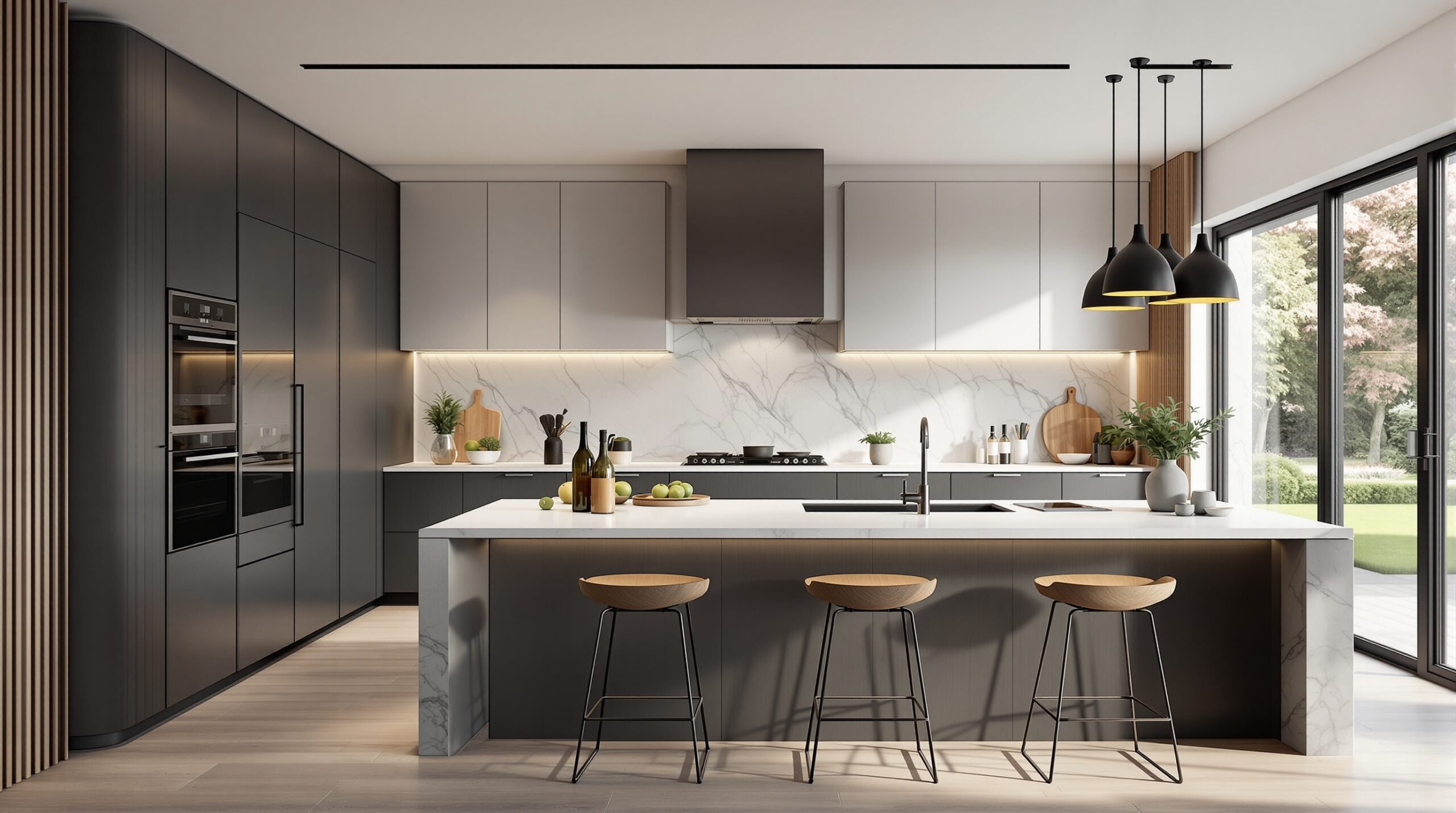
Gone are the days of the spartan rental. Today’s tenants seek a modern Dutch living space—a home, not just a house. Investing in comfort is not charity; it’s a shrewd business move. A comfortable, well-maintained property attracts and retains reliable, long-term tenants, reducing vacancy periods and turnover costs. Think of it like this: a modern kitchen isn’t just an appliance upgrade; it’s the engine room of a happy home, and tenants are willing to pay more for that feeling.
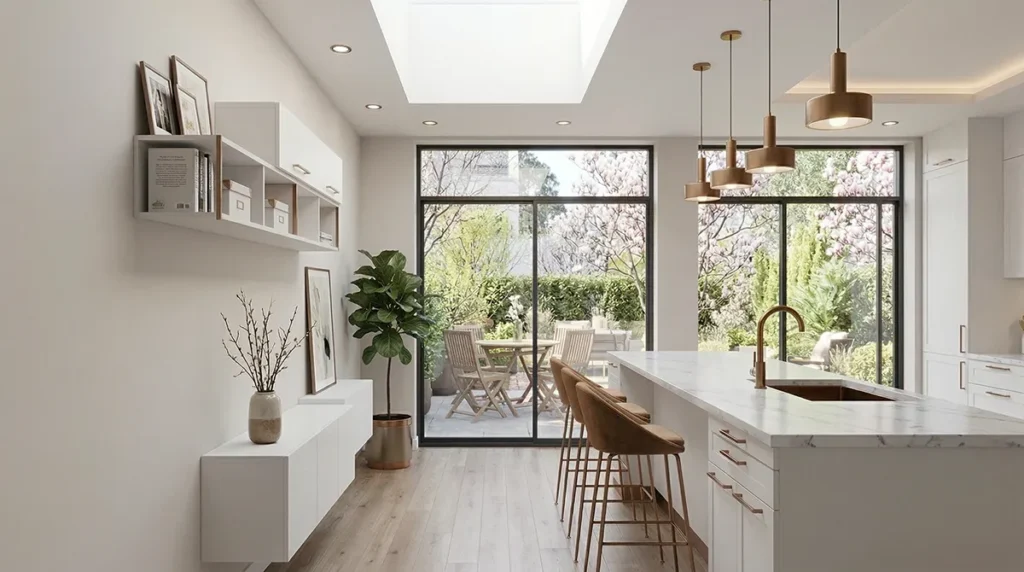
The most effective upgrades often lie at the intersection of comfort, efficiency, and regulation. Installing high-efficiency HR++ glazing, for instance, reduces draughts and noise (comfort), slashes energy bills (a huge tenant priority), and improves the energielabel (increasing asset value). It’s a single change with a triple return.
The 2026 Horizon: Renovation Trends Shaping the Market
Looking ahead, several 2026 renovation trends are crystallising, driven by technology, sustainability, and shifting lifestyles.
- Electrification and the All-Electric Home: With the national shift away from natural gas, renovations will focus on installing hybrid or fully electric heat pumps, induction hobs, and smart electric water heaters. This is a regulatory inevitability and a major selling point.
- Circular Building Materials: Sustainability is moving beyond insulation. Expect increased use of recycled, bio-based, and locally sourced materials like hempcrete, recycled steel, and reclaimed wood. These materials often have compelling stories and superior environmental credentials, appealing to a growing eco-conscious tenant demographic.
- Hyper-Functional Spaces: As hybrid work endures, the demand for dedicated, quiet home offices or flexible multi-use rooms within rentals will grow. Clever renovations that carve out a functional workspace from an existing layout will add significant perceived value.
- Smart Home as Standard: Smart thermostats, keyless entry systems, and integrated security are transitioning from luxuries to expected amenities. These systems offer tenants effortless control and owners potential savings on energy and insurance.
What Renovations Deliver the Highest ROI in Dutch Rentals?
Not every upgrade pays off equally. In the Netherlands, the strongest returns usually come from improvements that reduce operating costs, increase comfort, and align with regulation.
The best renovations for rental property often include:
- Energy efficiency upgrades such as insulation, HR++ glazing, and heat pump readiness, which directly improve the energielabel and tenant demand.
- Kitchen and bathroom modernisation, as these spaces shape first impressions and justify higher rent.
- Durable, low-maintenance finishes, which reduce repair expenses and tenant turnover over time.
- Functional layout improvements, such as creating a quiet home office corner, especially as hybrid work remains standard.
By focusing on upgrades that tenants feel immediately — and that future-proof the property legally and energetically — landlords achieve the best balance between comfort and long-term ROI.
The Professional Imperative: Why Going Solo Is a False Economy
In a market governed by the stringent Bouwbesluit and complex planning permissions (omgevingsvergunning), the DIY approach is a high-risk path. A professional architect or certified building advisor does more than draw plans. They are your navigator through a sea of regulations, ensuring your vision for a Dutch home upgrade is legally and structurally sound. They can identify opportunities—like potential for dormer windows or side extensions—that you might miss and, crucially, help you avoid catastrophic and expensive mistakes. Hiring a qualified contractor ensures work is guaranteed, up to code, and completed efficiently, protecting your investment and your relationship with your tenants.
For owners planning a full upgrade, working with experienced renovation specialists is often the safest way to protect both comfort and long-term value. Learn more about professional house renovation for private consumers and how compliant, high-quality work can maximise your rental investment.
Practical Tips for the Dutch Rental Renovator
Ready to plan your project? Follow these actionable steps to maximise both comfort and ROI. Understanding rental property renovation costs early helps owners prioritise upgrades that deliver both tenant satisfaction and measurable returns.
- Start with the Energy Label: Obtain a current energy assessment. This report is your roadmap, pinpointing the most cost-effective improvements to boost your label to at least a C, immediately.
- Prioritise the Building Envelope: Address insulation, draught-proofing, and glazing first. A thermally efficient shell makes every other system (like heating) cheaper to run and more effective, forming the foundational comfort of the home.
- Consult a Tax Advisor: Understand the fiscal implications. Many energy-saving and maintenance investments are partially deductible or eligible for subsidies like the ISDE. Factor this into your ROI calculations.
- Think Long-Term and Durable: Choose materials and finishes that are robust, easy to maintain, and timeless. Quality over fleeting fashion ensures the property remains attractive and reduces repair costs for years.
- Document Everything: Keep all permits, plans, warranties, and energy reports in a dedicated file. This documentation is invaluable for future sales, tenant inquiries, and any regulatory checks.
Crafting a Valuable Asset for the Future
Successful rental property renovation in the Netherlands is a deliberate fusion of empathy and economics. By viewing upgrades through the dual lens of tenant well-being and financial return, you make smarter decisions. Energy efficiency, durable materials, and smart planning remain the most reliable path to the best ROI for rental property upgrades in the Netherlands. Investing in sustainable, future-ready improvements transforms your property from a mere commodity into a resilient, desirable, and profitable asset. It’s about building a home that people love to live in and an investment that stands the test of time and regulation. In the end, the best renovations are those where both the tenant and the owner feel they’ve secured a great deal.
Veelgestelde vragen over het renoveren van huurwoningen
Hieronder vindt u antwoorden op veelgestelde vragen over het renoveren van huurpanden, met oog voor comfort, waardevermeerdering en rendement. Staat uw vraag er niet bij? Neem dan gerust vrijblijvend contact met ons op.