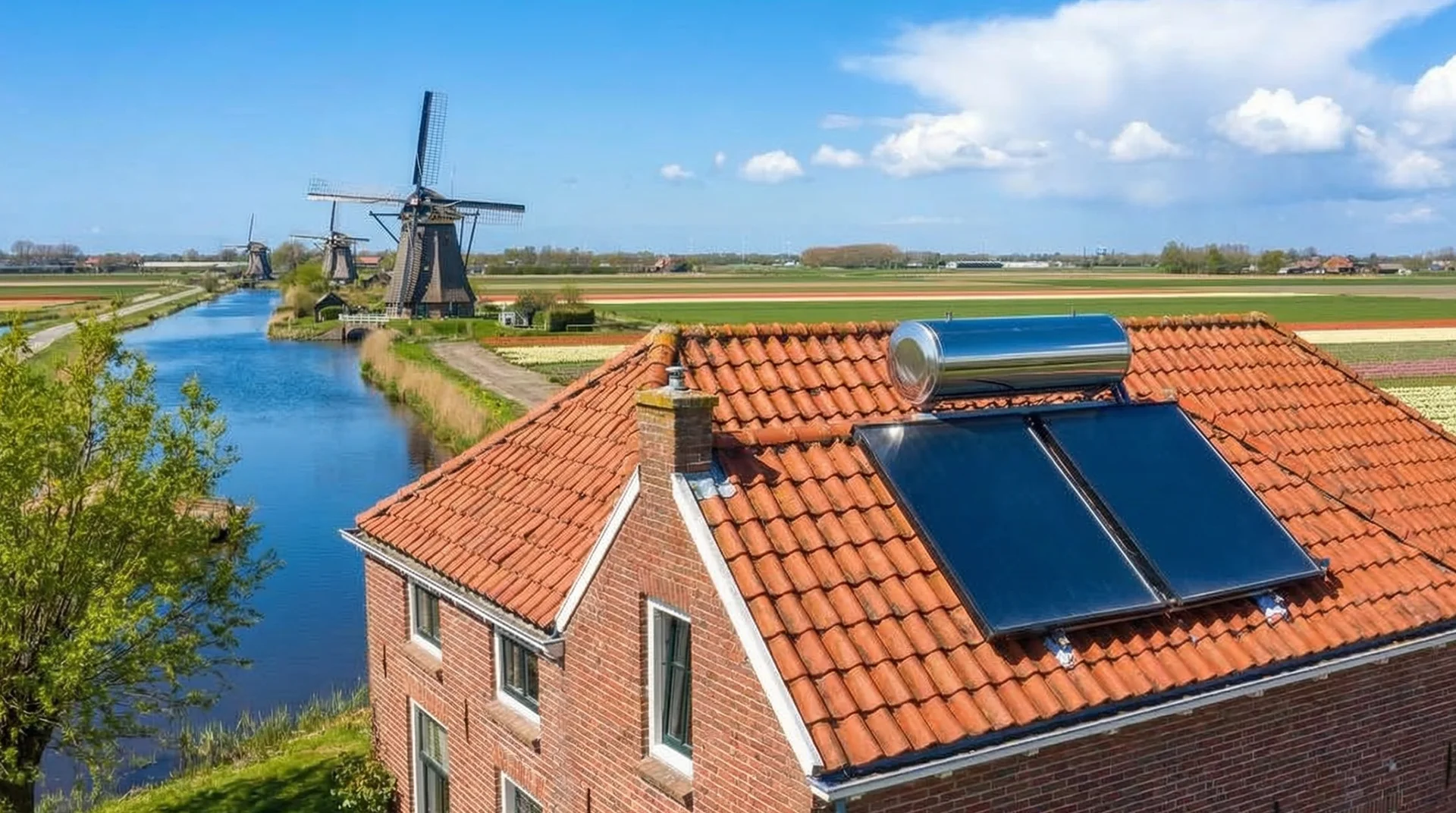
Solar Collectors: How They Work and Why You Need Them
In the Netherlands, people normally think of electricity when referring to solar energy, and solar panels steal the show. However, there are solar collectors, also known as solar thermal systems, that do one thing really well. They turn sunlight into heat.
In the Netherlands, people use the most energy for space heating and hot water. Especially with the rising costs of gas, solar collectors are even more relevant. They are even more relevant with the tightening climate targets, government incentives, and the ISDE subsidy. We are going to tell you all about how solar thermal systems work, how they differ from solar panels, what their performance is like in the Dutch winter, and finally, whether they are worth the investment for Dutch homeowners. And see even more: heating installation NL, cost | Heating contractors near me CBS Renovation.
Solar Water Heater Technology: What Is It, and How Does It Work?
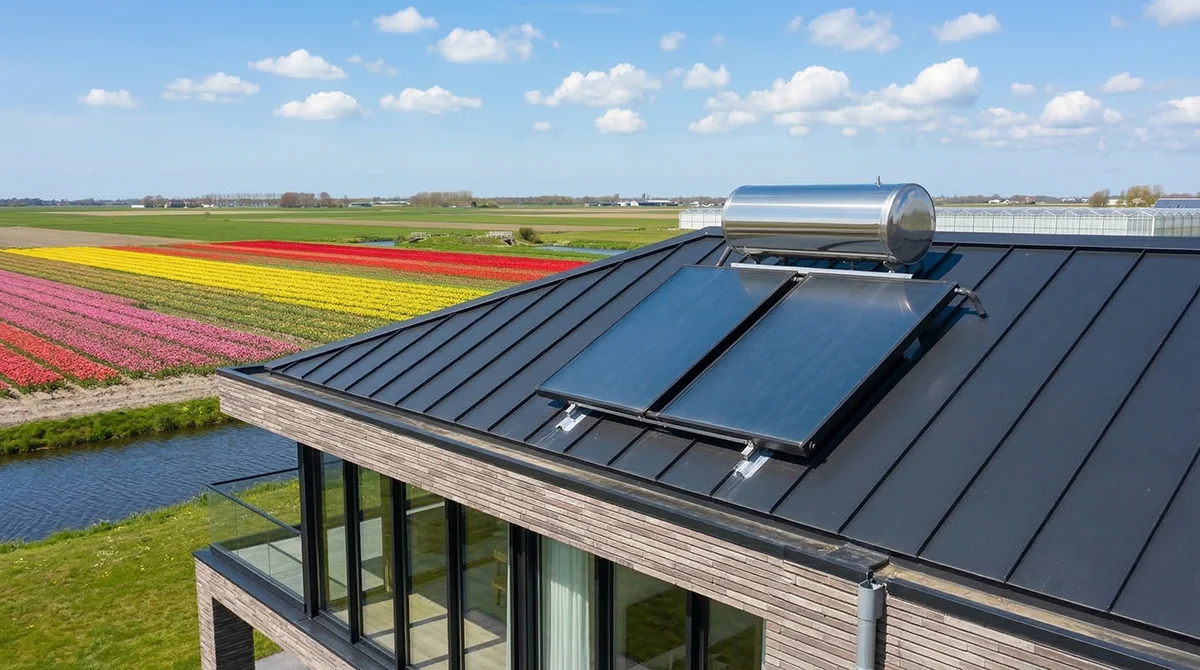
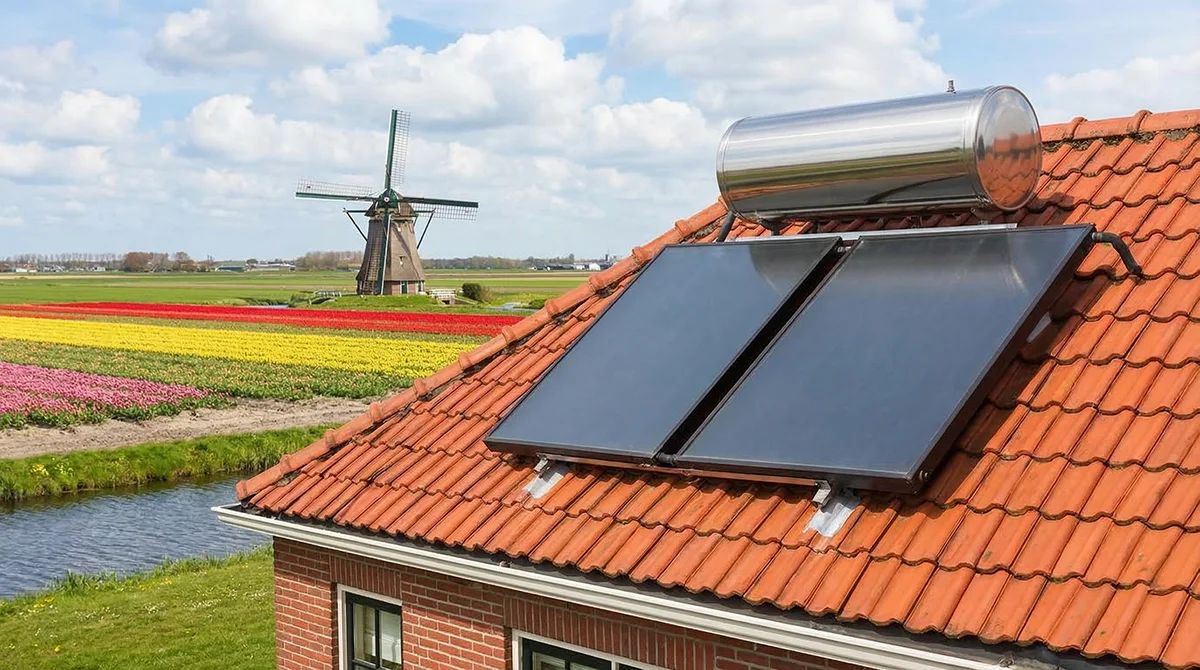
A solar thermal system typically has different components, such as:
- Roof solar collectors.
- Heat transfer fluid closed loop.
- Heat exchanger.
- Storage tank (solar boiler).
How does a solar water heater work? Sunlight heats the solar collector, and the transferred heat is absorbed. This heat is transferred to the boiler and then to the domestic hot water or buffer tank. A small electrically powered pump measures and controls the temperature sensors. This system is quiet and has no emissions. It’s also independent from the grid.
During summer, a properly sized system can cover 60-70% of a typical household’s hot water needs; during winter, it supports the system instead of completely replacing it. That’s exactly how Dutch systems are designed to operate.
Solar Collectors vs Solar Panels Difference
The difference between solar collectors and solar panels has real meaning; it goes beyond technical.
Solar panels (PV):
- Create electricity.
- Rely on grid interaction and net metering.
Solar collectors:
- Create heat.
- Gas or electric water heating replacement.
- Independent of electricity tariffs.
In short, PV panels focus on power generation while solar collectors focus on comfort and efficiency. Many Dutch houses have both types: electricity-generating panels and hot water-collecting collectors. This combination provides a system that is balanced and future-proof.
Types of Solar Thermal Collectors for Homes
In the Netherlands, there are two types of solar thermal collectors for home that dominate the market. Each is suited for a different roof type, budget, and heat demand.
Flat Plate Collectors
In the Netherlands, flat plate collectors are the most common option. They are constructed of:
- A dark absorber plate.
- Copper pipes.
- Insulation.
- A glass cover.
They’re considered more durable and robust; they are lower in cost; they perform well in mild and moderate conditions. But they have less efficiency in very cold or cloudy weather.
Most Dutch family homes are well-served by flat plate collectors in the middle of the pricing and performance spectrum.
Evacuated Tube Collectors
Evacuated tube collectors are more expensive and have a more advanced look. They have vacuum-sealed glass tubes that minimize heat loss, making them more effective and ideal for cold temperatures.
- Pros: Higher efficiency of the solar thermal collector in winter; better in cloudy and cold conditions.
- Cons: More expensive; more fragile; more visible on the roof.
These are usually selected for greater hot water demand or scarce roof area.
Performance in Dutch Climate: Efficiency in Winter
Let’s get to it: winter. From November to February, the Netherlands gets fewer sunshine hours. This does not mean solar collectors are useless; this means their role will change.
In winter, solar collectors will preheat the water. Then, the boiler or heat pump will add more water. This will reduce gas or electricity usage and will be more than enough for the winter demand. Measured solar thermal collector efficiency winter typically ranges between 20-40% and will vary by system and insulation. Even at this lower demand, it’s more efficient to have gas than not have it.
Some collectors do not stop working in the winter. They work quietly and reduce fossil fuel use.
Financial Analysis for Dutch Homeowners: Is a Solar Boiler Worth it?
So, is a solar boiler worth it in Netherlands? In most cases, yes – provided that expectations are realistic.
A solar boiler:
- Works great with heat pumps and hybrid systems
- Has a lifespan of over 20 years
- Increases energy label rating
- Reduces gas consumption
Payback times vary from 7 to 12 years, depending on energy prices, usage, and subsidies, but it is not a get-rich-quick scheme. It is a long-term efficiency upgrade.
Subsidies for Solar Boilers Netherlands
The Dutch government subsidizes solar boilers under the ISDE Subvention scheme.
Key points:
- Applies to residential owner-occupied homes
- Subsidy varies based on collector size and certification.
- Can be combined with heat pumps and insulation measures.
- Must be installed by a registered installer.
The ISDE subsidy decreases payback periods and upfront costs significantly. Many systems would be niche without it. With it, solar collectors become a sensible option.
Maintenance and Longevity
What about the maintenance of solar thermal systems? The low-maintenance nature of solar collectors is one of the benefits many people overlook. Maintaining solar thermal systems generally includes things like:
- A visual inspection every 1-2 years.
- Checking the pressure and quality of the fluid.
- Replacing the heat-transfer fluid every 5-7 years.
- Inspecting the pumps and sensors.
There’s no need to worry about burnt soot and emissions, as you’d have with traditional boilers. All of this makes maintenance light and predictable.
Solar collectors work in harmony with other systems and not as standalone components. They integrate particularly well with:
- Hybrid heat pumps.
- All-electric heat pumps.
- Low-temperature heating systems.
Pairing solar thermal with a heat pump during the in-between seasons optimizes electricity demand and system efficiency.
Final Thoughts
Solar collectors may not be exciting. But they’re reliable, be it a solar collector for heating swimming pool or other purposes. In the case of the Netherlands, where the winters don’t have as much sun, there is a need for heating, and strong government support for solar thermal systems makes a lot of sense. They provide a lot of value when integrated with other heating technologies. Find a top solution for yourself: heat Pumps Installation & Automatic Control Systems | CBS Renovation.
Think of them as not a replacement, but a force multiplier. Your home energy future is more controlled with less fuel burned, less money wasted, and more control.