Solar Panels: A Step-by-Step Installation Guide
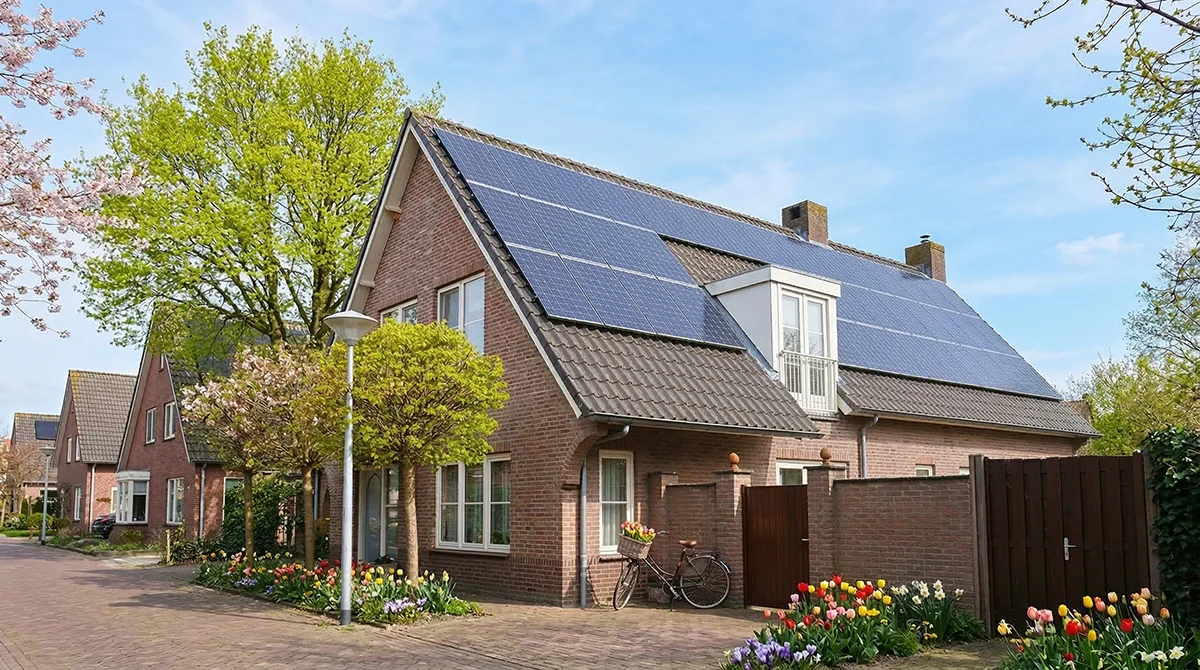
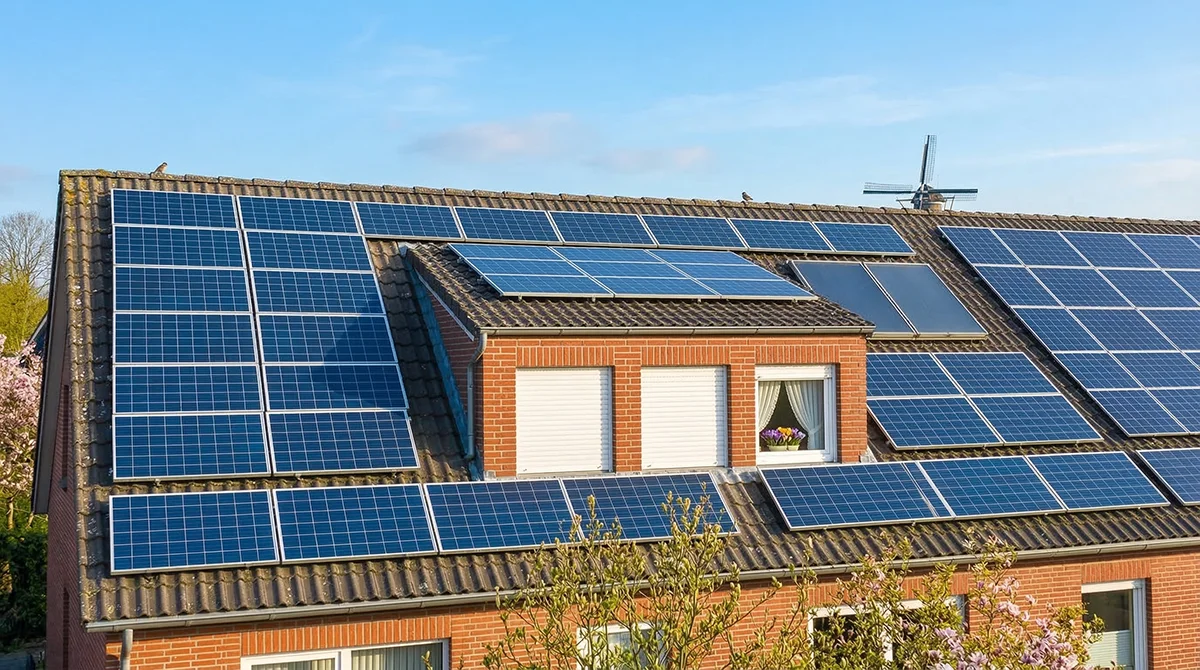
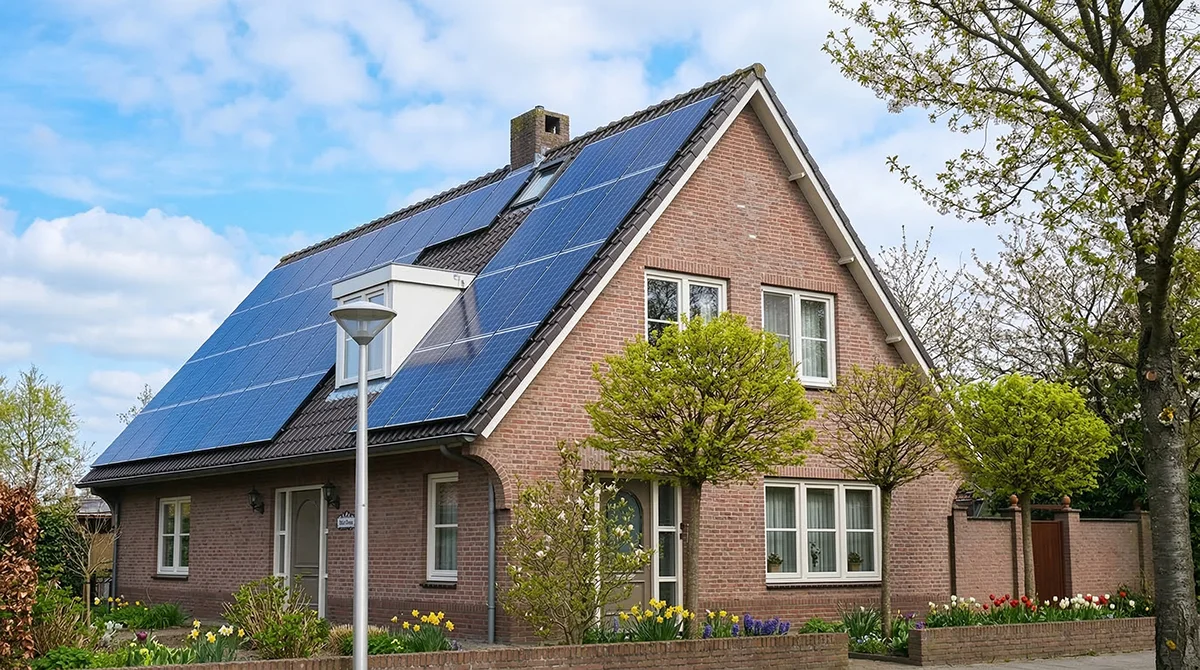
When it comes to putting in solar panels in the Netherlands, it’s not just a technical upgrade. It’s a regulated construction, along with an electrical project, and comes with installing solar panels in Netherlands rules. Each country in Europe has its own specific solar installation challenges, and in the Netherlands, it’s the roofs, the weather, and the connections to the electrical grid.
This guide will take you systematically from steps, including the permits, planning the roof, making an electrical connection in the meterkast, and being compliant with the VAT return rules in 2025. Every piece of information complies with the salient requirements of the Dutch Building Decree (Bouwbesluit), the NEN 1010 electrical standards, and the current Dutch tax rules. We will explain it all to you, whether you are thinking about doing it yourself or hiring a professional, what is acceptable, what is dangerous, and what is advisable.
Solar Panels and Netherlands Building Law
The first question homeowners commonly present is simple: is building solar panels in Netherlands Building Law a concern here? In general, the answer is no. However, that’s not the complete answer.
Do I need a permit for solar panels Netherlands? Based on the Bouwbesluit, solar panels are usually deemed “constructed without a permit” if:
- Panels are in line with the roof slope.
- They don’t go beyond the edges of the roof.
- The panels are not installed on protected monuments (Rijksmonumenten).
- The building isn’t in a protected cityscape (Protected Stadsgezicht).
When permits are needed:
- Panels on a monument are visible from the street.
- They are going on a detached structure that exceeds height restrictions.
- There are roof alterations.
Municipalities can impose additional regulations, so always check with the Gemeente before installation. If you don’t, there can be a forced removal.
System Planning: Best Type of Roof and Angle
In the Netherlands, solar panels need to be effective when there is cloud cover, the winter sun is low, and there is not a lot of roof space. Planning becomes more important than in other sunny countries.
What’s the Best Angle for Solar Panels in the Netherlands?
When it comes to the best angle for solar panels Netherlands, the following angles are the best:
- 35 to 37 degrees for production all year round, which is ideal.
- Facing South is best!
- East and west are common and make for a great grid.
Since the Netherlands is gradually eliminating net metering (Salderingsregeling), the best financial option is typically east-west panels that produce all day, rather than panels that produce the most at noon. People typically avoid maintenance-heavy and high-cost seasonal adjustment systems.
How to Place Solar Panels on Level Roofs
Level roofs are very common in Dutch homes and are often more strictly regulated than other types of roofs. How to install solar panels on flat roof? It has the following considerations:
- If the panels are not affixed to the roof, they must be ballasted within a ballast system.
- If a ballast system is used, a wind-load calculation is performed.
- The fire safety spacing must be followed per the NEN standard.
- The spacing from the roof edge must meet the legal min.
Caution: Mistakes in ballast calculations are one of the most common failures of DIY solar installations and lead to insurance claims being denied.
Installation Roadmap
Complete these tasks for solar installation to meet Dutch regulations.
Task 1: Inspect the Roof
The roof’s capacity to hold weight, its waterproofing, and the remaining service life of the roofing materials must be assessed, and voided warranties reviewed. Installing panels on a roof needing replacement within 5 to 10 years is financially impractical.
Task 2: Set up the Mounting System
Consider the following when safety spacing is needed:
- Wind Risk: The wind class for the Netherlands is a high wind risk.
- Material Compatibility: Compliance to the roof’s material is needed (tiled, bitumen, or EPDM).
- Fire Safety: Consider fire safety spacing.
Characters, spacing, and other factors affect compliance to Netherlands solar panel placement regulations. The absence of these factors voids warranties and home insurance.
Step 3: Solar PV Systems Cabling Requirements
Dutch cabling requirements for solar PV systems are as follows:
- UV resistant DC cables.
- Proper conduit routing.
- DC and AC line separation.
- Fire-safe entry points.
Cabling routed through the house respects the fire compartments in the Bouwbesluit.
Connecting Solar Panels to Meter Box Diagram (Meterkast)
This is where a lot of DIY projects get stuck. Connecting solar panels and meterkast in the Netherlands requires:
- NEN 1010 compliance.
- A Dedicated group (or groups) for the PV system.
- Correct Main fuse (usually 1x35A or 3x25A).
- Compatible bidirectional smart meter.
Because many houses have an outdated meterkast, the meterkast must first be upgraded for solar connection to be permitted. If standards are not met, grid operators can refuse connection, and it is not optional. Only a licensed electrician can do the electrical work, especially on the meterkast.
Financial Aspects: VAT Return on Solar Panels Netherlands 2026
There have been significant changes to the VAT return on solar panels in the Netherlands. Since 2023, homeowners do not pay Value Added Tax (VAT) on solar panels, inverters, installation services, and system accessories.
In 2026, homeowners will continue to be eligible for the same VAT-exempt services:
- Homeowners do not need to go through the VAT refund process.
- Homeowners do not need to register with the tax office for VAT.
- Homeowners will experience lower VAT-related service costs and less tax-related paperwork.
Nonetheless:
- Commercial properties are treated differently.
- Battery systems may be subject to different VAT processes depending on how they are used.
- Professional installers include the correct VAT in their invoices. DIY purchases may not qualify for VAT exemption.
DIY Versus Professional Installations
The internet is a big fan of DIY, and so are a lot of people in the Netherlands. However, DIY solar panel installations may include the following DIY solar panel installation risks:
- Electrical work that is not compliant.
- Damage for which insurance will not pay.
- Grid operators may refuse to establish a connection.
- Unauthorized modifications for which there are fines.
- Inadequate wiring may cause a fire.
Although it is not illegal to install solar panels on your own property, it is illegal to connect your solar panels to the meterkast. If you do so, you could pay more than the whole installation costs in fines.
Why is CBS Renovation the best for your Solar Project?
At CBS Renovation, we recognize that solar installations in the Netherlands are more than just setting panels – there are regulations, compliance, safety, and, most importantly, future performance that must be taken into account.
By picking electric installation work | CBS Renovation – electrical contractor, you get:
- Complete adherence to Bouwbesluit and NEN 1010 regulations.
- Safe and legal meterkast integration.
- Adequate system planning for Dutch roofs and climate.
- Zero-VAT compliant invoicing.
- One contractor is responsible for the entire chain.
In the Netherlands, solar energy is best when done right the first time, and done right means compliant, certified, and future-proof.