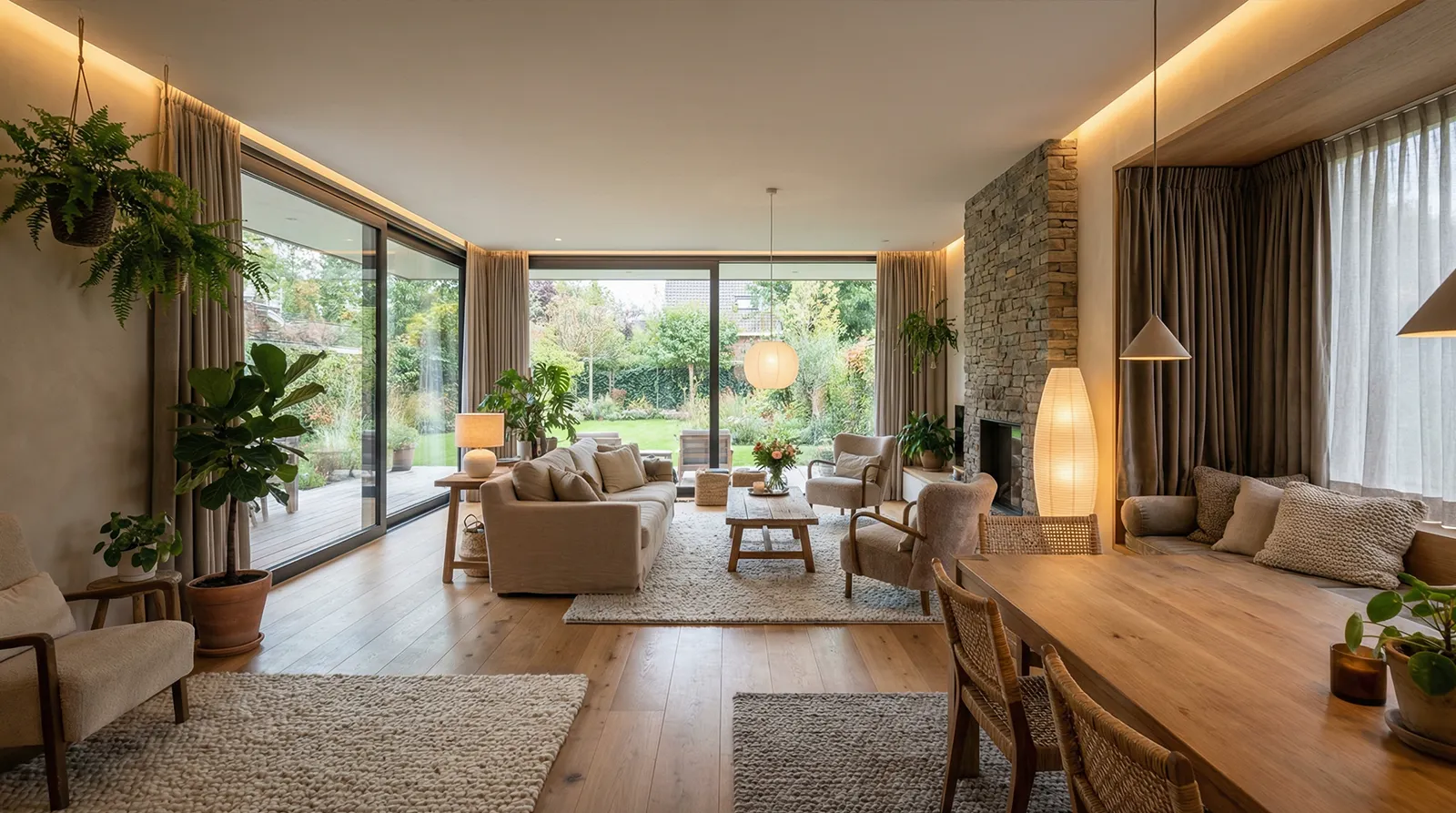
Trauma-Informed Design: Mental Health and Renovation
What if the walls of your home could actively support your mental wellbeing? For Dutch homeowners, a renovation has long been about creating more space, boosting property value, or updating a dated aesthetic. But a profound new trend is reshaping the very purpose of our living spaces. Moving beyond the buzz of minimalist kitchens and bold colour palettes, a growing movement is applying the principles of trauma-informed care to interior design. This isn’t just another fleeting trend; it’s a fundamental rethinking of how our built environment affects our nervous system. For anyone planning a home renovation in the Netherlands, this approach offers a powerful framework to create a sanctuary that doesn’t just look good, but feels genuinely safe and restorative. If you are considering a renovation or a full home transformation, this philosophy can also be integrated into larger projects such as private house construction, where emotional comfort and long-term wellbeing can be designed from the ground up.
Basic Concepts: The Language of Sanctuary
To understand this shift, we first need to decode its core principles. Trauma-informed design isn’t about diagnosing residents or treating a condition. Instead, it’s a preventative, human-centric approach that assumes a spectrum of human experience and designs to support it.
- Trauma-Informed Design: An architectural and design philosophy that creates environments which promote safety, empowerment, and wellbeing. It uses space to reduce potential stressors and support emotional regulation.
- Trauma-Informed Spaces: Environments designed to minimise stress triggers and support emotional safety through calming sensory input, predictable layouts, personal control, and restorative comfort. These spaces help occupants feel grounded, secure, and supported in everyday life.
- Sensory Load: The total amount of sensory information (sight, sound, touch, smell) an environment demands from its occupants. A high sensory load can be subconsciously exhausting.
- Prospect and Refuge: A concept from environmental psychology describing the human desire for a protected spot (refuge) with a clear view of the surroundings (prospect). It taps into a primal sense of safety.
- Circadian Lighting: Artificial lighting that mimics the natural daylight cycle, supporting the body’s internal clock, which is crucial for mood and sleep regulation—key components of mental health.
Trauma-Informed vs Inclusive Design: What’s the Difference?
Trauma-informed design is often mentioned alongside inclusive design, but the two approaches are not the same. Inclusive design focuses on accessibility and usability, ensuring that spaces work well for people with different abilities and needs.
This wellbeing-focused approach goes further by considering the emotional and psychological impact of an environment. Certain layouts, sounds, or lighting conditions can unintentionally increase stress or discomfort, especially for those sensitive to sensory overload.
While inclusive design asks, “Can everyone use this space?”, trauma-aware planning also asks, “Does this space feel safe, calming, and empowering?”
In practice, trauma-informed interior design prioritises sensory balance, predictability, personal control, and emotional comfort — helping create spaces that support wellbeing on a deeper level.
The Core Principles: Building Your Nervous System’s Ally
How do you translate psychological safety into bricks, mortar, and paint? The framework rests on several key pillars, each directly applicable to a Dutch home transformation.
Safety and Trustworthiness
This is the non-negotiable foundation. The space must signal, both visibly and intuitively, that it is secure. This goes far beyond a good lock on the door.
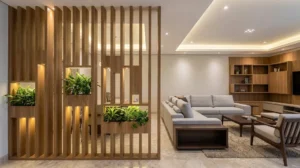
- Clear Lines of Sight: Open-plan living, so popular in the Netherlands, can be reimagined. Avoid layouts where someone feels they could be “startled” from behind. Use low, open shelving or strategically placed glass partitions to maintain visual connection between spaces like the kitchen and living room, fostering a sense of community without creating hidden corners.
- Predictable Environments: The brain in a state of hyper-vigilance craves predictability. Consider consistent, intuitive lighting controls and door handles throughout the house. Avoid confusing, multi-step systems for simple functions.
Choice, Control, and Empowerment
Feeling trapped, even by your own décor, can be subtly stressful. This principle is about offering residents options to adjust their environment to their immediate needs.
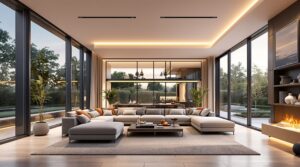
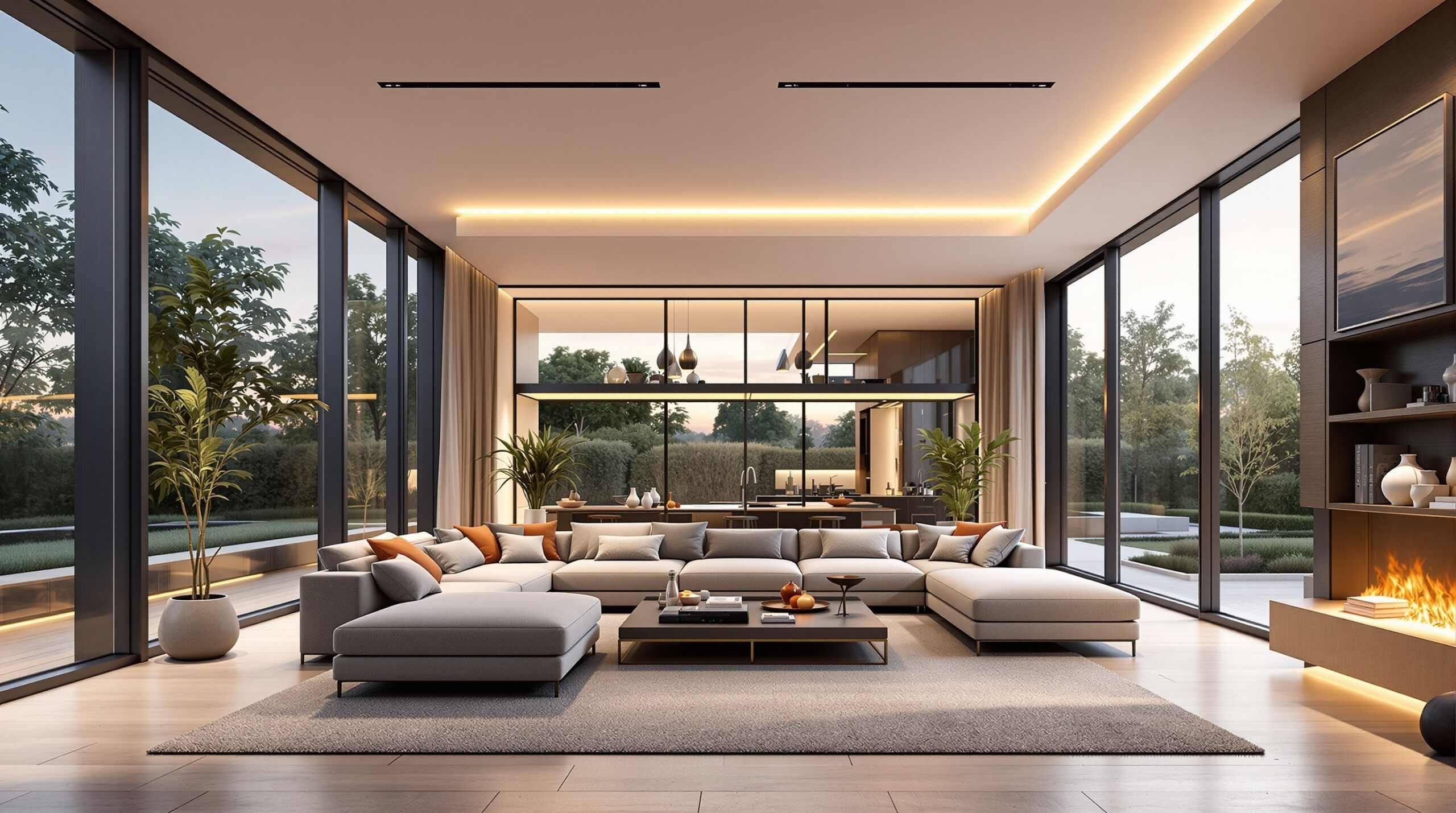
- Adaptable Lighting: Instead of a single bright ceiling light, install layered lighting: dimmable overhead lights, adjustable task lighting, and warm, indirect ambient lamps. This allows a person to tailor the room’s brightness and mood from energising to calming in an instant.
- Zonal Design: Even in a small Dutch apartment, create micro-environments. A window seat with a heavy curtain can become a reading nook-refuge. A dedicated corner with comfortable seating and a specific light can be a “quiet zone,” distinct from a more socially-oriented sofa area.
Sensory Considerations
This is where modern interior design in the Netherlands meets neuroscience. Our senses are the direct pathway to our emotional state.
- Tactile Materials: Move beyond cold, hard surfaces. Incorporate a variety of textures that invite positive touch: a plush wool rug, smooth polished wood, cool natural stone, soft linen upholstery. This variety provides gentle sensory feedback that can ground a person in the present moment.
- Acoustic Control: The Dutch love for hard surfaces like concrete and large windows can create echoey, noisy interiors. Introduce sound-absorbing elements: thick curtains, textile wall hangings, upholstered furniture, and acoustic panels disguised as art. A quieter home lowers the subconscious background stress of constant noise.
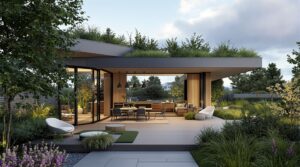
- Natural Elements (Biophilia): Connection to nature is profoundly calming. Maximise natural light, a precious commodity here. Use views of greenery, indoor plants, water features, and materials like wood and stone. The pattern of natural wood grain or the variation in stone can provide a soothing, non-repetitive visual focus.
The Science Behind Trauma-Informed Design: How Space Affects the Brain
This approach is more than a lifestyle trend — it is supported by neuroscience and environmental psychology. The brain constantly scans surroundings for cues of safety or threat, often without conscious awareness.
When a home feels chaotic, noisy, or visually overwhelming, the nervous system may stay in a heightened state of alert. Over time, this sensory strain can contribute to anxiety, disrupted sleep, irritability, and emotional fatigue.
In contrast, supportive environments use elements such as natural light, softer acoustics, calming textures, and clear spatial organisation to encourage regulation and comfort. These features can help activate the body’s “rest and restore” response.
Research suggests that spaces offering choice, refuge, and sensory ease can strengthen emotional resilience and improve everyday wellbeing — especially during stressful periods.
Modern Renovation Ideas, Informed by Wellbeing
So, what do these principles look like in practice? Here are concrete applications that align with both modern renovation ideas and trauma-informed goals.
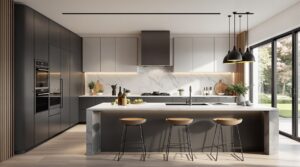
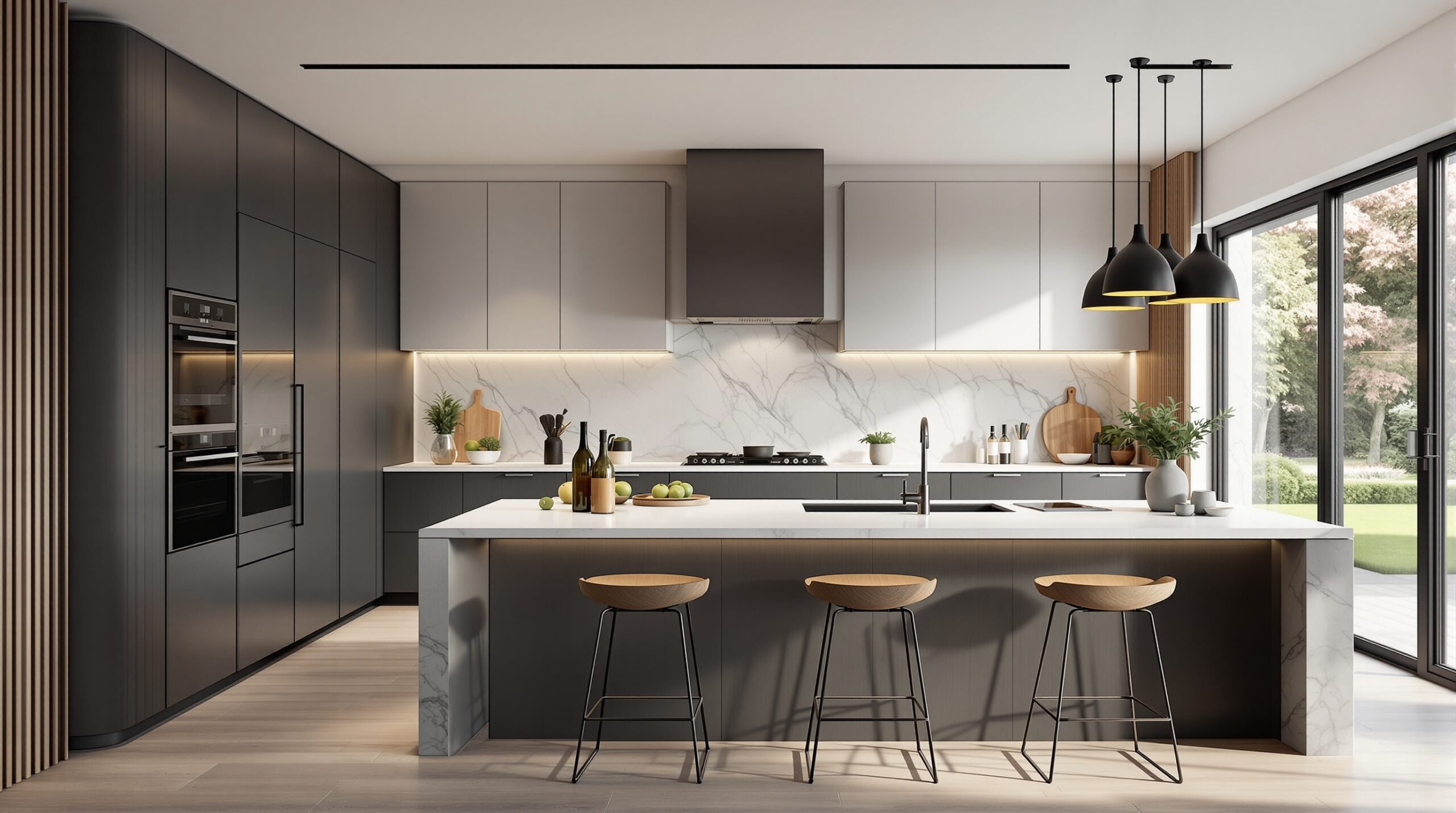
The Tranquil Kitchen
Often the busiest, most chaotic room. Design it to be a haven of calm efficiency.
- Choose soft-close cabinets and drawers to eliminate the jarring sound of slamming.
- Install under-cabinet lighting to banish shadows from countertops, creating a sense of visual clarity and safety.
- Design a “chef’s retreat”—a small, secondary prep spot facing the room or garden, offering that crucial “prospect” while working.
The Restorative Bathroom
Transform it from a purely functional space into a sensory retreat.
- Incorporate a heated towel rail or underfloor heating—the comfort of consistent warmth is deeply reassuring.
- Opt for a thermostat-controlled shower that prevents sudden scalds or chills, respecting bodily autonomy and safety.
- Use frosted glass or clever screening to ensure privacy without making the space feel enclosed or dark.
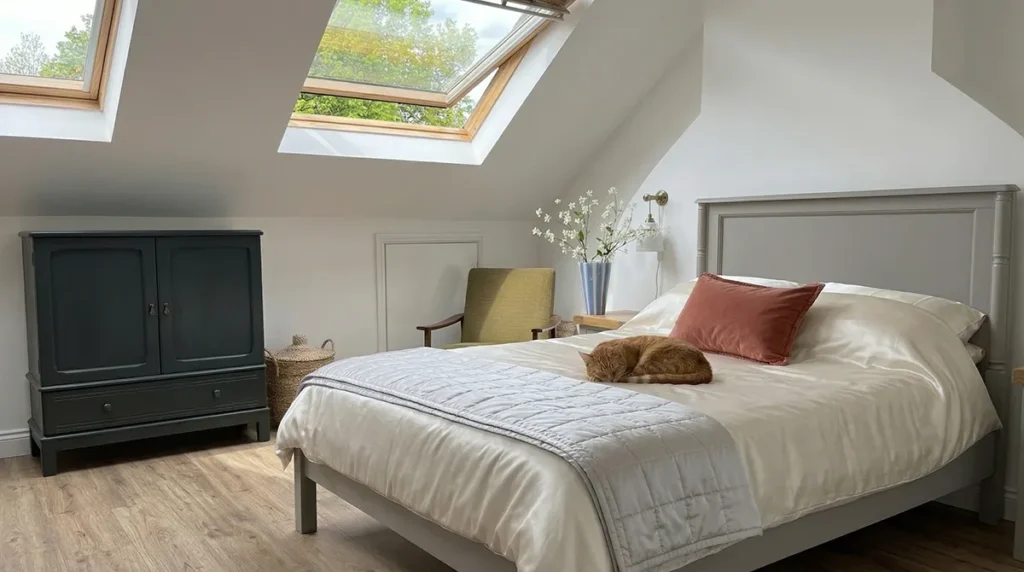
The Truly Private Bedroom
This room’s single function is restoration. Protect it fiercely.
- Invest in exceptional blackout solutions and consider electrical wiring to automate them, creating a perfect, predictable cave for sleep.
- Design ample, organised storage (built-in wardrobes are ideal) to minimise visual clutter, which the brain interprets as unfinished tasks.
- Choose a supremely comfortable mattress and breathable, natural bedding—direct physical comfort is paramount.
Practical Tips for Your Netherlands Renovation Journey
Integrating this philosophy requires forethought and the right team. Here’s how to proceed.
- Start with Self-Reflection, Not Pinterest. Before looking at images, ask: How do I want to feel in each room? Words like “calm,” “connected,” “energised,” or “secure” are better briefs than “Scandinavian” or “industrial.”
- Hire the Right Professionals. This is not a DIY endeavour. Seek an architect or interior designer who is curious about this approach. Ask them directly: “How do you consider the sensory experience or emotional impact of a space in your designs?” Their response will be telling.
- Prioritise Your Budget for the Invisible. Allocate funds for the elements that create the feeling, not just the look: superior insulation (for quiet and warmth), a premium ventilation system (for clean, fresh air), and high-quality, non-toxic materials (for health and sensory pleasure).
- Test Before You Commit. For key sensory choices, experience them first. Spend time in a showroom with the flooring you want underfoot. Feel the cabinet handle in your palm. View large paint samples on the wall at different times of day.
- Embrace “Good Enough” and Personalisation. A trauma-informed space is not clinically perfect. It should feel lived-in and personal. Allow room for cherished objects, family photos, and art that brings joy—these are the ultimate symbols of safety and identity.
Conclusion
The most forward-thinking interior design trends for 2026 and beyond point toward homes that are not just smart, but emotionally intelligent. For the Dutch homeowner, a renovation guided by trauma-informed principles is a powerful opportunity. It moves the project from a surface-level update to an investment in the daily mental and emotional resilience of everyone who lives there. The result is more than a beautiful house; it’s a true habitat for healing, a daily refuge in a busy world, built with intention, care, and a deep understanding of how space shapes the human experience. The most important aspect of a home is how it makes you feel when you enter, and now we have the blueprint to design for that feeling.

Veelgestelde vragen over traumasensitief ontwerpen bij renovatie
Hieronder vindt u antwoorden op veelgestelde vragen over het creëren van een veilige en helende woonomgeving, met oog voor mentaal welzijn en trauma-informed design. Staat uw vraag er niet bij? Neem dan gerust vrijblijvend contact met ons op.