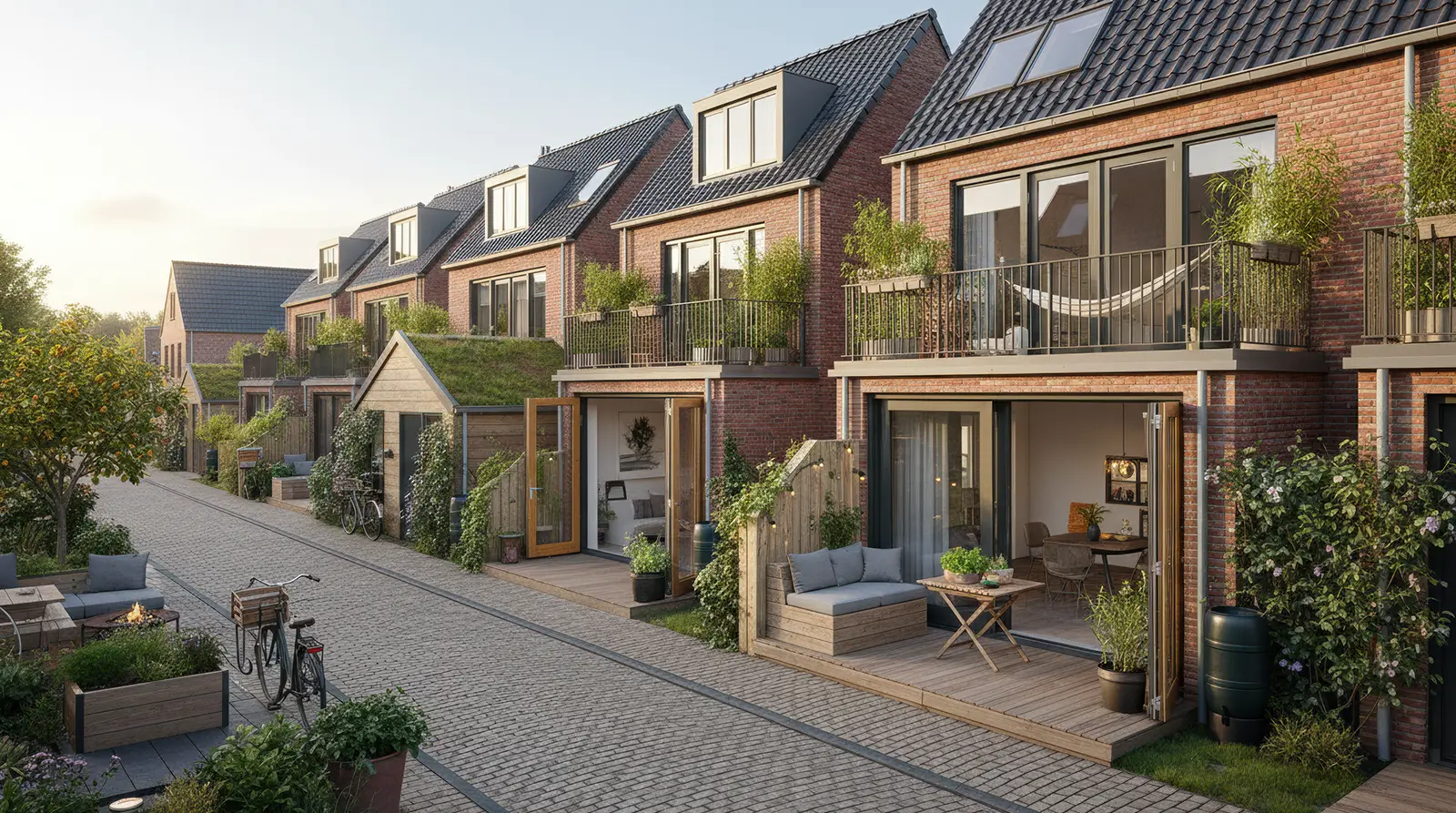
Vertical Gardens for Dutch Apartments: Green Living
Imagine stepping onto your balcony in Amsterdam or Rotterdam and being greeted not by a bare concrete wall, but by a living tapestry of herbs, flowers, and foliage. In the Netherlands, where urban space is a premium and sustainability is a national priority, the concept of the vertical garden is taking root. It’s more than a decorative trend; it’s a clever reimagining of how we interact with nature in compact living environments. But how do you turn a small balcony or a blank interior wall into a thriving ecosystem? And what do you need to know to ensure your green dream doesn’t become a damp nightmare? This exploration goes beyond the aesthetics to uncover the practicalities and profound benefits of bringing the outside in, the Dutch way.
Basic Concepts: Understanding Your Green Canvas
Before you select a single plant, it’s crucial to grasp the framework—both physical and regulatory—that shapes sustainable renovation ideas in the Netherlands.
- Vertical Garden System: This is an umbrella term for any method of growing plants on a vertical surface. It ranges from simple wall-mounted planters to complex, automated hydroponic panels with integrated irrigation.
- Bouwbesluit (Building Decree): This is the core rulebook for all construction and major alterations in the Netherlands. For vertical gardens, it primarily concerns structural load (can your wall or balcony floor hold the weight?), fire safety, and moisture management.
- VvE (Homeowners’ Association) Rules: For apartment dwellers, this is often the first and most important checkpoint. Your VvE’s regulations may govern changes to the building’s exterior, including balconies and facades. Installing a large external system without permission can lead to disputes.
- Klimaatadaptatie (Climate Adaptation): A key Dutch policy driving eco-friendly home upgrades. Vertical gardens contribute by absorbing rainwater, reducing urban heat, and improving air quality, aligning perfectly with national goals.
The Why: More Than Just a Pretty Wall
Why are Dutch residents, famed for their practicality, investing in these living walls? The reasons are as layered as the gardens themselves.
A Breath of Fresh Air, Literally
In dense city centres, a vertical garden acts as a natural air filter. Plants absorb pollutants and carbon dioxide while releasing oxygen. For apartments facing busy streets, this can measurably improve indoor air quality, turning your home into a healthier sanctuary.
The Ultimate Space-Saving Solution
This is the heart of its appeal for space-saving apartment ideas. A vertical garden utilises unused vertical real estate, freeing up precious floor space on small balconies or in compact living rooms. It allows for significant greenery without sacrificing room for a chair or a bicycle.
Boosting Biodiversity in the City
Your garden can become a mini nature reserve. By choosing native flowering plants, you provide crucial pit-stops for pollinators like bees and butterflies, supporting urban ecosystems one balcony at a time.
Natural Insulation and Cooling
A dense green wall provides a layer of natural insulation. In summer, it shields your apartment from the sun’s heat, reducing the need for air conditioning. In winter, it can offer a slight buffer against the cold—a clever form of passive climate control.
The How: Building Your Vertical Oasis
Transforming the idea into reality requires careful planning. This is not a typical DIY weekend project; the integration of soil, water, and structure into your home demands professional insight.
Step 1: The Professional Consultation
Your very first step is to consult with a specialist. A professional in green walls or a renovation architect can assess three critical things:
- Structural Integrity: They will determine if your chosen wall or balcony can support the saturated weight of the system, which can be substantial.
- Waterproofing & Drainage: This is non-negotiable. Improper installation is the leading cause of indoor moisture and mould problems. A professional ensures a sealed barrier and a proper drainage path away from your building’s fabric.
- System Design: They help you choose between different systems (modular felt pockets, rigid planters, trellises) based on your light conditions, budget, and desired maintenance level.
Step 2: Plant Selection for the Dutch Climate
Choosing the right plants is a science. A professional will guide you toward species that thrive in your specific microclimate (windy, north-facing, full sun) and are suitable for vertical growth. Think hardy sedums, aromatic herbs like thyme and sage, resilient ferns, and certain perennial flowering plants. The goal is a low-maintenance, year-round display.
Step 3: Integrating Smart Technology
Modern renovation tips for small Dutch homes often include smart tech. For vertical gardens, this means automated drip irrigation systems with moisture sensors. These systems deliver water and nutrients directly to the roots on a precise schedule, preventing over- or under-watering and making maintenance far simpler, especially for taller installations.
Designing for Dutch Outdoor Living
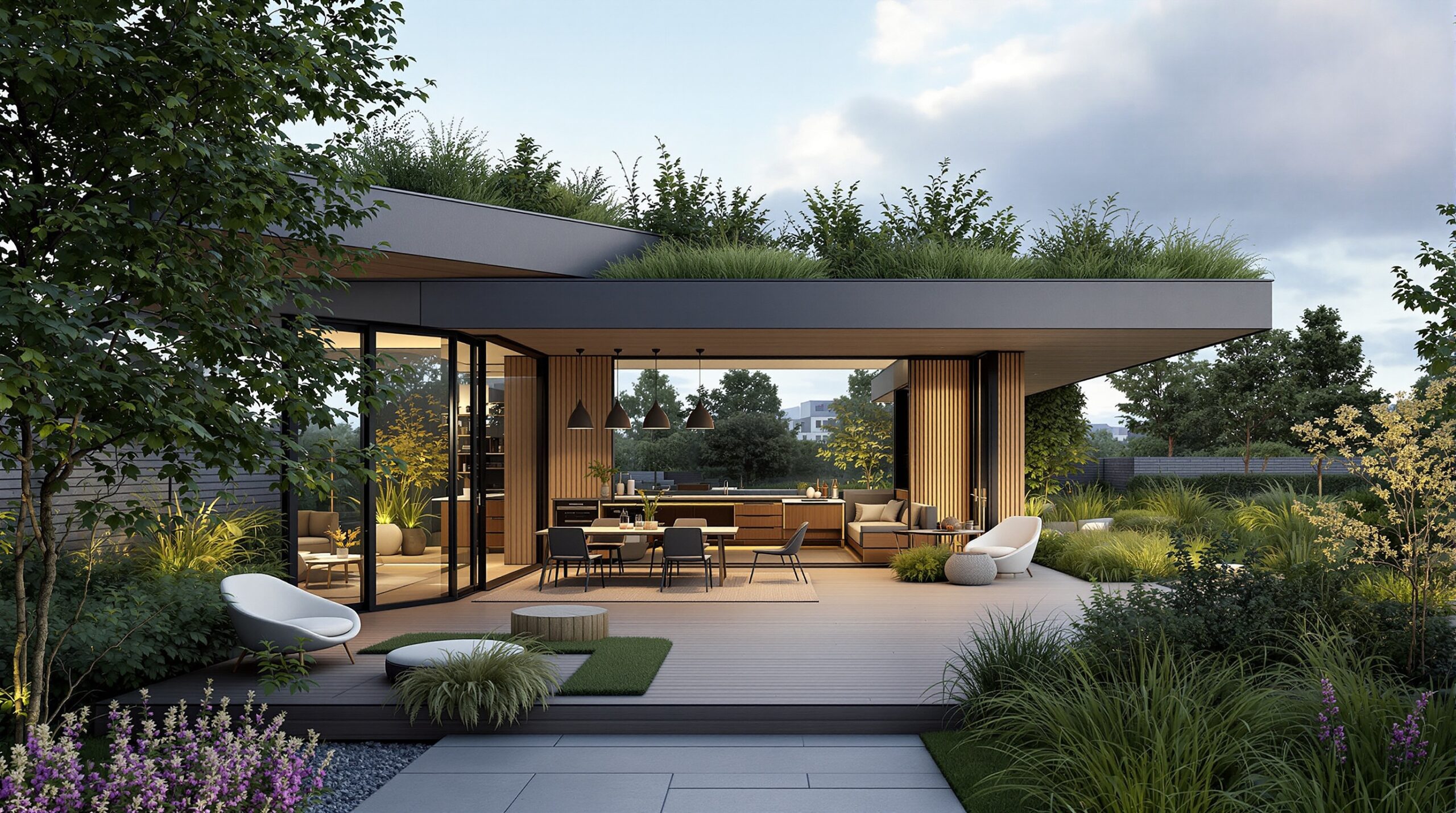
In the Netherlands, a balcony is often treated as an extra room. A vertical garden should enhance this outdoor living design, not overwhelm it.
- Create a Focal Point: Use the green wall as a stunning backdrop for your seating area. It adds depth, colour, and a sense of privacy.
- Combine with Functional Gardening: Integrate planters for herbs, strawberries, or cherry tomatoes. This turns your garden into a source of fresh ingredients, merging sustainability with utility.
- Lighting is Key: Incorporate subtle, weatherproof LED lighting. It allows you to enjoy the garden after dark and highlights the textures of the plants, extending the usability of your outdoor space into the evening.
Practical Tips for Your Project
To navigate your vertical garden project successfully, follow these actionable steps.
- Start with your VvE. Before you fall in love with a design, formally inquire about the rules for exterior modifications. Written approval prevents future complications.
- Budget for professionals and quality. The largest costs are the system itself and expert installation. Do not compromise on waterproofing or structural support to save money.
- Prioritise irrigation. Discuss automated watering systems with your specialist from the start. This is the most important factor for long-term plant health and your convenience.
- Think about access for maintenance. How will you reach the top plants to prune or replace them? Ensure your design includes safe and easy access.
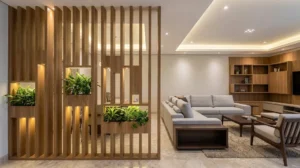
- Begin small indoors. If you’re unsure, test the concept with a small, modular vertical planter system on an interior wall. It’s a lower-stakes way to understand plant care and the visual impact.
Conclusion
A vertical garden in a Dutch apartment is a powerful statement. It’s a declaration that even in the heart of the city, nature has a place. It addresses the classic Dutch challenges of limited space and environmental responsibility head-on, offering a beautiful, functional solution. While the sight of a flourishing living wall is the reward, the journey requires a methodical approach: securing permissions, investing in professional expertise, and choosing the right technology and plants for our climate. Done correctly, it’s more than a renovation—it’s a transformation of your living space into a greener, healthier, and more serene home.