Voice-Controlled Homes: Convenience, Safety, Accessibility
Imagine a home that understands you, a dwelling that adapts to your needs and anticipates your desires, not just for today, but for decades to come. This isn’t science fiction; it’s the evolving reality of accessible home renovation, and in the Netherlands, it’s becoming a blueprint for modern living. But what does truly accessible mean beyond a ramp or a wider doorway? And how are Dutch innovators and homeowners embracing technologies that promise comfort, safety, and independence for everyone?
This deep dive will uncover the fascinating world of accessible home renovations in the Netherlands, exploring the principles of universal design, the latest construction trends, and the smart materials making these visions possible. Whether you’re considering a minor adjustment or a complete overhaul, understanding these elements is crucial for building a home that serves you and your loved ones through every chapter of life.
Basic Concepts: Unpacking Dutch Accessibility
Before we explore the practicalities, let’s understand some essential terms that shape the conversation around accessible living in the Netherlands.
- Universal Design: Often misunderstood as “design for disability,” universal design is a far broader concept. It means designing spaces and products so that they inherently work for the widest possible range of people, without the need for adaptation or specialised design. Think of it as intelligent foresight – building a home that naturally accommodates toddlers, active adults, and elderly residents with equal ease.
- Levensloopbestendig Wonen (Life-course Proof Living): This Dutch term perfectly encapsulates the philosophy behind accessible renovation. It refers to a home designed to be comfortable and functional throughout all stages of life, from childhood to old age. It’s about proactive planning, ensuring your home remains a sanctuary even as your mobility or needs change.
- Domotica (Home Automation): This isn’t just about turning lights on with your phone. In the context of accessible living, Domotica refers to integrated systems that control various aspects of a home – heating, lighting, security, even door locks – often via voice commands or simplified interfaces. It’s a powerful tool for enhancing independence.
- Bouwvergunning (Building Permit): For any significant structural changes, including many house extensions or major interior reconfigurations in the Netherlands, a bouwvergunning is essential. The local municipality (gemeente) reviews plans to ensure they meet building codes and safety standards. Understanding this process early can save considerable time and frustration.
Main Sections: Crafting an Accessible Future
The Philosophy of Universal Design: Beyond Ramps and Grab Bars
Universal design is the bedrock of accessible home renovation Netherlands. It’s not about making a house “handicapped accessible”; it’s about making a house inherently better for *everyone*. Why build a step into a bathroom when a level threshold is safer for a child, easier for someone with a stroller, and a blessing for a future you with a bad knee? This principle guides every design choice.
Key Universal Design Principles in Practice:
- Equitable Use: The design is useful and marketable to people with diverse abilities. Think about controls that are easy to operate for both small hands and arthritic joints.
- Flexibility in Use: The design accommodates a wide range of individual preferences and abilities. Adjustable-height countertops are a prime example, serving multiple users or tasks.
- Simple and Intuitive Use: The design is easy to understand, regardless of the user’s experience, knowledge, language skills, or current concentration level. Clearly labelled switches or voice-activated systems fit this.
- Perceptible Information: The design communicates necessary information effectively to the user, regardless of ambient conditions or the user’s sensory abilities. Contrasting colours on steps or audible alerts for doorbells are examples.
- Tolerance for Error: The design minimises hazards and the adverse consequences of accidental or unintended actions. Recessed lighting prevents head bumps, for instance.
- Low Physical Effort: The design can be used efficiently and comfortably with a minimum of fatigue. Lever-style door handles are much easier to operate than round knobs.
- Size and Space for Approach and Use: Appropriate size and space are provided for approach, reach, manipulation, and use, regardless of user’s body size, posture, or mobility. Wider hallways and open-plan layouts provide this.
Construction Trends in the Netherlands: Building for the Future
The Dutch construction sector is increasingly integrating accessible principles, not just as a compliance measure, but as a market differentiator. As the population ages, the demand for levensloopbestendige woningen is soaring. This is influencing everything from urban planning to individual house extensions Amsterdam and beyond.
Key Trends Shaping Accessible Renovations:
- Seamless Integration of Technology (Domotica): Voice-controlled lighting, heating, and security systems are becoming standard. Advanced systems can even monitor activity patterns and alert caregivers if unusual behaviour is detected. Imagine controlling your entire home environment with a simple command – a game-changer for those with limited mobility.
- Modular and Prefabricated Extensions: For house extensions Netherlands, modular construction is gaining traction. This allows for quicker, more predictable builds, often with bespoke accessibility features integrated at the factory level. It minimises disruption to the existing home and can be a cost-effective route to adding an accessible bedroom or bathroom.
- Emphasis on Open-Plan Living: This not only creates a sense of spaciousness but also improves manoeuvrability for wheelchairs or walking aids. Walls that once segmented living areas are being removed to create fluid, unobstructed paths.
- Smart and Sustainable Materials: There’s a growing preference for materials that are both durable and easy to maintain, reducing the physical burden of home upkeep. Think engineered wood flooring that resists scratches, or smart glass that adjusts light transmission.
Renovation Materials: The Building Blocks of Accessibility
The right materials are critical to achieving both functionality and aesthetics in accessible renovations. It’s about selecting options that perform well, look good, and contribute to a safer, more comfortable home environment.
Choosing Wisely: Materials for Accessible Homes:
- Flooring: Say goodbye to uneven transitions. Level-access, non-slip flooring is paramount.
- Non-slip Tiles: Especially in bathrooms and kitchens. Look for tiles with a higher R-value (slip resistance) rating.
- Engineered Wood or Luxury Vinyl Tile (LVT): These offer a smooth, even surface, are durable, and easier to clean than carpet, which can be a tripping hazard or difficult for wheeled mobility aids.
- Bathroom Fixtures: The bathroom is often the first place to focus on accessibility.
- Walk-in Showers: Absolutely essential. Curbless showers with a gentle slope to the drain remove a major barrier.
- Wall-mounted Sinks and Toilets: These allow for adjustable heights and provide clear space underneath for wheelchair users.
- Lever-handle Faucets: Much easier to operate than traditional knob styles.
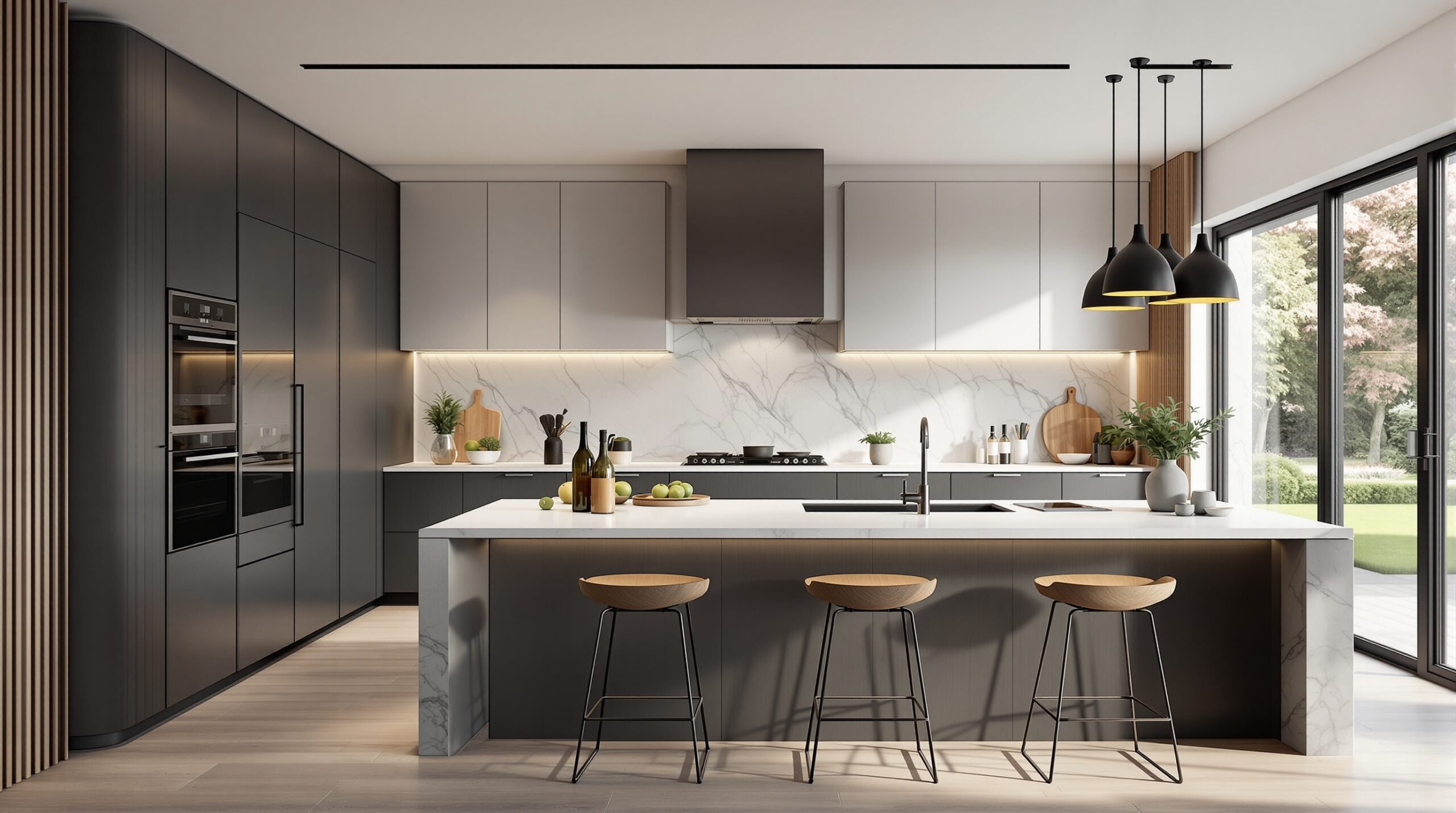
- Kitchen Design: The heart of the home should be accessible to all.
- Adjustable Countertops: Some systems allow for electronic height adjustment, catering to seated or standing users.
- Pull-out Shelves and Drawers: Eliminate the need for deep reaching.
- Side-opening Ovens: Much safer and easier to access than traditional pull-down doors.
- Doors and Hallways: Clear pathways are non-negotiable.
- Wider Doorways: Aim for a minimum of 80-90 cm clearance.
- Lever Handles: As with faucets, these are easier to use.
- Pocket Doors: These slide into the wall, saving space in tight areas.
- Lighting and Controls: Smart lighting is key.
- Voice-Activated Lighting: Domotica systems allow control without physical interaction.
- Dimmable Lights: Reduce glare and eye strain.
- Touch-sensitive or Large-button Switches: Positioned at a height accessible to all.
- Sustainable Building Materials: Many green materials also align with accessibility goals.
- Bamboo Flooring: A sustainable option that is durable and smooth.
- Recycled Content Insulation: Improves comfort and energy efficiency, reducing energy bills.
- Low VOC Paints: Important for indoor air quality, particularly for those with respiratory sensitivities.
Practical Tips for Your Accessible Renovation Journey
Embarking on a renovation, especially one focused on accessibility, requires careful planning and expert guidance. Here’s how to approach it effectively:
- Consult with an Accessibility Expert: Before any plans are drawn, engage with a professional experienced in universal design or accessible housing. They can identify opportunities and potential pitfalls you might overlook.
- Prioritise Your Needs (and Future Needs): Think about your current challenges, but also consider how your needs might evolve over the next 10, 20, or even 30 years. What is a convenience today might be a necessity tomorrow?
- Engage a Qualified Architect or Contractor: For any significant “house renovation Netherlands” project or “house extension Amsterdam,” hire professionals with a proven track record. They understand local “bouwvergunning” requirements and can translate accessibility principles into practical designs.
- Review the Bouwvergunning Process Early: If your renovation involves structural changes, contact your municipality. Understand the application process, timelines, and specific requirements to avoid delays.
- Request Detailed Drawings and 3D Renderings: Visualise the accessible elements. Will a wheelchair fit comfortably? Is the reach to the controls ergonomic?
- Invest in Quality Materials: Durable, low-maintenance “sustainable building materials” will save you time, effort, and money in the long run.
- Test and Iterate with Technology: If incorporating Domotica, test the systems before final installation. Ensure they are intuitive and fully meet your specific interaction preferences.
- Plan for Phased Renovations if Necessary: If a complete overhaul isn’t feasible at once, plan your renovation in phases, tackling the most critical accessibility needs first.
Conclusion: Building a Home for Life
The Dutch approach to accessible home renovation isn’t just about meeting codes; it’s about embracing a philosophy of inclusive living. By thinking ahead, adopting smart technologies, and choosing the right “sustainable building materials,” homeowners in the Netherlands are creating spaces that are not only comfortable and beautiful but also enduringly functional for every member of the family, at every stage of life. This shift towards universal design and levensloopbestendig wonen is a testament to innovation, compassion, and a commitment to building a future-proof home.