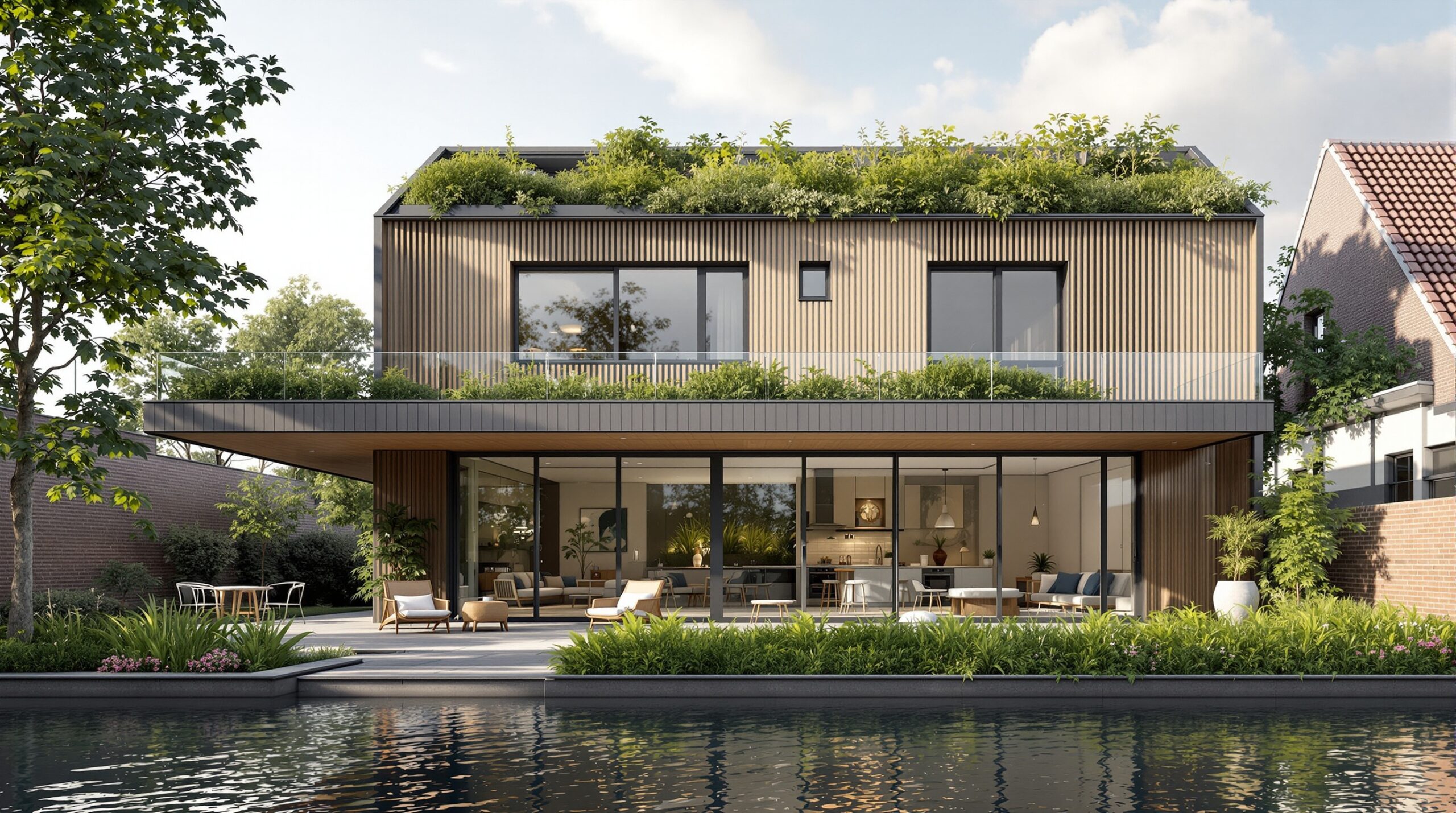
Waterproofing Dutch Homes: Protection from Moisture
Picture the classic Dutch landscape: canals weaving through cities, windmills standing sentinel over polders reclaimed from the sea. It’s a country built on a delicate equilibrium with water. But for homeowners, this relationship isn’t just picturesque—it’s a constant, practical challenge. As climate patterns shift, bringing heavier rainfall and an increased risk of flooding, the question isn’t just about keeping your home dry; it’s about future-proofing it. How can a renovation turn your house into a resilient sanctuary against moisture, while also creating beautiful, functional spaces? The answer lies in a blend of smart design, innovative materials, and a deep understanding of the local environment.
Why Moisture Management is a Dutch Imperative
In the Netherlands, water is rarely a distant threat. The country’s famous fight against the sea, managed by intricate systems of dykes and pumps, extends right to your doorstep. Many neighbourhoods, especially older ones, sit below sea level. The ground itself is often saturated. This means water pressure—both from the soil (rising damp) and from the sky (driven rain)—is a relentless force. A poorly sealed home here isn’t just at risk of a musty basement; it faces potential structural damage, costly energy loss, and unhealthy mould. A renovation focused on waterproofing isn’t a luxury upgrade; it’s a fundamental investment in the longevity and health of your property.
Key Dutch Concepts for a Dry Home
To navigate this, you need to speak the language of Dutch builders and architects.
- Bouwvergunning (Building Permit): Any significant alteration to your home’s structure or exterior, including major waterproofing works, new extensions, or installing a green roof, will likely require this official permit from your municipality. Skipping this step can lead to fines and enforced reversals.
- Vochtwering (Moisture Barrier): This is the overarching term for all techniques and materials used to keep water out, from physical membranes in foundations to specialised plasters on walls.
- Kruipruimte (Crawl Space): Many Dutch homes have a ventilated void beneath the ground floor. Managing moisture here through proper ventilation, insulation, and sometimes a plastic sealing sheet (folie) is critical for a dry, healthy living space above.
- Hemelwaterafvoer (Rainwater Drainage): This refers to your gutters, downpipes, and the system that channels rainwater away from your house. In modern, climate-resilient home renovation projects, this often connects to sustainable solutions like rainwater collection barrels or permeable paving.
Building a Climate-Resilient Fortress: Beyond the Basement
The modern approach to flood-proof home design in the Netherlands goes far beyond sandbags at the door. It’s about integrated design that considers every potential entry point.
1. The Foundation: Your First Line of Defence
Think of your home’s foundation as its boots. They need to be completely waterproof. During a renovation, especially for an extension, this often means applying a thick, bituminous coating or a high-quality plastic membrane to the outer walls of the foundation and basement. For existing homes showing signs of rising damp, solutions might involve injecting a chemical damp-proof course or installing an internal membrane system. This is complex, disruptive work that absolutely requires a professional assessment and execution.
2. Walls and Roofs: The Shield Overhead
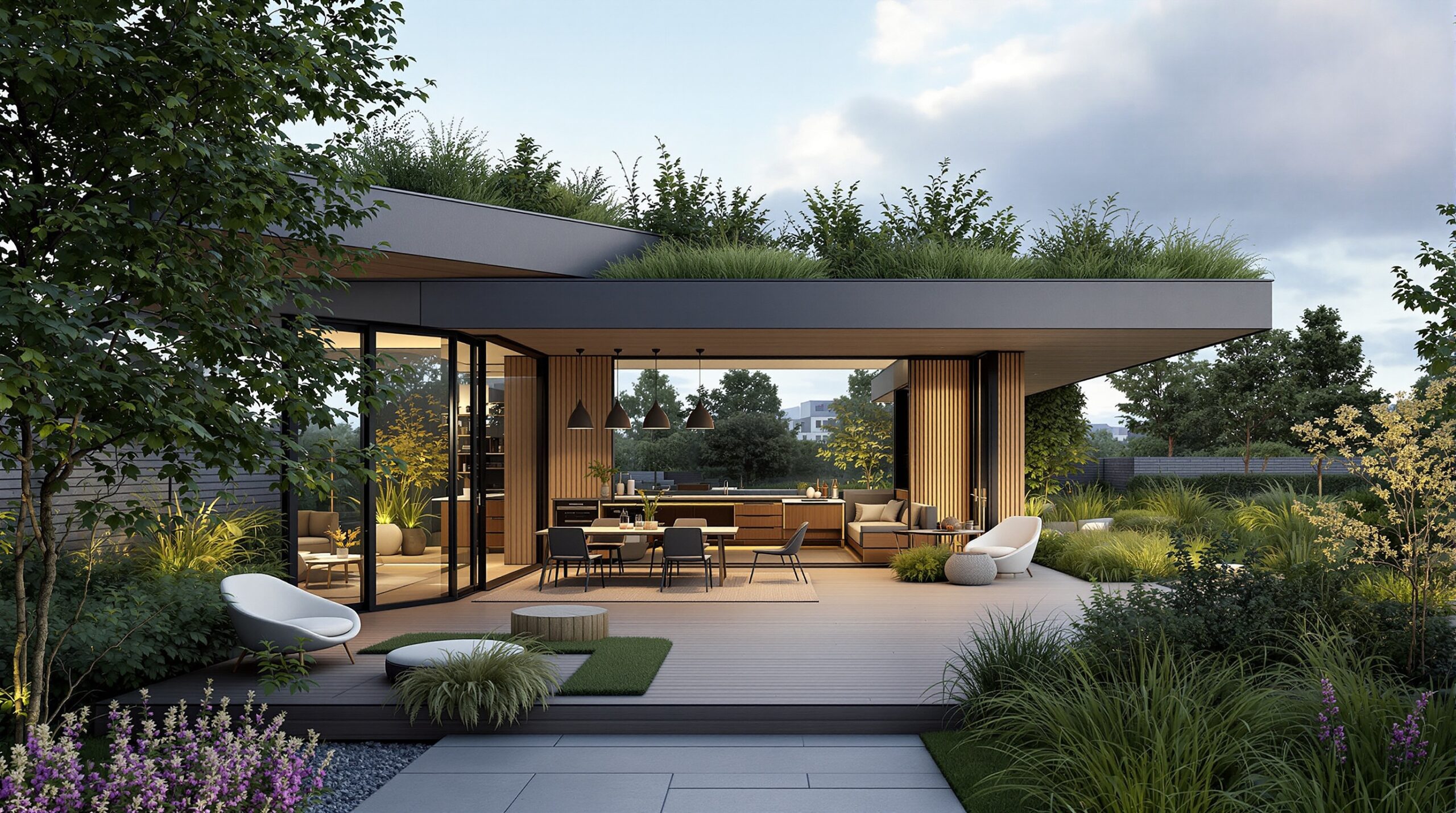
Walls, particularly those facing the prevailing wind and rain, need a robust, sealed finish. Modern insulated render systems provide excellent protection. For roofs, the standard is a well-installed, high-quality underlay beneath your tiles or slates. But the true frontier of climate-resilient home renovation is the green roof renovation.
A green roof isn’t just a pretty garden in the sky. The layer of soil and vegetation acts as a massive sponge, absorbing up to 70% of rainfall, drastically reducing runoff and delaying its journey to the gutters. It also provides superb insulation. This is a prime example of working *with* nature to solve a technical problem. Installation, however, is not a DIY job—it requires a structural check to ensure your roof can bear the weight and professional fitting of root-resistant membranes and drainage layers.
3. Redefining the Outdoors: Living with Water, Not Against It
The Dutch philosophy of outdoor living design in the Netherlands is evolving. Instead of fighting every drop of water, innovative designs incorporate it. This means:
- Permeable Surfaces: Replacing solid concrete patios and driveways with gravel, special permeable paving blocks, or even grass paving grids allows rainwater to seep back into the ground locally, reducing pressure on public drains.
- Smart Landscaping: Creating gentle, graded slopes that direct water away from the house towards planted areas or a designated wadi (a shallow, dry ditch that temporarily holds water).
- Elevated Terraces: Building wooden decks or tiled terraces on a raised frame creates an air gap, keeping the seating area dry and allowing water to flow beneath.
Practical Steps for a Watertight Renovation
If protecting your home from moisture is a priority in your renovation plans, follow this clear path.
- Hire a Specialist Surveyor: Before you even sketch an idea, bring in a professional (bouwkundige) to conduct a moisture survey. They will use tools like thermal cameras and moisture meters to identify current problems and vulnerabilities you cannot see.
- Integrate Waterproofing from the Start: Discuss moisture strategy with your architect and builder at the very first design meeting. It should be a core pillar of your plans, not an afterthought.
- Choose Materials for the Long Haul: Opt for materials known for durability in wet conditions. Think about composite decking instead of softwood, ceramic tiles with high slip resistance for wet areas, and zinc or coated steel for flashings and gutters.
- Plan for the Extreme: In flood-prone areas, consider installing mechanical systems like a retourklep (non-return valve) in your sewer line to prevent backflow during heavy storms, or even waterproof barriers for doorways.
- Maintain Vigilantly: A perfect system can fail with blocked gutters or cracked seals. Make cleaning and inspecting your roof, gutters, and ground-level seals an annual ritual.
Conclusion: An Investment in Certainty
In the Netherlands, a home renovation that masters moisture is about more than fixing a leak. It’s a strategic move that safeguards your biggest investment, slashes future maintenance costs, improves energy efficiency, and directly contributes to your family’s well-being. From the foundational flood-proof home design principles to the beautiful utility of a green roof renovation and the thoughtful flow of outdoor living design, each element weaves together to create a resilient whole. By partnering with experienced professionals and making waterproofing a central design goal, you’re not just building a drier house. You’re building a safer, more sustainable, and truly future-ready home, perfectly adapted to the unique and ever-changing Dutch landscape.