What Is Plywood
Plywood is one of the most widely used engineered wood products in modern construction, furniture manufacturing, and interior design. Its popularity is based on a unique combination of strength, stability, affordability, and versatility, which makes it suitable for everything from structural applications to decorative finishing. But what exactly is plywood, and why has it become such an essential material across so many industries?
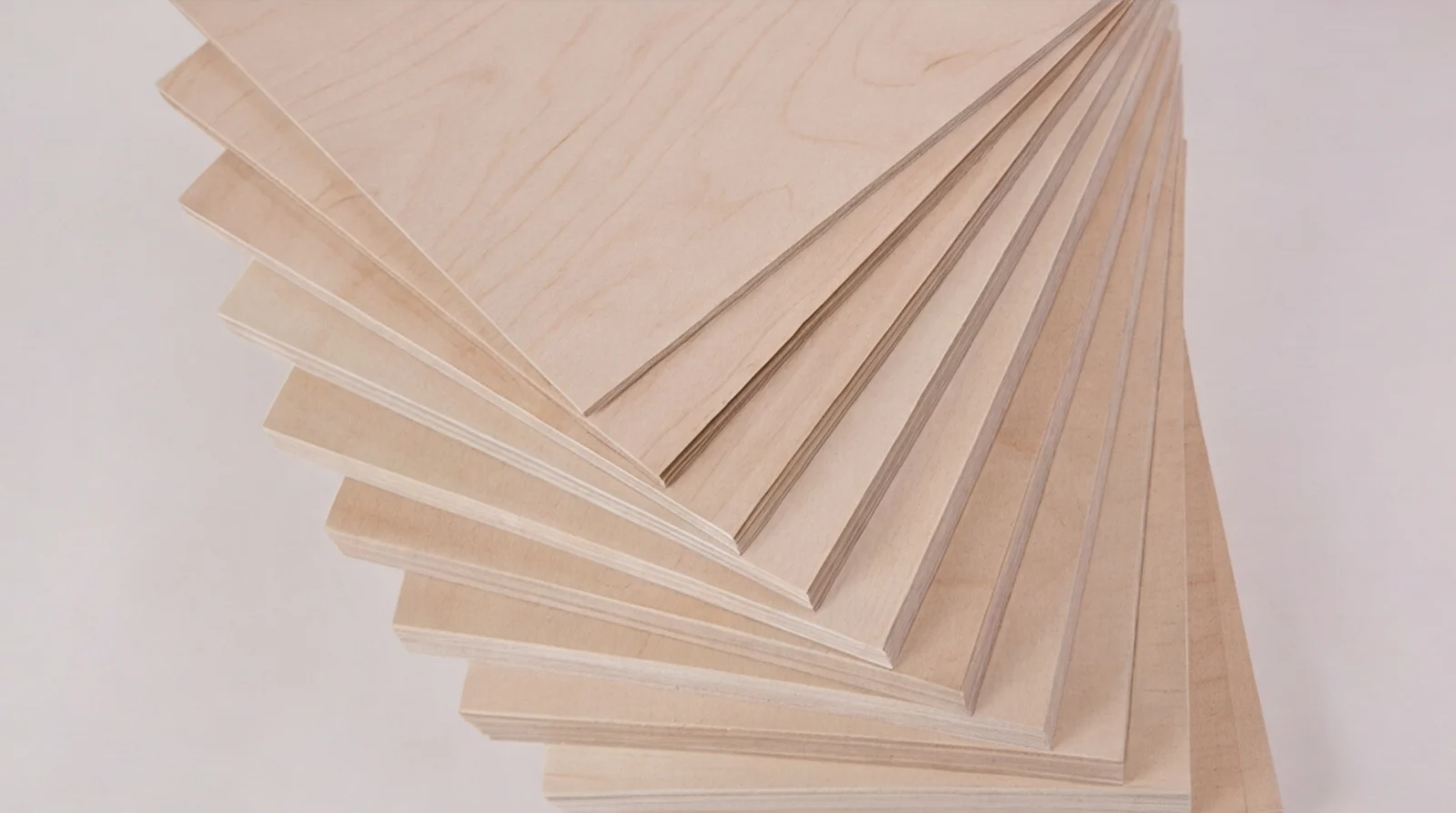
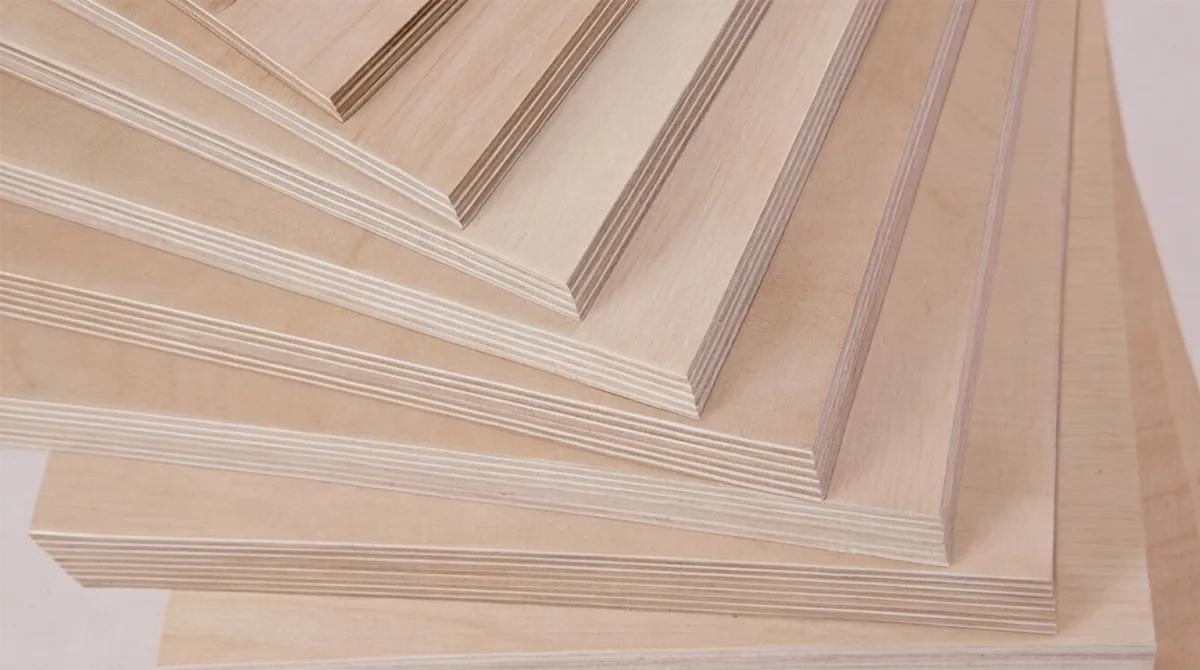
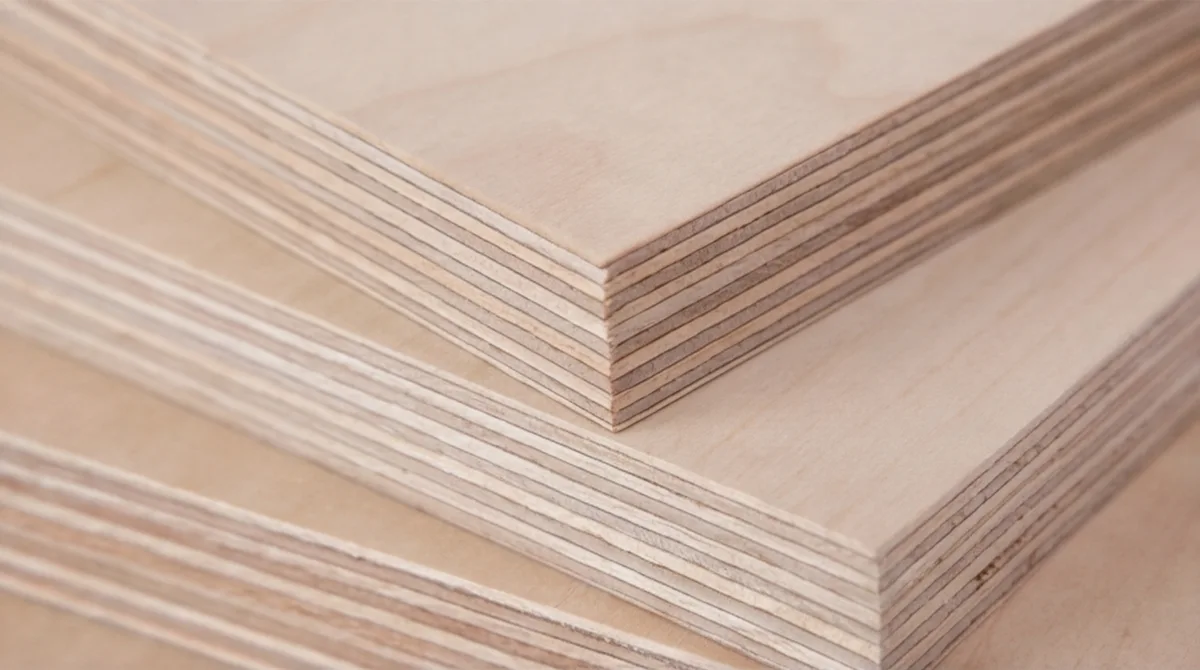
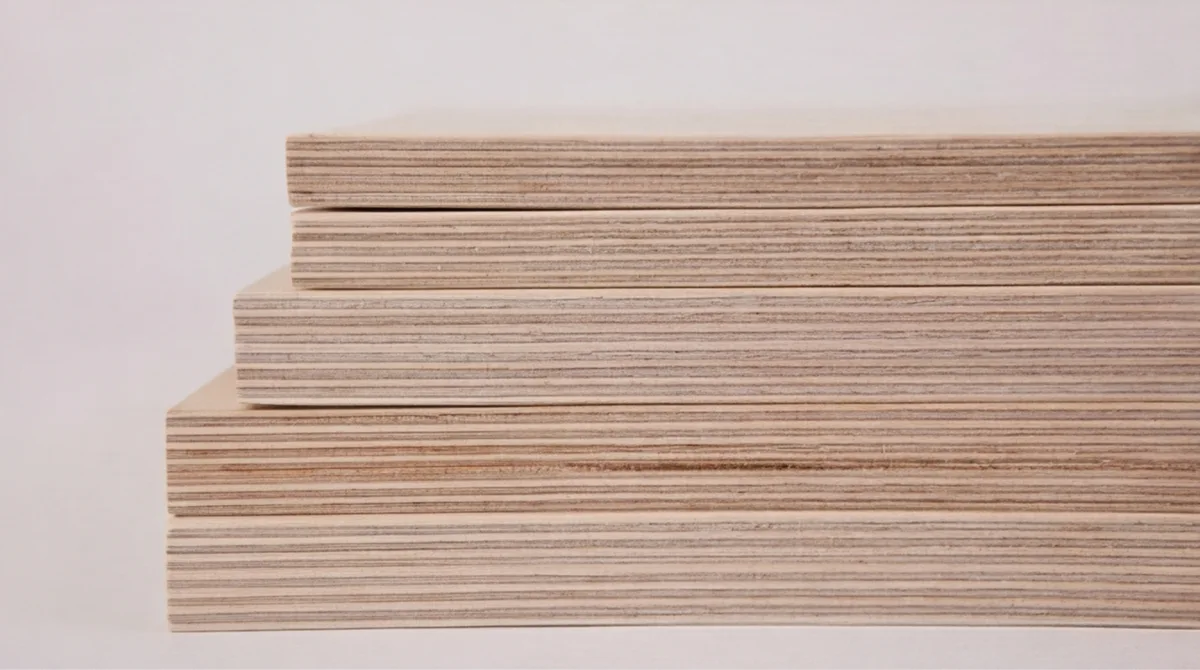
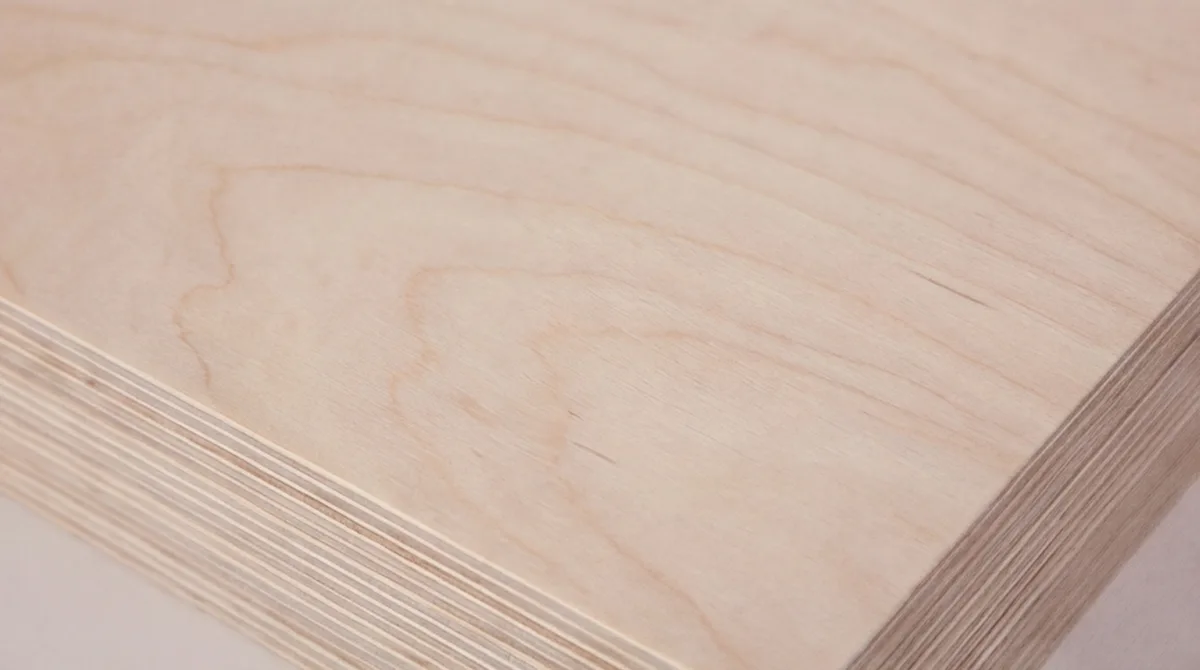
Plywood is a multi-layered composite wood product made by bonding together thin sheets of wood veneer, also known as plies. These veneers are arranged so that the grain direction of each layer runs perpendicular to the one below it—a process known as cross-graining. This structural approach significantly increases the material’s strength and resistance to warping, splitting, and shrinking. Unlike solid wood, which expands or contracts in the direction of the grain, plywood maintains dimensional stability even under changing temperature and humidity conditions.
Each plywood panel typically consists of an odd number of layers—three, five, seven or more—ensuring balance and reducing internal stress. These layers are glued together under high pressure and heat, forming a rigid sheet that performs better than most natural wood boards of comparable thickness. The type of wood, the quality of veneers, and the adhesive used all influence the final characteristics of the panel, allowing manufacturers to create plywood tailored for specific uses such as indoor furniture, structural frameworks, exterior cladding, or even marine environments.
Types of Plywood
Plywood exists in a wide range of varieties, each designed to meet specific performance, strength, and environmental requirements. The differences between plywood types depend on the species of wood used, the intended application, the quality of the veneers, and the type of adhesive. Below are the main categories that help users choose the right plywood for their projects.
Types by Wood Species
Softwood Plywood
- Made from softwood species such as pine, spruce, or cedar. It is commonly used in construction for wall sheathing, roofing, subflooring, and other structural tasks. Softwood plywood is strong, lightweight, affordable, and capable of withstanding heavy loads.
Hardwood Plywood
- Produced from hardwood species like birch, beech, oak, alder, or poplar. It features higher density, a smooth surface, and improved aesthetic qualities. Hardwood plywood is widely used in furniture making, cabinetry, doors, and decorative interior elements.
Tropical Plywood
- Manufactured from tropical hardwoods such as meranti or merbau. It is known for its consistent quality, increased moisture resistance, and superior strength. Tropical plywood is popular in international markets as a reliable, all-purpose material.
Mixed Species Plywood
- Combines different types of wood within a single panel. This allows manufacturers to balance cost and performance, making it suitable for standard construction and furniture applications.
Types by Application
Construction (Structural) Plywood
- Designed for load-bearing construction work—subfloors, wall bracing, roofing, and beams. It is tested for strength and moisture resistance and is often labeled CDX for exterior-grade structural use.
Furniture-Grade Plywood
- High-quality plywood with decorative face veneers. It is used for cabinets, shelves, wardrobes, kitchen furniture, and interior design projects. It offers a smooth finish, minimal defects, and excellent workability.
Exterior Plywood
- Engineered for outdoor use, including cladding, exterior walls, outdoor formwork, and semi-exposed applications. It is bonded with waterproof adhesives but may require additional coatings for long-term durability.
Interior Plywood
- Suitable for indoor projects in dry conditions. It is budget-friendly, easy to cut and shape, but not designed for prolonged exposure to moisture.
Moisture-Resistant (MR) Plywood
- Made with melamine-based adhesives that offer moderate resistance to humidity. Ideal for kitchen cabinets, wardrobes, office furniture, and interior spaces where occasional moisture may occur.
Types by Grading System
Plywood is also classified based on the surface quality of the face and back veneers:
- Grade A – Highest quality: smooth, free of knots and defects; ideal for painting and visible surfaces.
- Grade B – Minor imperfections or small patched areas; suitable for furniture and general interior use.
- Grade C – Visible knots, grain irregularities, and some cracks; typically used for structural or concealed applications.
- Grade D – Lowest grade with significant visual defects; used where appearance does not matter, such as sublayers or construction bases.
Key Properties and Advantages of Plywood
Plywood is valued for its unique engineering, which gives it several important performance advantages over solid wood and other wood-based panels. Its combination of strength, dimensional stability, versatility, and workability makes it a preferred material in construction, furniture production, and interior design. Below are the key properties and benefits that define plywood’s popularity.
Strength and Durability
One of plywood’s greatest strengths comes from its cross-laminated structure. By arranging veneers so that the grain of each layer is perpendicular to the next, plywood achieves:
- High tensile and compressive strength
- Greater load-bearing capacity
- Resistance to splitting or cracking under stress
This makes plywood suitable for structural applications such as flooring, roofing, and wall sheathing.
Dimensional Stability
Plywood maintains its shape exceptionally well compared to solid wood. Thanks to the alternating grain direction:
- It expands and contracts minimally with temperature and humidity changes
- It resists warping, bowing, and cupping
- It stays flat even in demanding environments
This stability is especially valuable in furniture making and architectural projects where precision is essential.
Resistance to Warping and Surface Defects
The layered construction also helps distribute internal stresses evenly across the panel. As a result:
- Plywood is less likely to warp, twist, or swell
- It tolerates minor impacts better than solid boards
- High-quality grades provide a smooth, defect-free surface
These qualities allow plywood to be used both as a structural and finishing material.
Lightweight yet Strong
Plywood offers an excellent strength-to-weight ratio. It is significantly lighter than solid wood of the same size, which offers several advantages:
- Easier transportation and installation
- Reduced structural load in buildings
- Better handling for large furniture pieces or wall panels
This balance of strength and low weight makes plywood versatile and practical in many settings.
Versatility and Wide Range of Applications
Plywood can be manufactured in various:
- Thicknesses
- Sizes
- Grades
- Wood species
- Surface finishes
This flexibility allows it to be used in everything from construction and carpentry to interior design, packaging, and industrial production. It can be cut, drilled, routed, glued, screwed, or finished with ease.
Moisture and Weather Resistance (Depending on Grade)
Certain plywood types—such as exterior, marine, or MR plywood—are designed to withstand increased moisture levels. Benefits include:
- Better performance in damp or humid environments
- Protection against fungal and mold growth
- Longer service life in outdoor or semi-exposed conditions
Water-resistant adhesives and durable veneers help these panels maintain integrity even under prolonged exposure.
Eco-Friendliness and Sustainable Options
Compared to solid timber, plywood makes efficient use of wood resources because:
- Thin veneers allow more material to be produced from fewer logs
- Manufacturing waste is minimal
- Many plywood products are available with FSC or PEFC certification
Sustainable plywood options help reduce environmental impact and support responsible forestry practices.
Cost-Effectiveness
Despite its performance benefits, plywood remains one of the most affordable engineered wood products. Its advantages include:
- Lower cost than solid wood of similar strength
- Long service life, reducing long-term replacement expenses
- Wide availability across markets
This combination of value and durability makes plywood a cost-effective choice for both professionals and DIY users.
Common Uses of Plywood
Plywood’s engineered strength, dimensional stability, and versatility make it suitable for an exceptionally wide range of applications. From construction and furniture-making to interior design and industrial manufacturing, plywood is used in countless projects due to its reliability, affordability, and ease of handling. Below are the most common areas where plywood plays a key role.
Construction and Building
Plywood is one of the most frequently used materials in modern construction. Its strength and structural integrity make it ideal for:
Wall and Roof Sheathing
Plywood panels are used as a base for exterior walls and roofing. They provide excellent support for insulation, tiles, and other finishing materials, ensuring stability and weather resistance.
Subflooring
Thanks to its stiffness and load-bearing capacity, plywood is commonly installed beneath finished flooring materials. It distributes weight evenly and prevents sagging or flexing.
Formwork for Concrete
Plywood serves as temporary molds in concrete casting. Because it is smooth, durable, and reusable, it provides consistent shapes and finishes for concrete structures.
Framing and Structural Components
In some applications, plywood is used to reinforce beams, create bracing systems, or build partitions.
Furniture Manufacturing
Plywood is a staple material in the furniture industry due to its aesthetic potential, strength, and cost-effectiveness.
Cabinetry and Shelving
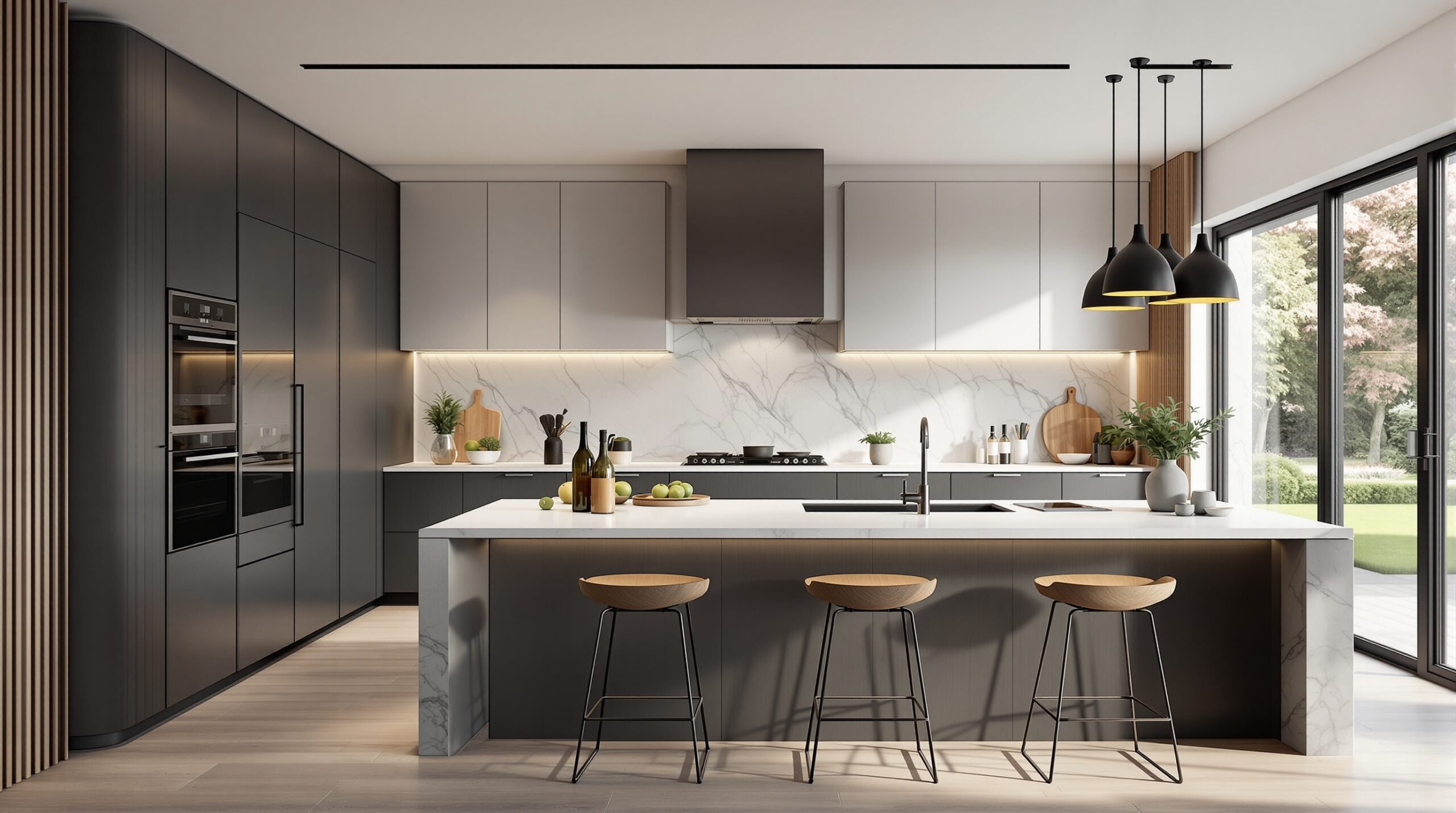
Furniture-grade plywood with decorative veneers (such as oak, walnut, or birch) is used to build kitchen cabinets, wardrobes, bookshelves, and storage units. Its stability ensures doors and shelves retain their shape.
Tables, Desks, and Chairs
Curved plywood, produced through bending techniques, allows designers to create ergonomic shapes for seating and modern furniture styles.
Drawer Boxes and Interior Components
Plywood’s light weight and durability make it ideal for hidden parts of furniture that undergo frequent use.
Interior Design and Architectural Elements
Plywood offers both functional and decorative benefits in interior design.
Wall Panels and Cladding
Decorative plywood panels add warmth, natural texture, and modern aesthetics to interior spaces.
Ceilings and Room Dividers
Lightweight plywood is easy to install and can be shaped or perforated for acoustic and visual effects.
Custom Built-Ins
Closets, benches, niche shelving, and other tailor-made elements often rely on plywood due to its stability and ease of finishing.
Flooring and Underlayment
Plywood is often used as a base layer for various flooring materials, including laminate, vinyl, and hardwood.
Underlayment Panels
They create a smooth, level surface and improve the durability and feel of finished flooring.
Engineered Wood Floors
The core layers of engineered wood planks are typically made from plywood, providing stability and reducing expansion or contraction.
Packaging and Transportation
Plywood is frequently used in industrial packaging because it is strong, lightweight, and resistant to impact.
Shipping Crates and Boxes
Ideal for heavy or valuable items that require protective, durable packaging.
Pallets and Containers
Plywood-based pallets are lighter and can be more economical for logistics compared to solid timber.
DIY Projects and Crafting
Plywood is popular among DIY enthusiasts thanks to its flexibility and affordability.
- Shelving units
- Tool organizers
- Decorative wall art
- Workbenches
- Small furniture pieces
Its easy workability allows users to cut, shape, drill, and finish plywood using basic tools.
Conclusion
Plywood is a strong, stable, and versatile engineered wood product that plays an important role in construction, furniture making, and interior design. Its cross-laminated structure provides excellent durability, resistance to warping, and a reliable performance in both structural and decorative applications.
With a wide range of types and grades available, plywood can be chosen to suit almost any project—from building walls and floors to crafting cabinets or outdoor structures. Understanding its properties and uses helps homeowners, builders, and designers make better material choices. Thanks to its affordability, strength, and adaptability, plywood remains one of the most practical materials in modern building and design.