Post-Minimalism: Warmth in a Tech Era
Imagine your home: sleek, efficient, and undeniably modern, yet it feels like a hotel lobby. The screen glows, the surfaces are impeccably clean, but something essential is missing—a soul. This is the paradox many Dutch homeowners are grappling with. After years of championing stark minimalism and hyper-digital integration, a new heart is beating in the Dutch renovation market. It’s a movement that asks a profound question: in an age of limitless technology, how do we build spaces that feel human again? Welcome to the era of Post-Minimalism, where warmth, texture, and authenticity are becoming the ultimate luxuries in home improvement across the Netherlands.
Basic Concepts: Navigating the Dutch Renovation Landscape
To understand where we’re going, it helps to know the local rules of the road. Renovating in the Netherlands comes with its own specific vocabulary and regulatory frameworks.
- Bouwvergunning (Building Permit): This is the official green light from your municipality. It’s not always required for internal work, but for extensions (uitbouw), changing the roofline, or altering the structural facade, it’s mandatory. Assuming you don’t need one is the fastest way to a costly and stressful stop-order.
- Omgevingsvergunning (Environmental Permit): This is a broader term that often encompasses the building permit. It considers the project’s impact on the living environment, including factors like noise, sustainability, and aesthetics within the neighbourhood context.
- Vooroverleg (Pre-Consultation): This is your most powerful tool. Before finalising plans or submitting permits, you can schedule a meeting with municipal officials. It’s an informal way to test your ideas, understand local planning policies, and avoid obvious application pitfalls.
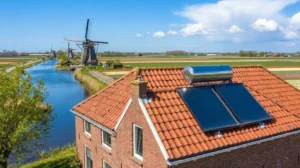
- Energielabel (Energy Label): A mandatory rating (A+++ to G) for homes when sold or rented. For renovations, improving this label isn’t just good for the planet; it’s a direct investment that increases property value and reduces ongoing utility costs.
The Rise of Post-Minimalism: A Human-Centric Design Philosophy
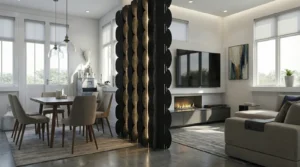
Post-minimalism isn’t about clutter or a rejection of modern design. Think of it as minimalism that’s been on a sabbatical. It returned with stories, textures, and a deep appreciation for comfort. The core idea is to balance clean lines with rich, sensory experiences. It’s the difference between a cold, white wall and a wall finished with pleisterwerk (plaster) that has a subtle, organic texture catching the light. It’s moving from anonymous, mass-produced furniture to a statement piece with visible wood grain or a unique, imperfect form. This trend is a direct response to our screen-saturated lives, creating a physical sanctuary that engages our senses of touch and sight in a more profound, calming way.
Key Elements Defining a Post-Minimalist Renovation
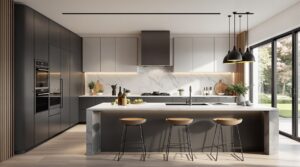
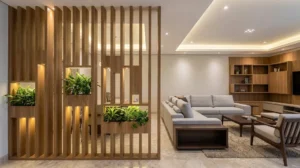
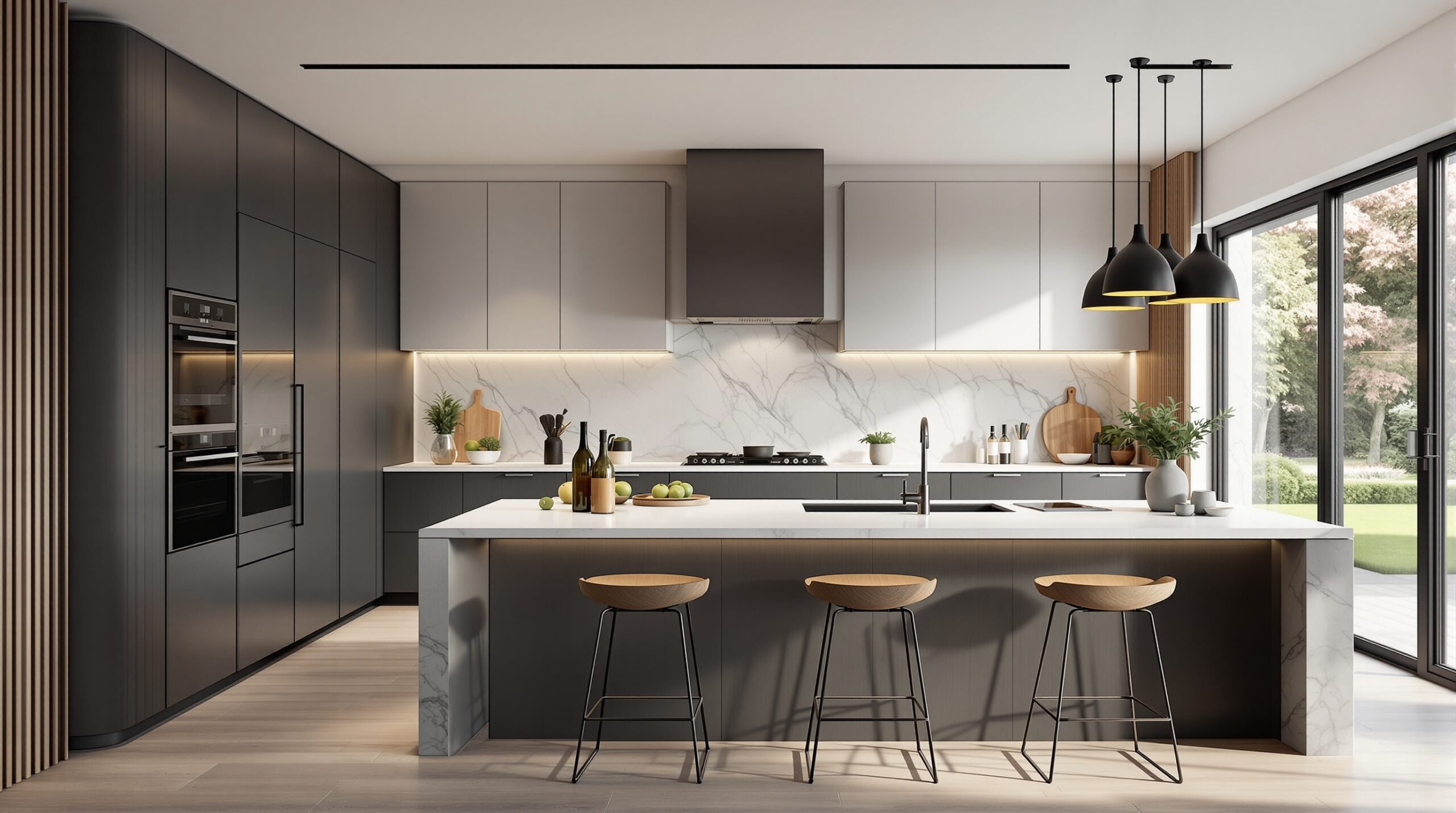
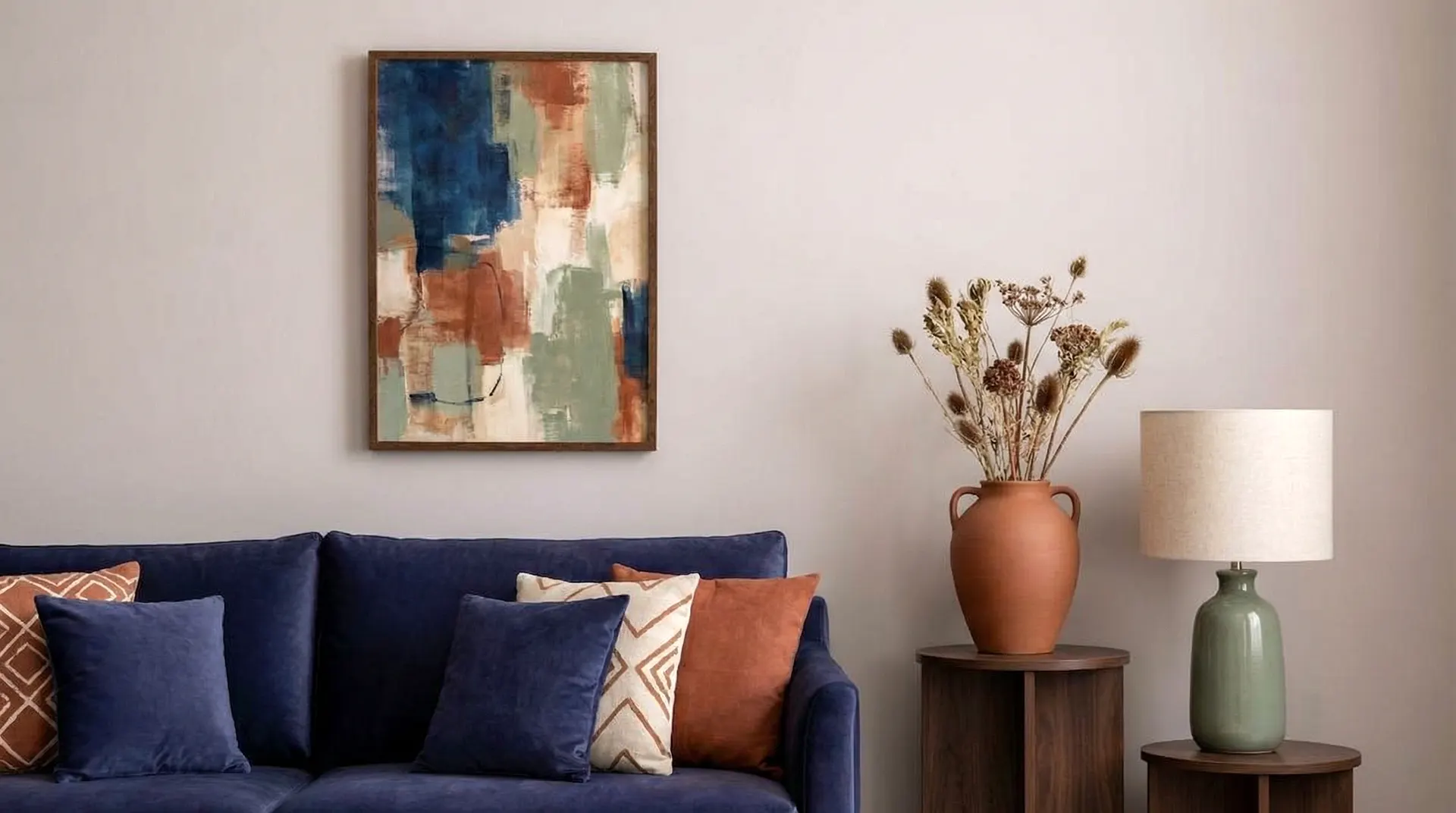
- The Texture Revolution: Materials are chosen for how they feel as much as how they look. Think ribbed glass, fluted wood panels, bouclé upholstery, rough-hewn natural stone, and matte, tactile surfaces replacing high-gloss finishes.
- Warm, Earthy Colour Palettes: The clinical whites and greys are being warmed up with tones of terracotta, ochre, olive green, and deep brown. These create an enveloping, grounded atmosphere.
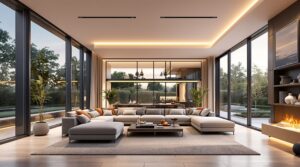
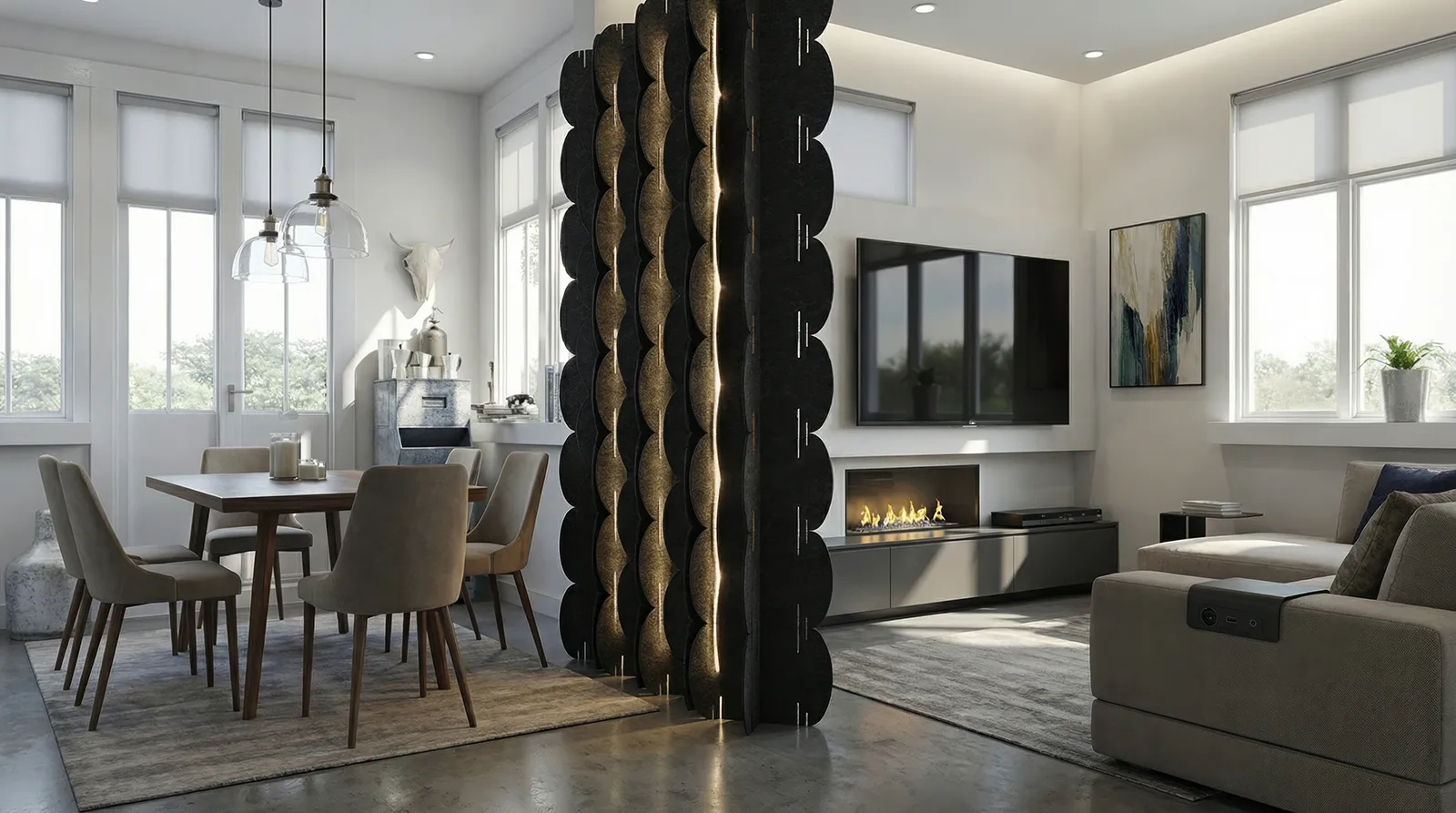
- Integrated Technology, Not Dominant: Technology becomes invisible or beautifully camouflaged. Smart home systems are controlled via simple panels or voice, not wall-to-wall screens. Wireless charging is built into furniture, and lighting is indirect and layered to create mood, not just illumination.
- Celebrating Craft & “Hefbomen” (Levers): There’s a renewed love for craftsmanship and honest materials. This means exposing a beautiful old brick wall (een spouwmuur), highlighting original wooden beams, or using solid wood for cabinetry instead of laminate. The focus is on durability and patina.
Strategic Home Extensions: The Dutch Approach to Adding Space
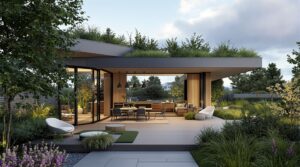
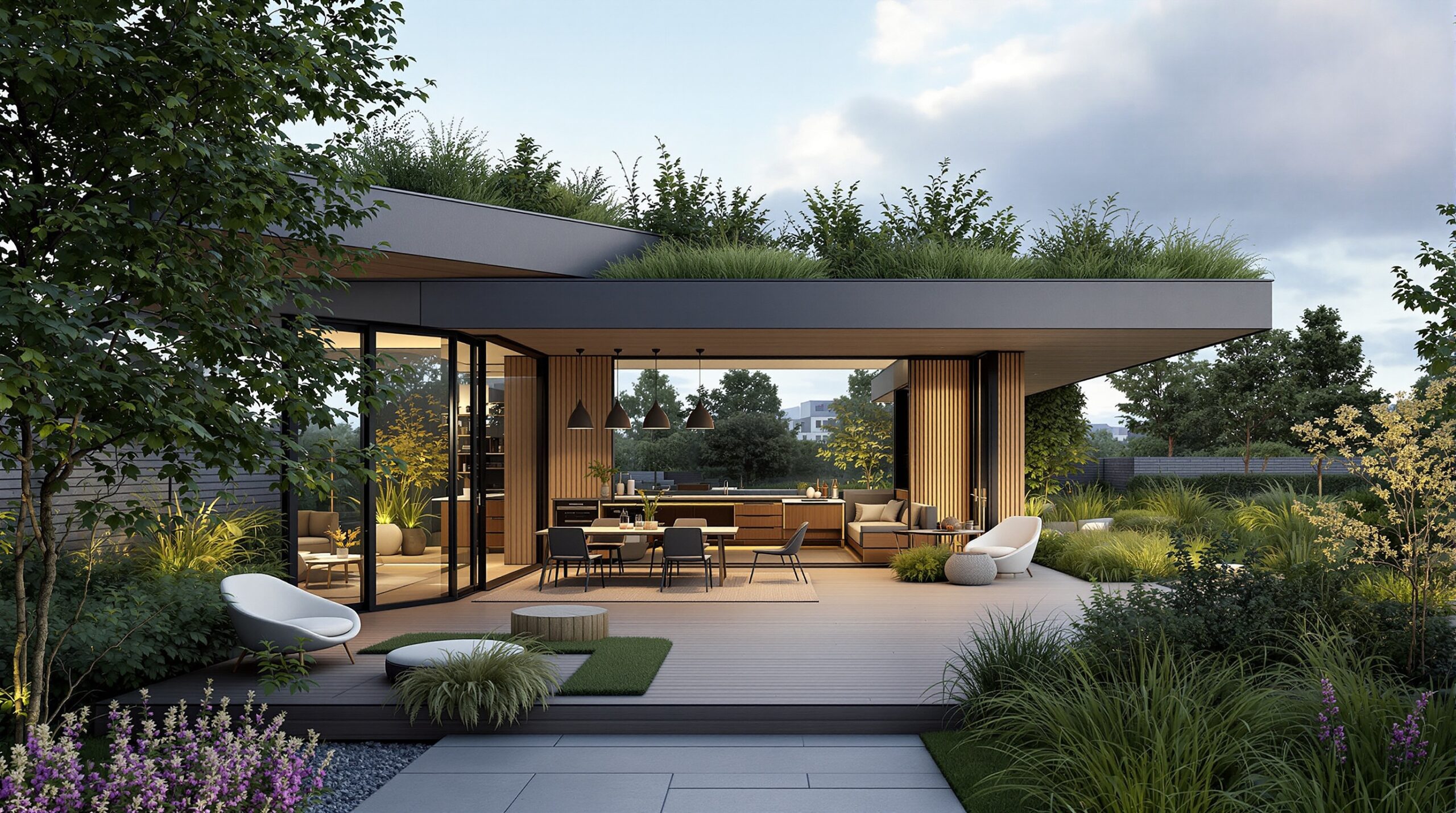
With urban space at a premium, extending your home—whether a zijdelingse uitbouw (side extension) or a achteruitbouw (rear extension)—is a major trend. But in 2026, it’s not just about adding square metres; it’s about adding character and purpose.
The post-minimalist extension often aims to be a serene, light-filled retreat. This is achieved through thoughtful design:
- Maximising Natural Light: Large roof windows (dakramen) or even a full glass section in a sloped roof are popular. The goal is to connect with the sky and flood the space with changing light, reducing the need for artificial light.
- Blending Inside and Out: By using large, sliding glass doors that open onto a garden or patio, the extension dissolves the boundary between interior and exterior living space, a concept the Dutch excel at.
- Material Continuity: Using similar flooring or complementary materials from the main house into the extension creates a cohesive flow, preventing it from feeling like a bolted-on box.
Why a professional is non-negotiable: An extension is a structural undertaking that affects your home’s integrity, drainage, and energy performance. An architect or qualified builder will ensure the new structure not only looks beautiful but also complies with stringent Dutch building codes, insulation standards (Bouwbesluit), and gets the necessary bouwvergunning.
Sustainable Materials: The Foundation of a Modern Dutch Renovation
In the Netherlands, sustainability is a default consideration, not a trendy add-on. The post-minimalist love for natural materials dovetails perfectly with this. The choice of material is now a central design decision with long-term impact.
Popular and Responsible Material Choices for 2026:
- Bio-based Insulation: Materials like hemp, cork, sheep’s wool, and wood fibre are replacing synthetic options. They regulate humidity better, have excellent thermal properties, and have a vastly lower carbon footprint.
- Recycled & Circular Elements: Using reclaimed bricks, tiles, or timber is highly valued. It adds instant history and character while being profoundly sustainable. Even new products like worktops made from recycled glass or composite decking from plastic waste are gaining traction.
- Natural Finishes: Clay and lime-based plasters for walls are breathable, improving indoor air quality. For floors, sustainable options like linoleum (made from natural materials) and engineered wood from certified forests are preferred over vinyl or tropical hardwoods of uncertain origin.
These materials are investments. They may have a higher upfront cost, but their durability, energy-saving properties, and contribution to a healthier living environment pay dividends for years and directly boost your home’s Energielabel and market appeal.
Practical Tips for Your 2026 Dutch Renovation Journey
- Begin with “Vooroverleg.” Never skip the pre-consultation with your municipality. It clarifies permit requirements for your specific plans and location, saving you time and frustration later.
- Hire the Right Professional Team First. Start with an architect or a specialised renovation advisor. They translate your vision into feasible plans, handle the omgevingsvergunning application, and can recommend trusted builders. This is not a DIY project.
- Define Your “Warmth.” Before talking to builders, gather inspiration. What does warmth mean to you? Is it a sun-drenched reading nook, a kitchen with a textured stone counter, or a living room with soft, ambient lighting? Clear examples will guide your team.
- Budget for the Unseen. In Dutch homes, especially older ones, renovation often reveals surprises—rotten joists, outdated wiring, or insufficient insulation. Allocate at least 10-15% of your budget for unforeseen issues.
- Prioritise the Building Envelope. Before installing a beautiful new kitchen, ensure the basics are superior: high-quality insulation, airtight construction, and efficient glazing. This reduces energy bills and creates a comfortable base for all your interior design choices.
- Integrate Technology Early. Discuss smart home wiring, networking, and automation with your electrician during the planning phase. Concealing cables and planning for future tech is much harder and more expensive as an afterthought.
Conclusion
The future of Dutch home renovation is elegantly human. The 2026 trend of Post-Minimalism guides us beyond sterile efficiency towards homes that engage our senses and nurture our well-being. It’s a philosophy that marries the Dutch commitment to sustainability and smart design with a deep craving for authenticity and comfort. By focusing on thoughtful extensions, honest and warm materials, and crucially, by partnering with skilled professionals who understand both the regulations and the new aesthetic, you can transform your house into a sanctuary that feels genuinely connected—not to a network, but to you.