
Soundproofing for a Peaceful Home
Imagine you’re enjoying a quiet Sunday morning with a book, only for the rhythmic thud of a neighbour’s renovation, the relentless buzz of city traffic, or the high-pitched squeal of a circular saw to shatter the calm. In the densely populated Netherlands, where homes often sit close together and urban life is vibrant, unwanted noise is a frequent intruder. But what if your home could be a genuine sanctuary? A place where the outside world stays firmly outside, allowing you to relax, focus, and sleep undisturbed. Achieving this isn’t just about adding a thicker curtain; it’s a science of stopping sound at its source. This journey into soundproofing explores how the Dutch approach the challenge, blending innovative materials, smart architectural design, and even outdoor spaces to create pockets of profound peace.
The Dutch Soundscape: Understanding the Noise Problem
First, let’s identify what we’re fighting. Sound travels in two main ways: through the air and through solid materials. Airborne noise is what you hear directly, like voices, music, or traffic. Impact or structure-borne noise is the vibration that travels through your building’s skeleton—footsteps on a floor above, a slamming door, or construction machinery. The typical Dutch terraced house, with its shared party walls and often timber or concrete constructions, can be surprisingly effective at transmitting both. Furthermore, older homes may have single-pane windows and insufficient insulation, making them acoustic sieves.
Key Acoustic Concepts for Homeowners
Before you plan any changes, it helps to understand the language of sound control.
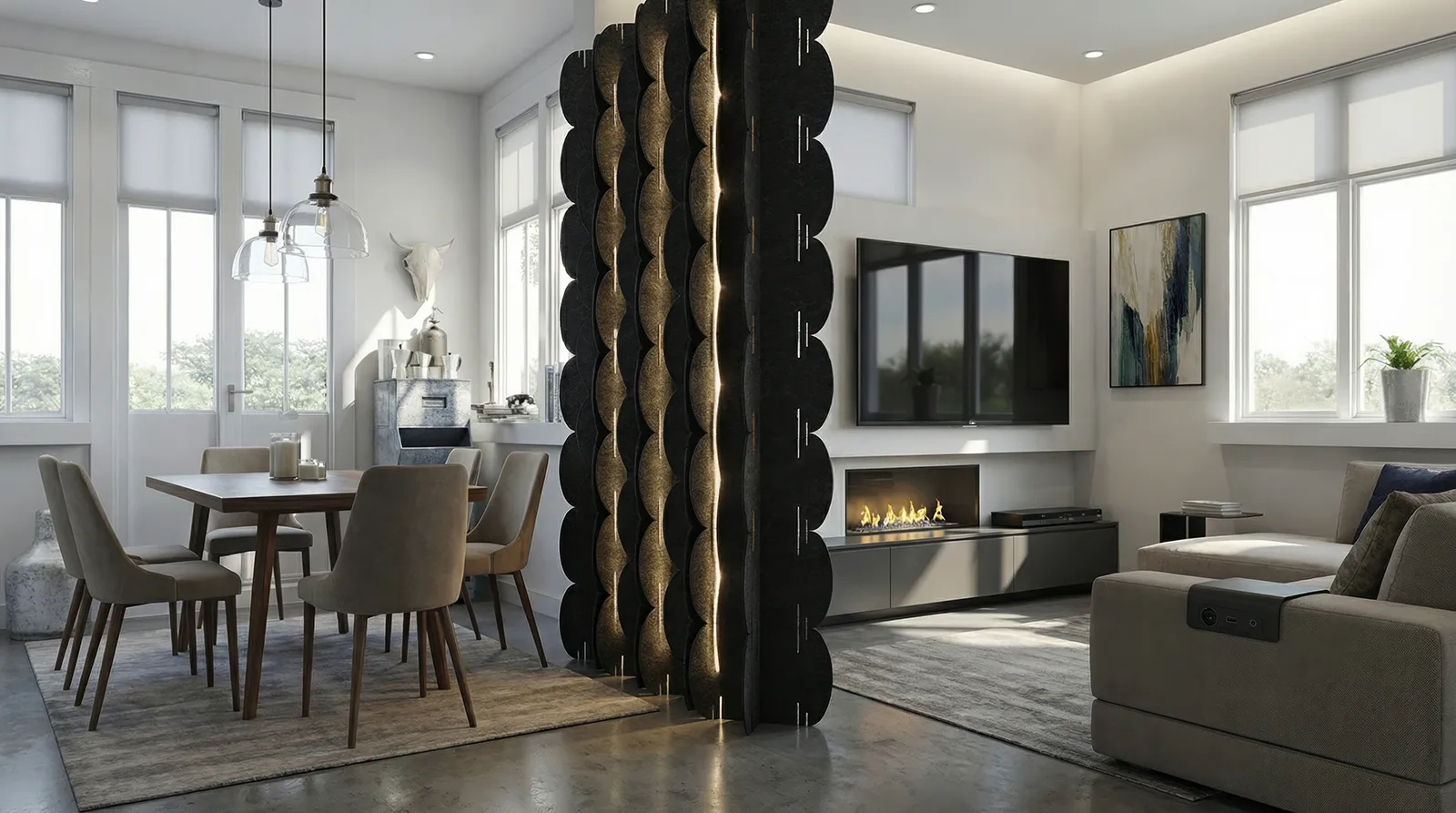
- Sound Insulation vs. Sound Absorption: This is the most common point of confusion. Sound insulation (or soundproofing) is about blocking sound from entering or leaving a space. It requires mass, airtight seals, and often decoupling structures. Sound absorption is about reducing echoes and reverberation within</i a room using soft, porous materials like acoustic panels or thick carpets. You need both for true peace.
- Decoupling: Think of this as creating an acoustic break. If two walls or floor joists are directly connected, sound vibrates easily from one to the other. Decoupling involves separating these structures with resilient channels, acoustic clips, or a floating floor system to disrupt the vibration path.
- Mass and Density: Heavier, denser materials are generally better at blocking sound. Adding mass-loaded vinyl (MLV) to a wall or using dense plasterboard are common tactics.
- Airtightness: Sound follows air leaks. A tiny gap around a window or door can let in a surprising amount of noise. Sealing these gaps is one of the most cost-effective first steps.
Building Your Acoustic Defence: From Windows to Walls
Transforming your home into a quiet retreat is a systematic process. It starts with the weakest points and works inwards. Crucially, this is not a typical DIY project. Incorrect installation can render expensive materials useless, and some solutions require structural understanding. Partnering with an acoustic specialist or an experienced contractor is essential.
Fortifying Your Perimeter: Windows, Doors, and Facades
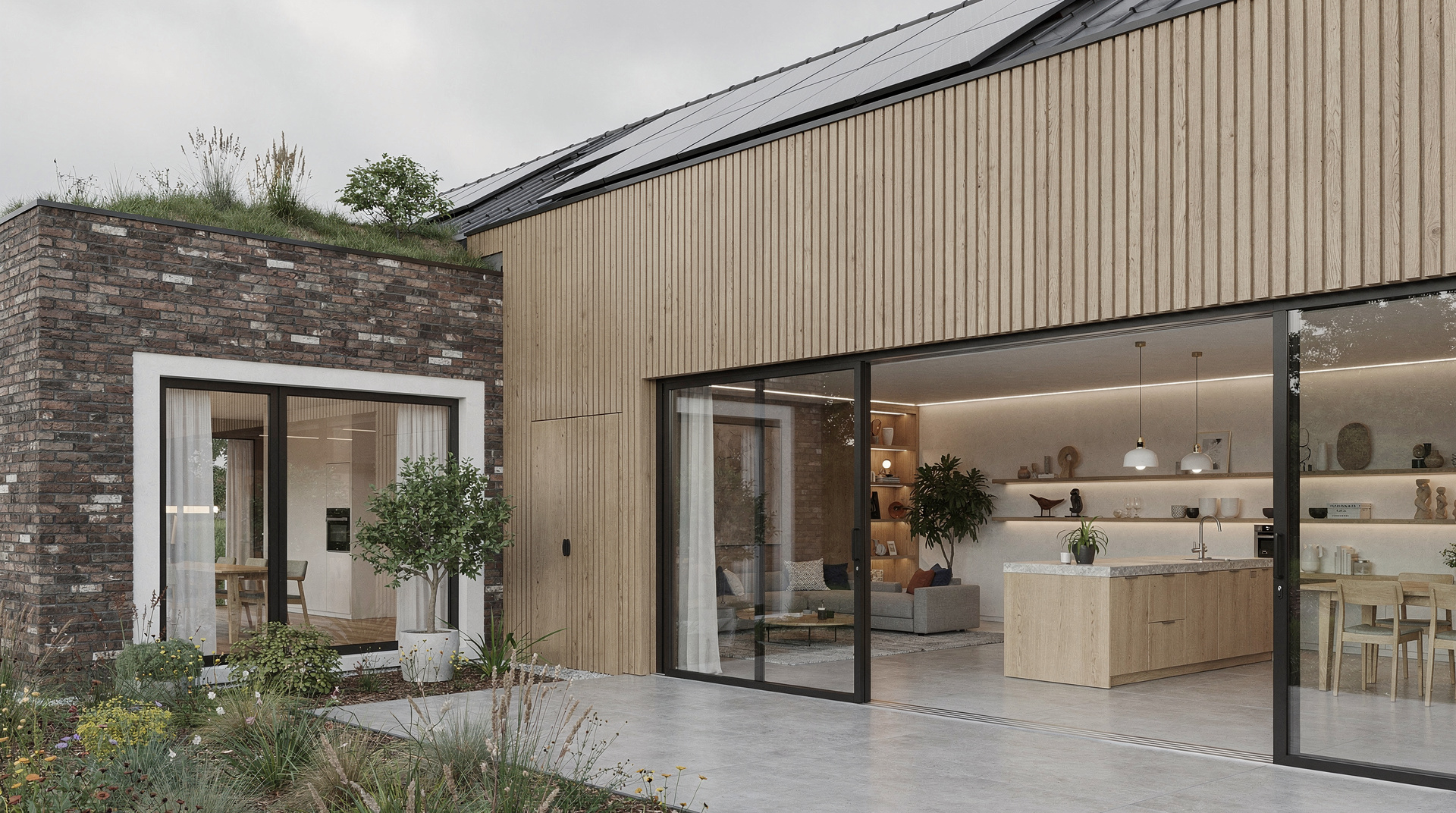
Windows are often the biggest acoustic weak spot. Upgrading to specialist acoustic glazing, which uses laminated glass and wider air gaps between panes, can have a dramatic effect. Don’t forget the installation—ensuring a perfect, airtight fit in the frame is critical. For doors, look for solid-core designs with perimeter seals. If you have a garden-facing room that suffers from street noise, consider an outdoor living design Netherlands experts might suggest: a timber-decked courtyard or a landscaped barrier of evergreen hedges can act as a natural, green sound buffer before noise even reaches your walls.
Taming Internal Noise: Walls, Floors, and Ceilings
For party walls in terraced or semi-detached houses, the gold standard is building a new, independent “stud” wall inside, separated from the existing wall by an air gap and filled with dense mineral wool. Floors pose a unique challenge. A “floating floor,” where a new floor layer is laid over an acoustic underlay and is not fixed to the subfloor, drastically reduces impact noise transmission to rooms below. For ceilings, acoustic panels combined with decoupled drywall can contain noise from an upstairs room or attic conversion.
The Overlooked Frontier: Roofs and Green Innovation
Your roof does more than keep out the rain. A poorly insulated roof admits the drone of aircraft and the drumming of rain. Beyond adding thick insulation, one of the most effective and multi-beneficial solutions is a green roof renovation ideas. A sedum or biodiverse green roof adds significant mass and density, which excels at damping both airborne and impact noise (like hail). It’s a brilliant example of Dutch sustainable innovation solving multiple problems—managing rainwater, improving insulation, supporting biodiversity, and creating a quieter home.
The Holistic Approach: Integrating Acoustic Design into Renovation
The most effective soundproofing is planned from the beginning of a major renovation or extension. When designing a new home office, media room, or bedroom extension, acoustic performance should be a design parameter, not an afterthought.
- Room Layout: Place quiet rooms (bedrooms, studies) away from noisy facades. Use closets, bathrooms, or hallways as buffer zones.
- Material Choices: Discuss acoustic plasterboards, specialised insulation wool, and solid-core interior doors with your architect.
- HVAC and Systems: Modern ventilation systems (like D/EVB systems common in the Netherlands) can be specified with low-noise fans and insulated ducts to prevent them from becoming a new noise source.
Practical Steps Towards a Quieter Home
Ready to start? Follow this action-oriented guide.
- Conduct a Noise Audit. Spend a few days identifying the exact sources, types, and entry points of disruptive noise in your home. Note the times and locations.
- Prioritise and Budget. Start with the biggest gains: sealing gaps around windows/doors, then address the weakest element (e.g., windows facing a road).
- Consult a Professional Early. Engage an acoustic consultant or a contractor with proven experience in soundproofing. They can diagnose issues accurately and propose compliant, effective solutions.
- Invest in Quality Materials. In soundproofing, you truly get what you pay for. Certified acoustic products will perform as specified.
- Think Multi-Benefit. When planning a roof renovation, explore green roofs. When extending, consider the acoustic design from the first sketch. This integrates sound control into your investment.
- Remember Internal Absorption. After insulating, use rugs, curtains, upholstered furniture, and wall hangings to absorb residual reverberation and create a softer, calmer interior atmosphere.
The Sound of Silence
In a world that grows noisier by the day, the value of a quiet home cannot be overstated. It is an investment in your health, wellbeing, and quality of life. For Dutch homeowners, the path to peace involves a blend of technical understanding—mastering concepts like decoupling and mass—and embracing innovative, sustainable solutions like green roofs and strategic garden design. By tackling sound systematically, from the perimeter to the interior, and always with professional guidance, you can transform your house from a mere shelter into a true acoustic refuge. The result is a home that doesn’t just look beautiful, but feels profoundly peaceful.