Essential Electrical Safety Checks Before Buying an Older Dutch Home
Before you buy an older home in the Netherlands, have the electrical installation measured, not just looked at. Wiring and fuse boxes from the post-war decades were designed for far lower loads than a modern household places on them, and the insulation around old cables deteriorates slowly and out of sight. A fault here is a fire and shock risk, and it is costly to put right once the house is yours.
Electrical safety is rarely covered in depth by a standard viewing or survey, so the buyer has to ask for it. Doing so before you sign gives you a basis for negotiating the price and planning the work.
Why the Age Clause Leaves Electrical Risk With the Buyer
Most Dutch purchase contracts for older homes include an ouderdomsclausule, or age clause. It states that, because of the building’s age, the buyer accepts that the house may not meet the standard of a newer one. In practice, if the wiring proves outdated after the sale, it is hard to hold the seller responsible.
A general property inspection (bouwkundige keuring) usually concentrates on structure, damp, the roof and foundations. It may note an old fuse box, but it does not normally include measurements on the circuits. The electrical check is something you add deliberately.
Warning Signs in Old Wiring and Meter Cupboards
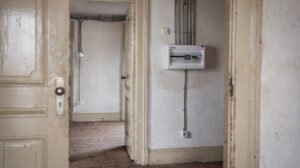
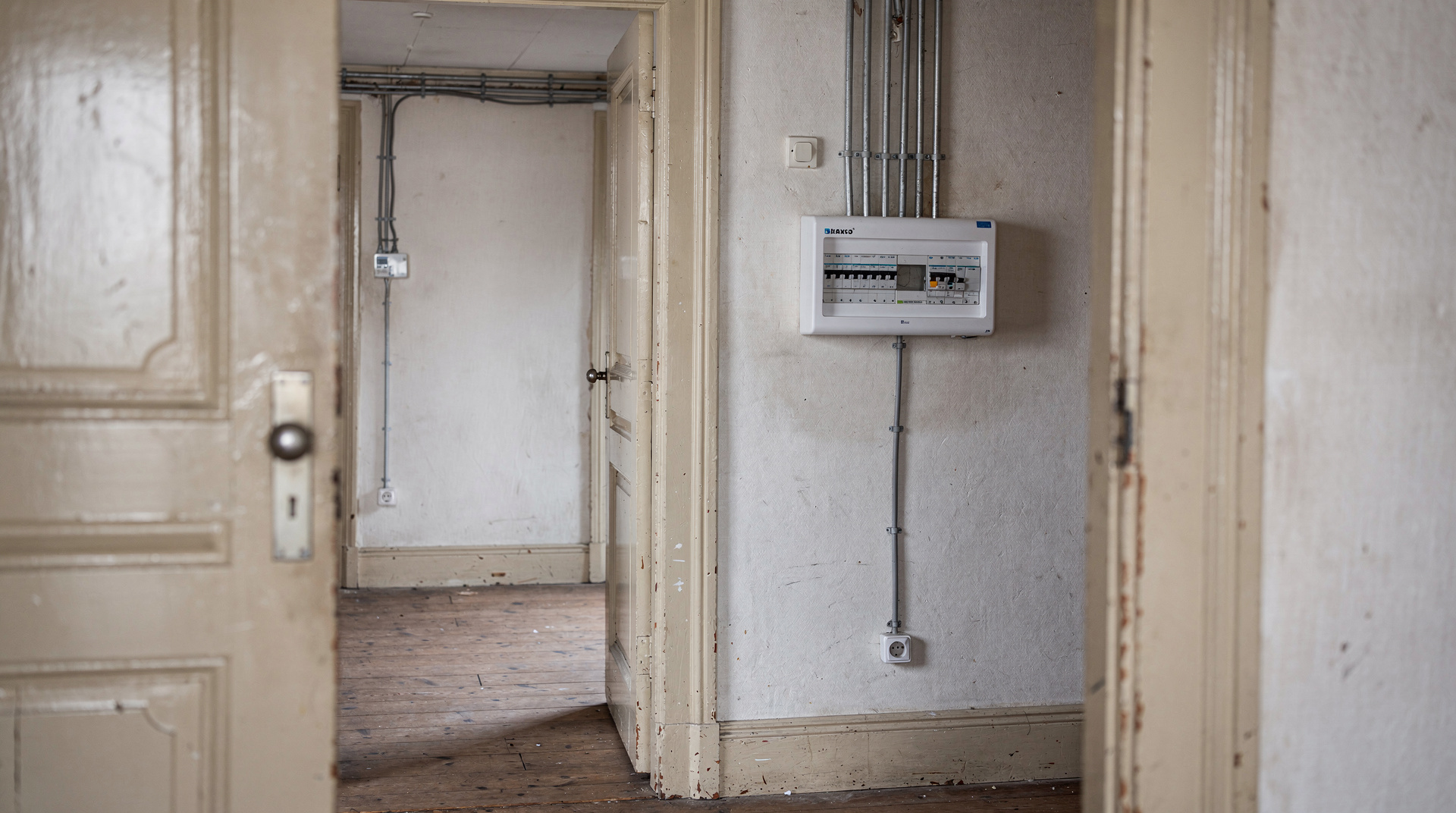
The meter cupboard (meterkast) is the first place to look, and you can learn a lot without touching anything. Rubber and cloth cable insulation hardens and cracks over decades, much like rubber bands left in a drawer, and cracked insulation allows current to leak or arc. Watch for these signs:
- Ceramic screw-in fuses instead of modern circuit breakers.
- No earth leakage circuit breaker (aardlekschakelaar), the device that cuts power within a fraction of a second if current flows to earth, for example through a person.
- Very few circuits, with a whole floor on one group and extension leads in every room.
- Sockets without an earth connection, cloth-covered cables or old lead-sheathed cable.
- Scorch marks, buzzing, warm cover plates or a smell of burning.
- Panels behind older meters that may contain asbestos. Homes built before the Dutch asbestos ban in the 1990s can have them, and a licensed specialist must handle removal.
What a Professional Electrical Inspection Measures
An installer carrying out an inspection tests the installation against NEN 1010, the Dutch standard for low-voltage installations. Typical measurements include the insulation resistance between conductors, which shows whether the insulation has broken down, the continuity of the earth connection, the trip time of the earth leakage breaker, and whether each circuit breaker suits the thickness of the cable behind it.
These readings need calibrated instruments and, in several cases, a live installation, so they are not a task for a buyer or a handyman. The result is a written report that ranks defects by seriousness, which you can use in price negotiations.
When a Fuse Box Upgrade or Rewiring Becomes Necessary
A fuse box upgrade replaces the old board with a modern consumer unit with circuit breakers, earth leakage protection and more groups. It can be enough when the cables are in good condition. Rewiring an old house is needed when insulation is brittle, cables are too thin for today’s loads or there is no earth conductor.
Modern appliances raise the stakes. An induction hob, heat pump, electric car charger or solar panel inverter adds load, and the existing grid connection may need to be increased. That is arranged with the grid operator (netbeheerder) and is not instant, so it belongs in the plan early.
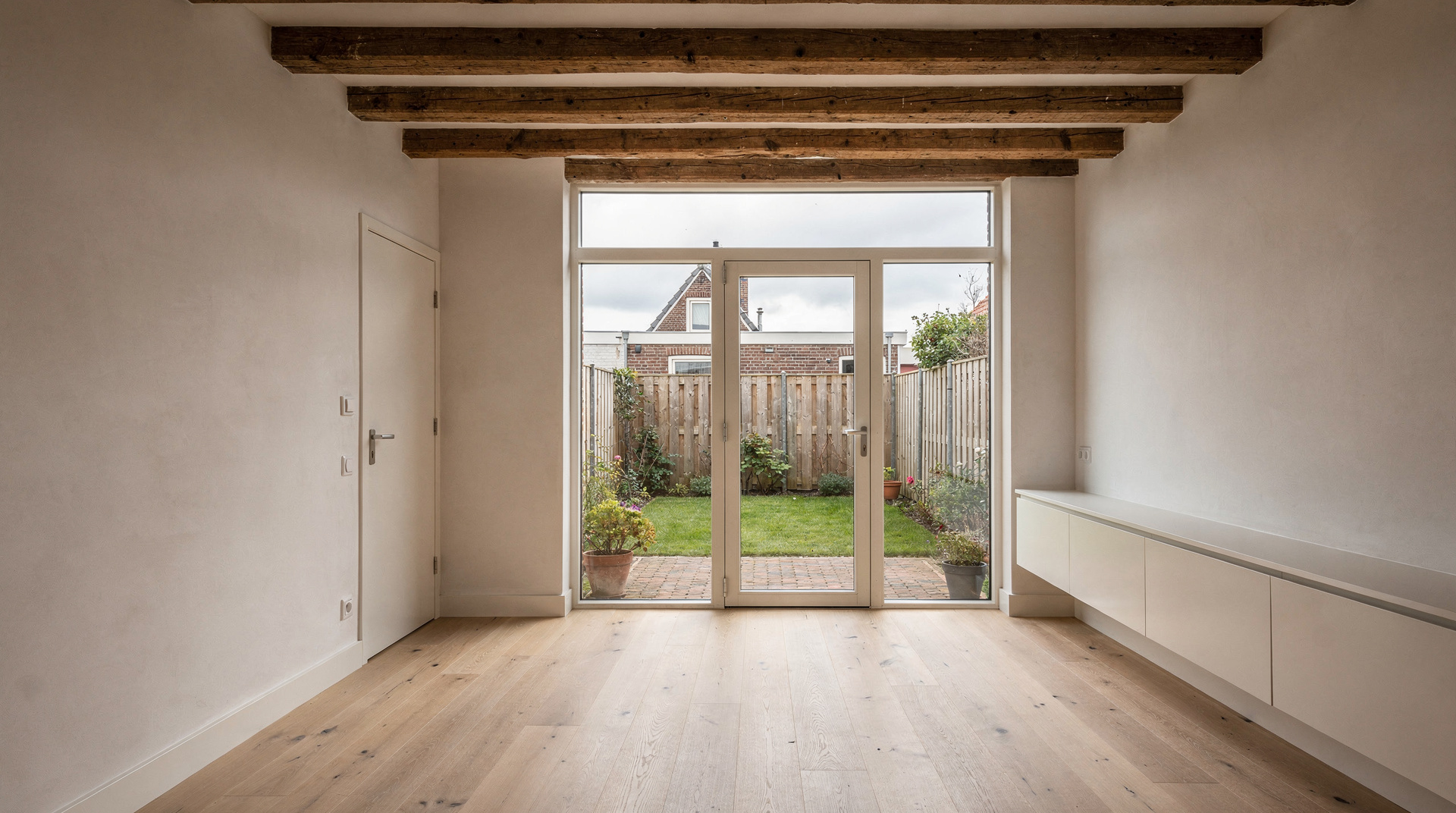
The easiest moment for electric installation work is when walls and floors are already open. CBS Renovation carries out this work as part of whole-house renovations and extensions, so cabling, sockets and the new board are planned together with plastering and flooring.
Checklist for Viewings and the Purchase Contract
- Ask the seller when the installation was last renovated and request any invoices or inspection reports.
- Look at the meter cupboard during the viewing, photograph what you see and leave everything closed.
- Read the age clause in the draft contract and ask your purchase broker (aankoopmakelaar) how it applies.
- Commission a property inspection that includes electrical measurements by a qualified installer.
- Request an indicative scope of work for any defects before you sign, so you can negotiate the price or add a condition to the contract.
- Have suspected asbestos panels assessed before you plan any work around them.
- Check that your planned heat pump, hob or charger fits the existing grid connection.
If the report on your future home mentions a screw-fuse board or cloth-covered cabling, make the rewiring the first item in your renovation plan, because it decides where walls are opened and floors lifted.