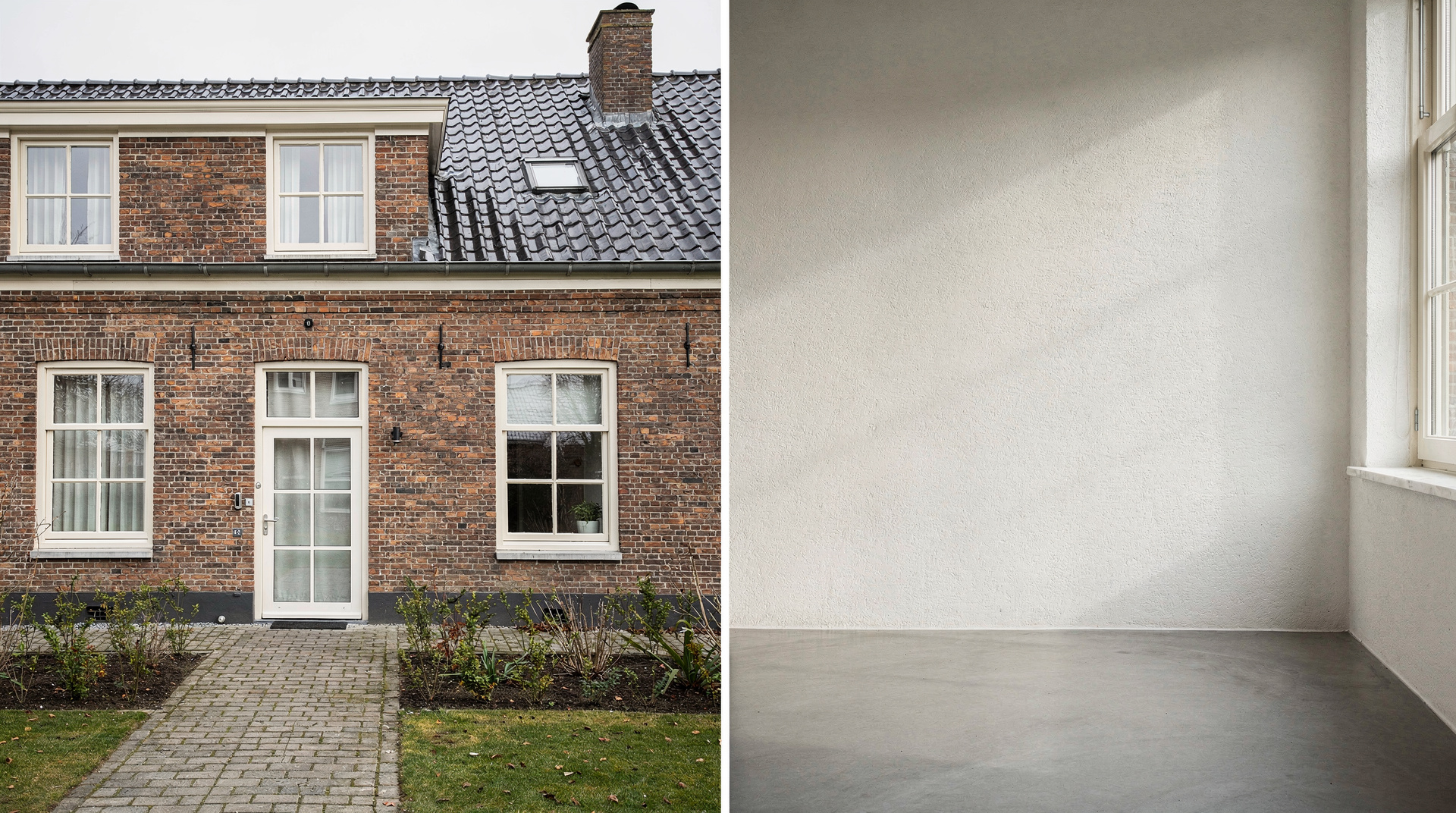

Bespoke Kitchen Designs: Showcasing Your Culinary Passion
A bespoke kitchen is built around the way one household cooks, not around a standard range of units. The trends, materials and finishes below are the ones Dutch homeowners are choosing, with the practical points to settle before the work starts.
What Makes a Kitchen Bespoke
A bespoke kitchen design refers to a custom-made kitchen that is tailored to an individual’s specific needs, preferences, and lifestyle. This type of design takes into account the unique characteristics of the space, including the layout, architecture, and interior design.
Benefits of Bespoke Kitchen Design
So, why choose a bespoke kitchen design? The benefits are numerous. Here are just a few:
- Unique and personalized space that reflects your style and culinary passion
- Optimized use of space, taking into account the specific needs and requirements of the kitchen
- High-quality materials and craftsmanship, ensuring a durable and long-lasting kitchen
- Increased property value, as a bespoke kitchen design can be a major selling point
- Improved functionality and workflow, making cooking and entertaining a breeze
Trends in Bespoke Kitchen Design in the Netherlands
In the Netherlands, bespoke kitchen design is influenced by the latest trends and styles. Some of the current trends include:
- Minimalist and sleek designs, with a focus on clean lines and simple shapes
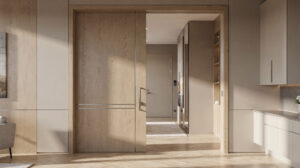
- Use of natural materials, such as wood and stone, to create a warm and inviting atmosphere
- Incorporation of smart technology and innovative appliances, making cooking and entertaining easier and more efficient
- Focus on sustainability and eco-friendliness, with the use of recycled materials and energy-efficient solutions
- Creation of a social hub, with large islands and open-plan layouts, perfect for entertaining and socializing
Materials and Finishes: Choosing the Perfect Look
Materials and finishes decide how a bespoke kitchen looks and how it holds up. In the Netherlands, homeowners can choose from a wide range of materials, including:
- Wood, such as oak, walnut, and beech, for a warm and traditional look
- Laminate and composite materials, for a durable and low-maintenance finish
- Stone, such as granite and marble, for a luxurious and sophisticated look
- Glass and acrylic, for a modern and sleek finish
- Stainless steel and metal, for an industrial and edgy look
In addition to the choice of materials, the finish is also an important consideration. Some popular finishes include:
- Matt and satin finishes, for a subtle and understated look
- Gloss and high-gloss finishes, for a bold and luxurious look
- Textured and embossed finishes, for a unique and tactile experience
Budget, Layout and Working With a Designer
Creating a bespoke kitchen design requires careful planning and attention to detail. Here are some practical tips to help you get started:
- Define your budget and requirements, taking into account the size and layout of your kitchen
- Research and gather inspiration, looking at different styles, materials, and finishes
- Work with a professional designer or architect, to ensure a functional and aesthetically pleasing design
- Choose high-quality materials and appliances, that meet your needs and budget
- Consider the workflow and functionality of your kitchen, ensuring a smooth and efficient cooking experience
A Kitchen Built Around How You Cook
A bespoke kitchen design is a unique and personalized space that reflects your culinary passion and style. By understanding the basic concepts, trends, and materials, and following practical tips and advice, you can create a dream kitchen that meets your needs and exceeds your expectations.