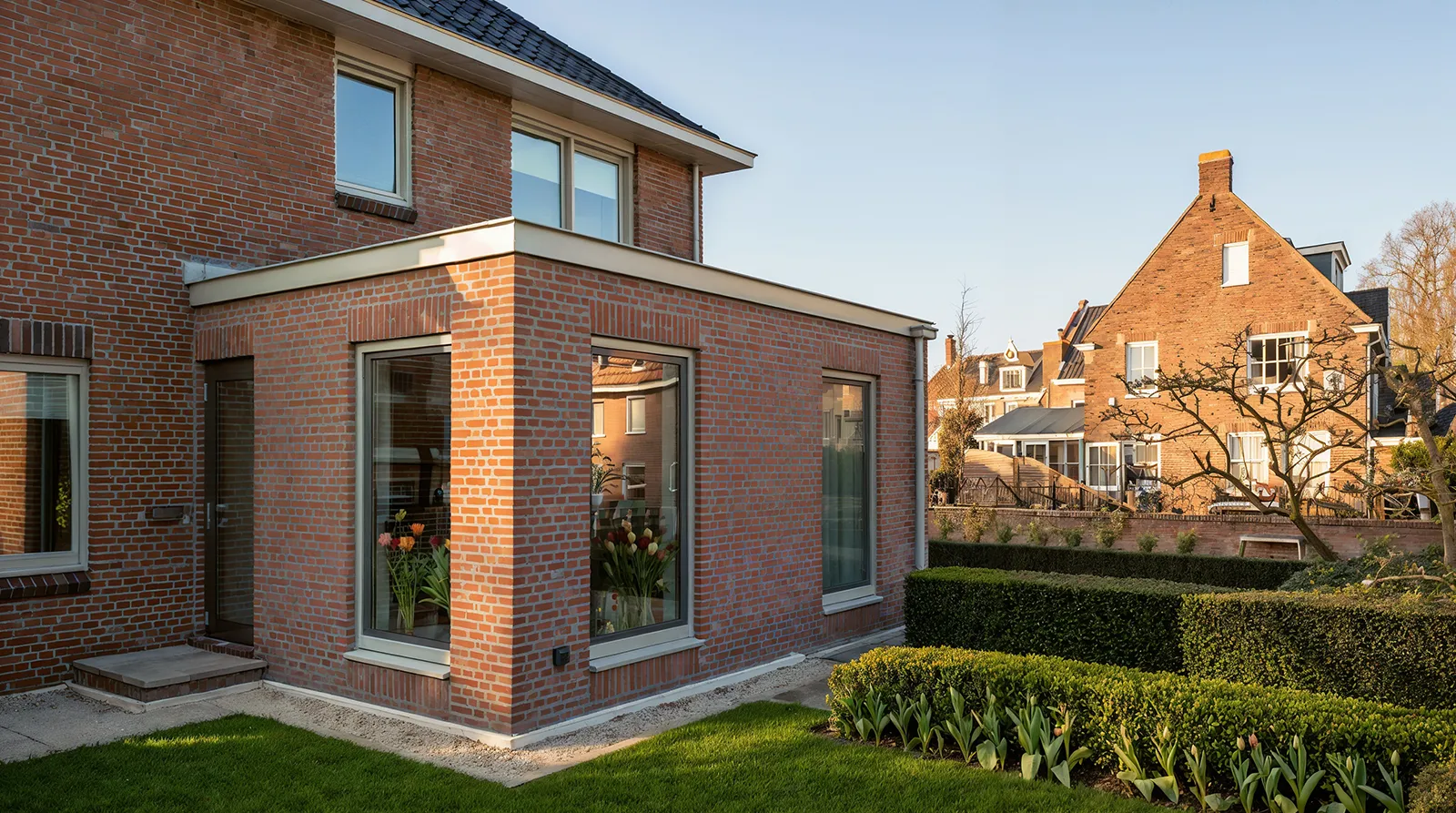
Circular Economy in Renovations: Reducing Waste and Promoting Reuse
In the Netherlands, where sustainability is a top priority, circular economy in renovation is becoming an essential aspect of building practices. This approach focuses on reducing waste, promoting reuse, and recycling materials to minimize the environmental impact of construction projects.
What a Circular Renovation Actually Means
Circular economy is an economic system that aims to reduce waste and the continuous consumption of resources by promoting the reuse and recycling of materials. In the context of renovations, this means designing and constructing buildings that can be easily dismantled, reused, and recycled, thereby minimizing waste and reducing the environmental footprint of construction projects.
By reducing waste and promoting reuse, construction projects can decrease their environmental impact, while also saving costs and creating new business opportunities.
Benefits, Methods and Dutch Case Studies
- Benefits of circular economy in renovations
- Strategies for implementing circular economy in renovations
- Methods that work
- Case studies: Successful circular economy renovation projects in the Netherlands
- Challenges and opportunities for circular economy in renovations
Benefits of Circular Economy in Renovations
The main advantages:
- Reduced waste: By promoting reuse and recycling, circular economy in renovations can reduce the amount of waste generated by construction projects.
- Cost savings: Reusing and recycling materials can help reduce construction costs, while also creating new business opportunities.
- Environmental benefits: Circular economy in renovations can help reduce the environmental impact of construction projects, by minimizing the consumption of resources and reducing greenhouse gas emissions.
- Improved quality: Circular economy in renovations can also lead to improved building quality, as materials are designed to be reused and recycled, rather than discarded.
Strategies for Implementing Circular Economy in Renovations
Implementing circular economy in renovations requires a strategic approach, involving several key steps. These include:
- Design for disassembly: Designing buildings that can be easily dismantled and reused, reducing waste and promoting recycling.
- Material selection: Selecting materials that can be reused, recycled, or biodegradable, reducing the environmental impact of construction projects.
- Supply chain management: Managing the supply chain to ensure that materials are sourced sustainably, reducing waste and promoting reuse.
- Construction methods: Implementing construction methods that minimize waste, such as modular construction or prefabrication.
Methods That Work
These methods make circular renovation work:
- Conducting thorough assessments: Conducting thorough assessments of the building and its materials, to identify opportunities for reuse and recycling.
- Developing a circular economy strategy: Developing a circular economy strategy that outlines the approach and goals for the renovation project.
- Collaborating with stakeholders: Collaborating with stakeholders, including architects, engineers, and contractors, to ensure that the circular economy approach is integrated into the project.
- Monitoring and evaluating: Monitoring and evaluating the circular economy approach, to ensure that it is effective and identify areas for improvement.
Amsterdam City Hall, Van Nelle and Buiksloterham
The Netherlands has several successful circular economy renovation projects that demonstrate the potential of this approach. Some examples include:
- The renovation of the Amsterdam City Hall, which incorporated circular economy principles, such as reuse and recycling of materials.
- The transformation of the former industrial site, the Van Nelle Factory, into a sustainable office building, using circular economy principles.
- The development of the sustainability-focused neighborhood, the Buiksloterham, which incorporates circular economy principles into its design and construction.
Challenges and Opportunities for Circular Economy in Renovations
While circular economy in renovations offers numerous benefits, there are also challenges and opportunities that must be addressed. These include:
- Lack of awareness: Raising awareness about the benefits and importance of circular economy in renovations, among construction professionals and Dutch residents.
- Regulatory frameworks: Developing regulatory frameworks that support circular economy in renovations, such as incentives for sustainable building practices.
- Technological innovations: Encouraging technological innovations that support circular economy in renovations, such as new materials and construction methods.
- International cooperation: Encouraging international cooperation and knowledge sharing, to promote the adoption of circular economy in renovations globally.
Assessing the Building and Its Materials First
To implement circular economy in renovations, we recommend the following:
- Start by conducting a thorough assessment of the building and its materials, to identify opportunities for reuse and recycling.
- Develop a circular economy strategy that outlines the approach and goals for the renovation project.
- Collaborate with stakeholders, including architects, engineers, and contractors, to ensure that the circular economy approach is integrated into the project.
- Monitor and evaluate the circular economy approach, to ensure that it is effective and identify areas for improvement.
Less Waste, Lower Costs, New Opportunities
Circular economy in renovations is a critical aspect of sustainable building practices in the Netherlands. By reducing waste, promoting reuse, and recycling materials, construction projects can decrease their environmental impact, while also saving costs and creating new business opportunities. We recommend that Dutch residents and construction professionals follow the practical tips above.
By working together, we can promote the adoption of circular economy in renovations, reducing waste and promoting sustainability in the construction industry.