Energy-Neutral Renovations: Achieving Net-Zero in Dutch Properties
Dutch homeowners ask about energy-neutral renovation to cut their carbon footprint and their energy bills. What follows: what net-zero means, what it delivers, and the practical steps for getting an existing property there.
What Energy-Neutral Actually Means
Energy-neutral, also known as net-zero, refers to a building that produces as much energy as it consumes over a year. This is typically achieved through a combination of energy-efficient design, renewable energy systems, and advanced building materials. In the context of the Netherlands, energy-neutral renovations involve upgrading existing properties to meet the country’s strict energy efficiency standards.
The Dutch government has set targets to reduce greenhouse gas emissions and promote sustainable development. Energy-neutral renovation is part of how the building sector meets them. Homeowners, architects, and contractors are working together to create energy-efficient and sustainable properties that not only reduce energy consumption but also provide a healthy and comfortable living environment.
Benefits of Energy-Neutral Renovations
The main benefits:
- Reduced Energy Costs: Energy-neutral properties can save homeowners up to 70% on their energy bills.
- Increased Property Value: Energy-efficient properties are highly sought after in the Dutch real estate market, increasing their value and appeal to potential buyers.
- Improved Indoor Air Quality: Energy-neutral renovations often involve the installation of advanced ventilation systems, which can improve indoor air quality and create a healthier living environment.
- Environmental Benefits: By reducing energy consumption and greenhouse gas emissions, energy-neutral renovations contribute to a more sustainable future and help mitigate climate change.
Audit, Insulation and Renewable Energy Systems
Practical steps:
- Conduct an Energy Audit: Before starting any renovation work, conduct a comprehensive energy audit to identify areas of energy inefficiency and prioritize upgrades.
- Insulate and Air-Tighten: Proper insulation and air-tightening are crucial for reducing heat loss and minimizing energy consumption.
- Install Renewable Energy Systems: Consider installing solar panels, wind turbines, or other renewable energy systems to generate electricity and reduce reliance on the grid.
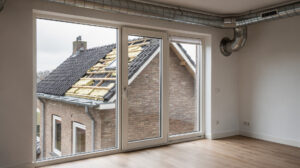
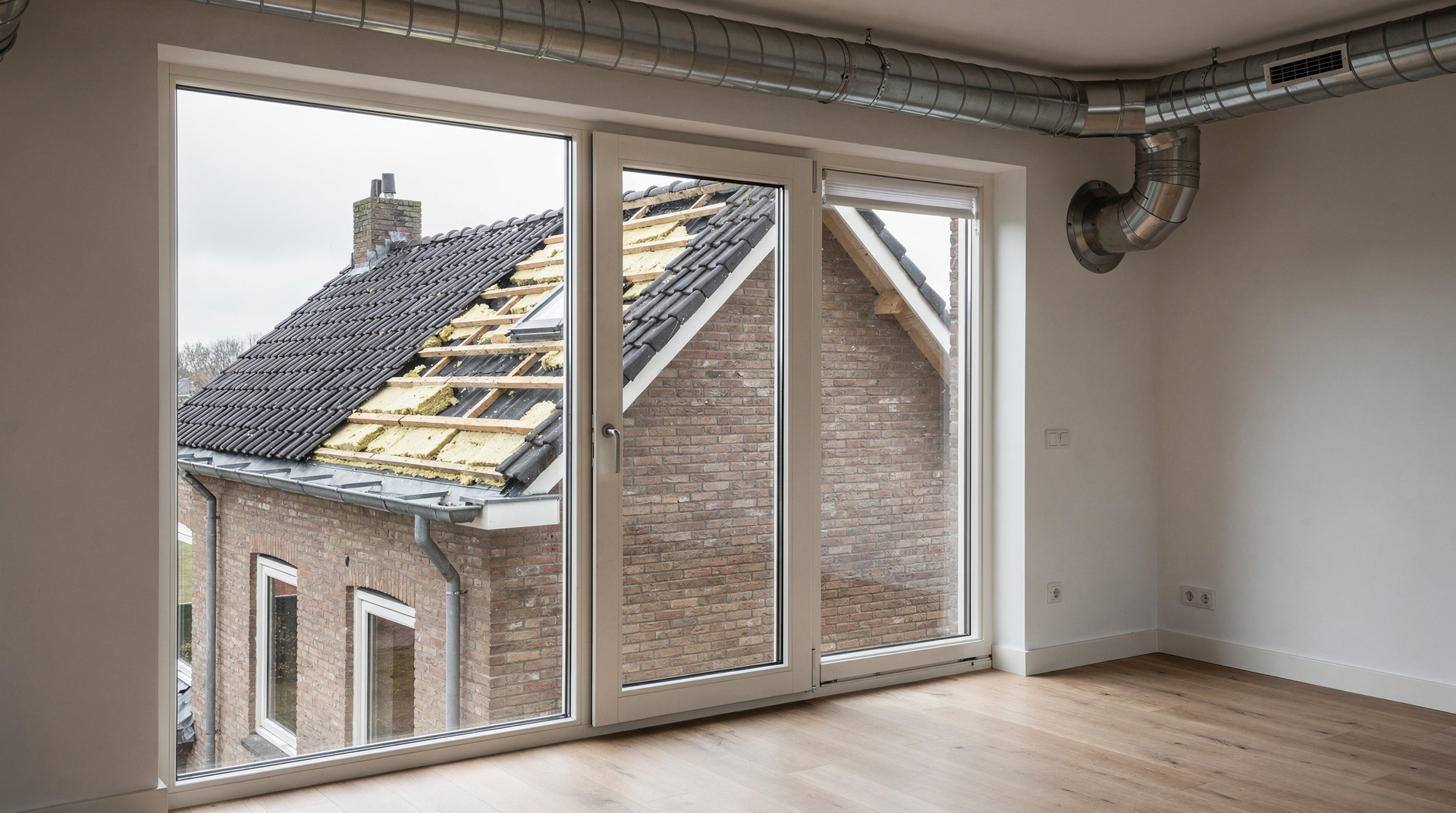
- Upgrade to Energy-Efficient Windows: Energy-efficient windows can reduce heat loss and energy consumption, while also providing natural light and ventilation.
- Optimize Ventilation and Cooling Systems: Advanced ventilation and cooling systems can help maintain a comfortable indoor climate while minimizing energy consumption.
A 1960s Semi-Detached House in Amsterdam
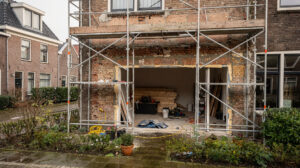
A recent case study in the Netherlands demonstrated the feasibility and benefits of energy-neutral renovations. A family of four living in a 1960s semi-detached house in Amsterdam underwent a comprehensive energy-neutral renovation, which included:
- Insulation and air-tightening of the building envelope
- Installation of solar panels and a heat pump
- Upgrade to energy-efficient windows and doors
- Implementation of an advanced ventilation and cooling system
The family reduced their energy consumption by 75% and saved over €2,000 per year on energy costs. The renovation also increased the property value by 15% and created a healthy and comfortable living environment.
Why Every Property Needs Its Own Plan
Energy-neutral renovations offer a range of benefits for Dutch residents, from reduced energy costs and increased property value to improved indoor air quality and environmental benefits.
What a property needs depends on the building itself, not on a standard package. By working together with architects, contractors, and energy experts, Dutch residents can create energy-efficient and sustainable properties that not only reduce energy consumption but also provide a healthy and comfortable living environment.