
Mindful Living Spaces: Designing for Mental Well-being and Growth
In the Netherlands, where “gezelligheid” (coziness) is ingrained in the culture, designing a home around calm and comfort is familiar ground. Mindful living design is that idea applied on purpose: light, clutter, texture, and the corners you actually sit in.
Biophilic, Minimalist and Intentional Design
Mindful living design is an approach to designing homes that prioritizes mental well-being and growth. It involves creating spaces that promote relaxation, calmness, and a sense of connection to oneself and the environment. It is not just about reducing clutter, but about spaces that are planned to support mental health.
Some key concepts in mindful living design include:
- Biophilic design: incorporating natural elements, such as plants, wood, and stone, to create a sense of connection to nature
- Minimalism: reducing clutter and promoting simplicity to reduce stress and increase focus
- Intentional design: creating spaces that serve a purpose and promote a sense of calm and well-being
- Sensory design: using sensory elements, such as texture, color, and light, to create a multisensory experience
The Benefits of Mindful Living Design
The benefits for mental health and well-being include:
- Reduced stress and anxiety: by creating calm and peaceful environments, mindful living design can help reduce stress and anxiety
- Improved sleep: by promoting relaxation and reducing stimulation, mindful living design can help improve sleep quality
- Increased focus and productivity: by reducing clutter and promoting simplicity, mindful living design can help increase focus and productivity
- Improved mood: by incorporating natural elements and promoting a sense of connection to nature, mindful living design can help improve mood and overall sense of well-being
Designing Mindful Living Spaces in the Netherlands
In the Netherlands, where the climate can be gloomy and overcast, designing mindful living spaces requires careful consideration of light, color, and texture. Some tips for designing mindful living spaces in the Netherlands include:
- Using light colors and sheer curtains to maximize natural light
- Incorporating plants and greenery to bring in a sense of nature
- Using texture and pattern to add depth and interest to spaces
- Creating cozy nooks and reading areas to promote relaxation and calmness
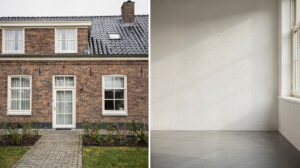
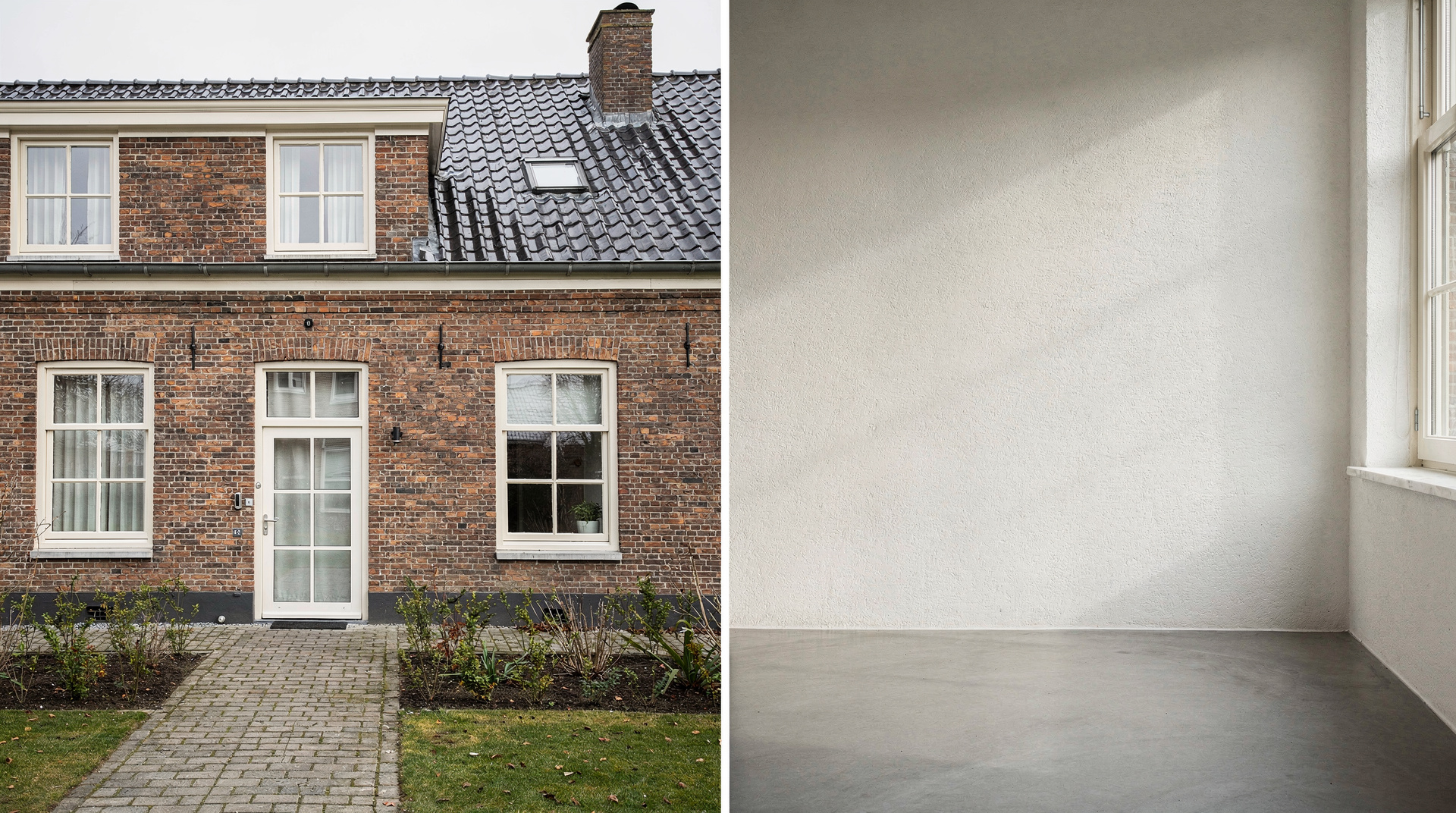
Incorporating Dutch design elements, such as wooden beams and brick walls, can add warmth and character to mindful living spaces.
Decluttering, Natural Light and Cozy Nooks
To create mindful living spaces that promote mental well-being and growth, consider the following practical tips:
- Start by decluttering and simplifying your space
- Incorporate natural elements, such as plants and wood, into your design
- Use light colors and sheer curtains to maximize natural light
- Create cozy nooks and reading areas to promote relaxation and calmness
- Consider incorporating sensory elements, such as texture and pattern, to add depth and interest to your space
By following these tips and considering the unique needs and challenges of the Dutch climate and culture, you can create mindful living spaces that promote mental well-being and growth.
Natural Materials, Less Clutter and More Light
Mindful living design comes down to natural materials, less clutter and rooms that are simple to be in. In the Netherlands, where “gezelligheid” is ingrained in the culture and the climate is often overcast, that means paying attention to light, color, and texture.