The Role of Technology in Home Renovation: Smart Solutions for Modern Living
Home renovation in the Netherlands runs from obtaining the necessary permits to selecting the right materials and technologies. The technology side of it now covers BIM, modular construction, smart home systems and energy-saving measures backed by the ISDE subsidy.
Permits and Financing for a Dutch Renovation
Start with the basic concepts and regulations surrounding home renovation in the Netherlands.
Building Permits and Regulations
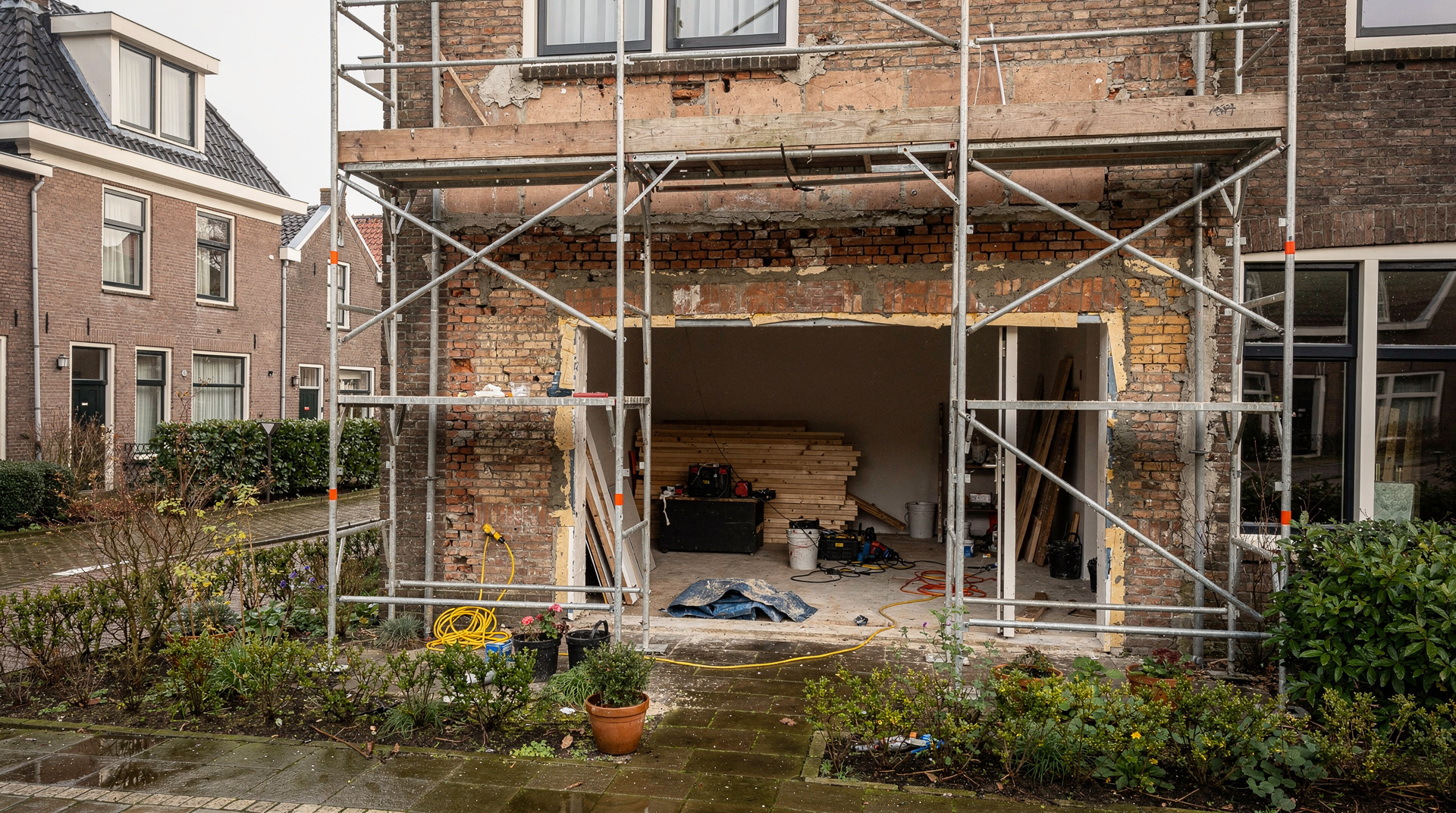
In the Netherlands, any significant renovation work requires obtaining the necessary building permits. The most common permit is the Omgevingsvergunning (Integrated Environmental Permit), which is required for structural changes such as adding a rooftop terrace or balcony.
- Omgevingsvergunning voor bouwen: Required for structural alterations, additions, or demolitions that affect the external appearance or load-bearing structure of a building.
- Omgevingsvergunning voor milieu: Necessary for activities with environmental implications, such as installing heating systems or solar panels.
- Monumentenvergunning: Required if the property is a designated monument to ensure compliance with heritage preservation regulations.
- Omgevingsvergunning voor ruimtelijke ordening: Needed for projects involving changes to land use, such as building a new structure or changing the function of existing buildings.
Financing Your Renovation
Financing a home renovation can be facilitated through a bouwdepot (construction fund), which is a loan alongside your mortgage specifically intended for renovation purposes.
The Role of Technology in Home Renovation
Technology is changing home renovation in the Netherlands, making projects more efficient, sustainable, and tailored to individual needs.
Building Information Modelling (BIM)
BIM aligns data and information from different parties, making key information available to specific stakeholders. This technology enhances collaboration, reduces errors, and improves the overall efficiency of the project.
Modular Construction and Mass Customization
Modular construction and mass customization are trends gaining traction in the Dutch construction industry. These approaches involve using pre-fabricated modules and standardized designs to reduce construction time and costs. Companies like the Van Dijk Group and Nijhuis are pioneering these methods.
Smart Home Technologies
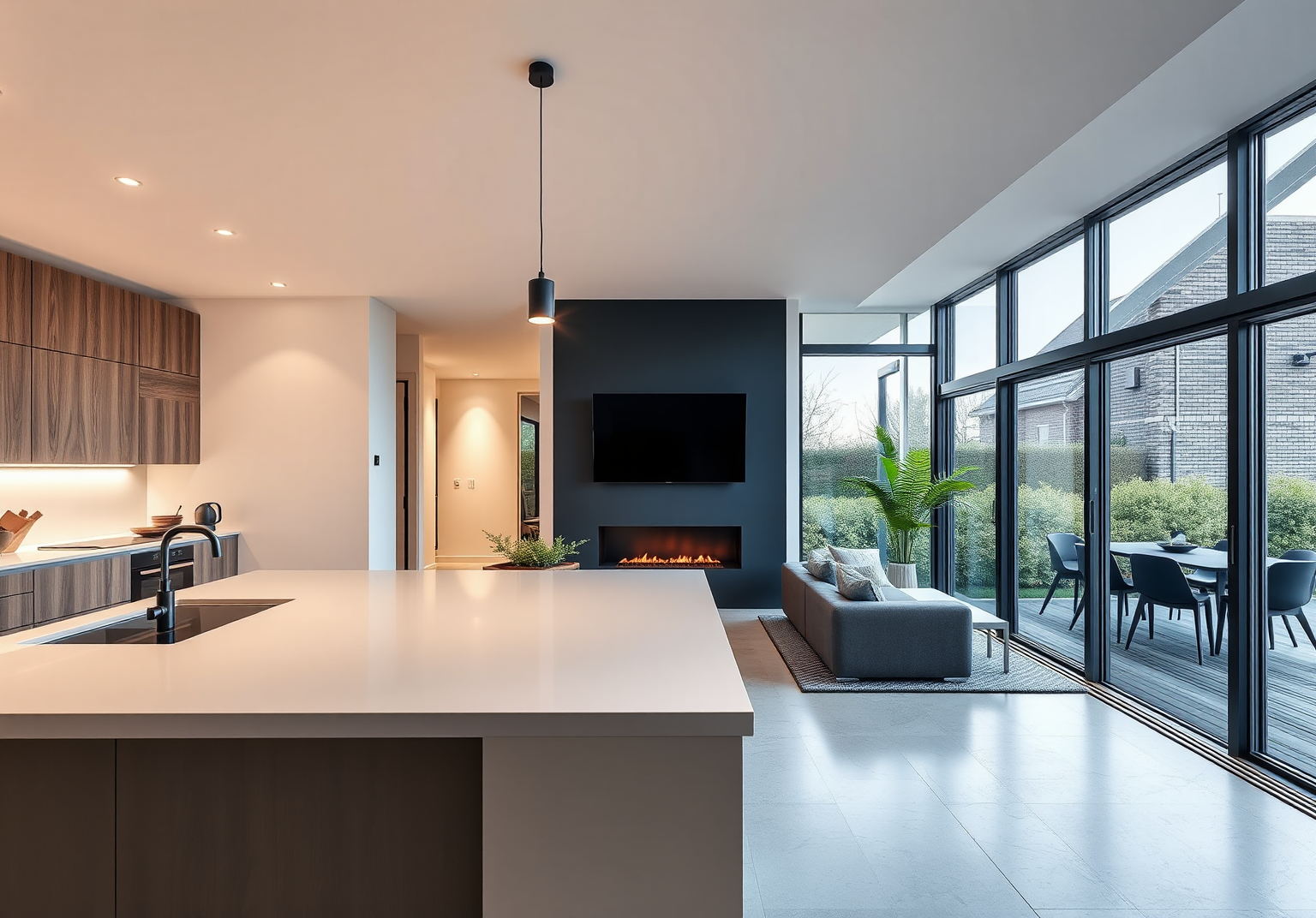
Smart home technologies include home automation systems, energy-efficient appliances, and renewable energy generation technologies such as solar panels. Smart homes not only enhance comfort and convenience but also contribute to sustainability and energy efficiency.
Energy Efficiency and Sustainability
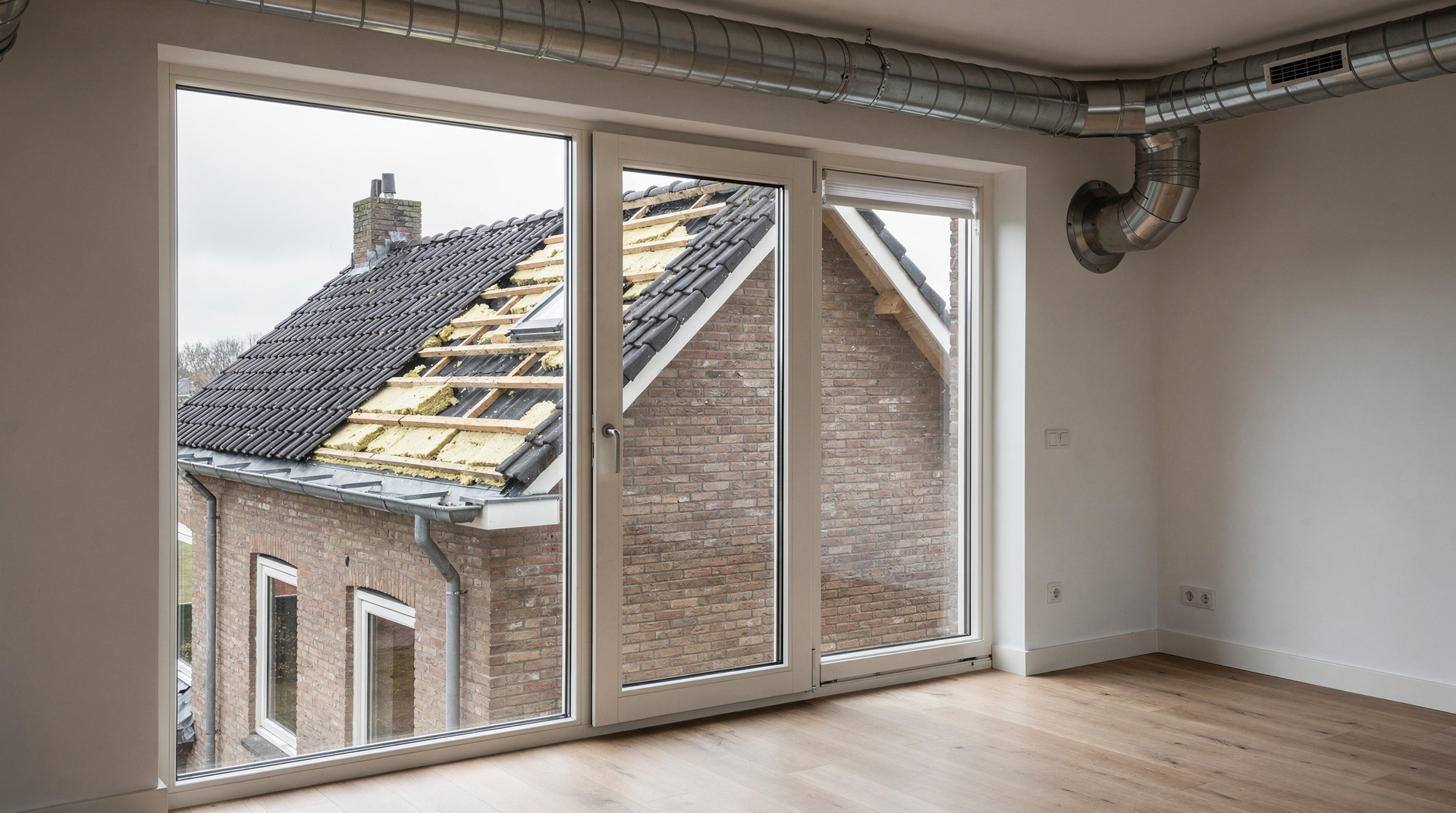
The Dutch government incentivizes homeowners to make their homes more sustainable through subsidies like the Investeringssubsidie Duurzame Energie en Energiebesparing (ISDE). This subsidy rewards investments in insulation, heat pumps, solar boilers, and other energy-saving measures.
- Insulation: Improving insulation reduces heating and cooling needs, leading to lower energy consumption and electricity bills.
- Heating and Cooling Systems: Replacing old systems with high-efficiency condensing boilers, heat pumps, or district heating systems.
- Renewable Energy Generation: Incorporating solar panels and other renewable energy technologies to reduce reliance on fossil fuels.
Information and Communication Technology (ICT)
ICT is being applied to unburden homeowners, enable co-creation, and allow sustainable construction. This includes providing ready-to-use concepts, using product catalogues, and offering professional advice based on detailed design concepts. ICT also facilitates phased construction, allowing customers to implement their plans in stages.
Working With Contractors, Inspections and Subsidies
Hiring Professionals
It is often advisable to hire professionals such as architects, contractors, or building consultants to guide you through the renovation process. Architects create building plans and provide cost overviews, while contractors execute these plans. For smaller projects, contractors can also make building plans themselves.
Compliance and Inspections
Ensure that your renovation work complies with building regulations and safety standards. Local authorities may conduct inspections during various stages of the project. Failure to comply can result in fines and enforcement actions.
Sustainability and Energy Efficiency
Consider incorporating sustainable and energy-efficient solutions into your renovation project. This not only reduces your carbon footprint but also qualifies you for government incentives and subsidies.
Technology Helps, but the Rules Still Apply
Using technologies such as BIM, modular construction, and smart home technologies, homeowners can achieve more efficient, sustainable, and modern living spaces. Understanding the regulatory framework and seeking professional advice matter just as much.