Upcycled Design: Giving Materials a Second Life in Dutch Homes
Upcycled design is turning up in more and more Dutch renovations: salvaged steel beams, reclaimed bricks, kitchen counters pressed from recycled plastic. What used to leave the site as demolition waste goes back into the house. But what drives the shift, and how do homeowners in Amsterdam and beyond use these materials without getting lost in the regulations?
The 2025 trends run from salvaged steel beams to recycled plastic kitchen counters. Each one still has to meet Dutch building regulations, which is where an architect and a contractor with the right experience matter.
Essential Concepts for Dutch Renovation
A few Dutch terms come up in every renovation here. They decide what you can build, what you need permission for, and who does the work.
- Bouwvergunning (Building Permit): This is your official permission slip from the municipality to carry out construction work. Most significant structural changes, like a house extension in Amsterdam or a major internal rearrangement, will require one. Ignoring this can lead to hefty fines and forced demolition, so checking with your local authority or, better yet, having your architect handle this, is non-negotiable.
- Bestemmingsplan (Zoning Plan): Every piece of land in the Netherlands has a ‘bestemmingsplan’ that dictates what can be built there and for what purpose. It’s the blueprint, the master plan for an area’s development. Before any grand design, your architect will consult this plan to ensure your renovation dreams align with local urban planning. Want to add an extra floor to your canal house? The bestemmingsplan will have the first – and often final – say.
- EPC (Energieprestatiecoëfficiënt) / BENG (Bijna Energieneutraal Gebouw): These are technical terms for energy performance. EPC, the older standard, measured a building’s energy efficiency. BENG, the current standard for new builds and major renovations, aims for “nearly energy-neutral buildings.” This means new constructions and significant house renovations in the Netherlands must meet stringent energy requirements. Upcycled materials, ironically, can often help achieve these goals by reducing embodied energy – the energy consumed in producing and transporting building materials.
- Monumentenzorg (Monument Care): If your home is a national or municipal monument, prepare for an extra layer of regulations. The beauty of historic Dutch architecture comes with the responsibility of preservation. Renovations on such properties require special permits and often demand specific traditional materials and techniques, though even here, creative upcycling can sometimes find a place, respecting heritage while still reusing materials.
- Architect and Aannemer (Contractor): These are your renovation dream team. An architect designs, plans, and helps with permits, translating your vision into technical drawings. The ‘aannemer’ is the contractor who brings that design to life, managing the construction. For complex projects, especially those involving sustainable building materials and unconventional upcycled elements, their experience and network are invaluable.
The Upcycled Trend: Beyond Salvage Chic
The concept of upcycling in home design is evolving rapidly, moving beyond rustic charm to become a cornerstone of modern interior design in the Netherlands. It’s about ingenuity, resourcefulness, and a profound respect for materials.
The “Why” of Upcycling: More Than Just Aesthetics
Why are so many Dutch homeowners and designers choosing upcycled materials? It’s not just a passing fad; it’s a multi-faceted decision driven by environmental consciousness, economic sense, and a desire for unique, character-filled spaces.
- Environmental Imperative: Construction is a massive consumer of resources and a significant generator of waste. By reusing and repurposing materials, we drastically reduce demand for virgin materials and divert waste from landfills. That is what a circular economy means: materials kept in use for as long as possible.
- Embodied Energy Reduction: Think about the energy consumed to extract raw materials, manufacture them into building products, and transport them to a construction site. This “embodied energy” is substantial. Upcycling effectively “borrows” this energy from a previous life, lowering the overall carbon footprint of your renovation.
- Unique Character and History: Mass-produced materials can often lead to generic spaces. Upcycled elements, however, bring a story, a patina, and an inimitable character. A repurposed factory window frame or a countertop made from recycled glass tells a tale that new materials simply can’t.
- Cost-Effectiveness (Often): While specialists in upcycled design might charge for their expertise, the raw materials themselves can sometimes be sourced for less than their brand-new counterparts. This is particularly true for items like reclaimed timber, bricks, or even industrial components.
- Local Sourcing & Community: Focusing on salvaged materials often means sourcing locally. This supports local businesses, reduces transportation emissions, and connects your renovation to its immediate environment.
Upcycled Design in Practice: What’s Hot for 2025?
What does upcycled design actually look like in Dutch homes? The trends for 2025 point towards a sophisticated blend of industrial aesthetics, natural textures, and smart material innovation.
1. Reclaimed Timber: Beyond the Barn Door
Once relegated to rustic farmhouse styles, reclaimed timber is now a staple of modern interior design Netherlands. But it’s not just for flooring or accent walls. Expect to see it:
- Structural Beams & Supports: Exposed, patinated timber beams salvaged from old factories or warehouses are becoming stunning structural and aesthetic features in renovations, particularly in loft conversions and house extensions.
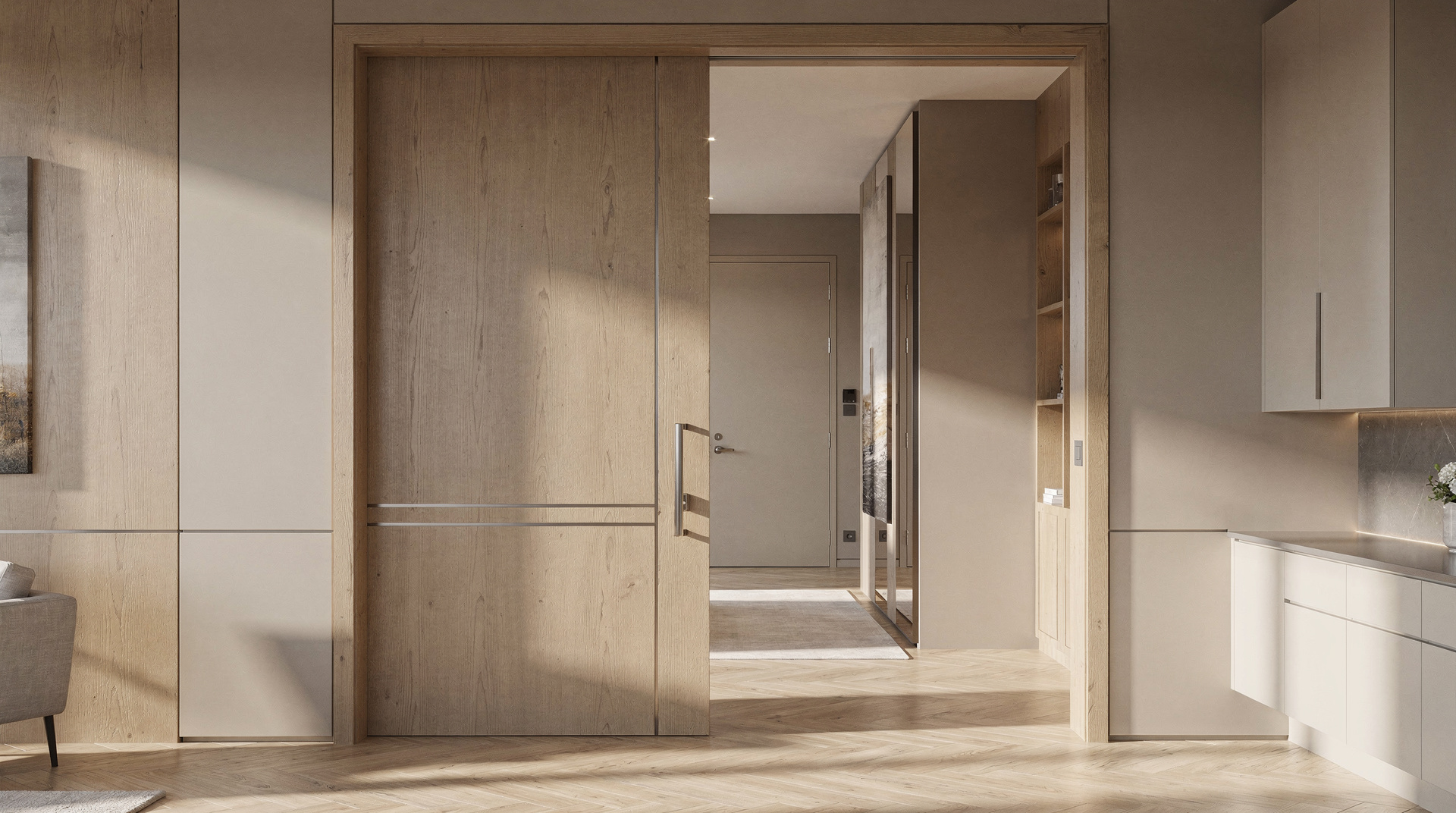
- Custom Furniture & Cabinetry: Architects and designers are commissioning bespoke kitchen islands, bathroom vanities, and built-in shelving from reclaimed wood, where the grain and the history stay visible.
- Wall Cladding & Panelling: Instead of plasterboard, clad a feature wall in carefully treated timber planks. This adds texture, warmth, and a distinct character.
2. Industrial & Salvaged Metals: Raw Beauty
The industrial aesthetic remains strong, and upcycled metals are at its heart. These materials bring a contemporary edge and surprising versatility.
- Repurposed Steel and Iron: Old factory machinery, structural steel from demolished buildings, and even shipping containers are being ingeniously transformed. Think custom staircases, hard-wearing kitchen worktops, or facade elements for a unique house extension Amsterdam.
- Copper & Brass Accents: Salvaged copper pipes or brass fittings, once part of industrial systems, are being polished and repurposed as lighting fixtures, faucet details, or decorative hardware, adding a touch of warmth and luxury.
- Metal Sheet Panelling: Distressed or patinated metal sheets, sourced from various industries, can create dramatic wall coverings or splashbacks, offering a contrast to softer materials.
3. Recycled Plastics: The Unsung Hero
Perhaps the most revolutionary upcycled material, recycled plastics are moving far beyond humble picnic benches into high-end design. The technology is advancing quickly.
- Countertops & Surfaces: Innovative companies are producing stunning countertops, wall panels, and even furniture from compressed and pigmented recycled plastics. These often mimic natural stone or carry bright, one-off patterns.
- Insulation & Soundproofing: Recycled plastics, particularly PET bottles, are being processed into highly effective insulation materials, contributing to the energy efficiency targets of a sustainable house renovation Netherlands.
- Outdoor Decking & Furniture: Durable and low-maintenance, recycled plastic lumber is an excellent choice for decking, garden furniture, and exterior cladding, offering longevity without harming forests.
4. Clay & Ceramics: Rooted in Tradition, Reimagined
Traditional materials like clay and ceramics are finding new life through upcycling and sustainable production.
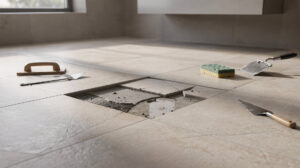
- Reclaimed Bricks: The warm, earthy tones of reclaimed Dutch bricks are highly sought after. They offer incredible character for internal feature walls, external facades, or even paving in courtyards. Their thermal mass also contributes to a stable indoor climate.
- Recycled Tile Mosaics: Broken or surplus tiles are being creatively repurposed into detailed mosaics for bathrooms, kitchens, or even as decorative art pieces, reducing waste and adding bespoke beauty.
- Terracotta & Earthenware: Instead of modern plastics, expect to see a return to functional and decorative elements made from natural, often locally sourced, clay – from ventilation bricks to planters.
5. Glass: Clarity with a Conscience
Glass, with its infinite recyclability, is a prime candidate for upcycling in various forms.
- Crushed Glass Countertops: Similar to recycled plastics, crushed and bonded recycled glass creates stunning, often translucent or sparkling, countertops and wall surfaces.
- Repurposed Window Panes: Old industrial windowpanes or even stained-glass sections can be reimagined as internal partitions, cabinet doors, or unique light features, creating a play of light and privacy.
- Glass Foam Insulation: Made from recycled glass, this lightweight and highly insulating material offers excellent thermal performance and is fire-resistant.
The Practicalities: Making Upcycling Work in Your Dutch Home
Upcycled design sounds good on paper. The Dutch regulatory framework is where it gets harder.
Navigating Regulations and Permits with Upcycled Materials
A key aspect of any house renovation Netherlands is compliance. Integrating upcycled materials adds a layer of consideration, but it’s far from insurmountable.
- Structural Integrity: This comes first. If you’re using reclaimed timber as a structural beam or repurposed steel, an engineer must verify its load-bearing capacity and suitability according to Dutch building codes. For any significant house extension in Amsterdam or elsewhere, expect rigorous checks, especially when using non-standard materials.
- Fire Safety: All materials, new or upcycled, must meet fire safety regulations. Your architect and contractor will ensure that any timber or plastic components are treated or integrated in a way that complies with these standards. This is not an area for guesswork.
- Insulation & Energy Performance: While some upcycled materials offer inherent insulation properties, others might not. Your overall renovation, especially if it’s a major overhaul, must still meet BENG or equivalent energy performance targets. This might mean combining upcycled finishes with high-performance insulation behind the scenes.
- “Bouwvergunning” – The Upcycled Dimension: When submitting your bouwvergunning application, detailed specifications of all materials, including upcycled ones, will be required. Your architect will be skilled at presenting these in a way that satisfies municipal requirements. Be prepared for potential queries about material origin, treatment, and structural properties, particularly for unusual applications.
- Quality Assurance: Sourcing upcycled materials isn’t like buying off-the-shelf. Professional suppliers of reclaimed materials will provide documentation on their origin, any treatments (e.g., pests, fire retardants), and suitability. Always work with reputable suppliers and insist on proper certification.
The Team You Need: Architects, Contractors, and Specialists
You cannot – and should not – attempt a significant renovation, let alone one incorporating complex upcycled elements, without a professional team.
- The Architect: The Visionary & Navigator: Your architect will not only design your dream space but also integrate upcycled materials thoughtfully, understand their limitations, and ensure compliance with all Dutch regulations. They are your guide through the labyrinth of permits and possibilities, especially when pushing the boundaries of conventional design.
- The Contractor (Aannemer): The Execution Expert: A skilled “aannemer” with experience in sustainable building materials and unconventional installations is invaluable. They know how to work with reclaimed timber, install recycled plastic panels, and manage the logistics of sourcing unique items. Their craftsmanship makes the vision a reality.
- Material Specialists & Artisans: For bespoke upcycled elements, you might engage specialists – a metalworker to fabricate a staircase from salvaged steel, a furniture maker to craft a kitchen from old floorboards, or a textile artist for recycled fabric details. These artisans bring a unique level of expertise.
- Structural Engineer: The Safety Net: For anything structural, an engineer’s assessment is non-negotiable. They will verify the safety and integrity of reinforced concrete, steel, or timber components, ensuring your sustainable choices don’t compromise your home’s stability.
Setting the Brief and Sourcing Reclaimed Materials
Here is what to get right on a Dutch renovation that uses upcycled materials:
- Start with a Clear Vision: Define your aesthetic and functional goals first. What kind of space do you want to create? How will you live in it? This clarity will help your architect and team identify suitable upcycled materials that align with your vision. Do you favour the raw industrial look, or a more polished, minimalist aesthetic that subtly incorporates recycled elements?
- Engage an Architect Early: Do not wait to involve an architect. They are your most important partner. Seek out architects who have experience with sustainable building materials and a portfolio that demonstrates creative use of reclaimed items. Their expertise will be fundamental in translating your upcycled dreams into a feasible, compliant, and beautiful design.
- Prioritise Research for Materials: Explore reputable suppliers of reclaimed timber, bricks, salvaged industrial components, and advanced recycled plastic products. Visit showrooms, ask for samples, and understand the history and treatment of the materials. Look for suppliers who can provide quality assurance and documentation, crucial for satisfying local “bouwvergunning” requirements.
- Be Flexible and Open to Discovery: Upcycled design often involves working with what’s available. Be open to adapting your initial ideas based on the unique finds and discoveries your team makes. Sometimes the most interesting design solutions come from working with the inherent qualities of an unexpected material.
- Think About Long-Term Durability: Sustainability isn’t just about reusing; it’s about building to last. Ensure that any upcycled material chosen is suitable for its intended purpose and will stand the test of time. A professional team will guide you on the best applications and necessary treatments to ensure longevity and low maintenance.
- Plan for Certification and Permits: Work closely with your architect to ensure all aspects of your renovation, especially those involving non-standard materials, are documented for the “bouwvergunning” application. Anticipate potential questions from the municipality regarding material specifications, structural calculations, and fire safety for upcycled elements.
- Consider the Embodied Energy (and Operational Energy): While upcycling reduces embodied energy, don’t forget operational energy. Integrate high-performance insulation, efficient heating systems, and smart ventilation alongside your reclaimed elements.
- Invest in Quality Craftsmanship: Working with upcycled materials often requires a higher degree of skill and artistry. Invest in an “aannemer” and tradespeople who value quality craftsmanship and have experience working with these unique elements. This ensures the beauty and integrity of your sustainable choices.
- Budget for Professional Expertise: Expect to invest in specialist advice, design, and installation for bespoke upcycled features. While raw materials might sometimes be cheaper, the expertise required to transform them beautifully and safely into architectural elements is significant and worthwhile.
- Document Your Journey: Keep a record of where your upcycled materials came from, their story, and the craftsmen who worked on them. This creates a rich narrative for your home and adds to its unique character, turning your renovation into an ongoing conversation about sustainable living.
Character That New Materials Cannot Copy
The Dutch home renovation market is at an exciting crossroads, driven by a growing desire for both beauty and responsibility. Upcycled design, far from being a niche trend, is emerging as a powerful force in modern interior design Netherlands, offering homeowners a path to create distinctive, character-filled, and profoundly sustainable spaces.
From reclaimed timber to surfaces made from recycled plastics, every choice made in your house renovation Netherlands can lessen your environmental footprint and enrich your living environment. The work, however, demands professional guidance from architects and contractors who understand both the creative potential of sustainable building materials and the critical importance of Dutch building regulations and the “bouwvergunning” process.
Upcycled design gives materials a second life, and it gives the house a character that new stock cannot copy.