Energy-Efficient Homes in the Netherlands: The Hidden Benefits You Can’t Afford to Miss
In the Netherlands, where about half of the buildings were constructed before 1980, the need for energy-efficient renovations is more pressing than ever. Below are the benefits, the incentives, and practical tips for making your home in the Netherlands more energy-efficient.
What Makes a Home Energy-Efficient
Key components include better insulation, efficient windows, and the use of renewable energy sources such as solar panels and heat pumps. These measures not only reduce energy consumption but also contribute to a more sustainable environment.
Why Energy Efficiency Matters in the Netherlands
The Netherlands has set ambitious targets to reduce CO2 emissions, with a focus on making homes more energy-efficient. About half of Dutch buildings were built before 1980, making them prime candidates for energy-saving updates. The government has introduced various incentives to encourage homeowners to invest in energy efficiency, including grants and low-interest loans.
Benefits of Energy-Efficient Homes
There are several compelling reasons to invest in energy-efficient homes in the Netherlands:
- Cost Savings: Energy-efficient homes consume less energy, leading to lower utility bills. With rising natural gas prices, the cost advantage of energy-efficient homes has grown.
- Increased Property Value: Homes with better energy efficiency are sold at higher prices compared to those with high energy consumption. The difference starts at around €10,000.
- Environmental Impact: Reducing energy consumption helps lower CO2 emissions, contributing to a more sustainable environment.
- Comfort and Health: Well-insulated homes provide better comfort and can improve indoor air quality, enhancing the overall living experience.
Government Incentives and Policies
The Dutch government is actively promoting energy savings through various initiatives:
- Grants and Loans: Homeowners can apply for grants or low-interest loans to fund energy-efficient renovations, such as adding insulation or installing solar panels.
- Energy Performance Incentive Scheme (STEP): This scheme enables landlords to improve the energy performance of their rental properties.
- Energy Savings Fund for the Rental Sector (FEH): Offers low-interest loans for landlords to make their rental properties more energy-efficient.
- Energy Agreement for Sustainable Growth: Aims to boost sustainable energy and create jobs, with targets set until 2023 and beyond.
Insulation, Windows, Solar Panels, and Smart Controls
Here are some practical steps you can take to make your home more energy-efficient:
Insulation and Windows
Proper insulation and efficient windows reduce heat loss and energy consumption:
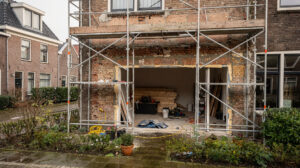
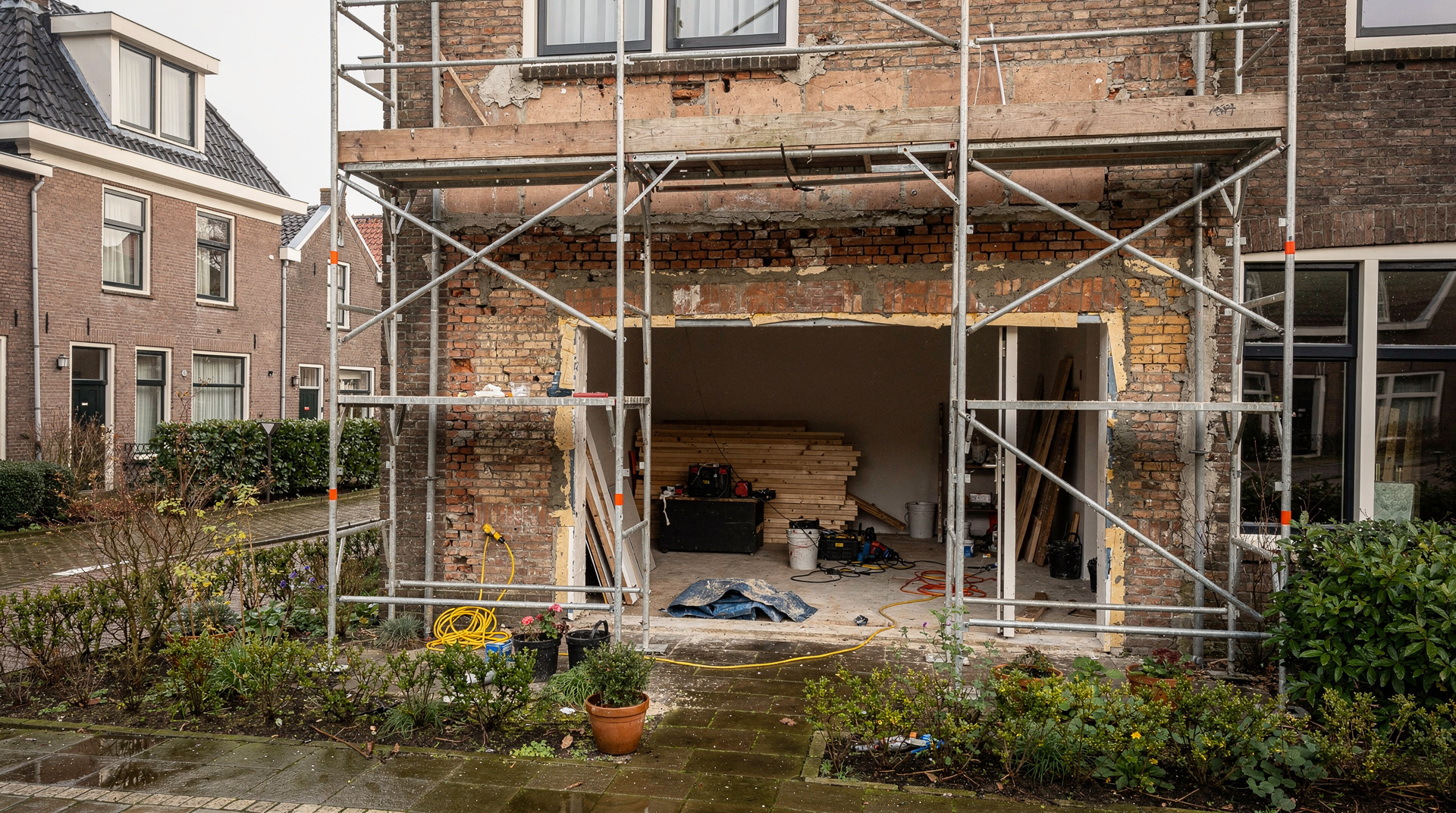
- Wall Insulation: Adding insulation to exterior walls reduces heat loss. This can be done by drilling holes in the mortar and blowing insulation into the gap between the outer bricks and the inner wall.
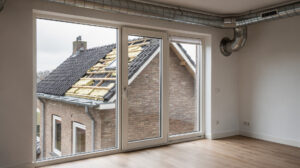
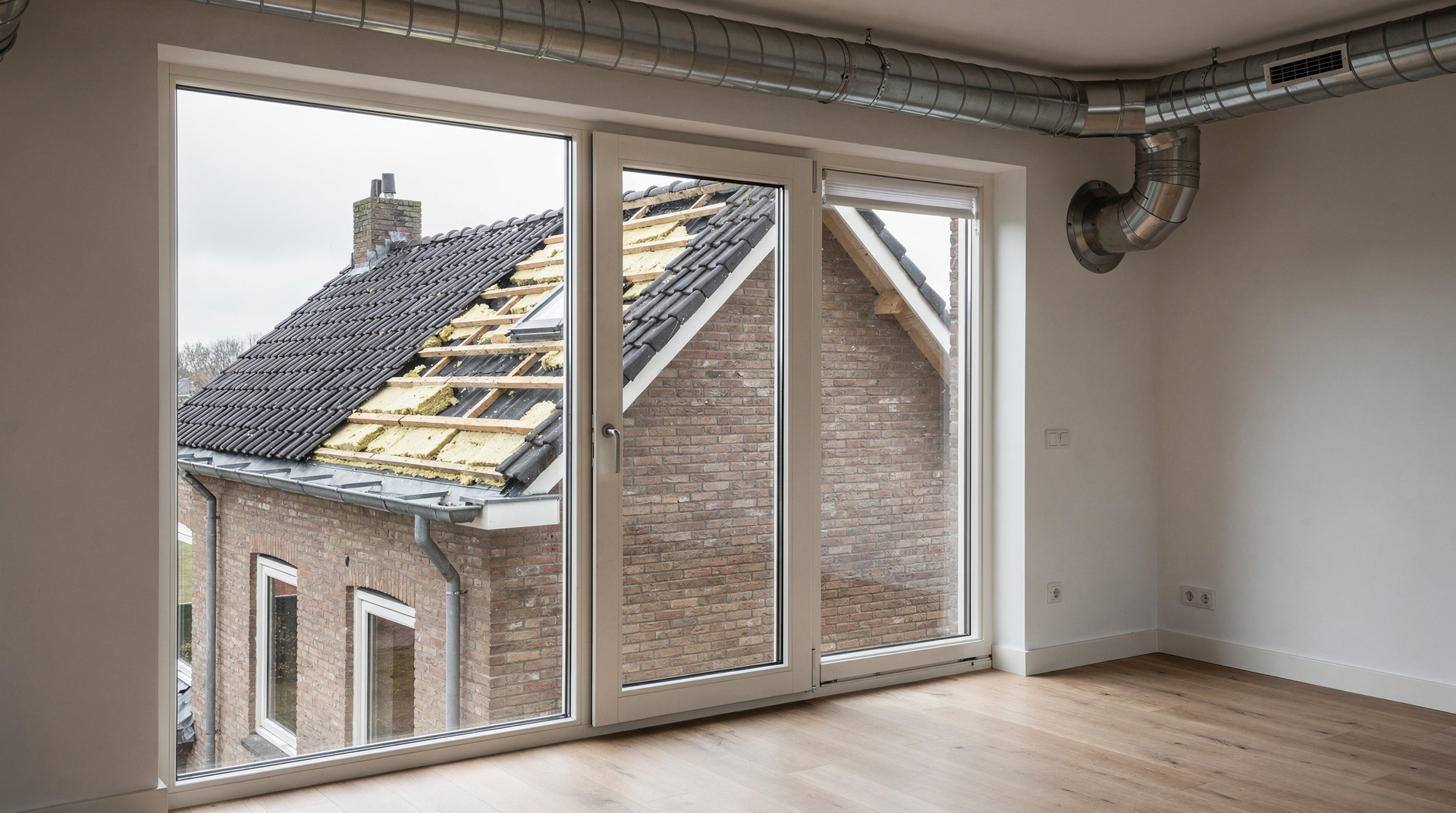
- Roof Insulation: Insulating the roof is another key area to focus on, especially in older homes.
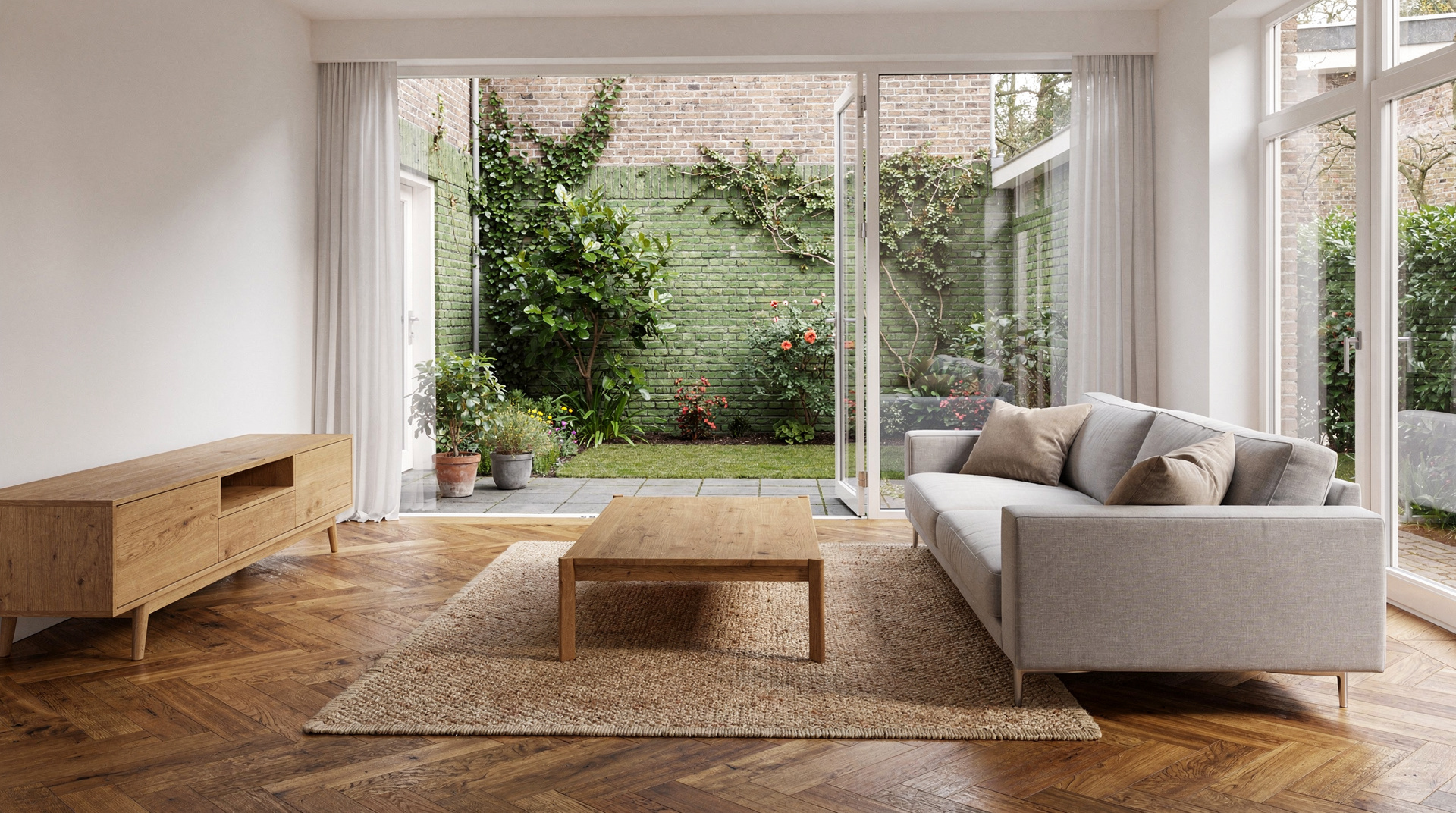
- Energy-Efficient Windows: Replacing old windows with HR++ glass can make a substantial difference in energy efficiency. These windows not only reduce heat loss but also protect fabrics and other materials from fading.
Renewable Energy Sources
Investing in renewable energy sources can further enhance the energy efficiency of your home:
- Solar Panels: Solar panels can generate electricity and reduce your reliance on the grid.
- Heat Pumps: Heat pumps are another effective way to reduce energy consumption by providing efficient heating and cooling.
- Solar Water Heating: Using solar water heating systems can also contribute to overall energy efficiency.
Smart Home Technology
Smart home technology can manage how and when your home uses energy:
- Energy Management Systems: These systems can monitor and control energy usage remotely, adjusting settings based on your habits and preferences.
- Smart Lighting: ENERGY STAR-certified smart light fixtures and bulbs use less energy than traditional incandescent bulbs and have a longer lifespan.
- Automated Tasks: Smart devices can automate tasks such as adjusting lighting and HVAC settings, ensuring optimal energy usage.
What You Gain and How to Fund It
Making your home energy-efficient in the Netherlands is not just a wise financial decision but also a step towards sustainable living. With government incentives, practical renovation tips, and the integration of smart home technology, you can reduce your energy consumption and contribute to a greener future. Don’t miss out on the hidden benefits of energy-efficient homes.
Where to Start on Your Own Home
Before you begin, consider the following:
- Assess Your Home: Identify areas where energy efficiency can be improved, such as insulation, windows, and heating systems.
- Explore Incentives: Look into government grants and loans available for energy-efficient renovations.
- Consult Professionals: Work with experts to ensure that your renovations are done efficiently and effectively.
- Monitor Progress: Use smart home technology to monitor and adjust your energy usage over time.
By taking these steps, you can make your home energy-efficient, save money, and cut its emissions.