Sustainable Building Practices in the Netherlands: How to Build for the Future
The Netherlands has been at the forefront of sustainable building practices, driven by ambitious climate goals and a commitment to reducing environmental impact.
What Green Building Means in Practice
Sustainable building, also known as green building, involves the use of eco-friendly materials, energy-efficient designs, and innovative construction techniques to minimize the environmental footprint of buildings. In the Netherlands, this approach is not just a trend but a necessity, given the country’s ambitious targets for reducing emissions and achieving circularity by 2050.
What Circular, Regenerative and Bio-Based Mean
- Circular Design: This involves designing buildings that can be adapted, reused, or recycled, reducing waste and the need for new materials.
- Energy Efficiency: Buildings are designed to consume less energy, often through the use of renewable energy sources like solar power and district heating.
- Regenerative Design: Buildings are constructed to absorb CO2 and promote ecological growth, enhancing the environment rather than degrading it.
- Recycled and Bio-Based Materials: The use of reclaimed and recycled materials in construction to reduce waste and the demand for virgin resources.
Current Trends in Sustainable Building in the Netherlands
The Netherlands is setting a high standard for sustainable construction, with several notable projects and initiatives leading the way.
Leading Projects
Lab42 in Amsterdam Science Park
Lab42, a hub for AI and information science, is a prime example of sustainable architecture. This energy-neutral facility features a 100% reusable steel structure, reused wooden beams, and a recycled concrete floor. It powers itself with solar panels and recycles rainwater.
VU StartHub at the Vrije Universiteit
The VU StartHub, launched in October 2022, is another exemplary project. Made from refurbished construction units, it has a flexible, human-centric design that can be adapted and dismantled for future use. The building includes sustainable features like a green roof, waterless urinals, and a beehive to promote biodiversity.
Policy and Regulatory Framework
The Dutch government has implemented several policies to support sustainable building practices:
- Energy Agreement for Sustainable Growth: Aims to achieve a sustainable energy supply system by 2050, with specific targets for energy savings and the renovation of existing buildings.
- Building Decree (Bouwbesluit 2012): Requires minimum energy performance levels for new buildings and renovations, expressed through the Energy Performance Coefficient (EPC).
- Circular Economy Monitor: A tool to assess and reduce emissions and material impact, helping the municipality to achieve its climate goals.
How to Build or Renovate Sustainably
For those looking to build or renovate sustainably, here are some practical tips:
Choosing the Right Materials
Opt for materials that are recycled, bio-based, or sustainably sourced:
- Reclaimed Wood: Use reclaimed wooden beams and other materials to reduce waste and the demand for new timber.
- Recycled Concrete: Use recycled concrete for flooring and other structural elements.
- Low-Carbon Materials: Select materials with lower carbon footprints, such as low-carbon cement and sustainable insulation.
Designing for Energy Efficiency
Design your building to be energy-efficient from the outset:
- Renewable Energy Sources: Incorporate solar panels, wind turbines, or other renewable energy sources to power your building.
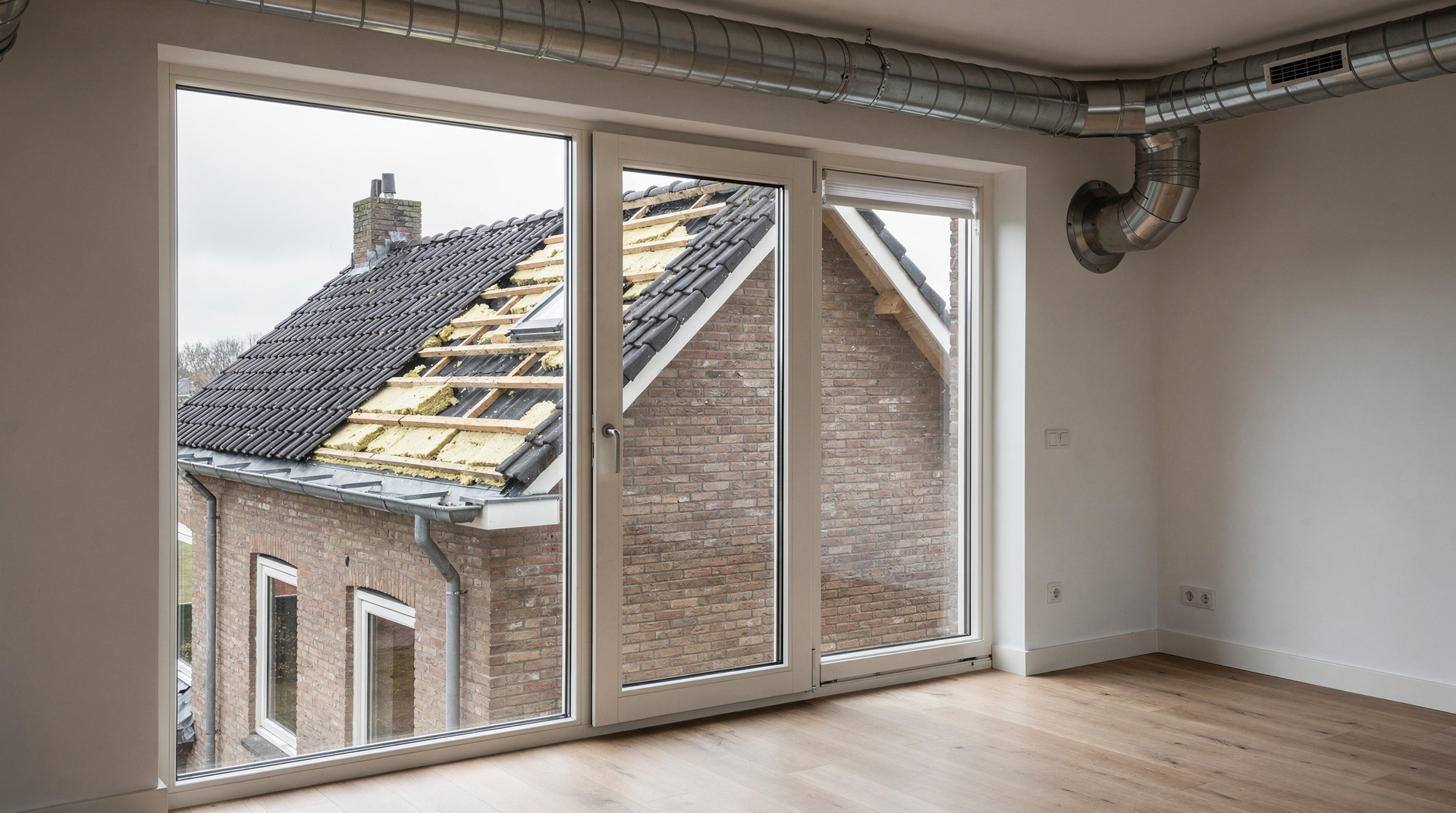
- Insulation and Ventilation: Ensure proper insulation and ventilation to reduce heating and cooling needs.
- Energy-Efficient Systems: Install energy-efficient heating, cooling, and lighting systems.
Implementing Circular Design Principles
Design your building to be adaptable and reusable:
- Modular Design: Use modular construction techniques to allow for easy disassembly and reuse of components.
- Flexible Layouts: Create flexible, human-centric designs that can be adapted to future needs.
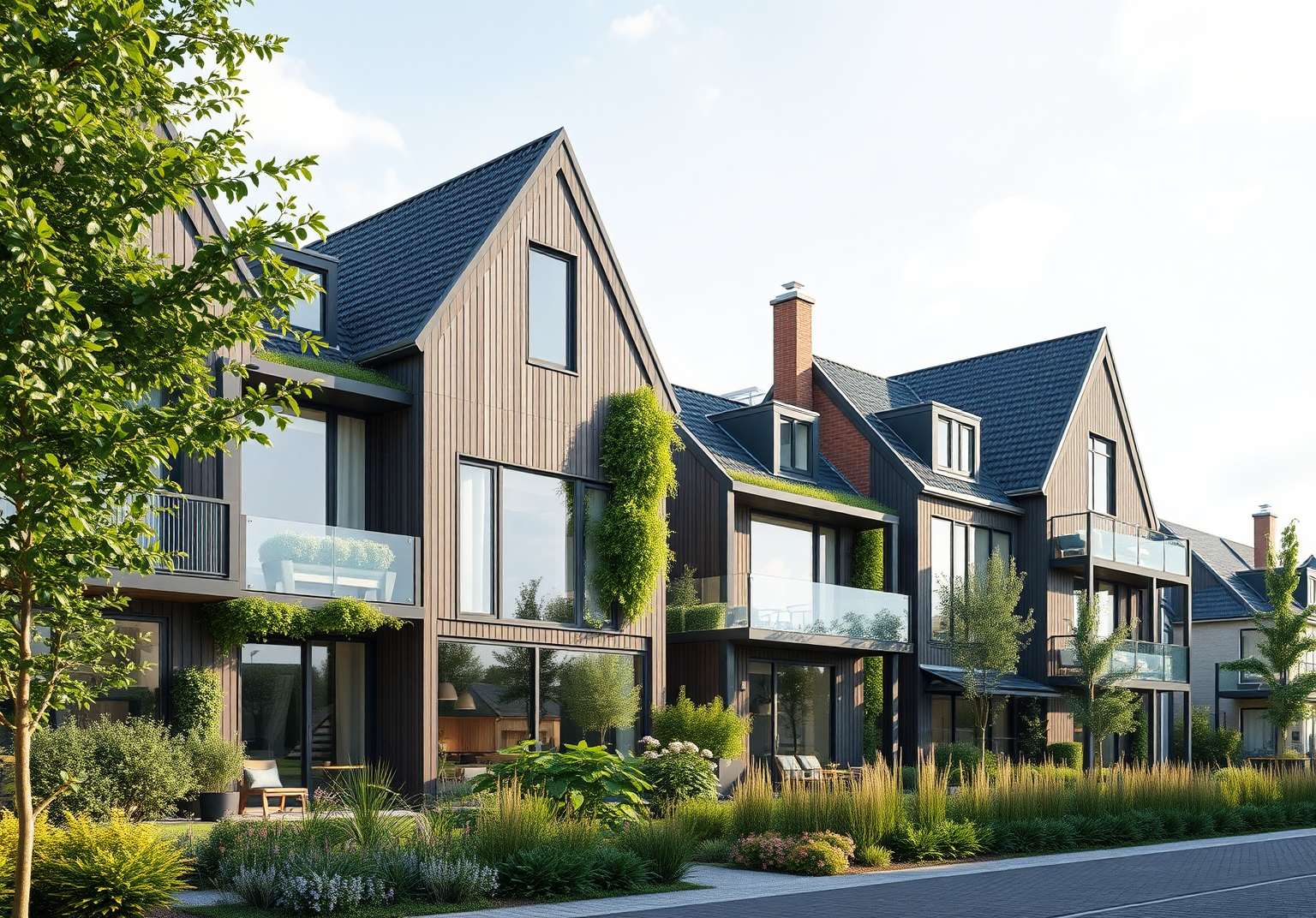
- Regenerative Features: Incorporate features that promote ecological growth, such as green roofs and biodiversity-enhancing elements.
What Actually Reduces Your Footprint
Sustainable building practices are not just a trend in the Netherlands; they are a necessity for achieving the country’s ambitious climate goals. On a new build or a renovation, eco-friendly materials, energy-efficient designs, and circular design principles reduce your environmental footprint.
| Concept | Description | Examples |
|---|---|---|
| Circular Design | Designing buildings to be adaptable, reusable, or recyclable. | Lab42, VU StartHub |
| Energy Efficiency | Reducing energy consumption through renewable energy sources and efficient systems. | Solar panels, district heating |
| Regenerative Design | Constructing buildings that absorb CO2 and promote ecological growth. | Green roofs, biodiversity-enhancing features |
| Recycled and Bio-Based Materials | Using reclaimed and recycled materials to reduce waste. | Reclaimed wood, recycled concrete |