Flood-Resistant Design: Protecting Dutch Homes from Rising Water Levels
Rising water levels pose a significant threat to homes in the Netherlands, where flooding is a frequent occurrence. Flood-resistant design elements therefore belong in the construction itself, to protect the property and the people in it.
What Makes a House Flood-Resistant
Flood-resistant home design involves the use of specialized materials, construction techniques, and design elements to create homes that can withstand flooding and minimize damage. The goal of flood-resistant design is to protect homes from water damage, reduce the risk of structural collapse, and ensure the safety of occupants. In the Netherlands, where flooding is a common occurrence, flood-resistant home design is crucial for protecting properties and preventing costly repairs.
The key principles of flood-resistant home design include the use of water-resistant materials, elevated construction, and smart design elements. Water-resistant materials, such as waterproof membranes and flood-resistant insulation, are used to prevent water from penetrating the home. Elevated construction, which involves building the home on a raised foundation or stilts, helps to protect the home from floodwaters. Smart design elements, such as flood-proof doors and windows, are designed to prevent water from entering the home.
Flood-Resistant Materials: Choosing the Right Options
The choice of materials is critical in flood-resistant home design. Water-resistant materials, such as those listed in the table below, are essential for preventing water from penetrating the home.
| Material | Description |
|---|---|
| Waterproof membranes | Impermeable layers that prevent water from penetrating the home |
| Flood-resistant insulation | Insulation materials that can withstand exposure to water without losing their insulating properties |
| Flood-proof doors and windows | Doors and windows designed to prevent water from entering the home |
In addition to these materials, other flood-resistant options include water-resistant flooring, such as tile or concrete, and flood-resistant walls, such as those made from brick or stone.
Construction Techniques: Building a Flood-Resistant Home
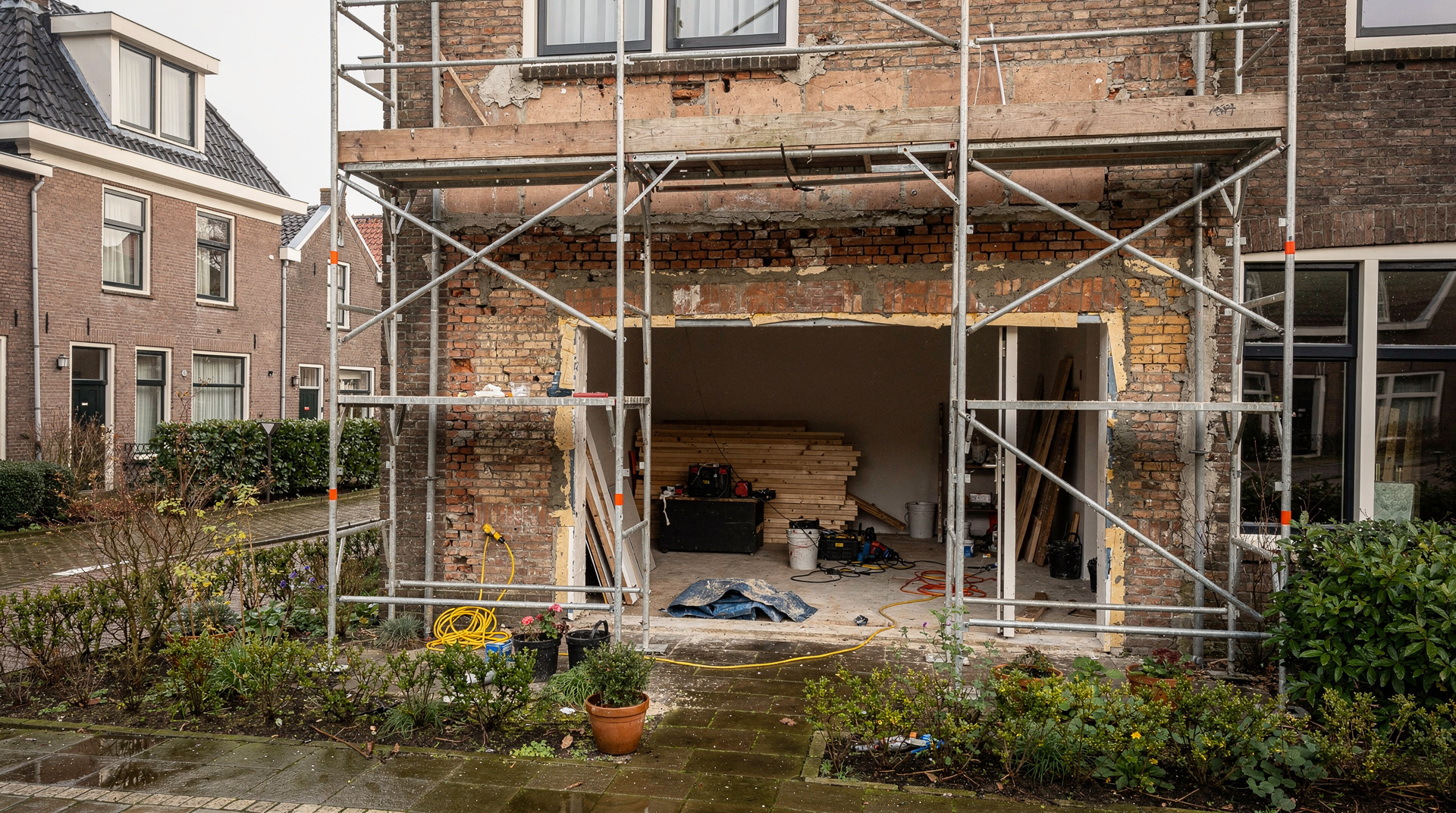
Building a flood-resistant home takes specialized construction techniques. Elevated construction, which involves building the home on a raised foundation or stilts, is one technique used to protect homes from floodwaters. Other techniques include the use of flood-resistant foundation systems, such as those that incorporate waterproof membranes and drainage systems.
The following are some construction techniques used to build flood-resistant homes:
- Elevated construction: Building the home on a raised foundation or stilts to protect it from floodwaters
- Flood-resistant foundation systems: Using waterproof membranes and drainage systems to prevent water from penetrating the home
- Waterproof roofing: Using waterproof materials, such as asphalt or metal, to prevent water from penetrating the roof
Climate-Adaptive Homes: The Future of Flood-Resistant Design
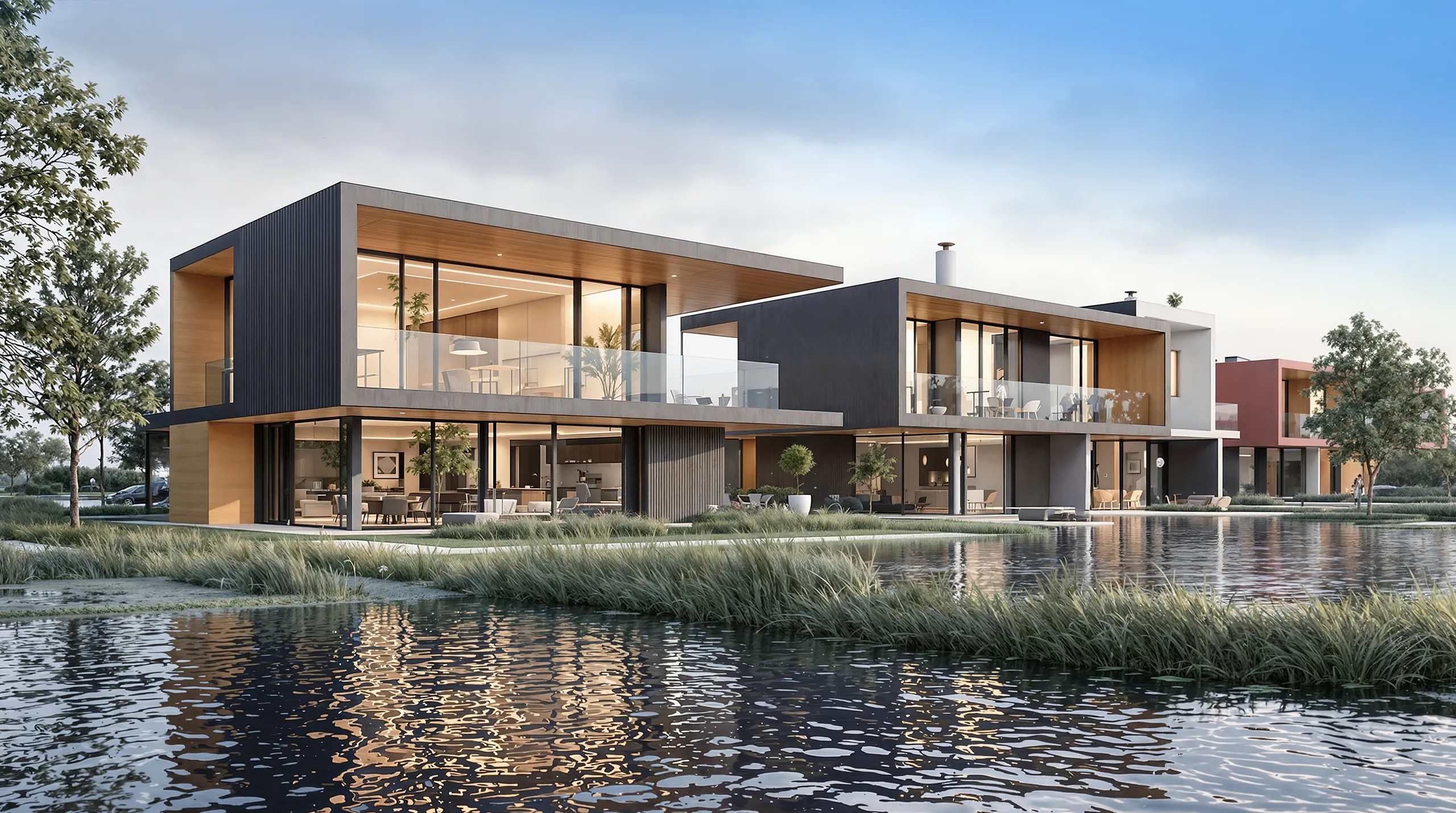
Climate-adaptive homes are designed to adapt to changing environmental conditions, including rising water levels. These homes incorporate advanced technologies and materials to create a resilient and sustainable living space. Climate-adaptive homes in the Netherlands are designed to withstand flooding, as well as other extreme weather events, such as storms and droughts.
The following are some features of climate-adaptive homes:
- Advanced insulation systems: Using materials that can withstand extreme temperatures and moisture levels
- Smart windows and doors: Using windows and doors that can adapt to changing environmental conditions
- Rainwater harvesting systems: Collecting and storing rainwater for non-potable uses, such as flushing toilets and washing clothes
Contractors, Materials and Elevated Foundations
Practical tips for building a flood-resistant home in the Netherlands:
- Hire a professional contractor with experience in flood-resistant construction
- Choose water-resistant materials and construction techniques
- Incorporate smart design elements, such as flood-proof doors and windows
- Consider elevated construction or flood-resistant foundation systems
By following these tips, you can create a flood-resistant home that protects your property and ensures the safety of occupants.
Worth Building In, New House or Renovation
Flood-resistant home design is critical for protecting Dutch homes from rising water levels. By incorporating flood-resistant materials, construction techniques, and design elements, homeowners can create a resilient and climate-adaptive living space.
Flood-resistant design elements are worth building in, whether the house is new or being renovated.