Historic Preservation vs. Modern Upgrades: Finding the Right Balance
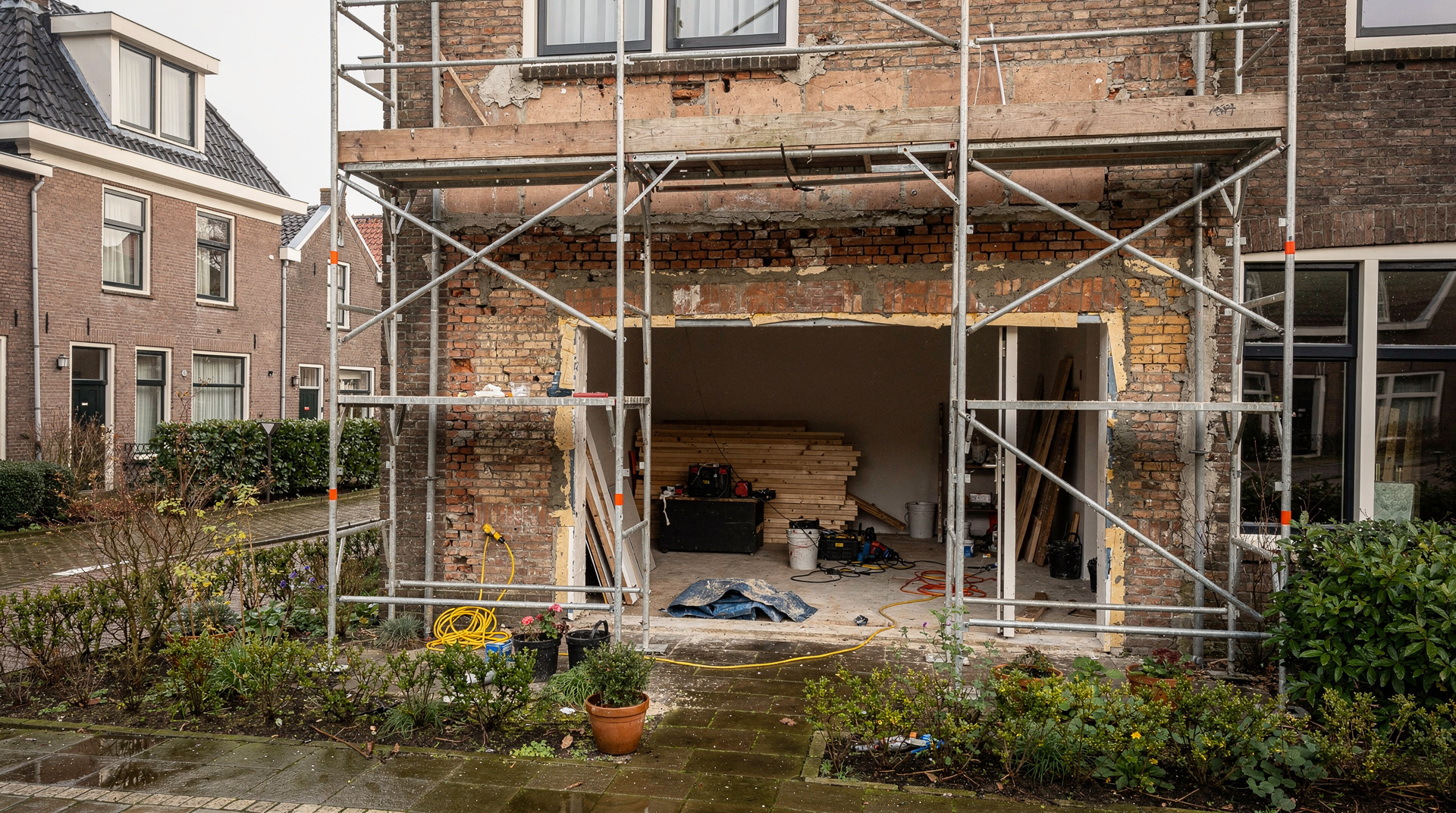
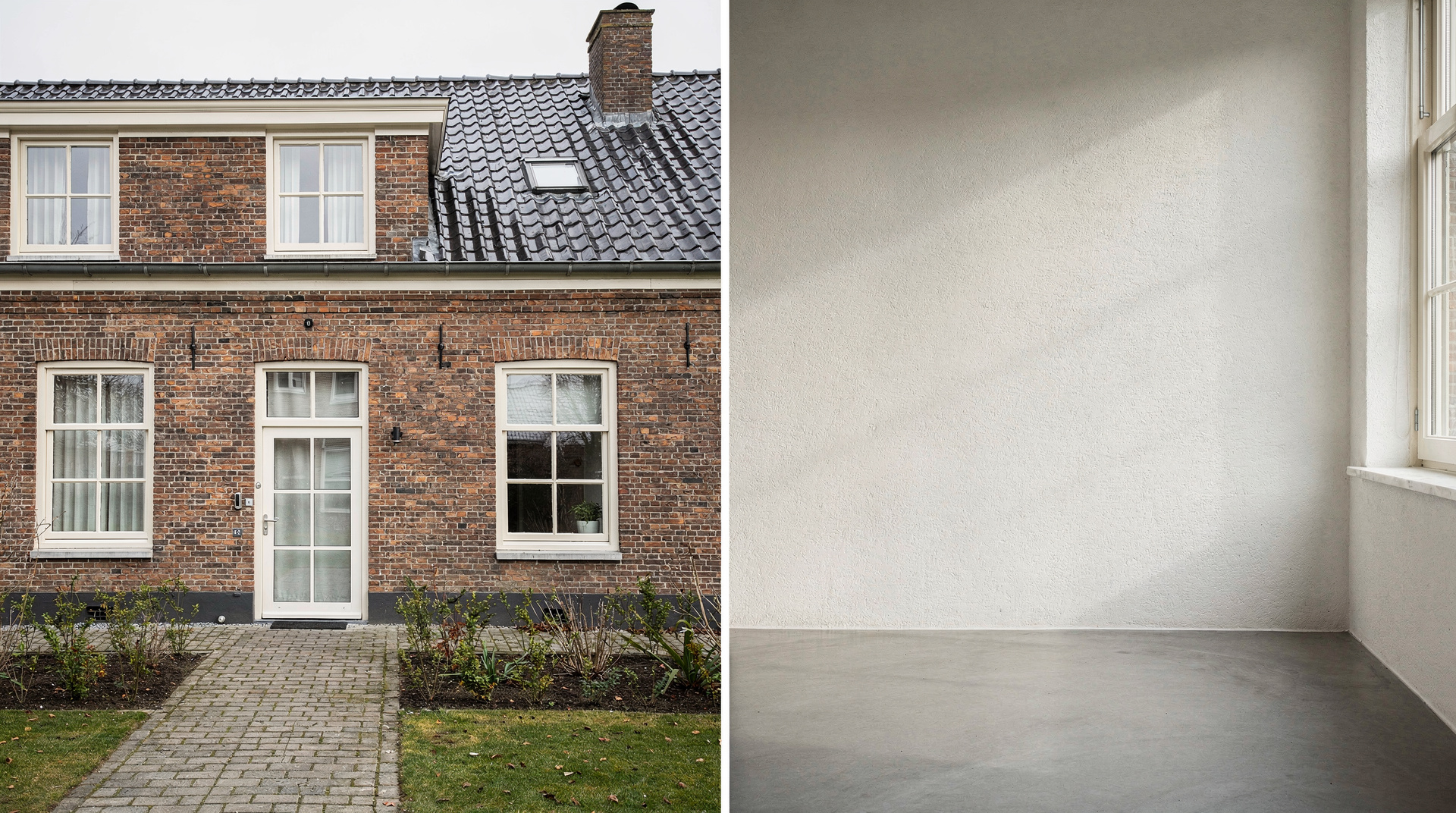
Renovating a historic building in the Netherlands means facing a dilemma: how to balance the need to preserve the building’s historic character with the desire to incorporate modern upgrades and amenities. This is a challenge that requires careful consideration of the building’s original design, materials, and cultural significance, as well as the needs and lifestyles of its current occupants.
Monuments, Protected Cityscapes and Modern Upgrades
Historic preservation refers to the practice of protecting and conserving buildings, monuments, and other structures of historical significance. In the Netherlands, this includes buildings that are listed as monuments (rijksmonumenten) or have been designated as protected cityscapes (beschermde stadsgezichten). Modern upgrades, on the other hand, refer to the incorporation of contemporary materials, technologies, and design elements into a building’s renovation or restoration.
Historic Preservation in the Netherlands: Regulations and What Works
In the Netherlands, historic preservation is regulated by the Ministry of Education, Culture and Science (Ministerie van Onderwijs, Cultuur en Wetenschap) and the Cultural Heritage Agency (Rijksdienst voor het Cultureel Erfgoed). These organizations provide guidelines and regulations for the conservation and restoration of historic buildings, including requirements for materials, techniques, and design. Homeowners and architects must work closely with these organizations to ensure that any renovations or upgrades comply with these regulations and respect the building’s historic integrity.
Standard practice for historic preservation in the Netherlands includes:
- Conducting thorough research and documentation of the building’s history and original design
- Using traditional materials and techniques wherever possible
- Avoiding alterations that compromise the building’s historic character or cultural significance
- Consulting with experts and stakeholders, including architects, historians, and local community groups
Modern Upgrades: Benefits and Considerations
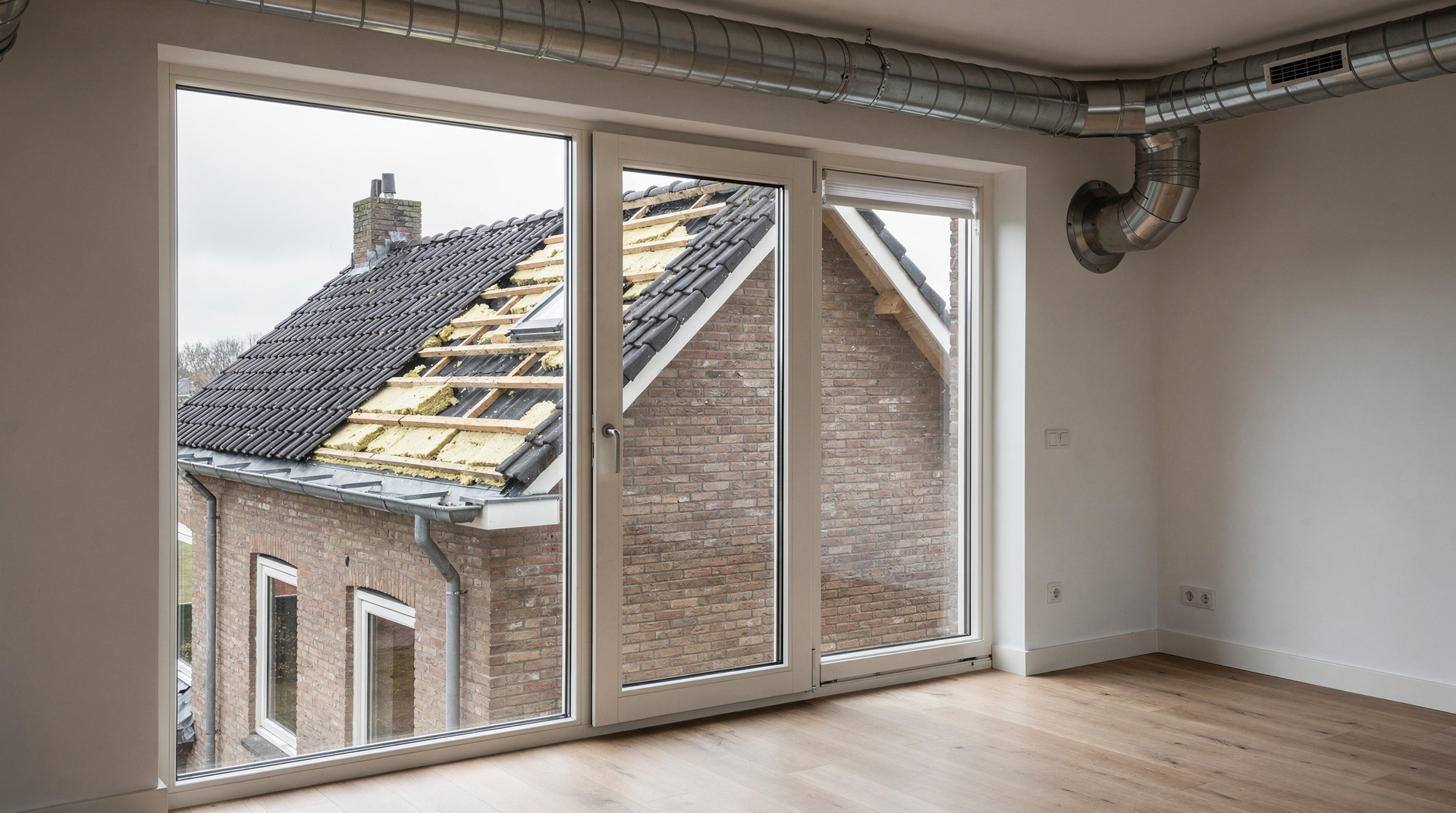
Modern upgrades can bring numerous benefits to historic buildings, including improved energy efficiency, enhanced comfort and livability, and increased property value. Some of the most common modern upgrades include:
- Installing double glazing and other energy-efficient windows
- Upgrading insulation and heating systems
- Integrating smart home technologies and automation systems
- Incorporating sustainable and eco-friendly materials and design elements
However, modern upgrades must be carefully considered to ensure that they do not compromise the building’s historic character or cultural significance. This may involve using sympathetic materials and design elements, minimizing visible alterations, and incorporating upgrades in a way that respects the building’s original layout and functionality.
The Rijksmuseum and Utrecht Canal Houses
There are numerous examples of successful renovations and restorations in the Netherlands that balance historic preservation and modern upgrades. For instance, the renovation of the Rijksmuseum in Amsterdam incorporated modern upgrades while preserving the building’s historic character and cultural significance. Another example is the restoration of the canal houses in Utrecht, which involved the use of traditional materials and techniques to preserve the buildings’ historic integrity while also incorporating modern amenities and upgrades.
| Project | Location | Historic Preservation Elements | Modern Upgrade Elements |
|---|---|---|---|
| Rijksmuseum Renovation | Amsterdam | Preservation of original building façade, restoration of historic interiors | Installation of modern climate control systems, integration of smart lighting and security systems |
| Utrecht Canal House Restoration | Utrecht | Use of traditional materials and techniques, preservation of historic building layout | Incorporation of modern insulation and heating systems, installation of energy-efficient windows |
Research, Sympathetic Materials and Phased Work
To ensure that your renovation or restoration project successfully balances historic preservation and modern upgrades, follow these practical tips:
- Work closely with experts and stakeholders, including architects, historians, and local community groups
- Conduct thorough research and documentation of the building’s history and original design
- Use sympathetic materials and design elements that respect the building’s historic character and cultural significance
- Minimize visible alterations and incorporate upgrades in a way that respects the building’s original layout and functionality
- Consider phasing your renovation or restoration project to prioritize the most critical historic preservation elements
Where to Start on a Historic Building
Finding the right balance between historic preservation and modern upgrades requires careful consideration of the building’s original design, materials, and cultural significance, as well as the needs and lifestyles of its current occupants. Homeowners and architects who follow the regulations and keep modern upgrades sympathetic to the original building can have both.
Work closely with experts and stakeholders, document the building’s history and original design, and put the most critical preservation elements first.