Guide to Cleaning Concrete & Cement
Today, concrete is everywhere from driveways to garage floors. Most people sooner or later face the pressing question: How to clean outdoor concrete? After all, durability isn’t all homeowners want. Aesthetics are so essential.
Dutch winters influence the surface. It becomes worn and stained. Despite its appearance, it’s ready to serve for decades to come.
CBS Renovation knows for sure that stains on concrete can be cleaned. You can even use the same products you already have in your home. By reading our article to the end, you’ll discover the best way to clean concrete floors.
Why Concrete Gets Dirty Over Time
Concrete is known for its porous structure. This property is what makes cleaning difficult. Water, oil, and other substances don’t just sit on the surface. They work their way into the tiny pores and harden there. Add in the Netherlands’ wet climate.
Indoor concrete floors face different enemies:
- foot traffic,
- spilled liquids,
- dust that grinds into the surface over time,
- the occasional home renovation that leaves paint or adhesive.
Also, during Dutch winters, water gets into those pores, freezes, expands slightly, and weakens the surface structure. So, the concrete becomes more absorbent and more prone to staining. This is why you need a more thoughtful process of cleaning.
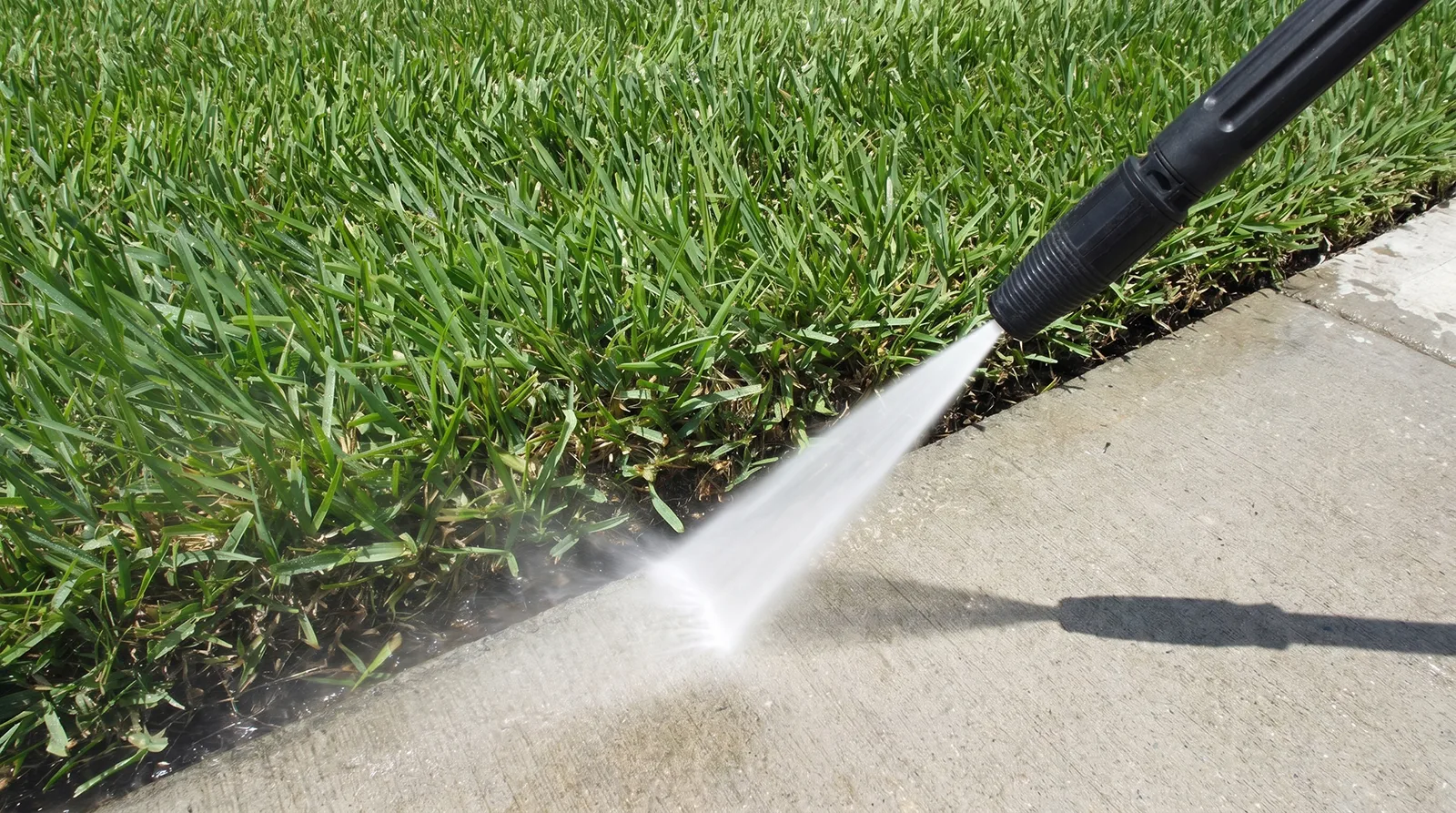
Common Concrete Stains
Every stain has a special recipe for successful removal. Therefore, determine what type of stain you’re dealing with. The danger is that the wrong approach can permanently set the stain. Also, you can damage the surface and make the concrete surface less durable.
Oil and Grease Stains: Effective Removal Techniques
Car oil is a headache for homeowners. Oil soaks in quickly, especially on older, uncoated surfaces. So, the longer the stain remains on the surface, the more difficult it is to remove. How to clean concrete surfaces in this case? Don’t waste any time and get to work!
The best way to remove oil from a fresh spill on concrete starts with absorbent material. It can be litter, sawdust, or even baking soda.
The best way to remove oil from concrete requires a few steps:
- Cover the stain.
- Leave it for several hours.
- Sweep it up.
- This pulls out a significant portion of the oil before it can fully penetrate.
For older stains, you’ll need a degreaser. Dish soap works on lighter spots. Stubborn stains can be removed with a commercial degreaser or compresses that will help draw oil out of the pores. To make such a compress, mix an absorbent powder with a solvent.
Please note that these methods are suitable not only for the Netherlands but also for other regions. For your area, we recommend doing all work in dry weather. If the stain has just formed, try to clean it before the rains, which are common in the Netherlands.
Dealing with Rust Marks on Concrete Surfaces
The most effective approach to clean the rust is an oxalic acid-based remover. You can find them in the Netherlands under various brand names in many stores. Apply the solution to the stain and let it work for 10–15 minutes. Then, scrub and rinse thoroughly. Always wear gloves and eye protection because oxalic acid is mildly corrosive.
Lemon juice and baking soda are also an option. However, they work as a gentler alternative on light surface rust. So, don’t expect miracles.
Mold and Mildew Buildup: Safe Cleaning Methods
The Dutch climate is well-known for its shade, moisture, and limited sun. Mold and mildew on concrete are a common thing here. It looks like dark grey or black patches. They appear often in corners or under overhangs where rainwater sits.
The best way to clean concrete is to apply a solution of 1 part bleach and 10 parts water. Do the following steps:
- Apply.
- Leave the solution for 15–20 minutes.
- Scrub the area with a stiff brush.
- Rinse well.
Make sure pets and children are kept away from the treatment area. Do not allow large amounts of the solution to enter rains or flower beds.
Diluted white vinegar is a smart alternative for lighter damages. It is appropriate for those who prefer to avoid bleach or are working near plants. It won’t kill mold as reliably. However, it’s safer for the surrounding environment which is so relevant for locals in the Netherlands.
Paint Spills and Dried Coatings on Concrete
Paint can be water-based or oil-based. Therefore, it will behave differently on concrete. To remove dried latex paint, first use a plastic scraper. Then apply a paint remover designed for concrete. Oil-based paints and older coatings require a stronger chemical remover.
One thing you need to know: avoid wire brushes on decorative or polished concrete. They scratch the surface and can leave metal particles behind that later rust. This means you could make things even worse than before.
Eliminating Tire Marks Without Damaging the Surface
Tire marks are rubber compound transferred onto the concrete surface, most often when warm weather softens the tyres. This is a common problem for homeowners who have just laid a driveway near their house. The marks often become more visible after summer. They look dark grey to black and can seem stubborn. However, they’re usually only surface-level.
So, how to clean cement from tire marks? A product containing trisodium phosphate is better than anything else. Apply, let it penetrate for a few minutes. Then try to scrub aggressively with a stiff-bristled brush. A high-pressure washer with moderate pressure is suitable for stubborn stains.
Algae and Moss Growth on Outdoor Concrete
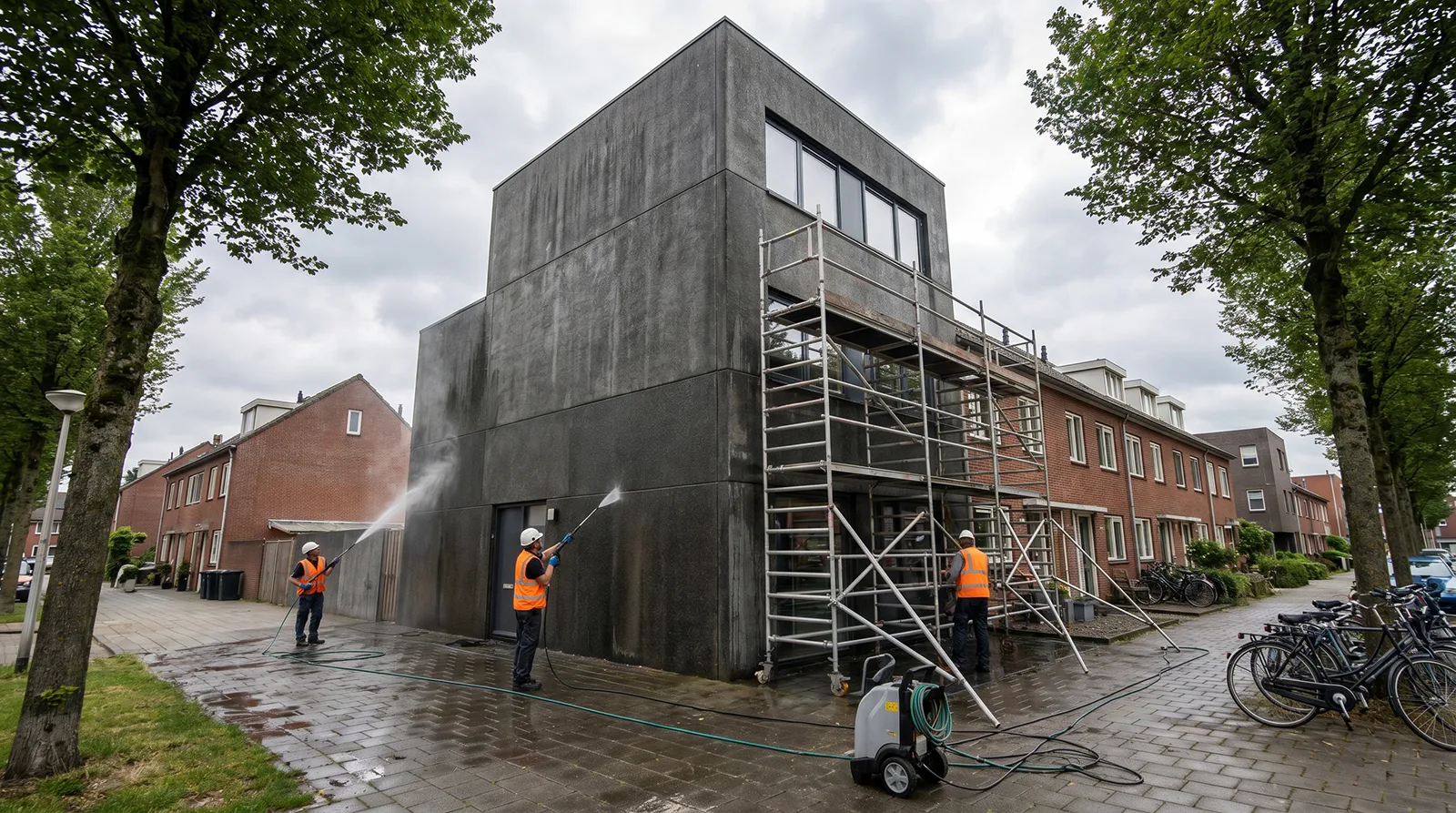
In the Netherlands it is the most common issue. Algae gives surfaces a green-brown slippery coating. Moss goes deeper, eventually lifting and cracking concrete if left long enough.
Dedicated terrace cleaners (terrasreinigers) are widely used here for good reason. They’re formulated for this exact problem.
Using a pressure washer with diluted white vinegar usually solves the problem quickly and effectively. Be sure to treat the cleaned surface with a moss repellent or apply a concrete sealer. In the humid Dutch climate, moss often returns. Therefore, preventative measures are essential.
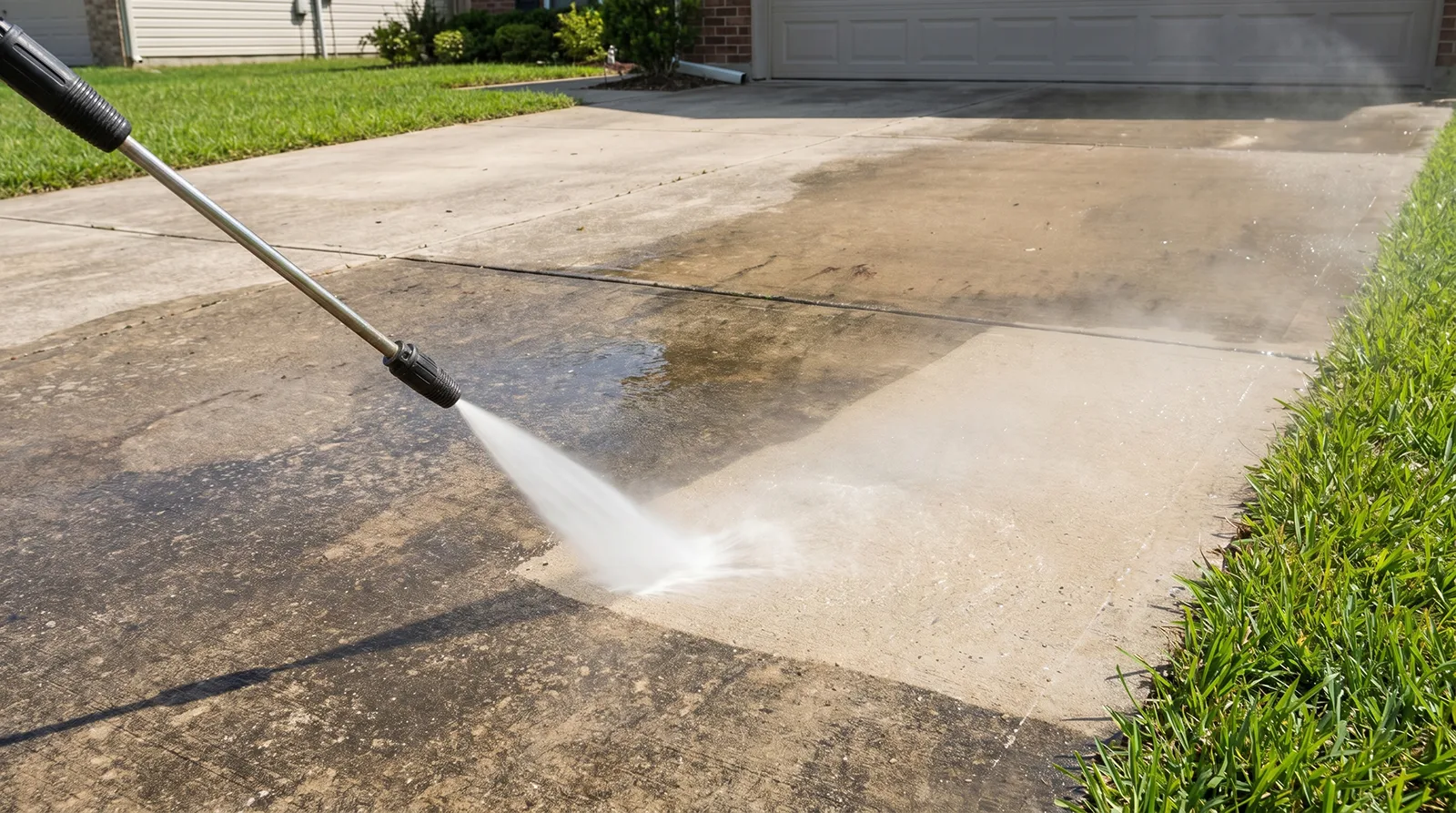
Cleaning Methods: Step-by-Step Approaches
The method you choose matters a lot. The best cleaner for concrete floors applied the wrong way can be just as ineffective as no cleaner at all. In some cases, it makes things worse. Here’s what actually works.
Manual Scrubbing Method
It is low-tech but effective. Manual scrubbing handles the job without any specialist equipment. It is perfect for smaller areas or lighter staining. All you need is a stiff-bristled brush, a bucket, any cleaning solution from home, and a garden hose.
Start by sweeping away loose sand and debris. Dampen the concrete a little bit, apply your homemade concrete cleaner, and brush the surface with circular motions. Then – and this part most people skip – let it sit. Ten minutes minimum. Twenty is better for anything beyond surface dust. Clean with the brush again and rinse thoroughly.
Cleaning Concrete with Household Products
You don’t always need to buy something specialised. Experienced professionals in the Netherlands have relied on simple home solutions for years. For everyday maintenance, they hold up well:
- Dishwashing liquid + warm water covers general dirt and surface grime without any fuss.
- Baking soda paste is good for light stains and anything oil-based caught early.
- White vinegar (diluted 1:1) is eco-friendly, effective on algae, mildew, and mineral deposits.
- Hydrogen peroxide (3%) is an underrated solution for organic stains and mold.
- Bleach solution (1:10) is the Dutch go-to for fighting the mold and algae that wet climates produce relentlessly.
Please remember none of these are magical ones. It’s logical that dishwashing detergents won’t remove two-year-old stains. We recommend them for regular cleaning or fresh stains.
Using Commercial Concrete Cleaners
For serious or stubborn stains, commercial products are worth the investment. The Dutch market has solid options in any large DIY store or builders’ merchant. The key is matching the cleaner to the stain type:
| Product Type | Best For | Notes |
| Alkaline degreaser | Oil, grease, general grime | Safe on most surfaces |
| Acid-based cleaner | Rust, mineral deposits, efflorescence | Always test in a hidden spot first |
| Enzymatic cleaner | Organic stains, pet mess | Slow-acting but thorough |
| Bleach-based cleaner | Mold, algae, mildew | Not suitable for coloured concrete |
Read the label before applying anything. Some products need diluting. Some require you to wear gloves and eye protection. Most have a minimum dwell time that people routinely ignore.
How to Pressure Wash Concrete Safely
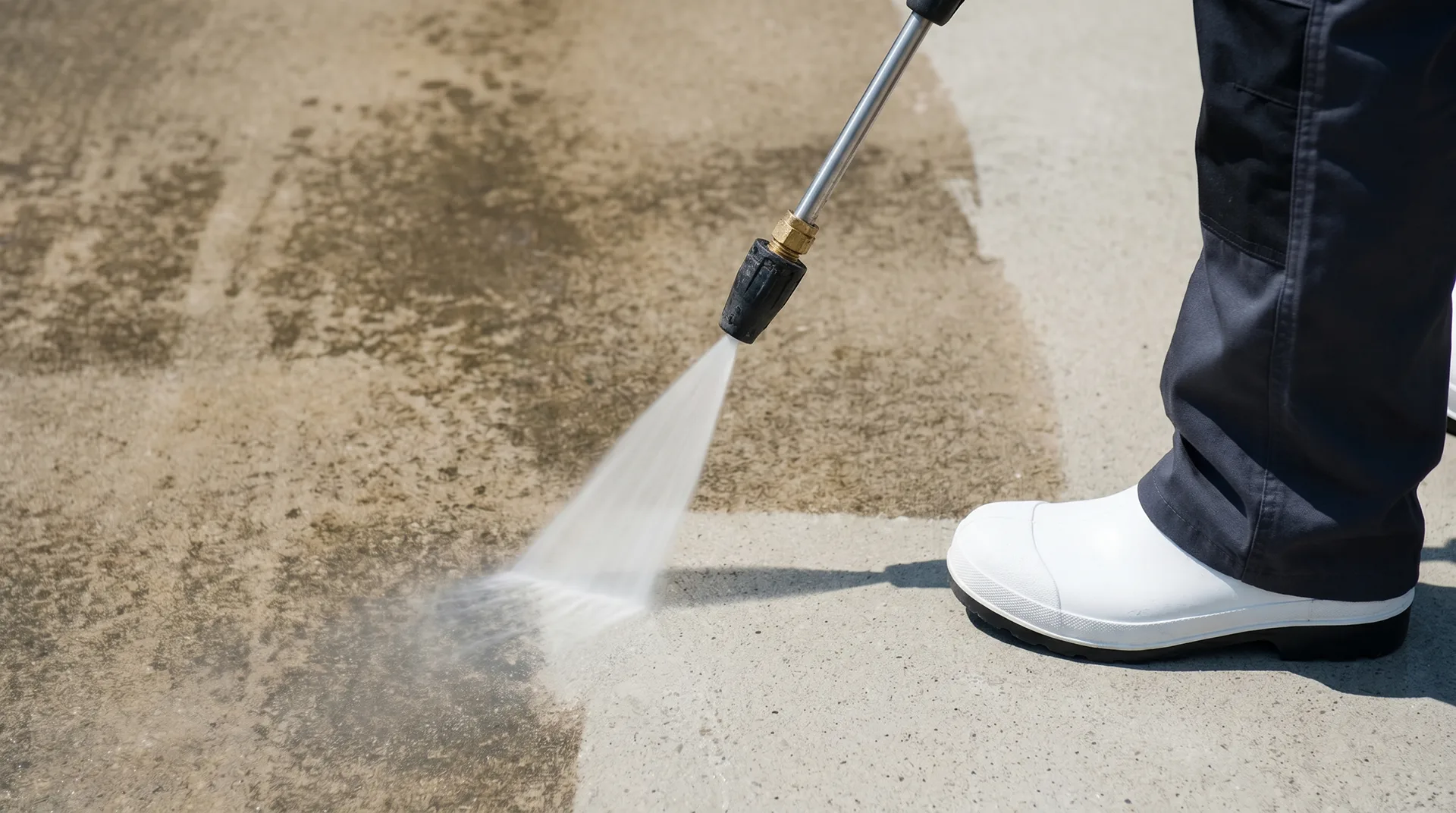
A pressure washer is the fastest tool for outdoor concrete. It’s also the most commonly misused one. Too much pressure held too close strips the top layer of the surface, leaving you with open pores that absorb the next stain even faster. Not ideal.
The best way to clean concrete is about the basics for doing it right:
- Stay between 1500 and 3000 PSI.
- Keep the nozzle at least 30 cm from the surface.
- Use a wide fan tip, not a pinpoint jet.
- Move in steady overlapping passes.
One thing worth doing before you start: pre-wet the surface. Concrete does not absorb the detergent, which makes the entire process more efficient.
How to Clean Concrete Without a Pressure Washer
No pressure washer isn’t the end of the world. A stiff deck brush, a long-handled scrubber, and a garden hose with a decent spray attachment will get the job done on most surfaces.
What you lose in pressure, you make up for in dwell time. Apply the cleaner generously and leave it. For tough stains, 20 to 45 minutes before scrubbing. Multiple passes with rinse cycles between them often outperform a single aggressive attempt.
How to clean indoor concrete floors? A good mop and a pH-neutral floor cleaner are enough to maintain the surface between deeper cleans. Just avoid anything acidic on sealed or polished concrete. It degrades the sealer faster than dirt ever would.
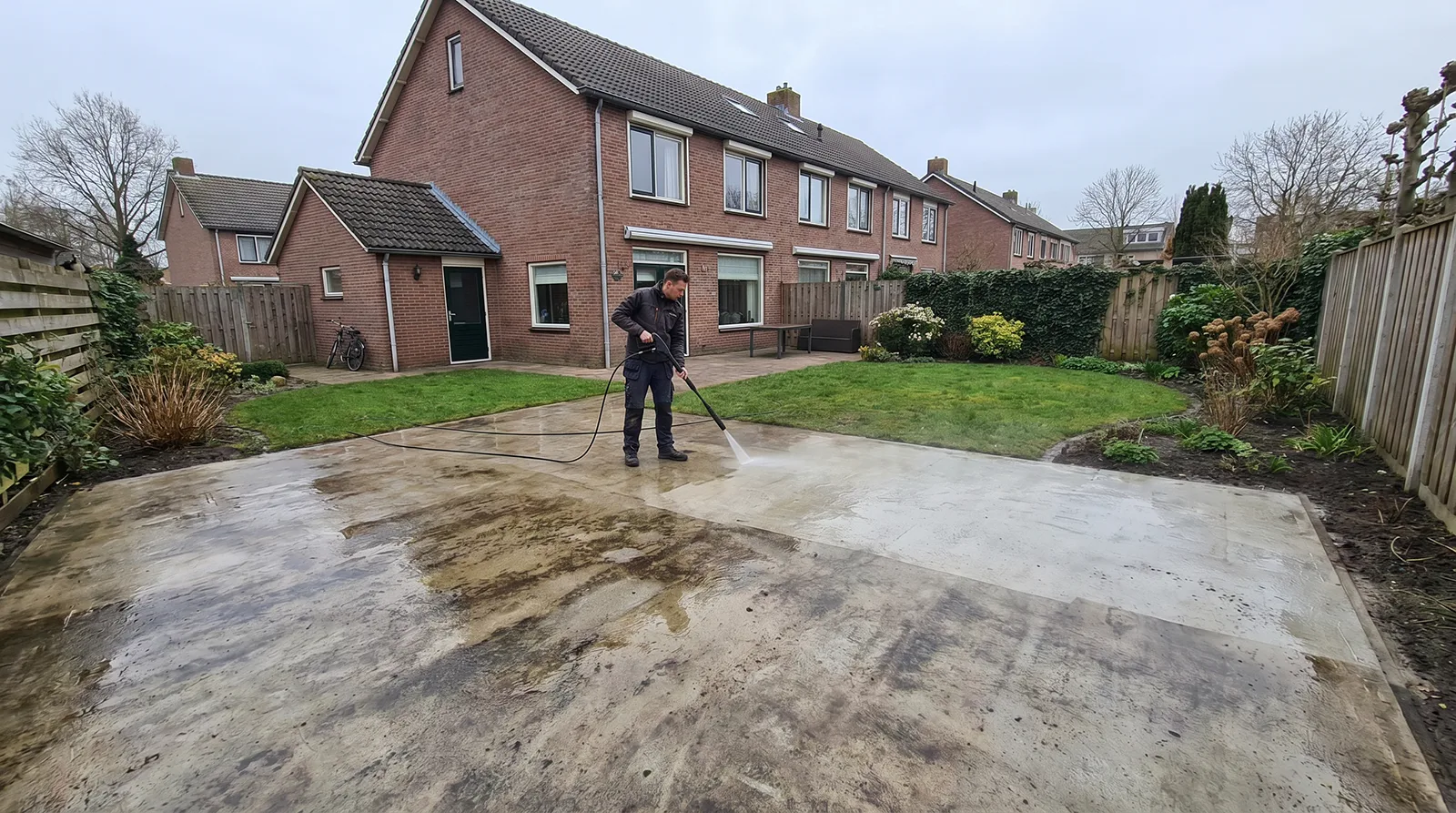
How to Clean Different Types of Concrete Surfaces
The same approach doesn’t work everywhere. Here’s a quick breakdown by surface type:
- Garage floors. Oil, rubber residue, and chemicals are the main culprits. A dedicated degreaser and a stiff brush handle most of it. If the floor has an epoxy coating, check compatibility before applying any cleaner. Some products react badly with coated surfaces.
- Driveways. Add here outdoor exposure, moss, algae, tyre marks, and general weather staining. Annual pressure washing with a terrace cleaner usually keeps things under control. Skip a year or two in Dutch conditions and you’ll have a noticeably green driveway.
- Patios and terraces. Similar principles apply here as with driveways. Go carefully with acid-based cleaners on stamped or coloured concrete. They can strip or discolour the surface.
- Indoor concrete floors. They include basements, kitchen floors, and polished finishes. Regular sweeping and a neutral pH cleaner are usually all you need. Vinegar on sealed or polished surfaces is a common mistake. The acidity slowly damages the sealer, which then requires costly repair.
- Basement floors. Humidity creates its own problems here. Efflorescence is common and responds well to acid-based cleaners. Cleaning it off without addressing the underlying moisture issue, though, and it’ll be back within months.
Try to use our advice. If they are not working, you can call CBS Renovation specialists.
Deep Cleaning Old or Severely Stained Concrete
Concrete that has accumulated dirt for years cannot be cleaned in one go. For a quality result, we recommend identifying the type of stain, whether it has a protective coating, and determining any damage.
The best way to clean cement floors is a multi-step method that will help you bring beauty to even a very dirty area:
- Pre-clean. Remove all loose debris, vegetation, and surface dirt.
- Degrease. Apply a heavy-duty alkaline degreaser.
- Deep clean. Use a commercial cleaner suited to the dominant stain type.
- Scrub or pressure wash. Work the product properly, not just rinse it off.
- Acid wash for mineral stains. Remember about ventilation and protective gear.
- Final rinse. Multiple cycles clears all chemical residue from the pores.
When the problem goes beyond what DIY cleaning can realistically handle, it’s worth bringing in professionals. At CBS Renovation, we handle concrete surface preparation as part of larger house renovation projects and can give an honest assessment of whether a surface needs cleaning, repair, or something more.
How to Protect Concrete After Cleaning
The best way to clean concrete is half the job. Leaving it unprotected means you’ll be doing it again sooner than you’d like. Especially outdoors in a Dutch climate.
Sealing is the best protection ever. A few maintenance habits also can make a real difference:
- Sweep regularly: grit left on the surface grinds in underfoot.
- Address oil spills immediately, before they penetrate.
- Stay on top of moss and algae. Once established, removal takes considerably more effort.
- In shaded spots, trim back plants to improve air circulation.
If the surface shows signs of cracking or deterioration beyond surface staining, cleaning it first at least gives you a clear picture of the actual condition. What looks like a cleaning problem is sometimes a repair problem in disguise.
Our team at CBS Renovation offers turnkey renovation and repair services without the hassle of coordinating multiple contractors.