Why Acoustic Comfort is the Ultimate Luxury in Apartment Renovations
A beautifully redesigned home can still feel unsettling, and the reason is usually what you hear rather than what you see. Most people renovating put the look first, yet the luxury is in the silence. Sound matters as much in a full apartment renovation as in a house extension Amsterdam project. Visuals fade, but the constant hum of city life and neighbors’ footsteps remain. Acoustic comfort changes how a flat feels to live in, and getting it right takes specialist work.
Impact Noise, Permits and VvE Flooring Rules
Before altering your space, you must understand the local rules. What do these specific Dutch terms actually mean for your project?
- VvE (Vereniging van Eigenaren): The homeowners association. They enforce strict VvE flooring rules to prevent noise transfer between apartments.
- Bouwvergunning: A building permit required for major structural changes, ensuring your project meets national safety and zoning codes.
- Impact Noise: The physical vibration transmitted through floors and walls, like footsteps or dropped objects, which is the primary enemy of apartment living.
The Science of Soundproofing in Modern Homes
How does sound actually travel through a building? Think of your apartment as a giant drum. When you walk on a hard floor, the structure vibrates, radiating impact noise into the rooms below. Effective soundproofing breaks this physical connection, addressing both structure-borne vibrations and airborne voices.
Materials That Absorb and Block
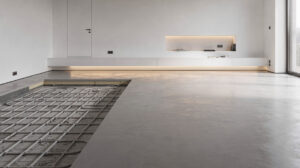
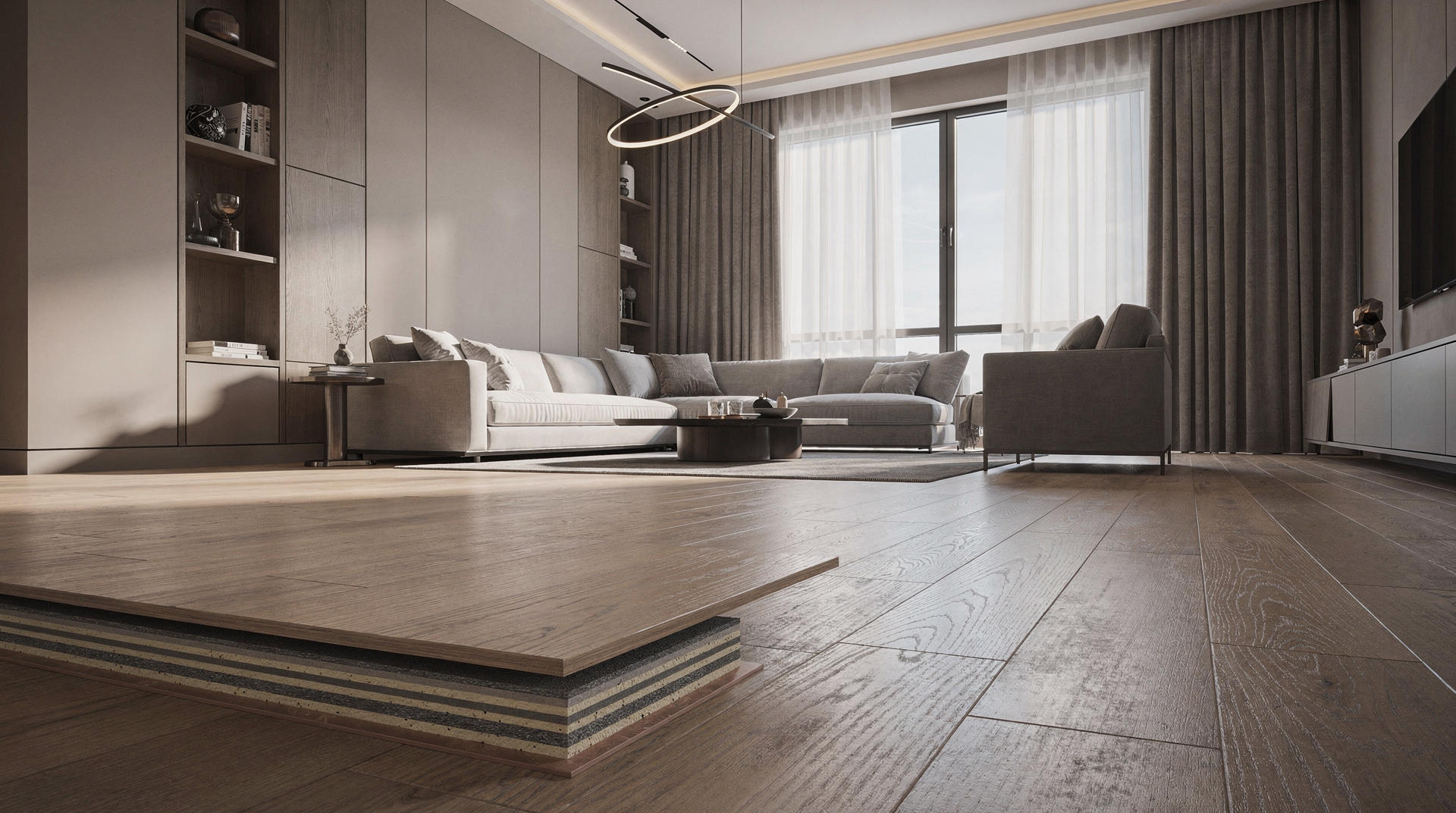
Choosing the right sustainable building materials is essential. Modern acoustic underlays use recycled rubber or cork to decouple the finished floor from the concrete subfloor. This decoupling acts like a shock absorber in a car, soaking up vibrations before they become airborne sound. For walls, adding mass and isolation through specialized acoustic plasterboard stops voices and television noise from bleeding into adjacent rooms.
The Role of the VvE
Why are VvE flooring rules so strict? In dense urban environments, impact noise is the leading cause of neighbor disputes. Most associations require a minimum sound reduction rating, often measured in decibels, before approving any hard floor installation. Ignoring these rules can result in forced removal of your new floors and hefty fines.
Floating Floors, Decoupled Walls and Sealed Gaps
How can you ensure your renovation achieves acoustic comfort? Follow these professional directives:
- Hire certified acoustic consultants and professional contractors to assess your specific building structure before starting any demolition.
- Request official acoustic test reports for all proposed materials to guarantee compliance with VvE flooring rules.
- Install floating floors and decouple wall frames to physically separate your living space from the building’s main structure.
- Seal all gaps around pipes and electrical outlets with acoustic sealant, as sound behaves like water and will escape through the smallest holes.
The Value of Silence
Acoustic comfort elevates any house renovation in the Netherlands into a premium living experience. By understanding impact noise, respecting local regulations, and using advanced sustainable building materials, you create a peaceful retreat. Always rely on skilled professionals to execute these complex techniques, ensuring your home remains a quiet haven for years to come.