Invisible Smart Home Tech: Hard-Wired Automation vs. Wi-Fi Gadgets
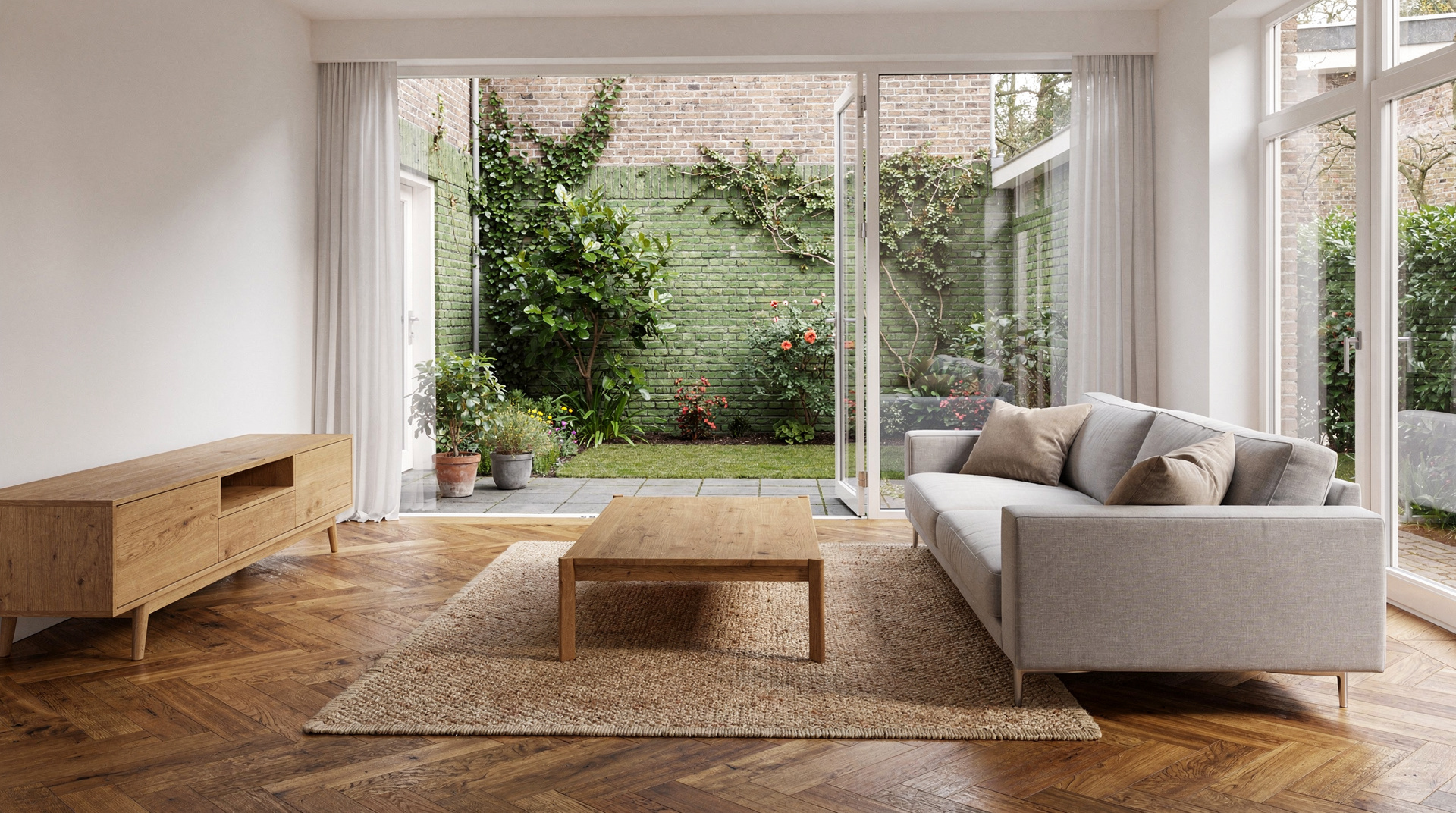
Imagine walking into a living room where the lighting adjusts to the fading sunset and the climate control anticipates your arrival, yet not a single screen or blinking router is in sight. As the market for house renovation Netherlands matures, homeowners are abandoning cluttered gadgets for hidden intelligence. But why are we shifting away from wireless plugins toward hard-wired brains? Let us explore the mechanics behind the smart home 2026 vision and uncover how hidden infrastructure transforms modern living.
Permits, Installation Work and Property Value
Before ripping open walls, you must understand the local rules and technical limits governing domestic upgrades.
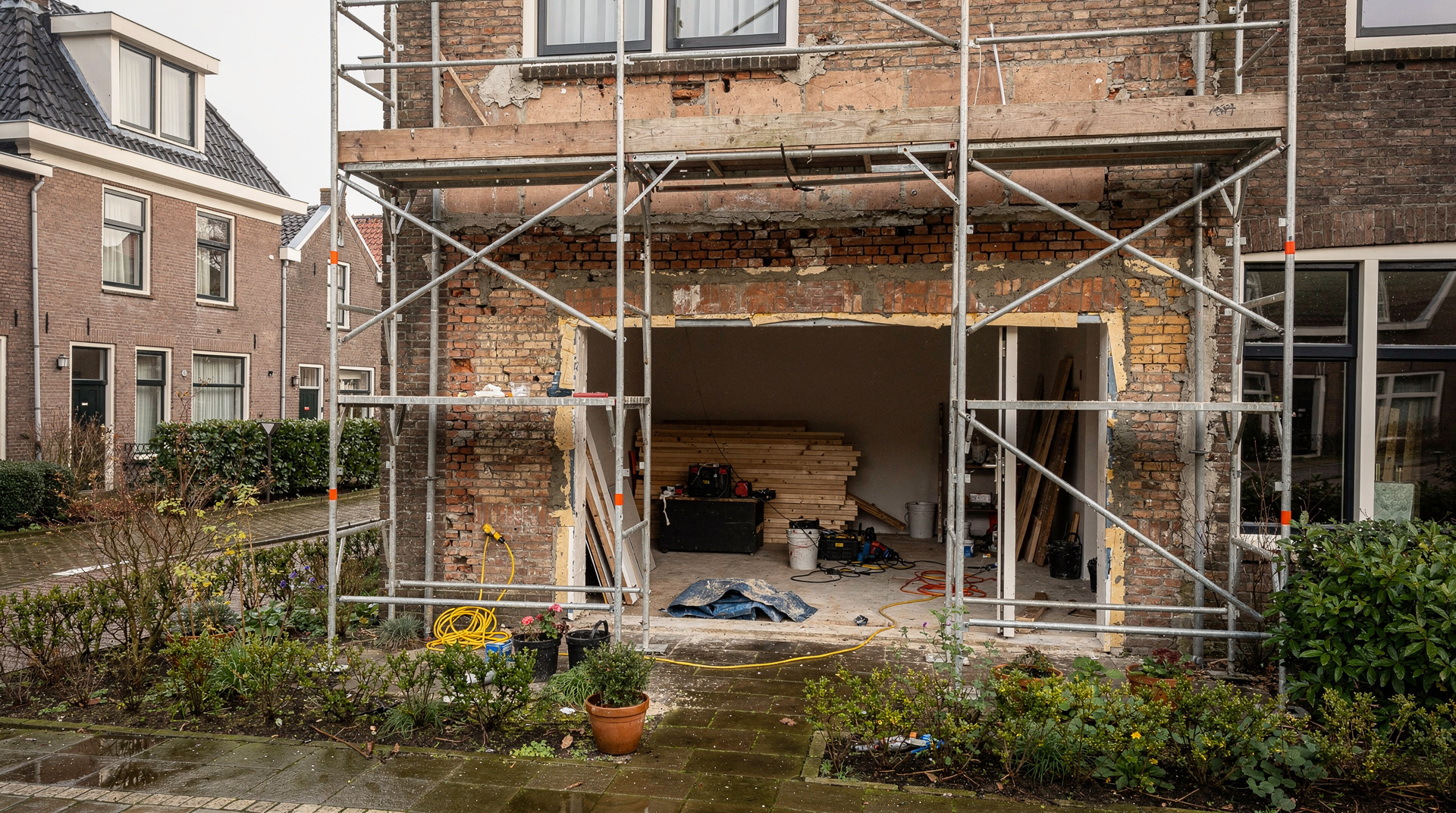
- Bouwvergunning: This is your official building permit. While a standard smart plug requires no paperwork, structural changes for a house extension Amsterdam or major electrical overhauls often demand formal municipal approval.
- Installatiewerk: Translating to installation work, this encompasses the physical cabling and electrical infrastructure. It is the physical foundation of any intelligent property.
- Woningwaarde: The property value. Permanently integrated systems significantly boost this metric compared to temporary wireless fixes.
The Wi-Fi Gadget Trap
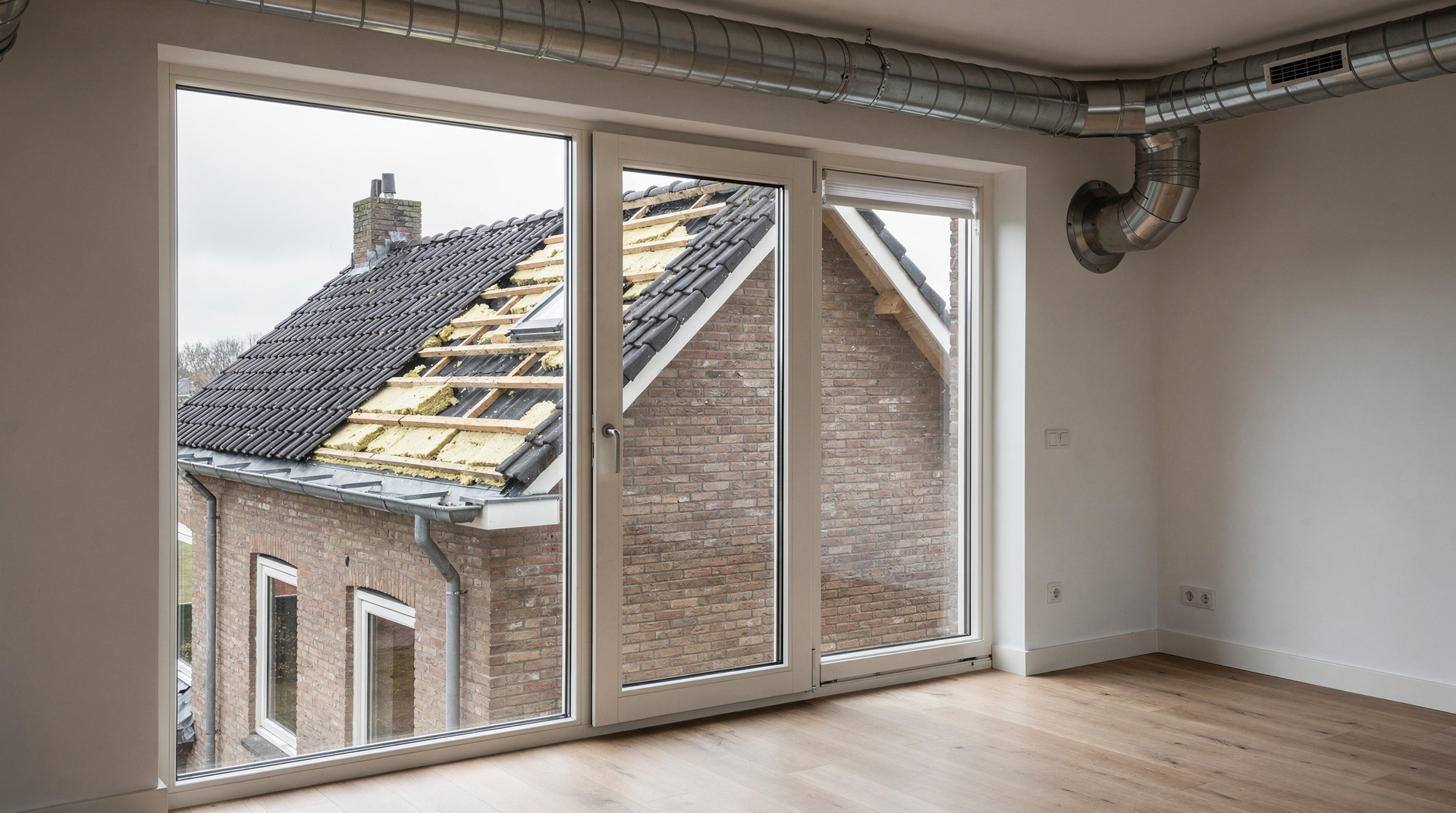
Off-the-shelf wireless devices are incredibly tempting. They are cheap and easy to set up. However, think of Wi-Fi gadgets as isolated islands. Your smart bulb speaks one language, while your thermostat speaks another. When your internet connection drops, your house loses its mind. In a complete house renovation, relying on wireless signals bouncing through thick Dutch brickwork is a recipe for frustration. The bandwidth simply clogs up when dozens of devices compete for attention, leading to delayed responses and dropped connections.
Hard-Wired Brilliance: The Central Nervous System
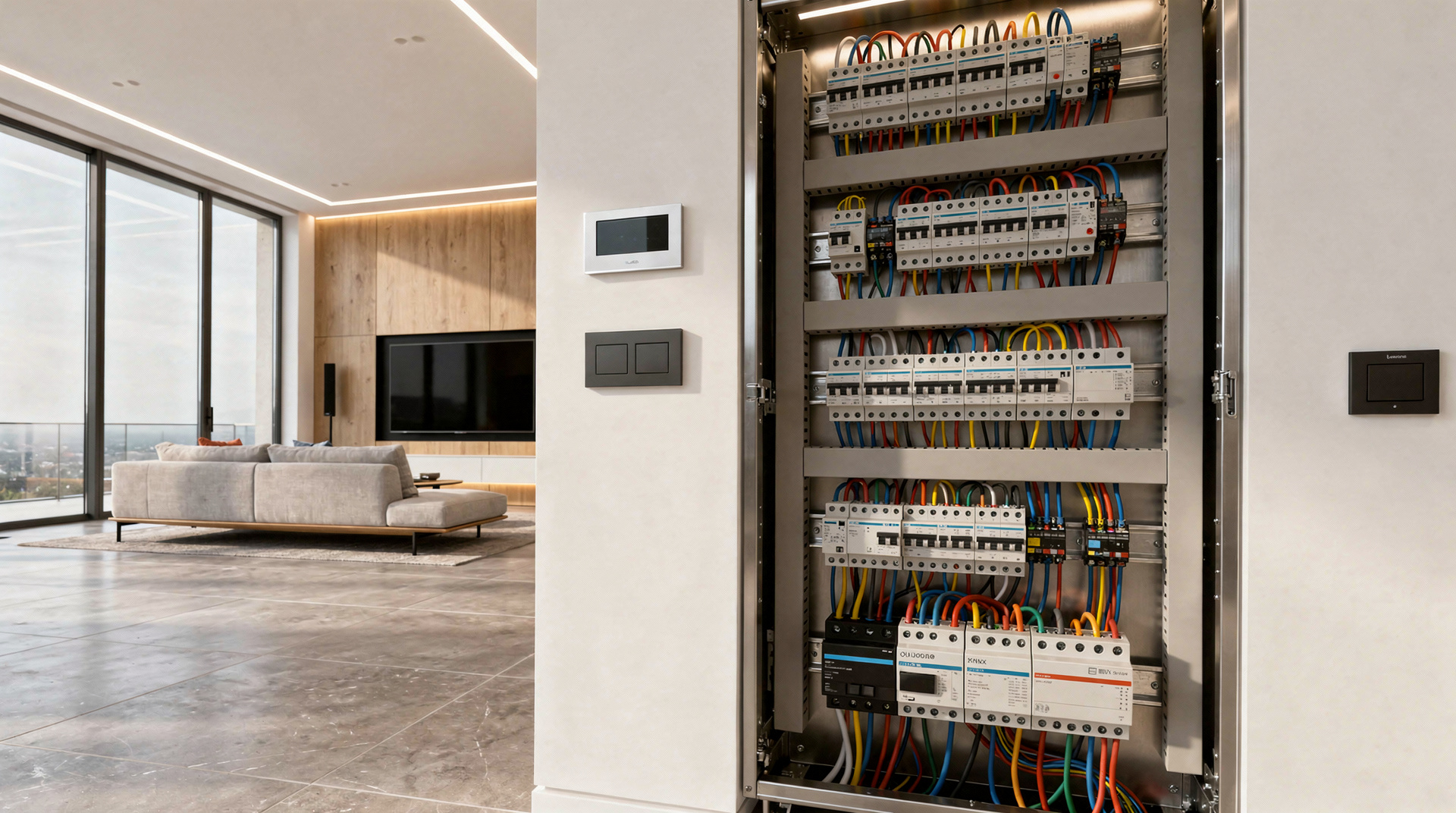
Hard-wired systems operate entirely differently. Instead of isolated islands, imagine a central nervous system. Protocols like KNX automation use dedicated physical cables to connect every switch, sensor, and actuator. This creates a closed loop that never interferes with your home Wi-Fi. Similarly, Loxone systems use a dedicated tree topology, ensuring commands reach their destination in milliseconds. This is the true essence of invisible technology. The intelligence lives inside the walls, leaving your living spaces beautifully uncluttered and highly responsive.
Hiding Tech in Sustainable Building Materials
How do you embed sensors without ruining the aesthetic of your newly installed eco-friendly plaster? Modern sustainable building materials often include thick insulation layers that can weaken wireless signals. Hard-wired micro-sensors can be plastered directly over, leaving only a tiny, paintable dot visible. This ensures your climate control remains highly accurate without compromising the thermal envelope of your home.
Planning the Wiring Before the Walls Close
Follow these strict guidelines to ensure a flawless execution during your build:
- Hire certified electricians for all electric installation work. Never attempt to wire high-voltage automation buses yourself, as improper handling poses severe fire risks and voids insurance.
- Map out every single sensor and switch location before the plastering phase begins. Changes after the walls are closed are exceptionally costly.
- Demand a dedicated server rack space in your utility room to house the central automation controllers safely away from moisture and dust.
- Consult your municipality early to confirm if your planned structural modifications require a formal bouwvergunning before any demolition starts.
Making the Technology Disappear
Building an intelligent property requires looking past the immediate convenience of wireless plugins. By embedding hard-wired infrastructure during your renovation, you create a responsive, reliable environment that ages gracefully. The future of domestic architecture is not about adding more screens to our walls; it is about making the technology disappear entirely.