How to Fix a Leaking Toilet: Plumbing Services Before the Damage Spreads
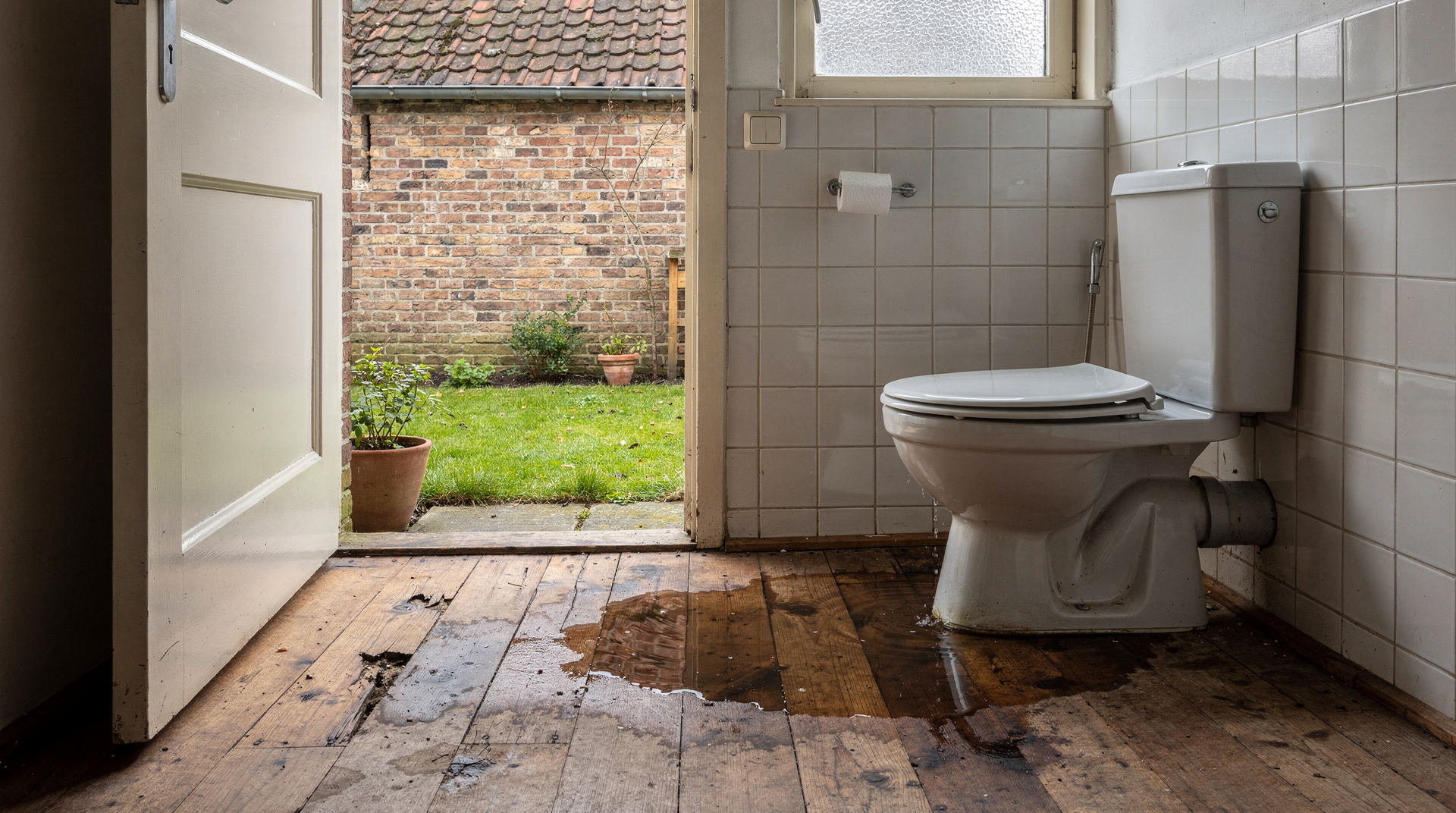
A leaking toilet is rarely just a toilet problem. The water on the floor is often the smallest part of it. The rest may be soaking into screed, plasterboard or the ceiling of the neighbour below. Sound leaking toilet repair means finding the true source, stopping water from reaching the structure and having the fault corrected by someone who can also check what the water has already touched.
In Dutch homes this matters because many bathrooms are small and fitted with a wall-hung toilet, where the cistern (inbouwreservoir) sits inside a tiled wall. In apartments, the floor is also a neighbour’s ceiling. A slow leak can stay out of sight for weeks.
Where a Toilet Leak Usually Starts
Most leaks come from a short list of parts. Knowing them helps you describe the problem accurately to a plumber.
- Supply connections: a loose fitting or a ageing flexible hose at the isolation valve drips onto the floor.
- Pan connection: on a floor-standing toilet, a worn seal between the pan and the drain outlet leaks at the base, mostly during flushing.
- Cistern seals: a worn flush valve or fill valve can leak inside the cistern, or let water escape from a concealed unit into the wall cavity.
- Cracked ceramic: hairline cracks in the pan or cistern can seep water slowly.
Not every wet patch is a leak. A cold cistern in a warm, humid bathroom collects condensation, which can look similar. That is why a proper diagnosis comes before any repair.
Why Hidden Leaks Cause More Damage Than Visible Ones
Water follows gravity and the easiest path. It runs along pipes, under tiles and into the gaps around the drain. Cement screed and plasterboard absorb it, and in older houses with timber floors it can reach the joists. Wood decay needs prolonged moisture, but mould can start within days in a warm, poorly ventilated bathroom.
Warning signs worth noting include:
- a musty smell that returns after cleaning
- dark or crumbling grout lines near the toilet
- tiles that sound hollow or feel loose
- swollen skirting boards or blistering paint
- a stain on the ceiling below
- a water meter that keeps moving when nothing is in use
Each of these points to water going somewhere it should not. Early water damage prevention is mostly about reading these signs before the structure takes the hit.
Why Repairs Behind the Wall Need a Professional
The visible part of bathroom plumbing is only a fraction of the system. Reaching a concealed cistern means opening the wall panel without damaging tiles or the waterproofing around it. The drain connection often sits beneath the finished floor. A seal that is slightly misaligned may hold for a day and fail a month later, behind a wall you have just closed.
Drinking-water installations in the Netherlands must also meet national rules that protect water quality, so work on the supply side is not a place for improvisation. A qualified plumber can pressure-test the connections and measure moisture in the surrounding materials. That tells you how far the water has travelled, which a visual check cannot do.
Be clear about the kind of help you need. If water is actively escaping, you need an emergency plumber. CBS Renovation does not carry out call-outs or single repairs, but it deals with what comes after: bathroom renovation work where the leak, the damage and the cause are handled together.
What to Limit While You Wait for Help
These steps reduce damage without touching the installation itself:
- Close the isolation valve behind the toilet, or the main stopcock (hoofdkraan) if water keeps flowing.
- Stop using the toilet until it has been inspected.
- Mop up standing water and ventilate the room.
- Photograph the damage before drying, as your insurer may ask for it.
- Read the water meter, wait an hour without using any water and read it again. Note any change.
- Warn the neighbours below, or the owners’ association (VvE), if water may be reaching their ceiling.
- Leave the wall panel and tiles in place so the plumber can see the original situation.
- Check your home insurance conditions for water damage and sudden leaks.
When a Leaking Toilet Points to a Bathroom Renovation
Sometimes the leak is a one-off failure. Sometimes it shows that the installation has reached the end of its life. Repeated leaks, corroded fittings, damp subfloors or a cistern with no service access suggest the problem will return. In that case, replacing a single seal solves little.
A bathroom renovation allows the whole chain to be corrected in one project: new toilet system and drain connections, a waterproof layer beneath the tiles, repaired subfloor and finished surfaces. A well-planned bathroom also includes an inspection hatch to the cistern, so any future fault can be reached without breaking out tiles.
If the water meter keeps turning while the house is quiet and the toilet is the main suspect, treat that as the cue to have the area inspected and moisture-tested before the repair is closed up.