Integrating a Home Battery System During a Full Renovation
Rising energy costs are changing how Dutch residents view their properties. With the energy transition accelerating toward 2026, many people planning a complete house renovation in the Netherlands ask whether a home battery should go in at the same time. What does a thuisbatterij installation involve, and what do Dutch regulations require?
Home Battery Terms You Need to Know
Before bringing in the builders, untangle the terminology:
- Thuisbatterij: A rechargeable battery storing solar or grid electricity.
- Smart energy: An ecosystem where appliances and battery communicate to optimise power use.
- Peak shaving: Discharging the battery during expensive peak hours instead of drawing grid power.
- Bouwvergunning: A building permit potentially required when altering major electrical infrastructure.
- Sustainable building materials: Extending beyond insulation to systems actively managing energy consumption.
Why a Full Renovation Is the Golden Window
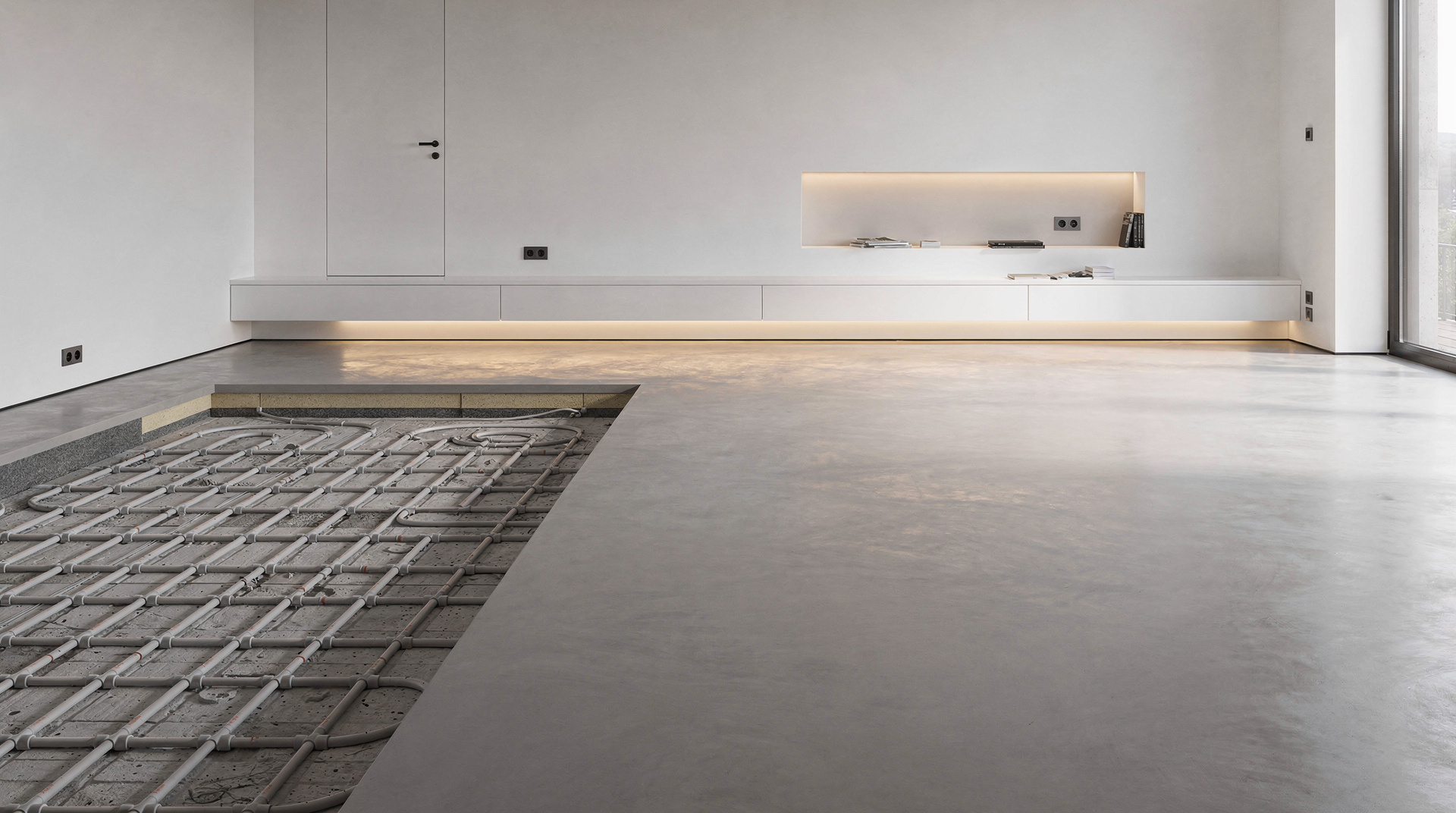
Renovating a house is messy. Floors come up, plaster comes off, and the electrical skeleton is exposed. This creates a rare opportunity. Integrating a home battery 2026-ready system during this phase saves labour. Cables route cleanly, the meterkast can be reinforced for extra load, and the physical footprint can be planned into utility spaces. On a house extension of the kind Amsterdam property owners often pursue, or in a flat being gutted, running the infrastructure in one project is cheaper than retrofitting later. Think of it like servicing a classic car: if the engine is out, replace the bushes simultaneously.
The Core of the Project: Electric Installation Work
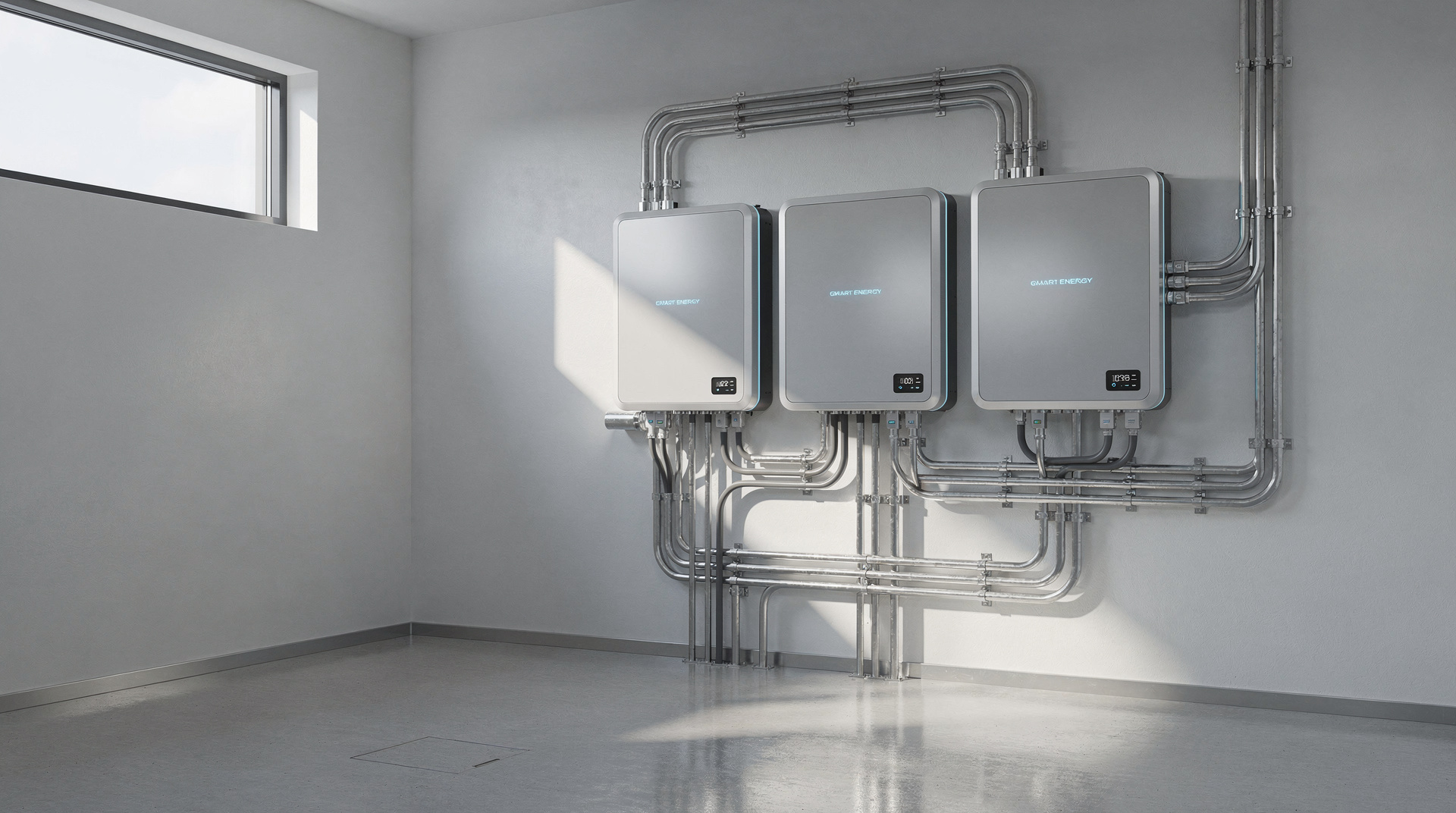
None of this technology works without professional electric installation work. A home battery is not a regular appliance. It connects directly to your main panel and a hybrid inverter. In the Netherlands, electrical installations must comply with strict safety standards; DIY approaches are strictly discouraged. Certified installers ensure the system is properly grounded, circuits are not overloaded, and emergency cutoffs function. When pairing a battery with solar panels, your electrician must balance phase loads to prevent imbalances. Ignoring this reality can lead to tripped breakers or fire risks. Selecting a registered electrician is the most critical decision.
Smart Energy, Peak Shaving, and 2026
Energy markets are shifting rapidly. Dutch net metering regulations are expected to tighten, meaning the financial return on solar panels alone will gradually decrease. That is what peak shaving with a home battery 2026 technology is for. Overproduction from solar panels during afternoons can be stored rather than sold back for pennies. Later, during expensive evening peaks, the battery takes over. Smart energy algorithms even predict weather, electricity prices, and household consumption to charge and discharge automatically.
Meterkast Space, Certified Electricians and Insurance
- Start with a professional energy audit to identify consumption patterns before choosing battery capacity.
- Engage certified, registered electricians for all electric installation work; never attempt to connect a battery yourself.
- Reserve space in the meterkast or utility room for the battery and inverter, ensuring ventilation.
- Verify municipality rules early to determine if a bouwvergunning or electrical notification is required.
- Future-proof the installation by selecting modular batteries that allow capacity expansion over time.
- Coordinate the battery install with solar panels or new sustainable building materials to consolidate costs.
- Review your home insurance policy to ensure the new battery system is fully covered.
Renovation and Energy Storage in One Project
Bringing a home battery system into a full renovation prioritises future-proofing and sustainability. Rather than viewing a thuisbatterij installation as a standalone gadget, treat it as an integral component of your house renovation Netherlands project. This approach streamlines construction, complies with safety standards, and prepares your property for the energy realities of 2026.