Maximizing the 2026 ISDE Subsidy for Biobased Home Insulation
The 2026 ISDE subsidy works like a rebate on insulation: it reduces what you pay for qualifying materials and their installation. That is what brings biobased materials such as hemp, flax and wood fibre within reach for Dutch homeowners. Here is how the scheme works and what an insulation upgrade needs to qualify.
What ISDE, RVO and Biobased Insulation Mean
Four terms come up throughout the application process:
- ISDE (Investeringssubsidie duurzame energie en energiebesparing): This is the Dutch government’s primary financial incentive for homeowners investing in energy-saving measures. It functions like a rebate, directly reducing the cost of qualifying installations and materials.
- RVO (Rijksdienst voor Ondernemend Nederland): This is the governmental agency that administers the ISDE subsidy. They are the gatekeepers who review applications and distribute funds.
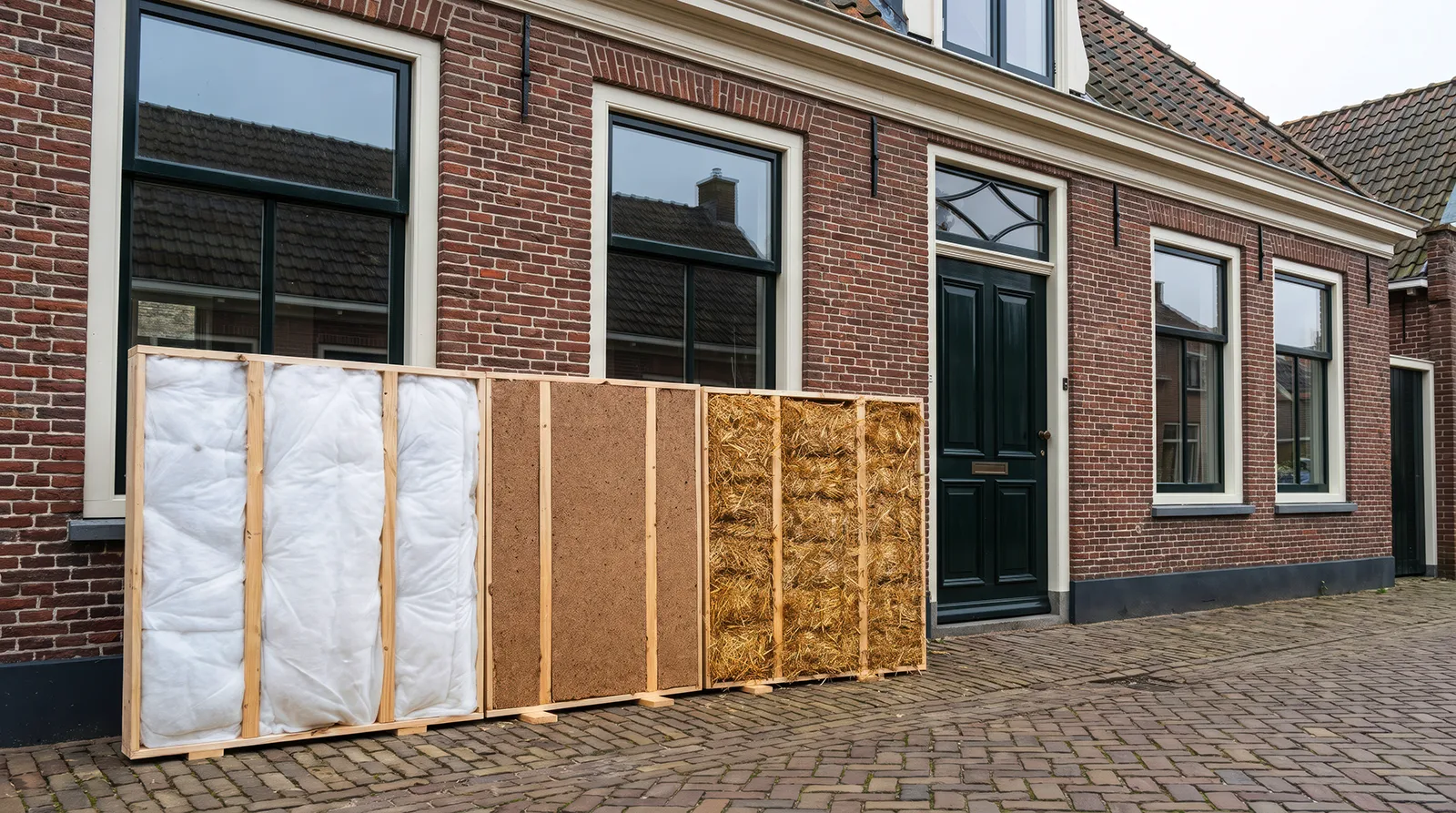
- Biobased Insulation: These are materials derived from natural, renewable biological sources–think hemp, flax, wood fibre, or cellulose–rather than petrochemicals. They offer a lower environmental footprint while providing excellent thermal comfort.
- Thermal Comfort: This refers to the condition of mind that expresses satisfaction with the thermal environment. Good insulation ensures your home stays cool in summer and warm in winter without overworking your heating system.
The 2026 ISDE Subsidy: What Homeowners Need to Know
The ISDE subsidy isn’t a one-size-fits-all handout. It’s a targeted program designed to accelerate the energy transition, and 2026 brings specific opportunities for those choosing biobased materials. The subsidy amount typically depends on the surface area insulated and the type of material used, with biobased options often qualifying for attractive rates due to their sustainable profile.
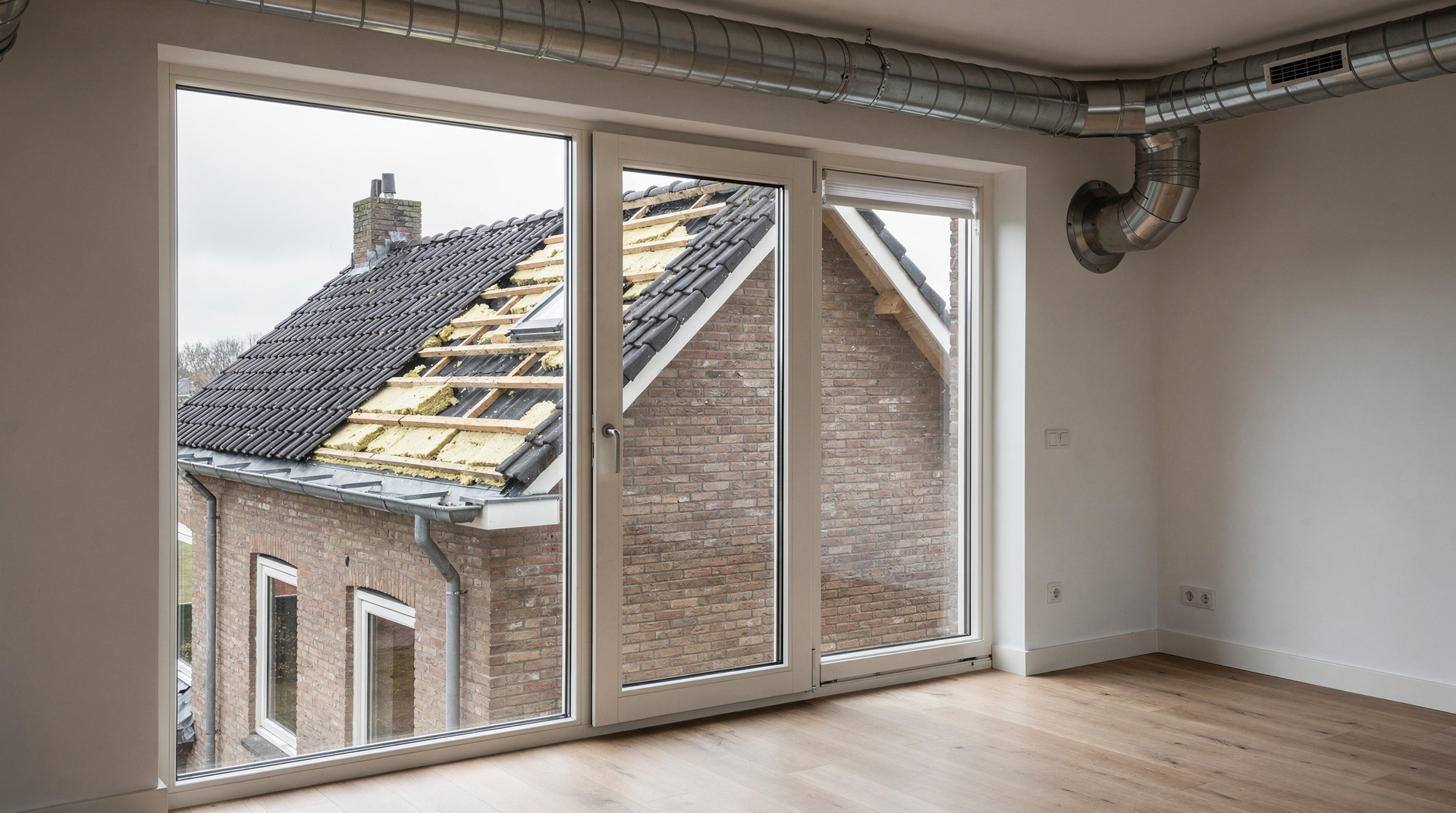
How does this connect to a house extension or a complete house renovation? Essentially, any project that improves the thermal envelope of your home–be it adding a new extension to your Amsterdam townhouse or retrofitting an older property in Utrecht–can potentially qualify. The key lies in the application process and the documentation required.
Why Biobased Insulation is Gaining Ground
Traditional insulation materials, like glass wool or polystyrene, do the job, but biobased alternatives offer a different value proposition. They regulate moisture more effectively, a critical factor in the damp Dutch climate, and they have a lower embodied carbon footprint. They don’t off-gas volatile organic compounds either, so the indoor air stays healthier.
For homeowners planning a complete house renovation, this presents a compelling case. You’re not just upgrading; you’re future-proofing your property against both rising energy costs and tightening environmental regulations.
Keeping Your ISDE Application Eligible
Five steps keep an eco-friendly renovation eligible for the 2026 ISDE subsidy.
- Verify Material Eligibility Early: Before purchasing any insulation, confirm with your supplier that the specific biobased product meets the ISDE technical requirements for 2026. The RVO maintains lists of approved materials, and using non-qualifying products will invalidate your application.
- Engage Certified Professionals: This is non-negotiable. The ISDE program typically requires installation by a qualified contractor. Hiring professionals ensures the work meets quality standards, which is essential for both your home’s performance and your subsidy approval.
- Document Everything Thoroughly: From the initial quote to the final invoice and photographic evidence of the installed insulation, keep a file. The RVO may request proof of purchase, installation dates, and material specifications.
- Apply Within the Window: The ISDE operates on a budget-limited basis. Submit your application promptly after the work is completed and paid for, as funds can deplete throughout the year.
- Consider Combining Measures: If you’re undertaking a larger project, such as a house extension, you might combine insulation subsidies with other ISDE categories, like heat pumps or solar panels, for a more substantial overall benefit.
The Renovation Journey: Regulations and Realities
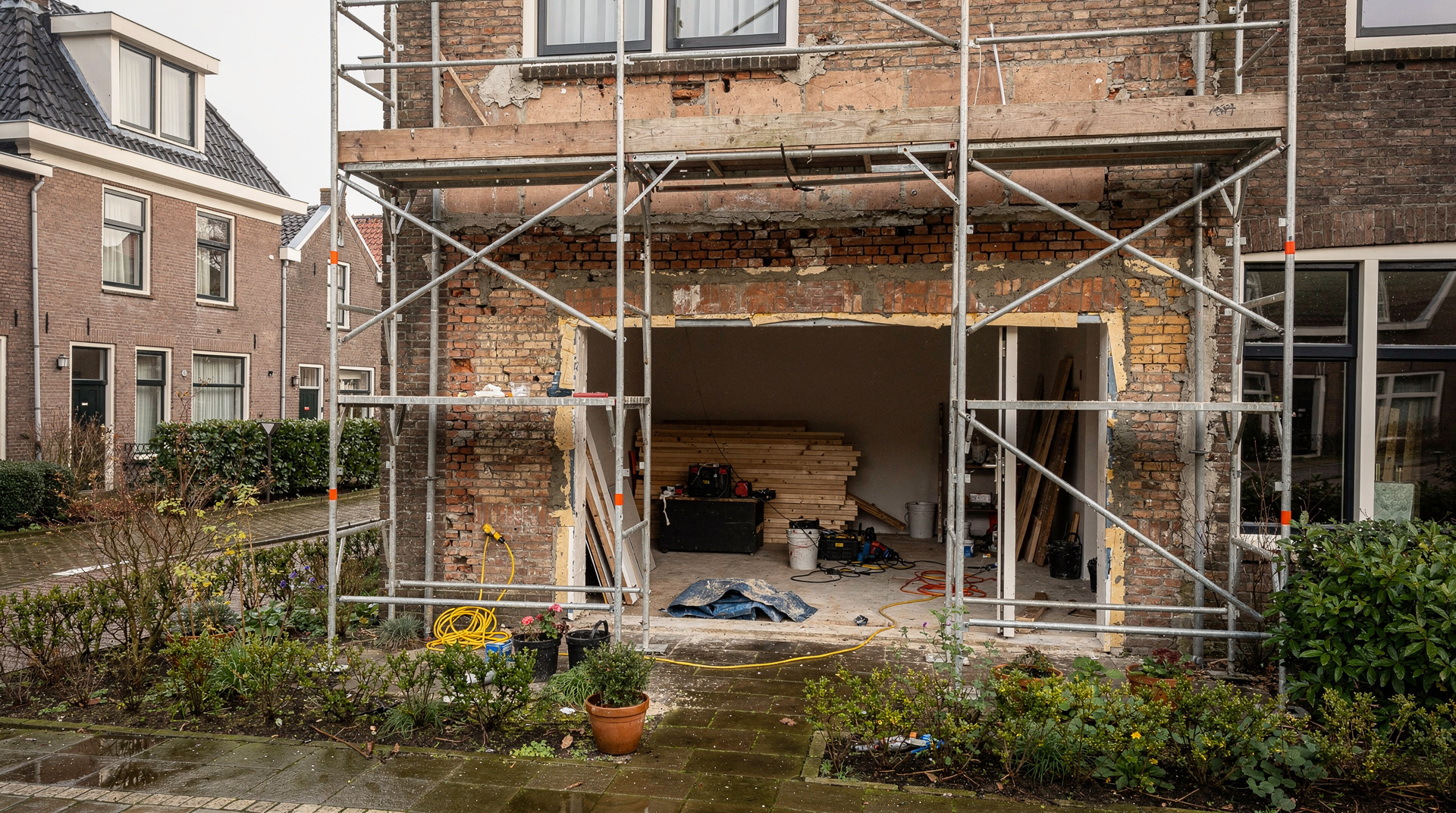
A house renovation in the Netherlands involves more than choosing materials. Building regulations, known as the bouwbesluit, govern what you can and cannot do, and a house extension often requires a bouwvergunning, or building permit. When incorporating biobased insulation into such projects, your architect or builder must ensure compliance with both fire safety standards and structural requirements.
This is where professional guidance becomes invaluable. A seasoned renovation specialist can help you select biobased materials that not only perform well thermally but also satisfy Dutch building codes, ensuring your project proceeds without legal hiccups.
The Long-Term Payoff: Beyond the Subsidy
While the immediate financial benefit of the ISDE subsidy is attractive, the value of biobased insulation extends over decades. Homes insulated with high-quality natural materials often maintain their thermal performance longer, require less energy for heating and cooling, and provide superior acoustic insulation. This translates to lower monthly bills, a reduced carbon footprint, and a more comfortable living environment year-round.
As the Netherlands continues to push towards ambitious climate goals, properties built or renovated with sustainable materials are likely to see increased market value. Future buyers are increasingly aware of energy performance, making your eco-friendly renovation a smart investment for resale.
Where to Start With Biobased Insulation
The 2026 ISDE subsidy is an opportunity for Dutch homeowners to make their properties warmer, healthier, and more environmentally responsible. By understanding the program, choosing eligible biobased insulation, and working with qualified professionals, you can secure financial support while contributing to a greener future. The path to a sustainable home doesn’t require compromising on comfort; in fact, biobased materials often deliver a superior living experience. Start your planning, consult the experts, and prepare to transform your house into a model of modern, sustainable living.