Lighting Design: Enhancing Mood and Functionality in Dutch Interiors
Lighting does two jobs in a Dutch interior: it gives you enough light to work by, and it sets the mood of the room. This is how to plan both, from layered lighting and task lighting to color temperature and dimming.
Mood, Task and Ambient Lighting Defined
Lighting design involves the careful planning and implementation of lighting systems to achieve a specific ambiance or functional goal. In the context of Dutch interior lighting solutions, this may involve creating a cozy and inviting atmosphere in a living room or providing task-oriented lighting in a kitchen or home office.
There are several key terms that are used in lighting design, including mood lighting, which refers to the use of lighting to create a specific emotional response or atmosphere, and functional lighting, which is designed to provide adequate illumination for daily activities. Other important concepts include task lighting, which is used to illuminate specific tasks or areas, such as reading or cooking, and ambient lighting, which provides overall illumination to a space.
Lighting Design Strategies for Dutch Interiors
Three strategies to work with:
- Layered lighting: This involves using a combination of different light sources, such as overhead lighting, table lamps, and floor lamps, to create a layered and textured lighting effect.
- Task-oriented lighting: Identify the specific tasks that will be performed in each room and design the lighting accordingly. For example, a kitchen may require under-cabinet lighting for food preparation, while a home office may benefit from a desk lamp for task-oriented lighting.
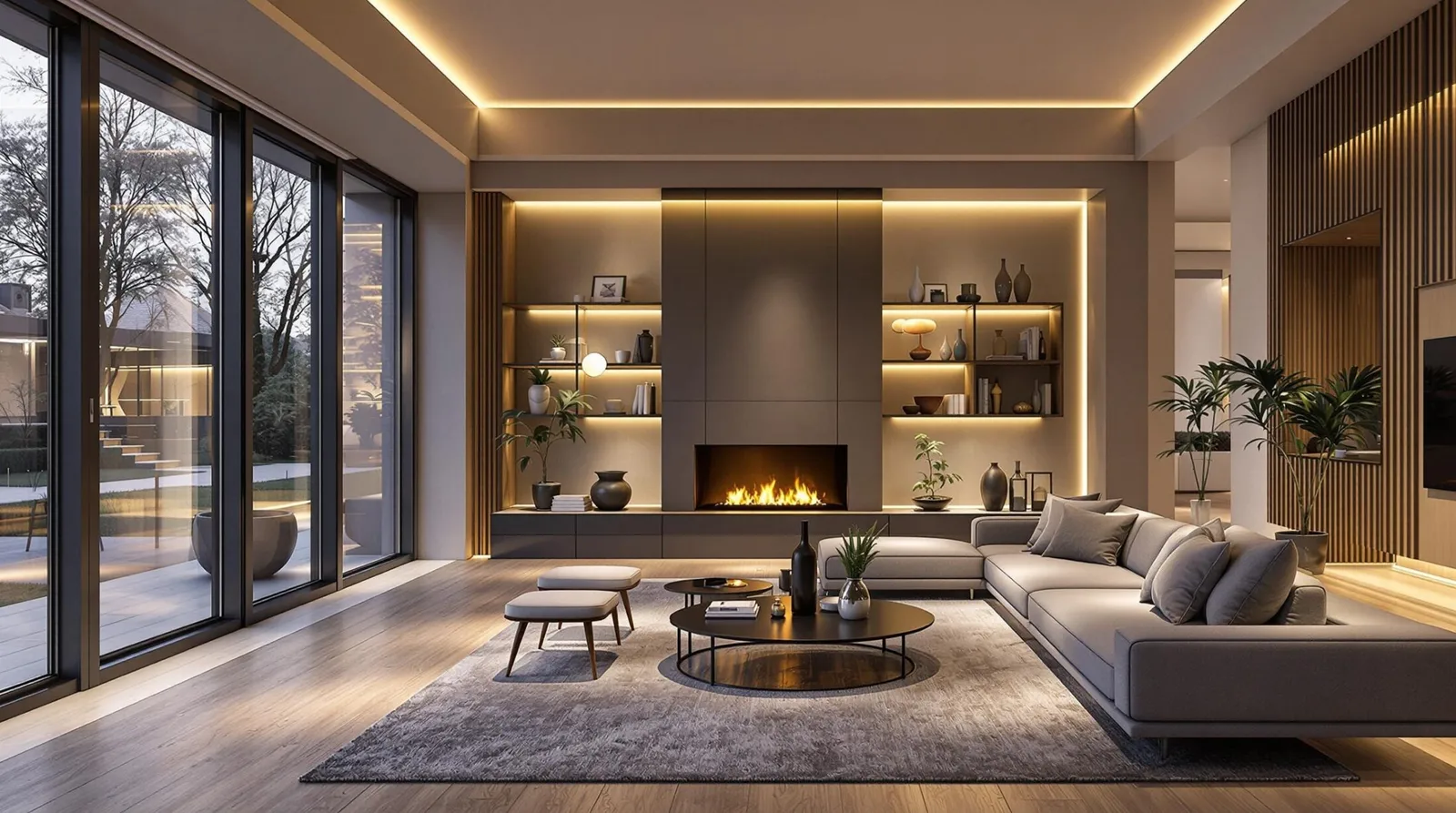
- Mood-enhancing lighting: Use lighting to create a specific mood or atmosphere in each room. For example, a cozy living room may benefit from warm and soft lighting, while a modern and sleek bathroom may require brighter and more energizing lighting.
Functional Lighting Design in Dutch Homes
Functional lighting design matters in Dutch homes, where the goal is to provide adequate illumination for daily activities while also creating a beautiful and inviting atmosphere. Here are some tips for functional lighting design in Dutch homes:
- Assess the space: Take stock of the specific lighting needs of each room, considering factors such as the size and layout of the space, the type of activities that will be performed, and the desired ambiance.
- Choose the right fixtures: Select lighting fixtures that are designed for the specific task or activity, such as under-cabinet lighting for kitchens or reading lamps for living rooms.
- Consider the color temperature: Warm white lighting (2700K-3000K) is often preferred for living areas, while cool white lighting (3500K-5000K) is better suited for task-oriented areas such as kitchens and home offices.
Mood Lighting in Dutch Interiors
Mood lighting changes the emotional response and ambiance of a space. Here are some tips for creating effective mood lighting in Dutch interiors:
- Use dimming: Dimming allows you to adjust the light level to create a specific mood or atmosphere, from bright and energizing to soft and relaxing.
- Experiment with color: Colored lighting can be used to create a specific mood or atmosphere, such as warm and cozy or cool and calming.
- Consider the lighting style: Different lighting styles, such as modern and sleek or traditional and ornate, can be used to create a specific mood or ambiance in a space.
Making a Lighting Plan and Choosing LEDs
Here are some practical tips for lighting design in Dutch homes:
- Hire a professional: If you are unsure about how to design the lighting in your Dutch home, consider hiring a professional lighting designer or electrician.
- Start with a plan: Develop a comprehensive lighting plan that takes into account the specific needs and goals of each room.
- Be mindful of energy efficiency: Choose energy-efficient lighting options, such as LED bulbs, to reduce energy consumption and minimize your carbon footprint.
Putting the Three Lighting Layers Together
Layered lighting, task-oriented lighting and mood-enhancing lighting together give you a room that is comfortable to sit in and easy to work in.
Remember to assess the space, choose the right fixtures, and consider the color temperature when designing the lighting in your Dutch home. Experiment with dimming, color, and lighting style to get the atmosphere you want.