Outdoor Living Spaces for Social Life
On a Saturday evening in late spring, the scent of grilled vegetables drifts across a timber deck, friends lounge on weatherproof cushions, and laughter rises past the roofline into a sky still light at nine o’clock. Ten years ago, this scene might have unfolded in a cramped city kitchen or a carefully curtained living room. Today, however, it is just as likely to happen in the garden, on a roof terrace, or inside a glass-walled house extension that feels like neither indoors nor out.
What triggered this shift? In the Netherlands, the boundary between home and nature is dissolving faster than a sugar cube in a cup of tea. A typical house renovation Netherlands project today is rarely just about fresh paint and modern kitchens. Instead, it focuses on extending the social heartbeat of the home beyond its original brick walls. Outdoor living design Netherlands specialists now get clients who want their properties to breathe, entertain, and connect–rain or shine.
Why Dutch Homes Are Embracing the Outdoors
The Dutch have always understood compact living. Centuries of expensive land and dense cities bred an ingenuity for squeezing comfort into tight plots. Now that ingenuity is turning outward. Homeowners are asking how a modest terraced house in Utrecht or a canal-side property in Amsterdam can sprout terraces, sunken patios, and living roofs without sacrificing privacy or falling foul of the law. The answer involves a careful mix of structural daring, smart materials, and professional expertise that leaves nothing to chance.
Essential Dutch Terms for Your Renovation
Before steel meets soil, it helps to speak the local language of construction. The Dutch renovation world runs on precise terminology, and misunderstanding even one term can send your project down the wrong track.
- Uitbouw: Literally an “out-build,” this is a rear or side extension that pushes the home’s footprint into the garden. In a house extension Amsterdam project, the uitbouw often becomes a light-filled transition zone between kitchen and terrace.
- Bouwvergunning: The building permit issued by your gemeente. It is the official green light confirming your plans meet national and local regulations for safety, zoning, and neighbour impact.
- Vergunningvrij bouwen: Permit-free construction. Certain small structures can bypass formal approval if they stay within strict height, depth, and placement limits. Think of it as a narrow bicycle lane: convenient, but veer outside the lines and you risk a fine or demolition order.
- Bestemmingsplan: The zoning plan that dictates what can be built where. It controls building heights, distances from boundaries, and even roof shapes in historic districts.
- Aannemer: The contractor responsible for building what the architect draws. A good aannemer is part translator, turning abstract lines into mortar and timber.
- Constructeur: The structural engineer. When you add weight to a roof or remove a back wall, this person calculates whether the bones of the house will hold.
- Dakopbouw: A roof extension or dormer. It matters here because social space is no longer confined to ground level.
- Erfgrens: The property boundary. Any structure near this line triggers setback rules designed to protect neighbour privacy and access.
- Bouwbesluit: The national building decree that sets minimum standards for safety, energy use, and health. Every renovation must ultimately satisfy its requirements.
Armed with this vocabulary, you can ask the right questions when sitting across from your architect at that first sketch meeting.
Why Outdoor Living Spaces Are Taking Over Dutch Homes
Dutch family life has long orbited the kitchen table and the living room sofa, but the gravitational centre is shifting. The reason is a cocktail of social change and architectural innovation.
Working from home, now cemented into Dutch professional culture, has made the domestic arena feel smaller. The same four walls must host morning video calls, afternoon schoolwork, and evening dinners. An outdoor room acts like a pressure valve: acoustic distance from the laptop, psychological distance from the laundry basket.
Dutch design culture has solved the climate problem that once kept people inside. Outdoor living design Netherlands specialists now specify overhead glazing that blocks UV while trapping warmth, radiant heaters disguised as pendant lamps, and wind-permeable screens that cut coastal gusts without creating a bunker. As a result, a terrace in Rotterdam or The Hague is no longer a fair-weather luxury; it is a three-season living room.
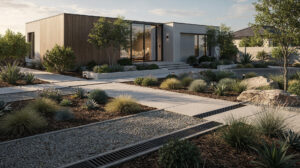
Gardens are also reclaiming their role as social glue. When most contact runs through a screen, a physical gathering place carries extra weight. The outdoor kitchen replaces the barbecue shoved into a shed corner. Likewise, the covered pergola becomes a dining room where birthdays and Sunday lunches stretch past sunset. Even compact city plots, sometimes no wider than a shipping container, are being redesigned with built-in benches, vertical planting, and mirror panels that visually double the space.
Finally, there is the matter of gezelligheid, that untranslatable Dutch pursuit of cosy togetherness. Gezelligheid works just as well outside. When fairy lights are strung beneath a canopy and a fire pit flickers between chairs, the garden becomes a stage set for conversation.
Upward and Outward: House Extensions as Social Engines
If the garden is the stage, the house extension is the proscenium arch. It frames the view, filters the light, and determines how easily life flows from sofa to soil.
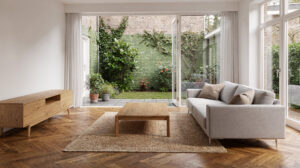
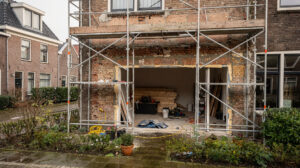
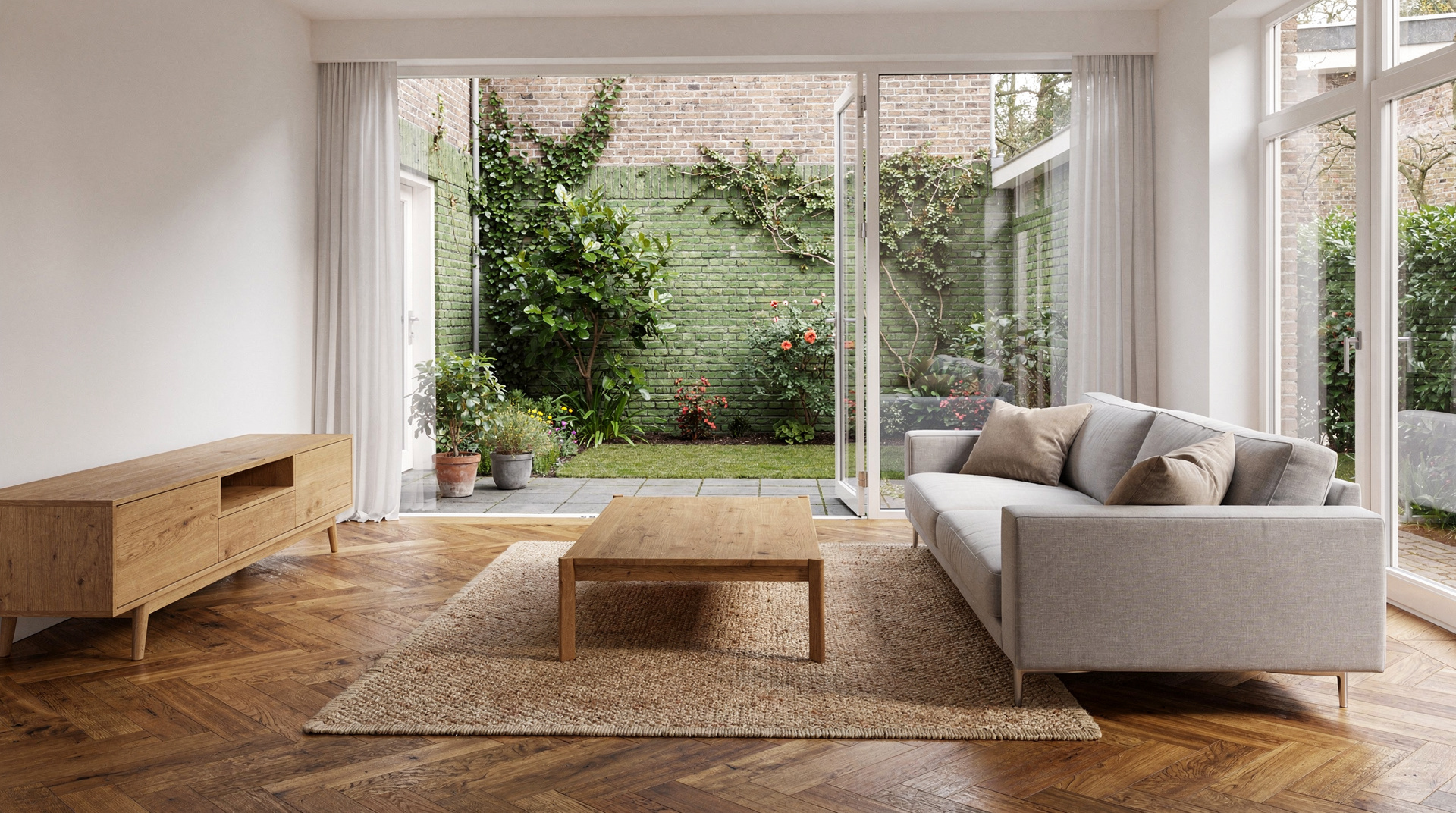
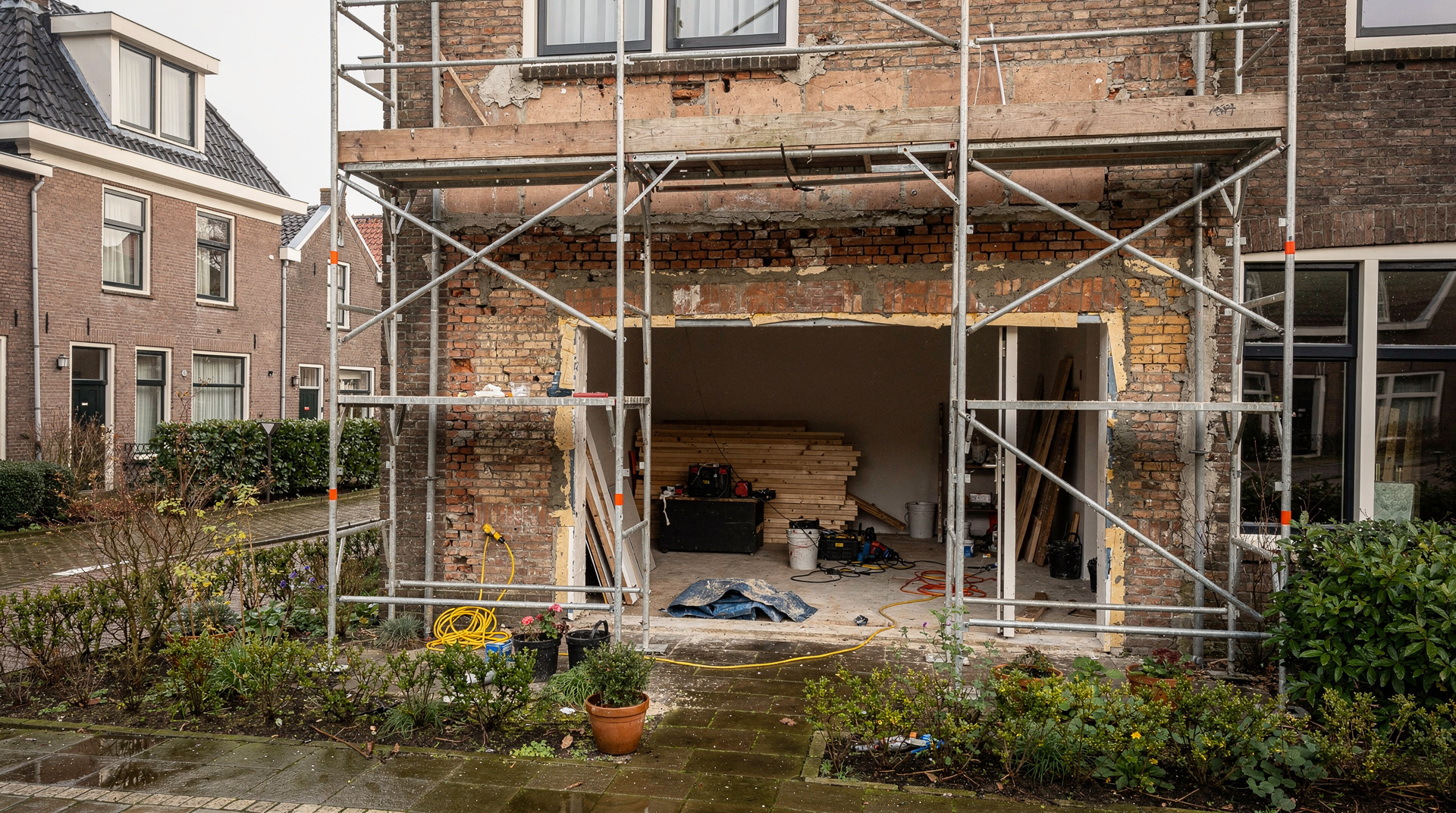
A house extension Amsterdam style often begins with the demolition of a rear wall. In its place comes a steel or timber portal wide enough to admit a dinner table on wheels. Triple-track sliding doors, sometimes three metres tall, concertina away until the interior floor and the exterior deck read as a single plank. Underfloor heating extends to the threshold. The roofline might carry a deep overhang–perhaps four metres–creating a covered outdoor zone that defeats drizzle without blocking daylight.
However, this surgery is not cosmetic. Dutch soil can be capricious. In coastal regions you may find sandy subsoils that drain eagerly; in polder landscapes the ground can be soft peat that compresses under new loads like a sponge wrung dry. Tying a new foundation into an existing one demands geological surveys and precise excavation. The water table in the Netherlands often sits high enough to intrude into trenches, so dewatering and waterproofing become critical stages, not afterthoughts.
Why Glass and Frames Matter
Then there is the matter of enclosure. Glass choices dictate comfort. Double or triple glazing with argon filling acts like a thermos flask, keeping heat inside during a grey February and blocking excess warmth during an August heatwave. Aluminium frames with thermal breaks prevent cold bridges that would otherwise bloom with condensation. These details separate a usable room from a draughty greenhouse.
Professionals steer this entire sequence. An architect ensures the new volume respects the bestemmingsplan and neighbour sight lines. A constructeur certifies that the remaining walls will not sag when the rear elevation vanishes. Finally, an aannemer coordinates the waterproof membrane, the insulation, and the finish carpentry so the junction between old and new stays dry for decades.
The Fifth Façade: Green Roof Renovation Ideas
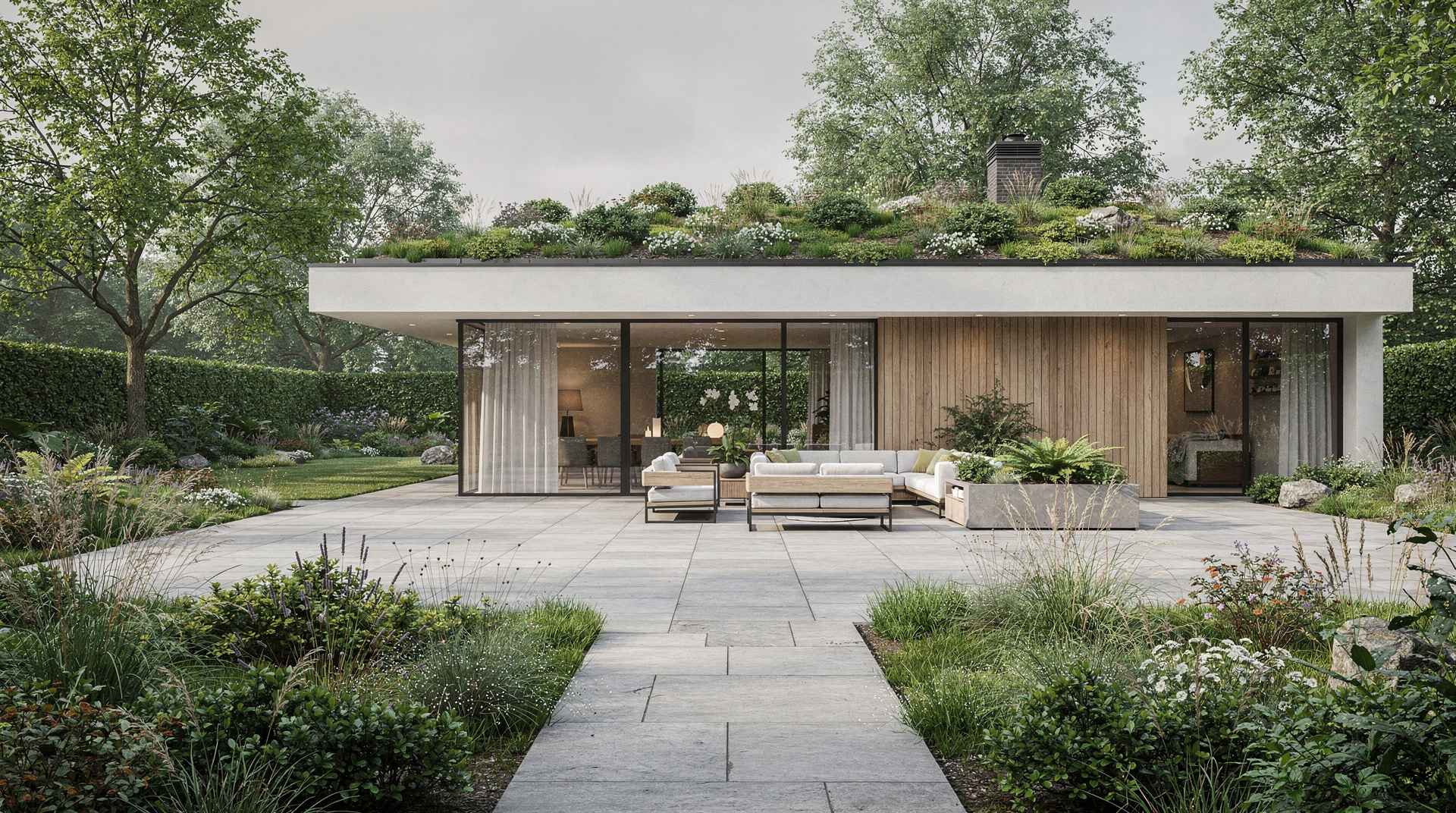
The best room in your house may be the one above your head, hidden from street view. In Dutch cities where every square metre of ground is claimed, the roof is the last frontier. Green roof renovation ideas are transforming these forgotten planes into meadows, terraces, and social perches.
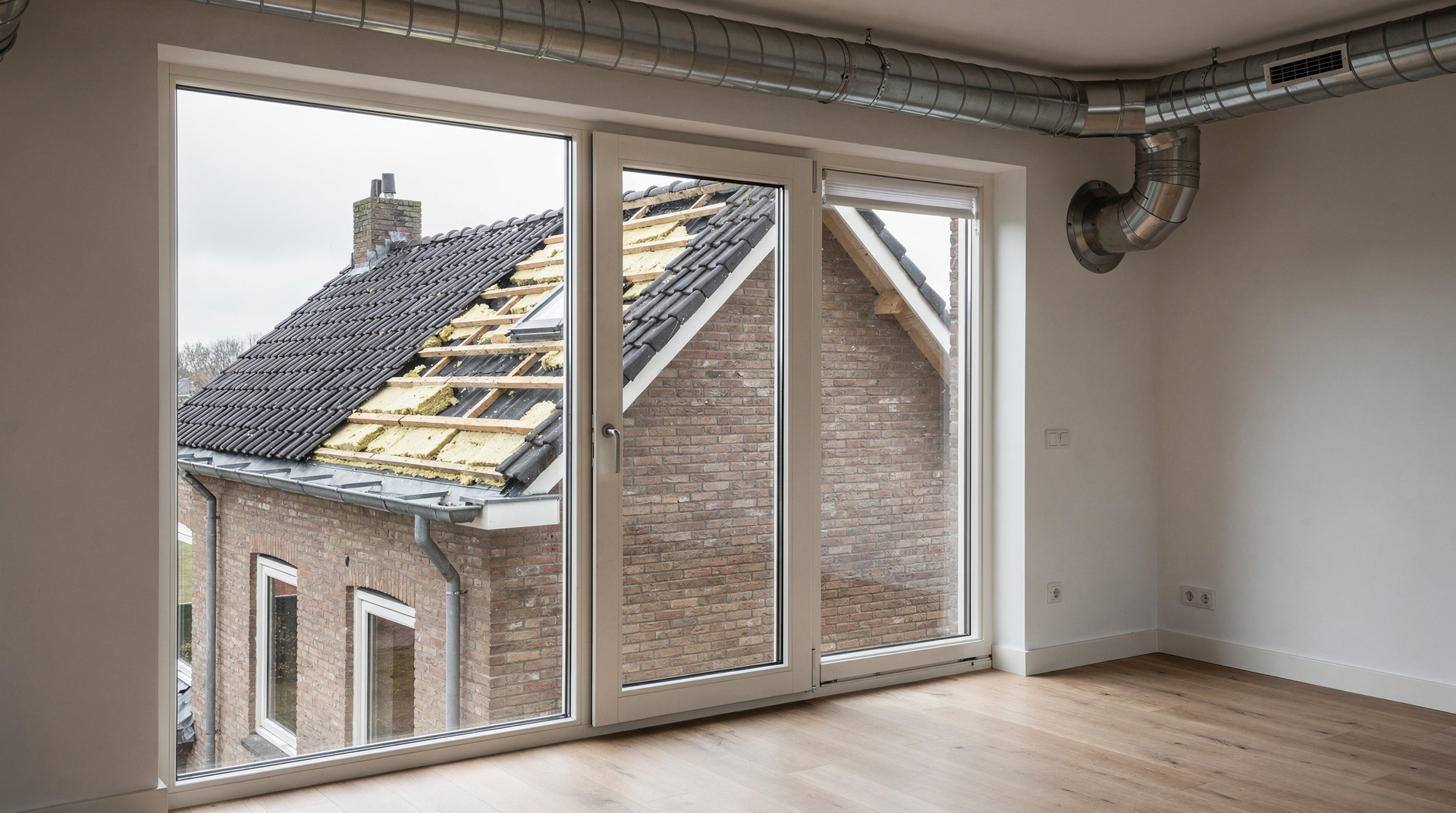
A conventional roof is a blacktop car park in midsummer: hot, hard, and useless except as an umbrella. A vegetated one is a sponge, a bird feeder and a cocktail bar in one. The concept splits into two breeds. Extensive green roofs wear a thin substrate, sometimes only six centimetres deep, carpeted with sedum, mosses, and drought-tolerant herbs. They weigh roughly the same as a layer of wet snow and demand little maintenance. Intensive systems, by contrast, deploy thicker soil–upwards of twenty centimetres–to host grasses, perennials, and even lightweight paving for foot traffic. Consequently, these can sustain proper roof gardens with seating areas, raised beds, and winding paths.
Structural and Hydrological Demands
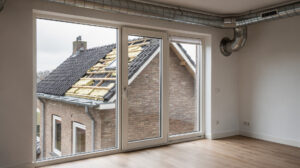
The structural mathematics are non-negotiable. A mature intensive roof can load a beam with hundreds of kilograms per square metre. Before any tomatoes or teak loungers, a constructeur must assess the rafters. Older Dutch buildings, especially the narrow nineteenth-century row houses common in Amsterdam and Leiden, were never designed to shoulder such weight. Reinforcement may involve sistering new steel joists alongside old timber, or installing a dedicated frame to transfer loads to load-bearing walls.
Beyond the engineering, there is hydrology. A green roof drinks rain, but it also needs to release it slowly. During cloudbursts, an uncovered roof hurls water into gutters and sewers in minutes. A planted roof sips and trickles, buffering peak flows exactly when Dutch drainage systems are most stressed. Layered beneath the soil, drainage boards and root-resistant membranes prevent the structure from turning into an indoor waterfall.
Ecological and Social Benefits
Biodiversity adds another layer of value. Native wildflowers on a Rotterdam rooftop attract bees and butterflies severed from ground-level habitats by concrete and brick. As a result, the roof becomes not only a social venue for humans but an ecosystem service for the city.
For homeowners undertaking a complete house renovation, pairing interior upgrades with a roof overhaul yields compound returns. Insulation beneath the planting cuts heating bills. The vegetation absorbs CO2 and particulate matter. In summer, evapotranspiration cools the rooms below, reducing the need for mechanical cooling. Socially, a rooftop meadow offers the rare pleasure of al fresco dining with a pigeon’s-eye view of gabled rooftops and church spires. Outdoor living design Netherlands portfolios increasingly include these elevated gardens because they deliver privacy impossible at street level.
Sustainable building materials underpin the system. Recycled foam glass aggregate lightens the substrate. Sustainably sourced timber edging frames planting beds without adding chemical preservatives to runoff. Natural rubber drainage mats, made from reclaimed material, replace synthetic alternatives. Every layer offers a choice that shrinks the ecological footprint while expanding the social surface of the home.
Materials That Survive the Low Countries
The Netherlands does not forgive lazy material choices. Rain arrives horizontally. Ground moisture presses upward. Salt from sea spray creeps into coastal timber. Therefore, any material left outside must fight harder than an indoor equivalent.
Sustainable building materials have evolved from worthy experiments into battle-tested options. Thermally modified wood, for instance, is cooked in high heat until the sugars and resins that feed rot are neutralised. The result is a stable, greying timber that lasts decades without toxic treatments. It behaves like teak used to, but it originates from fast-growing European species rather than endangered tropical forests.
Decking surfaces now include recycled composites–plastic waste and wood flour compressed into planks that resist warping, staining, and splintering. They never need sanding or painting, releasing homeowners from the annual ritual of maintenance. Likewise, permeable concrete pavers and open-grid systems let rainfall percolate into the soil beneath, preventing the puddle-strewn patios that once turned every garden into a swamp after a Zeeland downpour.
For structural canopy work, galvanised steel and powder-coated aluminium withstand the salt-laden winds that scour the western provinces. Glass specifications matter too. Low-iron glazing reduces the greenish tint that can make garden views look like aquarium exhibits. When combined with low-emissivity coatings, these panels transmit maximum light while reflecting infrared heat back into the room.
Even the humble joint demands attention. Sealants and flashing must tolerate freeze-thaw cycles without cracking. Drainage gradients must be calculated so water runs away from the house, not toward it, flowing with the same certainty as water finding its way downhill through Dutch polder canals.
The Permit Path: Why Professionals Run the Show
Redrawing the relationship between a house and its garden on your own runs straight into Dutch law and physics.
The bouwvergunning process exists because every house is a node in a larger network. Your extension casts a shadow on your neighbour’s kale bed. Your green roof adds load to walls that might meet the property boundary. Your terrace alters rainwater runoff that the municipal sewer expects to handle. The gemeente reviews these ripple effects through technical drawings, structural calculations, and energy performance reports.
Vergunningvrij bouwen offers a detour for minor work, but the exemptions are tight. A garden shed may be allowed, but attach a heating system or sleep a guest inside and the structure changes legal category. Position it too close to the erfgrens and the exemption evaporates. Professionals understand these invisible tripwires because they read the Omgevingswet and local regulations as daily routine.
Structural alterations carry life-safety stakes. Removing a load-bearing wall to open the kitchen toward the garden is not guesswork; it is calculated demolition supported by steel beams sized to the millimetre. A leaking roof membrane can spawn black mould, rot joists, and invalidate insurance. Similarly, a poorly anchored pergola becomes a projectile in an autumn storm.
Qualified architects produce drawings that satisfy both aesthetics and compliance. Structural engineers provide the calculations that keep roofs aloft. Certified contractors carry warranties and liability coverage that protect the homeowner when the unexpected happens. In a country where houses are built shoulder-to-shoulder, the failure of one reverberates to the next. Hiring professionals is neither vanity nor bureaucracy; it is the minimum price of admission for a safe, lasting renovation.
Your Action Plan: Practical Steps to an Outdoor Social Haven
The steps, in order:
- Engage a registered architect before you sketch a single line. A professional assesses your plot dimensions, existing structure, and the bestemmingsplan restrictions that govern your street.
- Request an early permit quick-scan at your local gemeente. Determine whether your outdoor living plans require a full bouwvergunning or fall under vergunningvrij bouwen limits.
- Commission a geotechnical survey if you plan a ground-level extension. Soil conditions vary enormously across the Netherlands, and foundation design depends on what lies beneath the topsoil.
- Hire a structural engineer to assess load capacity for any roof work. Green roof renovation ideas are only viable once the constructeur certifies the frame can carry saturated substrate and foot traffic.
- Specify sustainable building materials appropriate for marine and wet climates. Insist on certifications for durability, slip resistance, and low chemical content.
- Design drainage as an integral feature, not an afterthought. Slope all hard surfaces away from the house. Install overflow outlets for intensive green roofs. Account for municipal sewer capacity during peak rainfall.
- Insist on certified installation teams for glazing, waterproofing, and structural connections. A leaking roof or failed sealant transforms an investment into a repair nightmare.
- Budget for professional fees, permit costs, and a contingency reserve. Outdoor projects often reveal hidden conditions–old pipes, unexpected groundwater, or contaminated soil–once excavation begins.
- Plan the social logic before the construction logic. Position seating to catch afternoon sun. Shield dining areas from prevailing winds. Ensure the kitchen-to-grill path is short and safe.
- Coordinate your indoor and outdoor palettes. Let floor tiles flow from inside to outside. Match timber tones. The goal is a single space that changes its jacket with the weather.
Looking Ahead
The Dutch home is stretching its limbs. Through thoughtful house extensions, inventive green roof renovation ideas, and climate-sharp outdoor living design, Netherlands residents are rewriting the rules of domestic life. The most valuable homes no longer end at the front door; instead, they unfold into gardens, climb onto roofs, and invite the landscape inside.
A project like this demands more than ambition. It requires trained professionals who understand soil, structure, and statute. It depends on sustainable building materials that honour the environment while resisting it. Finally, it rests on a bouwvergunning obtained honestly, ensuring your social paradise respects the neighbours who share your view.
So the next time you look out at your garden or up at your flat roof, ask yourself: who says the walls have to stop there? With the right team and the right plan, your home’s next great room might be waiting just beyond the glass–or high above it.