Art Studio Conversions for Home Creatives: A 2025 Guide to Dutch Home Renovation
Imagine turning a forgotten garage, a damp basement, or a cramped attic into a bright workshop where your creativity finally has room to breathe. Across the Netherlands, more homeowners are asking exactly that question, and the answer is reshaping how the Dutch think about home improvement. Whether you paint, sculpt, weld, or sew, a purpose-built art studio at home is no longer a luxury reserved for country estates. It is a practical renovation project that adds value, function, and personal meaning to your living space.
This guide explores the world of house renovation Netherlands, focusing on the rising trend of art studio conversions. You will learn the building regulations that govern such projects, the materials shaping 2025 renovation trends, and the practical steps that turn a vision into a finished room.
Omgevingsvergunning, Bestemmingsplan and Energielabel: What They Mean
Before any hammer swings, it helps to understand a few essential terms that govern construction in the Netherlands.
- Omgevingsvergunning: The umbrella permit that replaced the older bouwvergunning. You will need this for most structural changes, including extensions, load-bearing wall removals, and significant conversions. A simple interior decoration, however, usually does not require one.
- Bouwwerk: A legal term covering anything constructed, from a garden studio to a full house extension Amsterdam homeowners regularly commission.
- Bestemmingsplan: The zoning plan that dictates what you can and cannot build on your property. It determines height limits, footprints, and whether your municipality allows a detached creative space in your garden.
- Energielabel: The energy label required when selling or renting a property. Renovations that improve insulation, glazing, or heating systems can boost this rating, a key concern for the modern Dutch living spaces of 2025.
Popular Conversion Types: Finding Your Creative Footprint
Think of your home as a sketchbook. The rooms you rarely use are blank pages waiting for a new purpose. Here are the most common approaches chosen by Dutch homeowners in 2025.
- Garage Conversions: Often the most affordable route. Garages already have solid foundations and roof structures. Insulating the walls, replacing the garage door with glazed panels, and adding proper flooring can transform the space within weeks.
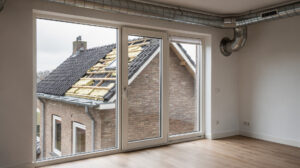
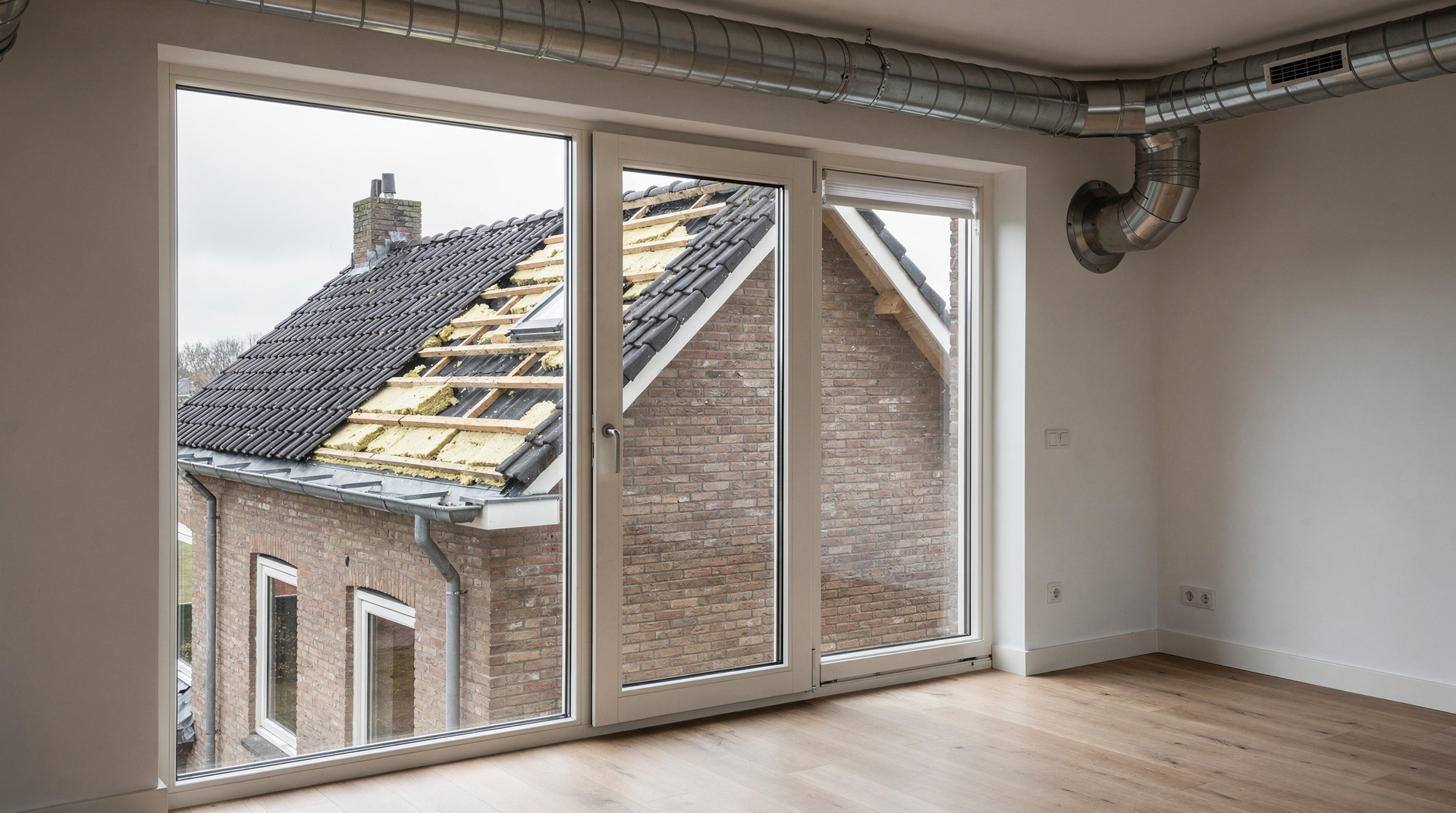
- Attic Transformations: A classic choice in Dutch row houses. Steep rooflines create dramatic, light-filled spaces ideal for painting or writing. The challenge lies in headroom, insulation, and access, which is why professional assessment matters.
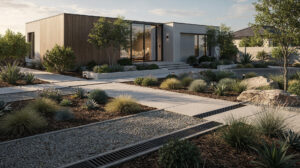
- Garden Studios: Detached wooden or brick structures at the rear of the property. These have surged in popularity as part of modern Dutch living spaces, offering separation between creative mess and domestic calm. A garden studio typically requires an omgevingsvergunning if it exceeds 30 square metres or sits within 4 metres of the main dwelling.
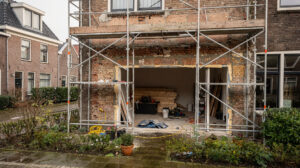
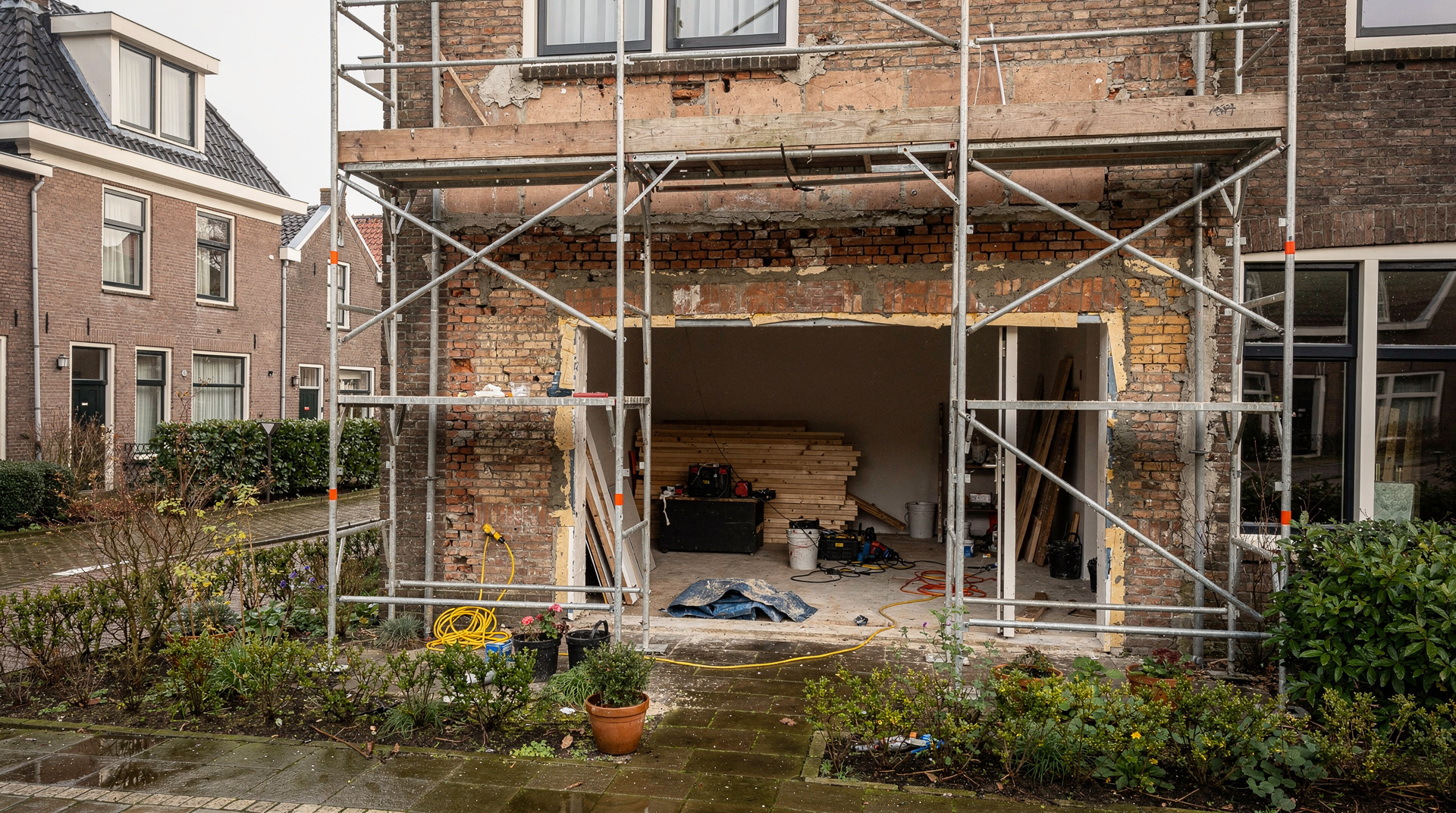
- House Extensions: For those needing serious square footage, extending into the side return or rear of the property provides room for a generous studio plus storage. House extension Amsterdam projects in 2025 increasingly combine living and creative functions in one open plan.
2025 Renovation Trends Shaping Creative Spaces
What does a 2025 art studio look like? Three shifts are defining the market.
Sustainable materials are now standard. Reclaimed timber, hemp insulation, and lime-based plasters are replacing conventional drywall and foam. These sustainable building materials regulate humidity, an important factor when storing canvases, paper, or ceramics. A painter’s worst enemy is damp, and breathable materials fight it naturally.
Natural light is the new luxury. Skylights, full-height windows, and north-facing roof glazing are the hallmarks of the best renovation tips Netherlands designers are sharing this year. North light remains the gold standard for artists because it does not shift colour temperature throughout the day.
Modular, multi-use layouts dominate. Folding workbenches, mobile storage units, and acoustic partitions allow a single room to serve as a studio by day and a guest room by night. This flexibility suits smaller Dutch plots where every square metre must earn its keep.
Permits, Ventilation and Wiring for Your Studio
Follow these steps to keep your project on track and within Dutch regulations.
- Hire a registered architect or renovation specialist. Dutch building law is strict, and mistakes in permit applications can cost months. A professional will assess whether your project needs an omgevingsvergunning and prepare the technical drawings your gemeente requires.
- Check your bestemmingsplan early. Visit your municipal website or contact the omgevingsloket before committing to designs. A garden studio that violates zoning rules can be ordered demolished.
- Prioritise insulation and ventilation. Studios generate heat, fumes, and humidity. Mechanical ventilation with heat recovery (WTW) and high-performance glazing protect both your health and your art.
- Invest in dedicated electrical circuits. Kilns, welders, and high-wattage lighting demand more power than a standard household socket can safely provide. A certified electrician should design your electrical layout.
- Plan storage from day one. Built-in shelving, drawer systems, and wall-mounted racks prevent clutter from overwhelming your workspace. A well-organised studio is a productive studio.
- Budget 10 to 15 percent contingency. Older Dutch homes often reveal hidden issues once walls open up, from outdated wiring to asbestos in 1960s floor coverings. A buffer keeps your project financially safe.
An Investment in Your Craft and Your Property
An art studio conversion is more than a renovation project. It is an investment in your craft, your property, and your daily quality of life. By understanding Dutch building rules, choosing sustainable building materials, and following 2025 renovation trends, you create a space that works as hard as you do. Start with professional advice, respect the regulations, and your dream studio will soon move from the sketchbook into the real world.