Biophilic Design in Urban Dutch Homes
City flats in Amsterdam and Rotterdam are brick, glass and constant movement. Biophilic design is the approach reshaping modern interior design Netherlands in 2025, and homeowners across the country are turning to it to solve the puzzle of compact, light-starved living.
Biophilic design is more than a handful of potted plants on a windowsill. It is a philosophy that weaves natural elements, light, and organic forms into the built environment. For residents of the Netherlands, where homes often measure just 50 to 80 square metres and private gardens can be rare luxuries, this approach offers a way to reconnect with nature without leaving the city.
Understanding the Core Concepts
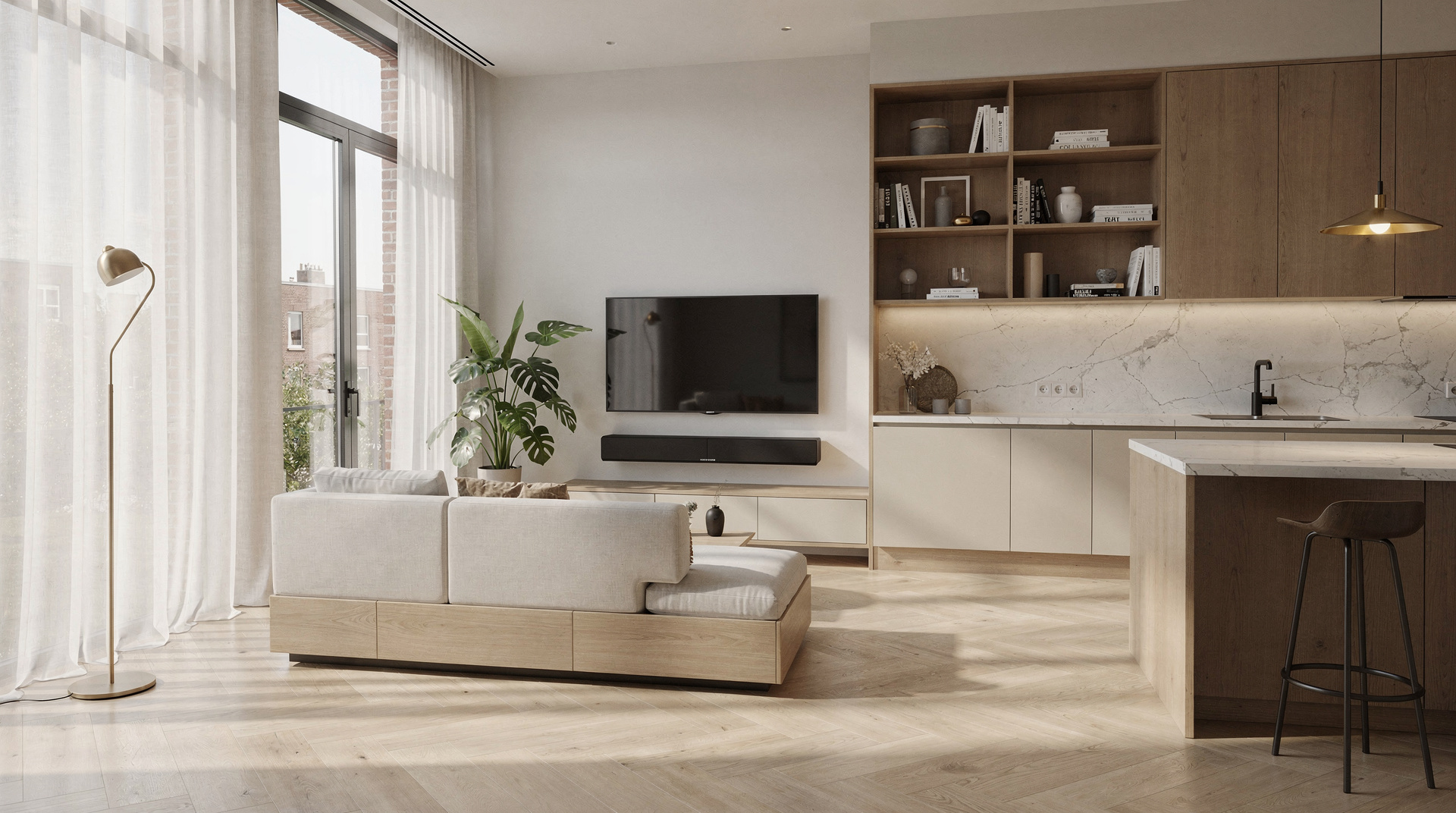
Three principles guide biophilic design: direct nature, indirect nature, and space and place conditions. Direct nature includes living plants, water features, and natural ventilation. Indirect nature uses materials, colours, and patterns that mimic the outdoors, such as wood grains, stone textures, and earthy palettes. Space and place conditions address how natural light, airflow, and views shape a room’s atmosphere.
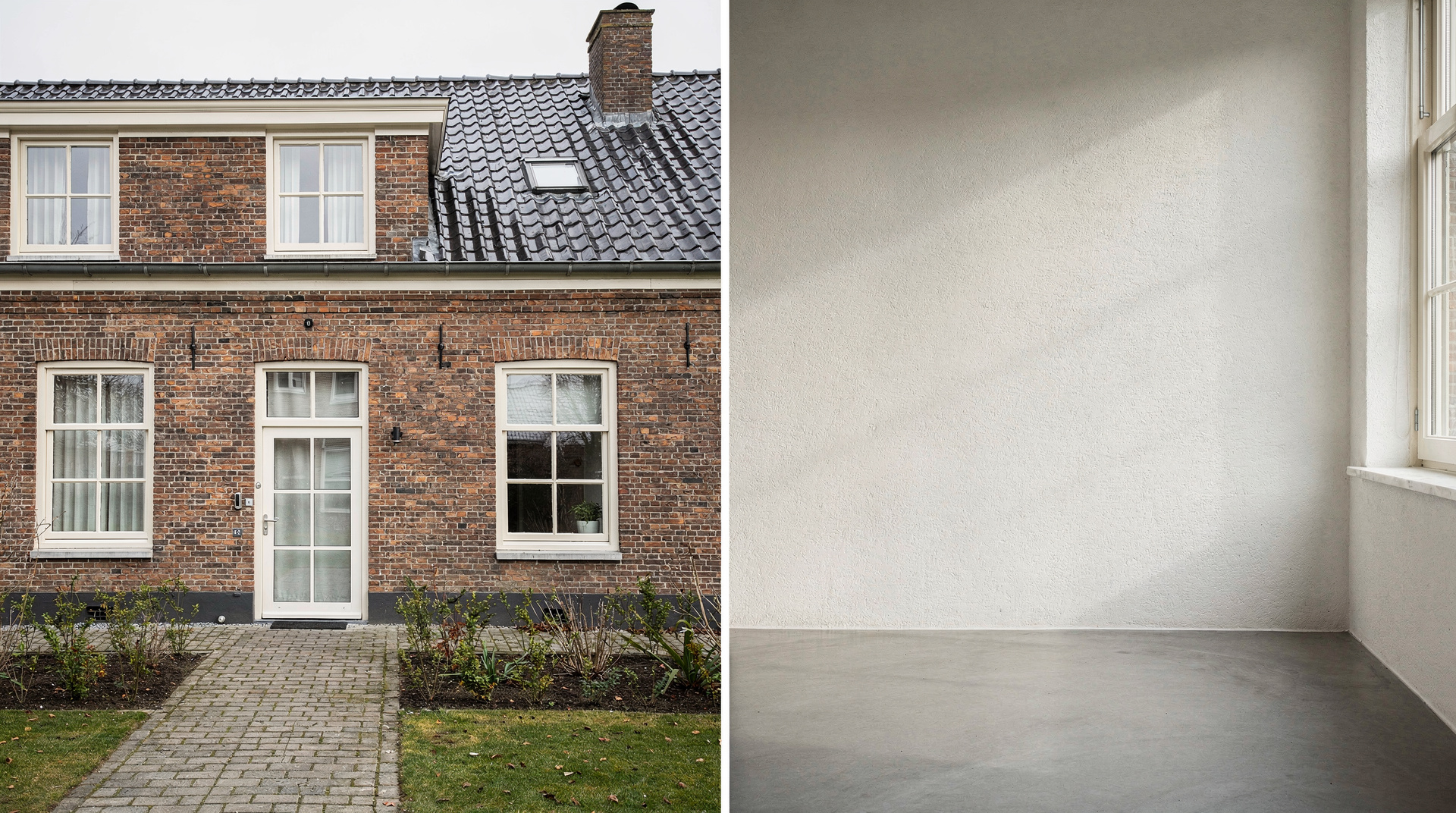
In the Dutch context, the typical doorzonwoning (through-living house) and narrow terrace houses present both challenges and opportunities. Large windows, a staple of traditional Dutch architecture, are perfect for maximising daylight, while tight floor plans demand clever space-saving apartment ideas that still honour nature.
Why Nature Matters in Modern Interior Design Netherlands
Environmental psychology links exposure to natural elements indoors with lower stress, better concentration and lower blood pressure. In a country where the majority of land is already developed, bringing nature inside is not just an aesthetic choice; it functions as a health intervention. Homeowners seeking renovation tips for small Dutch homes are increasingly asking how to carve out green sanctuaries within their limited footprints.
Interior Design Trends 2025: The Biophilic Wave
What are the defining interior design trends 2025 shaping Dutch homes? Several movements stand out.
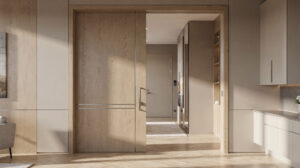
- Sustainable materials take centre stage: Reclaimed wood, cork, and clay-based plasters are replacing cold composites. These sustainable building materials create warmth and authenticity, qualities often missing in new builds.
- Living walls and vertical gardens: Emerging as practical solutions for space-poor apartments, a vertical garden can transform a bare balcony or a narrow hallway into a lush, breathing space.
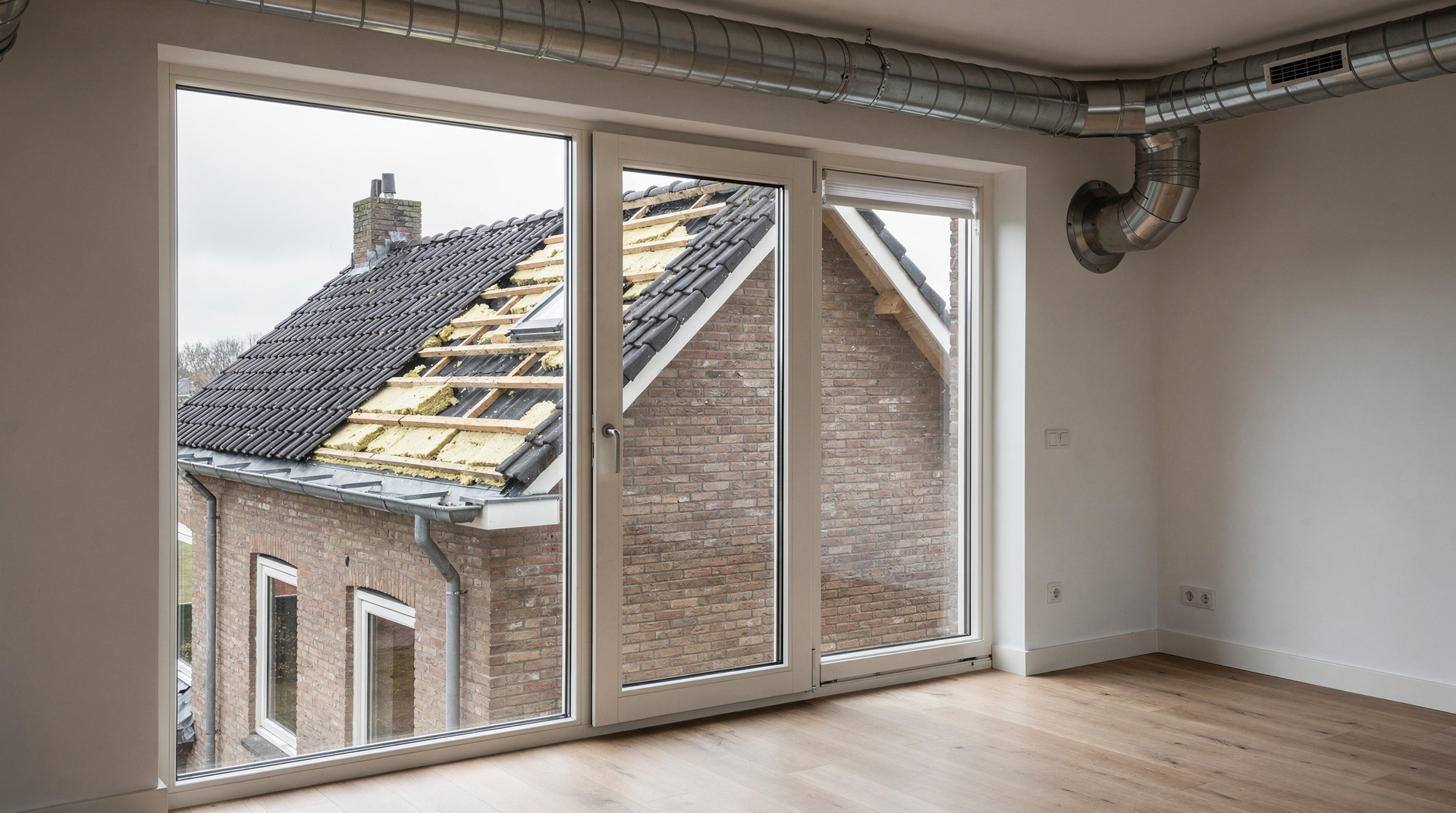
- Natural light as a building material: Renovation tips for small Dutch homes now revolve around light wells, glass partitions, and skylights that flood interiors with daylight, reducing reliance on artificial lighting.
- Earthy colour palettes: Interiors are moving away from stark whites towards clay, moss, sand, and terracotta, grounding rooms in organic tones.
Space-Saving Apartment Ideas Rooted in Nature
How can you blend biophilic principles with tight square footage? Several strategies are gaining traction among professional renovation teams across the Netherlands.
One approach involves multi-functional furniture made from natural materials. A bamboo room divider, for instance, can separate a living area from a home office while adding organic texture. Another idea is to integrate planters into shelving units, turning storage into a living ecosystem.
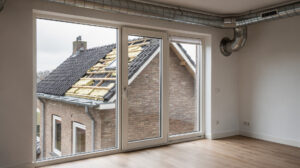
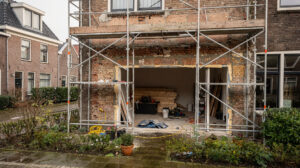
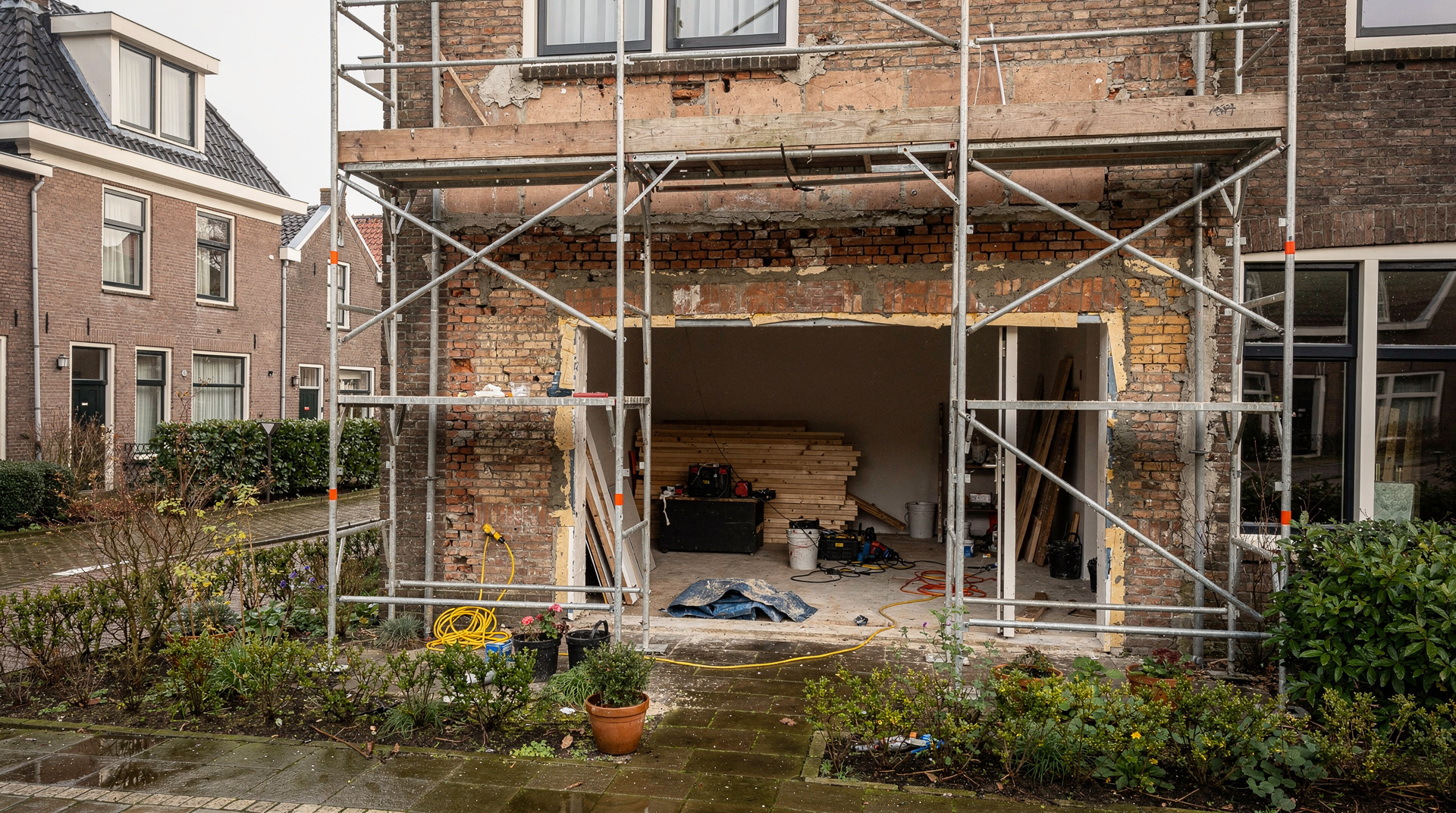
Where structural changes are desired, a house renovation Netherlands homeowners often includes larger openings, green roofs, or indoor courtyards. House extension Amsterdam projects in particular can incorporate glazed atriums or rooftop gardens. However, such work requires a bouwvergunning (building permit) and must comply with the Bouwbesluit (Dutch Building Decree). Engaging qualified architects and builders is essential to ensure full compliance with these regulations.
Who to Hire for a Biophilic Renovation
Follow these guidelines when planning your project.
- Hire a certified interior designer or architect experienced in biophilic projects. Their expertise ensures the integration of natural elements complies with Dutch housing standards and maximises your home’s potential.
- Conduct a professional home analysis before starting work. A specialist can evaluate light sources, structural constraints, and ventilation pathways to determine where nature-based interventions will thrive.
- Choose low-maintenance, native plants when working with a botanist or interior landscaper. Dutch species like ivy, ferns, and herbs adapt well to indoor conditions.
- Invest in professional installation of responsibly sourced timber and natural insulation. Proper installation guarantees longevity and healthy indoor air quality.
- Plan any structural changes, such as extensions or window enlargements, with a licensed contractor. They will handle permit applications and ensure the project meets all energy performance requirements.
The Verdict
Biophilic design is not a passing trend but a considered response to a human need, especially in the dense urban environments found across the Netherlands. By weaving nature into modern interior design Netherlands projects, homeowners can transform cramped apartments into restorative retreats. Interior design trends 2025 point the same way: sustainability, light, and organic form will shape how Dutch homes look, feel, and function. For those planning a renovation, the path forward is clear: consult professionals, choose honest materials, and let nature guide the design.