Sustainable Home Renovation for Dutch Values
What does it really mean to prepare a Dutch home for the next fifty years? Around a third of the country’s housing stock was built before 1970, and the government has pledged to cut built-environment emissions by 55% before 2030. A thoughtful home renovation Netherlands style can answer both at once: comfort today, climate responsibility tomorrow.
Omgevingsvergunning, Energielabel and BENG
Think of these terms as the local dialect before any builder sets foot on site.
- Omgevingsvergunning: the single permit introduced under the 2024 Omgevingswet, replacing the old bouwvergunning. It bundles planning, building, and environmental checks into one application.
- Energielabel: a mandatory energy rating from A++++ to G, needed when selling or letting a home.
- BENG: Nearly Energy Neutral Building standards, applied to new builds and major renovations.
- Monument: a heritage-protected building. Works require extra approval from the gemeente and often the Rijksdienst voor het Cultureel Erfgoed.
- Omgevingsplan: the local zoning document defining what may be built on your plot.
Why Dutch Homes Need Their Own Playbook
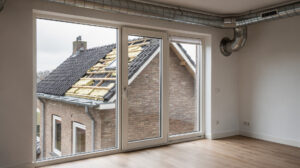
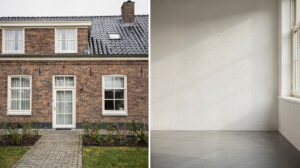
The classic Dutch terraced house behaves like a sealed flask. Heat stays in during winter, but the same walls trap warmth in summer. Modern renovation ideas increasingly treat insulation, ventilation, and shading as one connected system rather than three separate jobs. Thinking of them together is the single biggest shift in Dutch retrofit practice over the last decade.
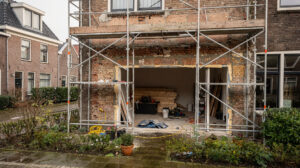
In an Amsterdam canal property, adding a single square metre costs more than building the same space in a new suburb. A house extension Amsterdam project therefore usually starts with a hard look at how the existing floorplan performs, and only then adds new area. Cross-laminated timber and modular prefab frames are gaining ground here, because they add space quickly with far less waste than traditional construction.
The Permit Question
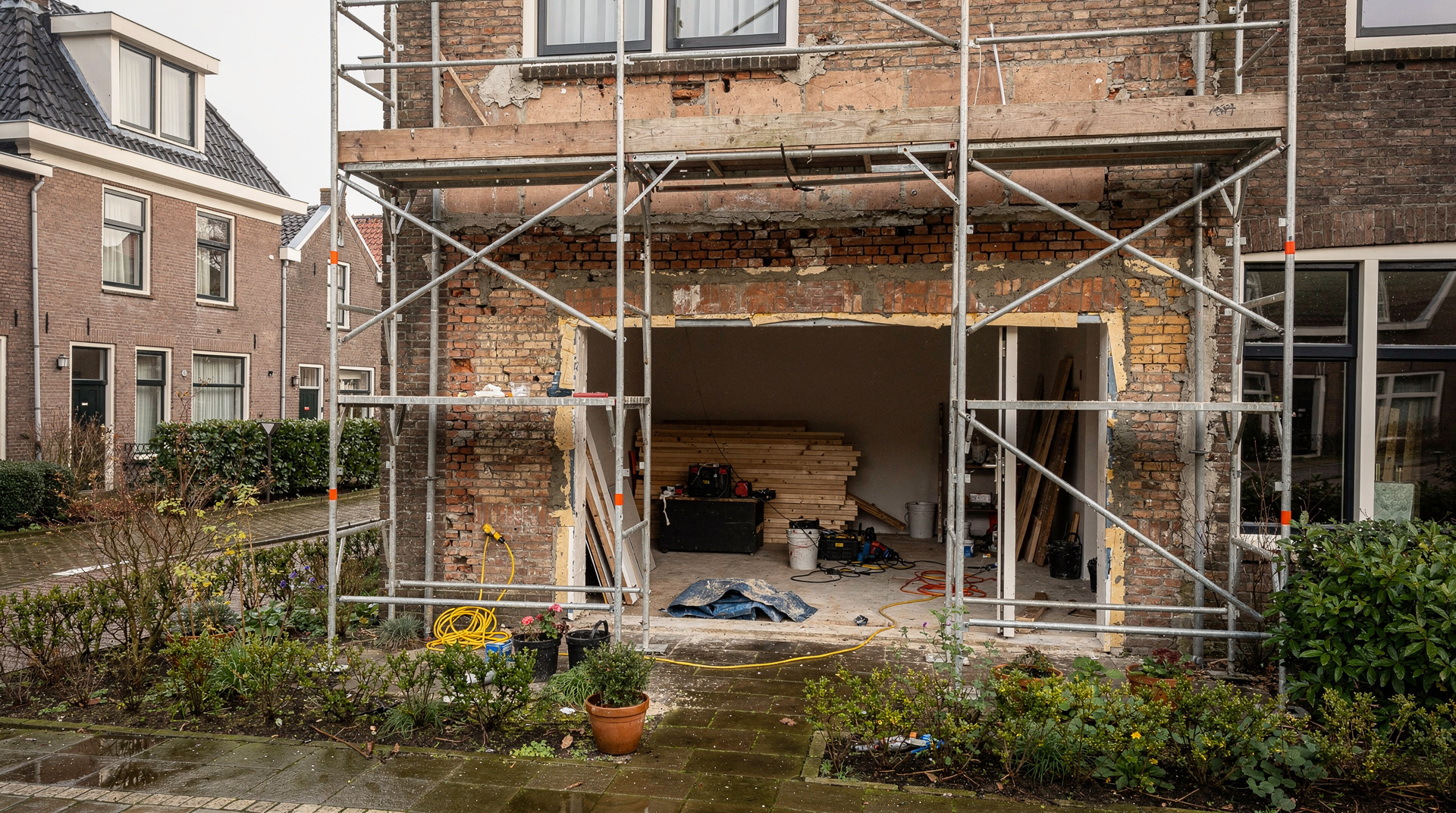
Does every project need a bouwvergunning? No. The Omgevingswet has expanded the list of minor works that can proceed without full approval. Yet most structural changes, including rear extensions, loft conversions that alter the roofline, and any work inside a monument, still require a formal application. Skipping the permit risks fines, forced removal of the work, and complications at sale.
A licensed architect familiar with your local omgevingsplan can usually tell within minutes whether your project falls inside the permit-free category. It is the first fee that pays for itself.
Sustainable Building Materials Worth Knowing
The catalogue of sustainable building materials has matured. Three sustainable renovation ideas stand out for Dutch conditions.
- Wood fibre insulation: vapour-open and breathable, ideal for older masonry that must manage moisture rather than fight it.
- Reclaimed brick: matches historic facades in colour and texture while cutting transport emissions.
- Lime mortars and plasters: flexible and breathable, they protect old brickwork in a way cement-based products never can.
These choices form the backbone of any eco-friendly home upgrades Netherlands residents can make without sacrificing durability or character.
Energy: The Heart of the Project
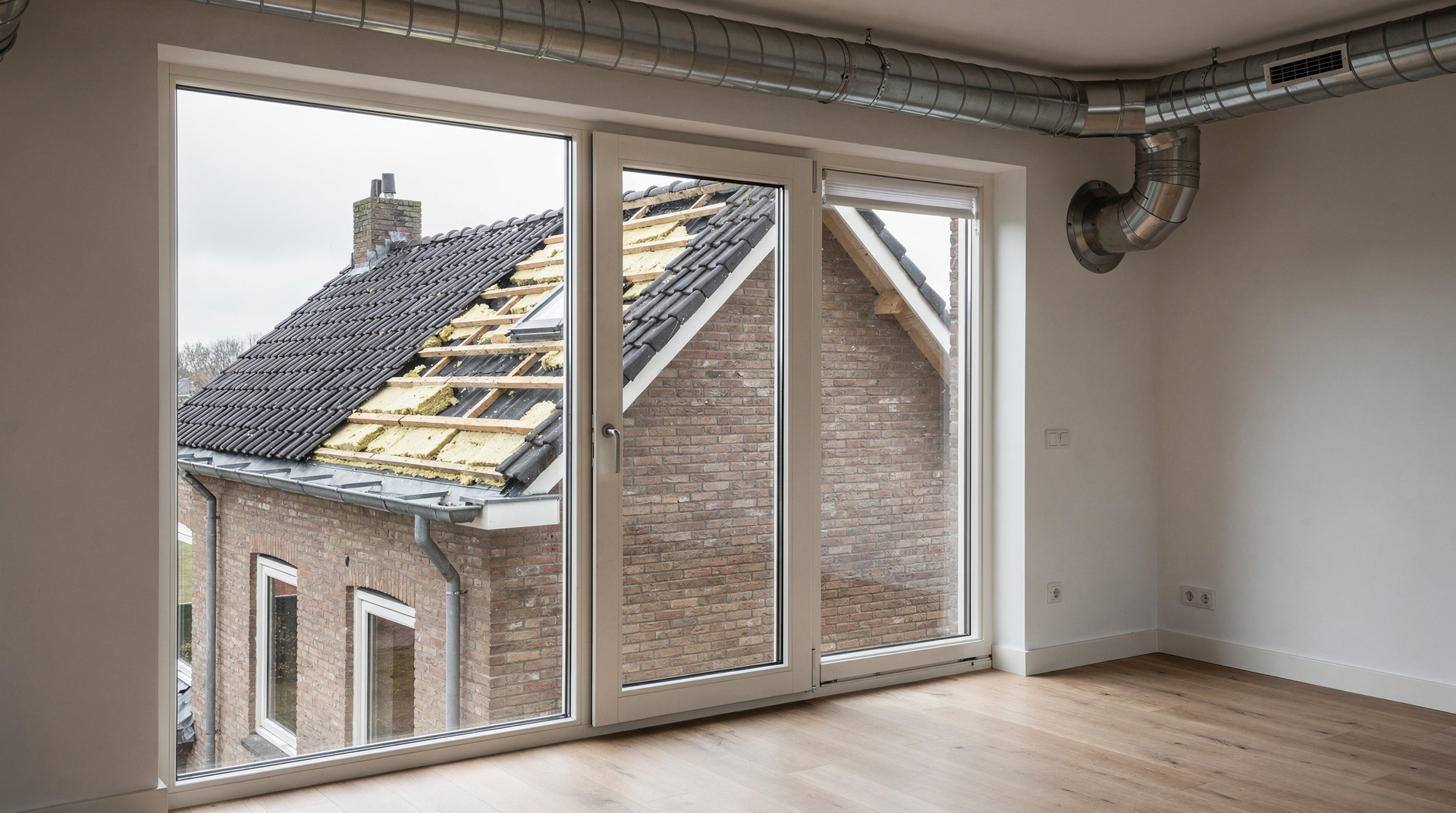
How far should a renovation go? As far as patience and budget allow. A deep retrofit typically combines roof, wall, and floor insulation with triple glazing, a heat-recovery ventilation unit, and a heat pump. Done well, it can cut energy bills by around 70% and lift a property from energielabel D to A+++.
Solar panels remain a Dutch favourite, but they are now one piece of a wider kit that often includes a home battery, a smart thermostat, and an EV charging point, all working from a single integrated plan.
Energy Assessment, Omgevingsplan and Subsidies
- Hire a professional for the design phase, even on small jobs. An architect or independent adviser spots hidden risks and uncovers savings that easily cover their fee.
- Commission a full energy assessment first. The report becomes the blueprint for the rest of the project.
- Read your omgevingsplan on the gemeente website. Rules on height, materials, and setbacks vary street by street.
- Notify your insurer. Structural changes can affect your opstalverzekering if left undisclosed.
- Apply for subsidies early. National schemes like the ISDE and many municipal grants run on a first-come, first-served basis.
Planning for a Home That Lasts
Sustainable renovation in the Netherlands has moved well beyond a niche interest. It is the practical route to a warmer, healthier, and more affordable home, and the most direct way for an individual household to contribute to national climate goals. Begin with a clear plan, a trusted professional, and a long view. The home you finish today should still be working hard in 2075.