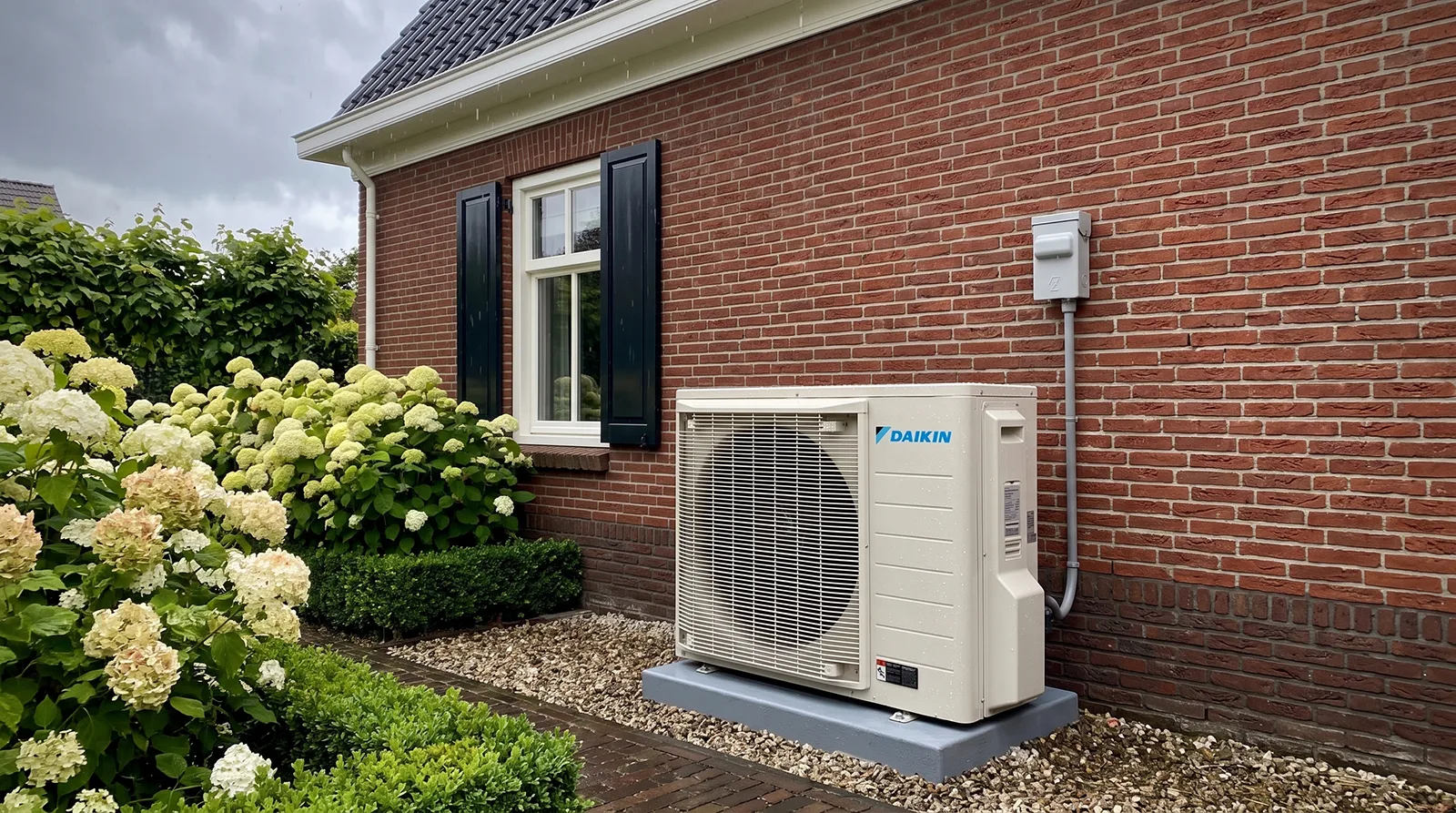
Installing a Heat Pump: Benefits and Considerations
In the Netherlands, heat pumps are no longer an experiment or a “technology of the future.” Locals, especially in new buildings and renovated homes, have been using them for years. But rising gas prices and old residential buildings make heat pumps for heating a mainstream solution. Making your home energy-efficient isn’t a bad thing, right?
So, we decided to explain what this technology is, how it works, and which benefits of heat pumps homeowners notice in everyday life. And if you decide you want to install one, we’ll point you in the right direction.
How Heat Pumps Work
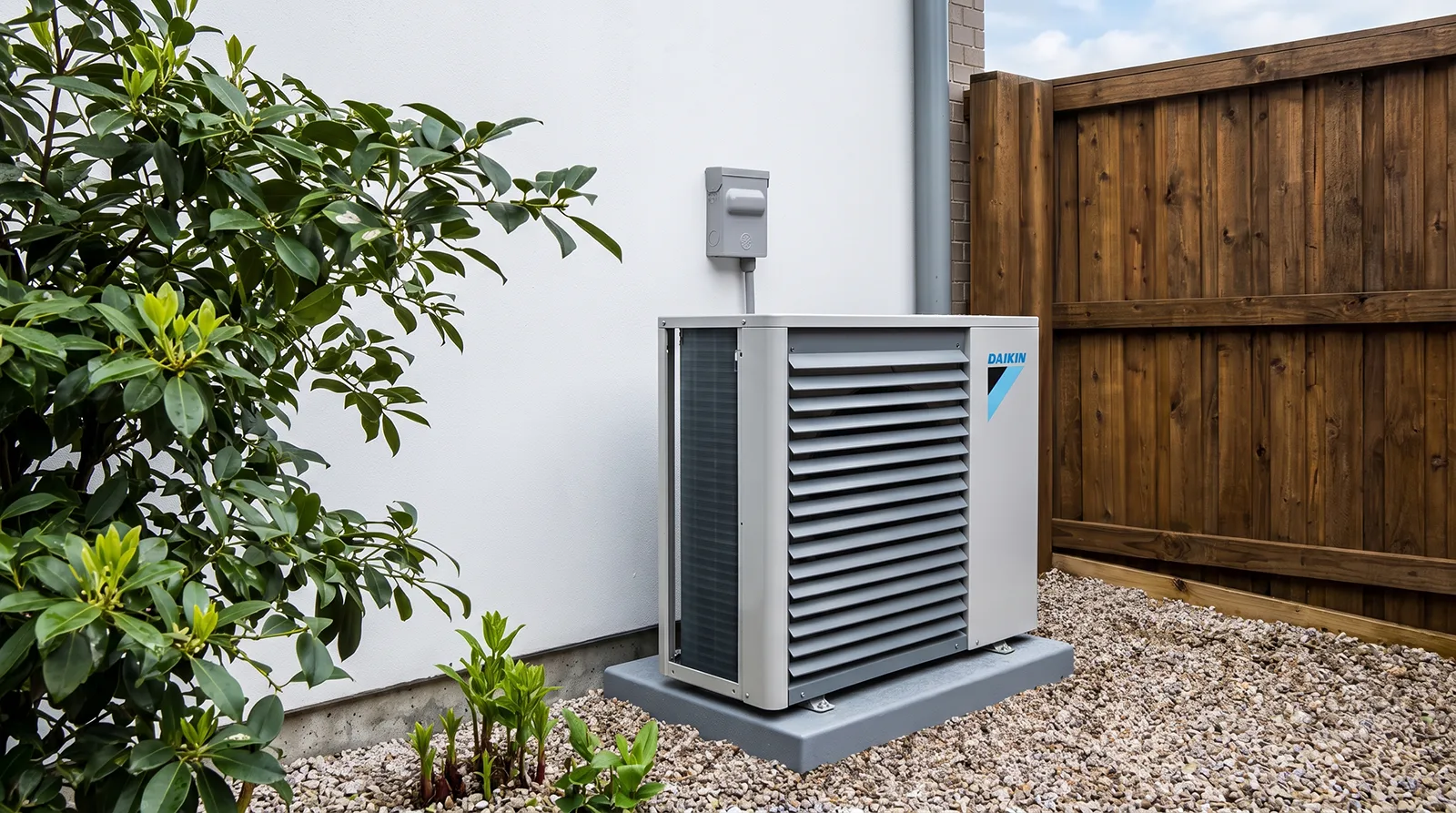
Heating works through a gas boiler in most Dutch homes. It burns gas, heats water, and sends the thermal energy to radiators or underfloor heating. To compare, a heat pump takes warmth from the air, ground, or water, and moves it into your home.
Short step-by-step explanation of how a heat pump works:
- An outdoor unit “collects” warmth from the outside.
- A refrigerant inside the system “picks up” this heat and carries it further.
- A compressor squeezes this gas and quickly increases its temperature.
- The heat is then transferred into the home heating system.
- Then the cycle repeats again and again.
On average, they give 3–4 kW of heat from 1 kW of electricity. The installation of heat pumps has long been used as a real heating solution to switch to a more energy-efficient option. This works especially well in the Netherlands because of mild winters. Even cold air or ground still contains enough energy for the system to work efficiently.
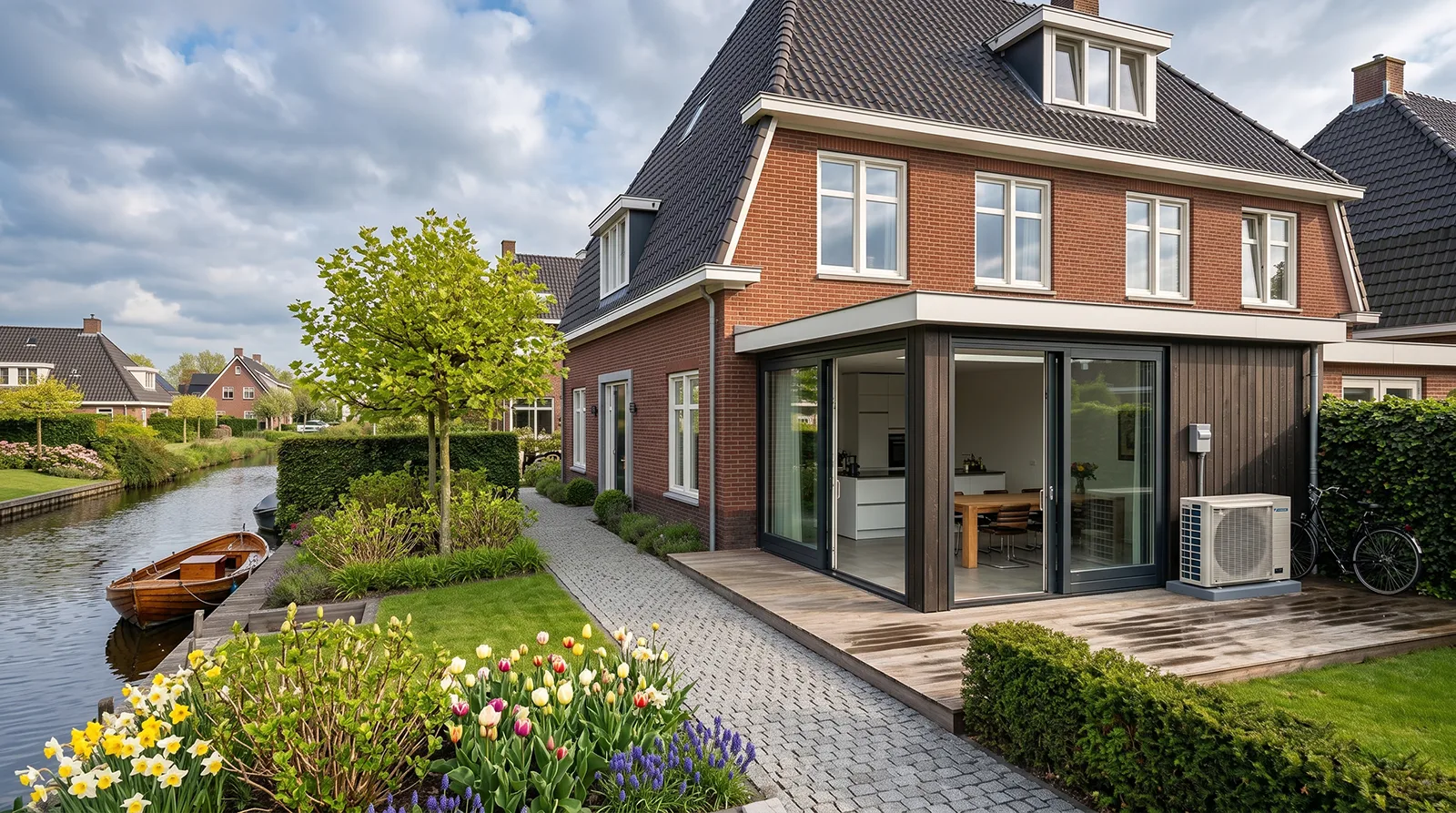
Types of Heat Pumps for Residential Homes
Before choosing good heat pumps, it helps to know that there is no universal solution. The type of system depends on the house, the plot of land, and, of course, how much you are ready to spend on the system and installation. There are three options from local contractors.
Air Source Heat Pumps (ASHP)
This is the most common type of heat pumps Netherlands, especially in residential areas of Amsterdam. They take warmth from the outside air and transfer it into the heating system.
Why choose air source heat pumps:
- They don’t require major ground works
- They are suitable for dense city housing
- They are easy to integrate during renovation
ASHP systems are the ones most often installed in older and renovated homes.
Ground Source Heat Pumps (GSHP)
This is a less common option, only a few percent of the market, but one of the most efficient. In this case, the system uses heat from the ground, and the temperature at depth hardly changes throughout the year. Even when it’s cold outside, there is still a stable “above-zero” environment in the ground.
Installing such systems is often difficult and simply not possible in the Netherlands because of dense construction. Amsterdam, Utrecht, or Haarlem – no space for drilling and installing the system. That’s why GSHP is for private homes outside the city.
Water Source Heat Pumps
They use heat from underground or surface water (for example, groundwater or canals, of which, by the way, the Netherlands has more than enough). In theory, this is a really great solution, but in practice, it is used less often than air or ground systems. And the reason is quite simple – everything depends on the exact location and plot conditions.
To install such a system, you usually need:
- A permit from the municipality
- Approval from the water authority
- Confirmation that water resources can actually be used in this location
- A technical check of the site and the water
The process is a bit longer and more “bureaucratic” compared to other types of heat pumps. It’s also important that this system is not suitable for all houses. You need access to a stable water source, the right geological conditions, and enough space or a suitable location.
That’s why only residential complexes, new development projects, commercial or municipal buildings enjoy all the benefits of a heat pump of this type.
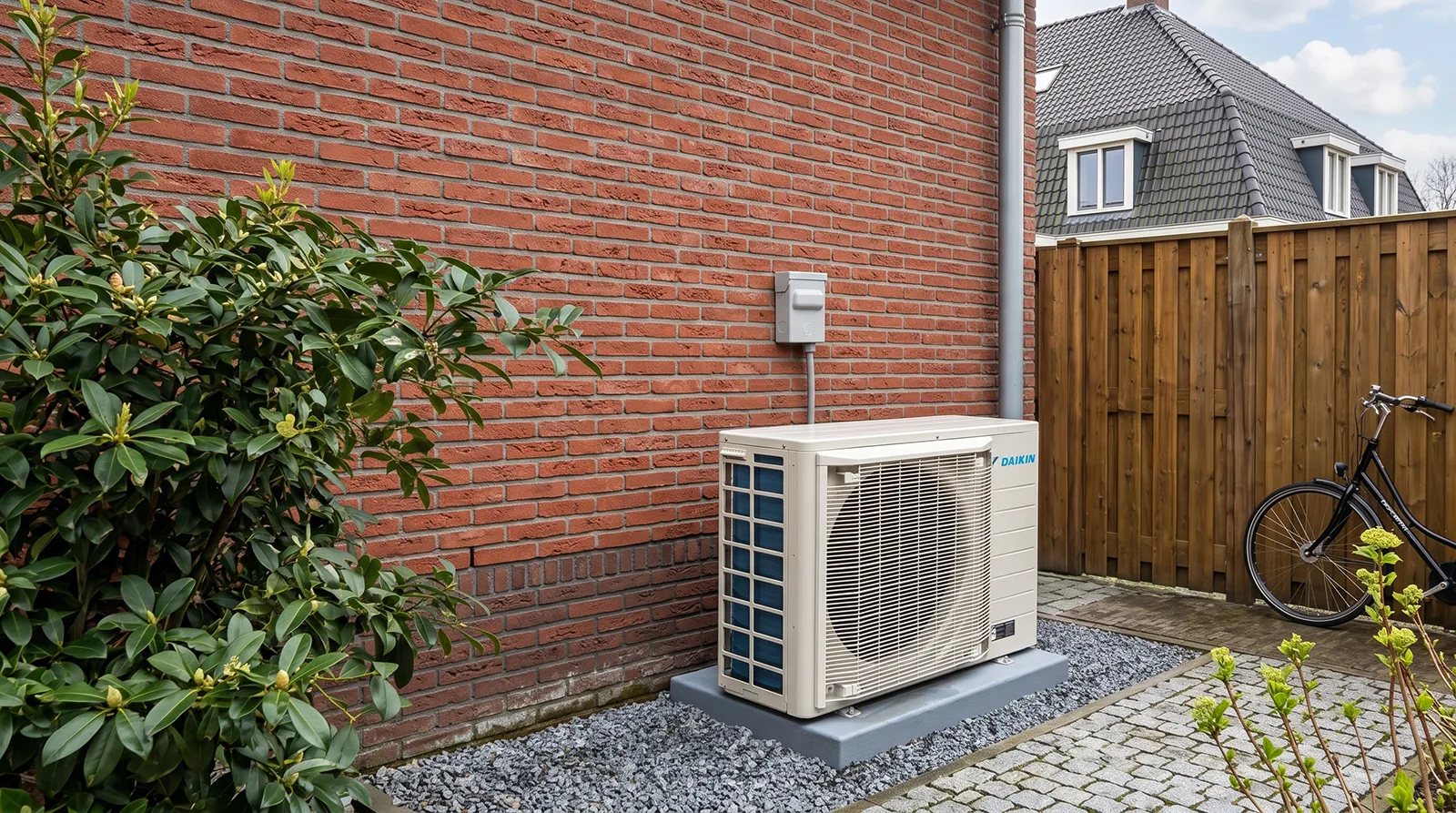
Key Benefits of Installing a Heat Pump
Now let’s move on to what really interests homeowners – the benefits of a heat pump system in everyday life:
- Significant Energy Savings: A heat pump can significantly reduce energy consumption. This is especially noticeable against the expensive gas.
- Lower Heating and Cooling Costs: One system works for heating and cooling. For the Dutch climate, this is very practical. No need for separate air conditioners.
- Reduced Carbon Footprint: The Netherlands is actively reducing gas use. Heat pumps help lower CO₂ emissions without losing comfort.
- Increased Home Comfort: Residents of older homes after modernization notice fewer temperature fluctuations, even heat, and less moisture.
- Long Lifespan and Low Maintenance: The system lasts a long time and does not require complex maintenance.
Today, one out of every four households uses heat pump systems and moves away from gas.
Important Considerations Before Installing a Heat Pump
In most Dutch homes, installation of heat pumps usually takes about 2–4 days. Sometimes it’s faster, sometimes it takes a bit longer – it all depends on the system you choose and the condition of the house.
Before anything starts, installers normally take a quick but careful look at a few basics:
- How well the house is insulated
- What kind of radiators or underfloor heating you have
- Where the unit can actually be placed
- Whether the electrical system can handle it
- Which heat pump fits your budget
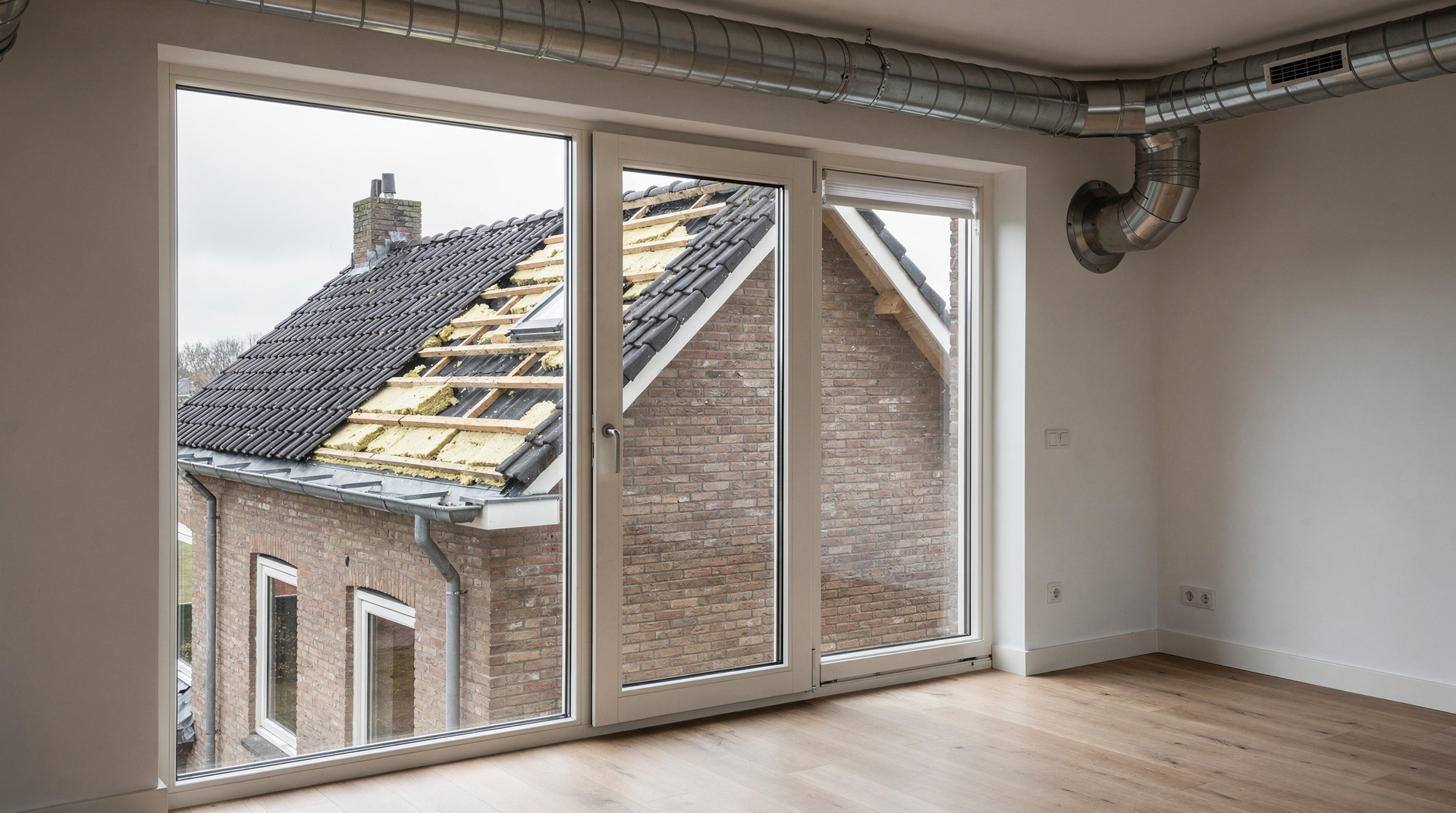
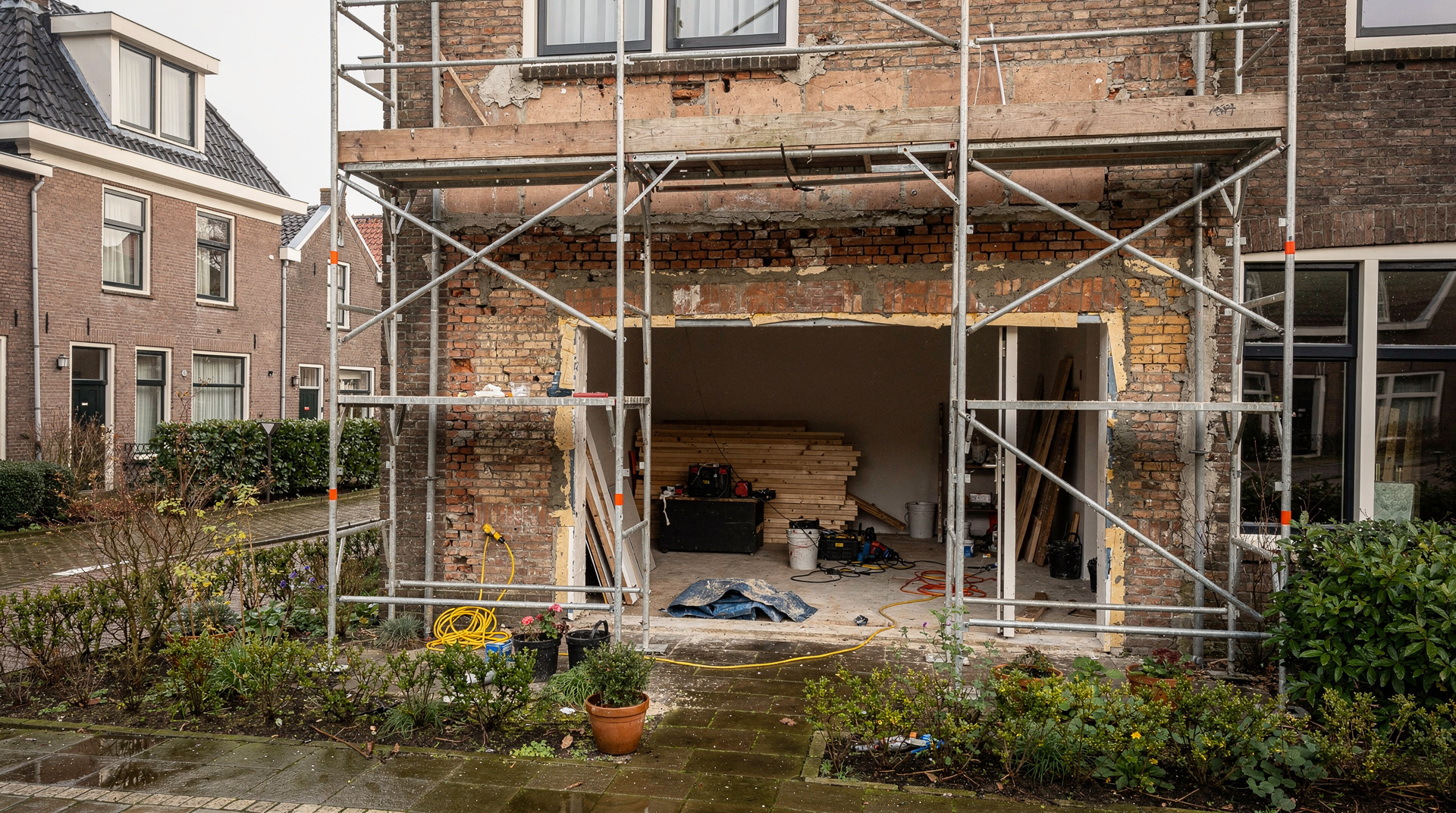
The catch: installing a heat pump in an old house often takes more time than in a new build, as older homes might need small upgrades first.
Installation Process: What Homeowners Should Expect
After you confirm the project, a team comes in and takes you through the whole process step by step:
- Home Inspection: They walk through your house and check insulation, radiators, and possible setup spots.
- Heat Loss Calculation: They work out how much heat your home needs.
- System Selection: They pick the right heat pump for your home and budget.
- Engineering Preparation: They prepare all technical work before installation.
- Installation: They install the heat pump and connect it to your heating system.
- Setup: They start the system, test it, and fine-tune it to work properly.
Own an old house? Get ready to renew floors, insulation, or heating.
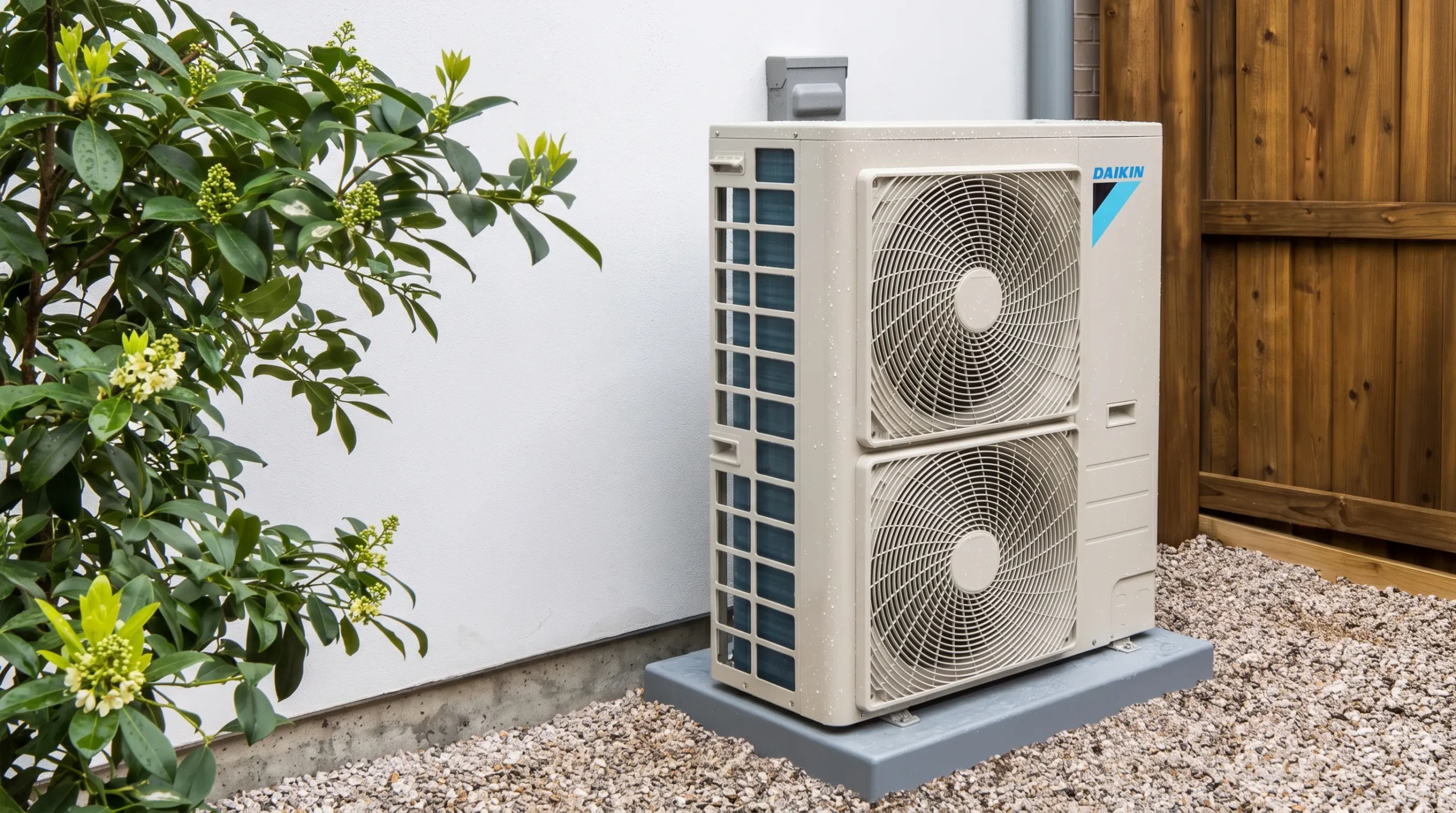
Cost Factors to Consider
The price of energy efficient heat pumps in the Netherlands depends on the system type, your house condition, and any extra work you may need. On average, a hybrid heat pump costs from €12,000 including installation. Ground source systems start from €15,000 because of complex drilling and ground work.
After the ISDE subsidy, many people in reality pay 30% less, but it still strongly depends on how ready your home is for this kind of upgrade.
Why Hiring a Professional Contractor Matters
Even the best heat pump for heating won’t work properly without correct installation. Especially in Amsterdam, where every house has its own history, this approach is really important.
A professional contractor:
- Checks the whole house, not just one system
- Doesn’t offer one “universal” solution for everyone
- Integrates the system into the overall renovation
At CBS Renovation, we believe that most houses in the Netherlands are suitable for heating with a heat pump – just choose the right option. Our job is to install the system and integrate it into a full renovation, so you can feel the results from the very first season.