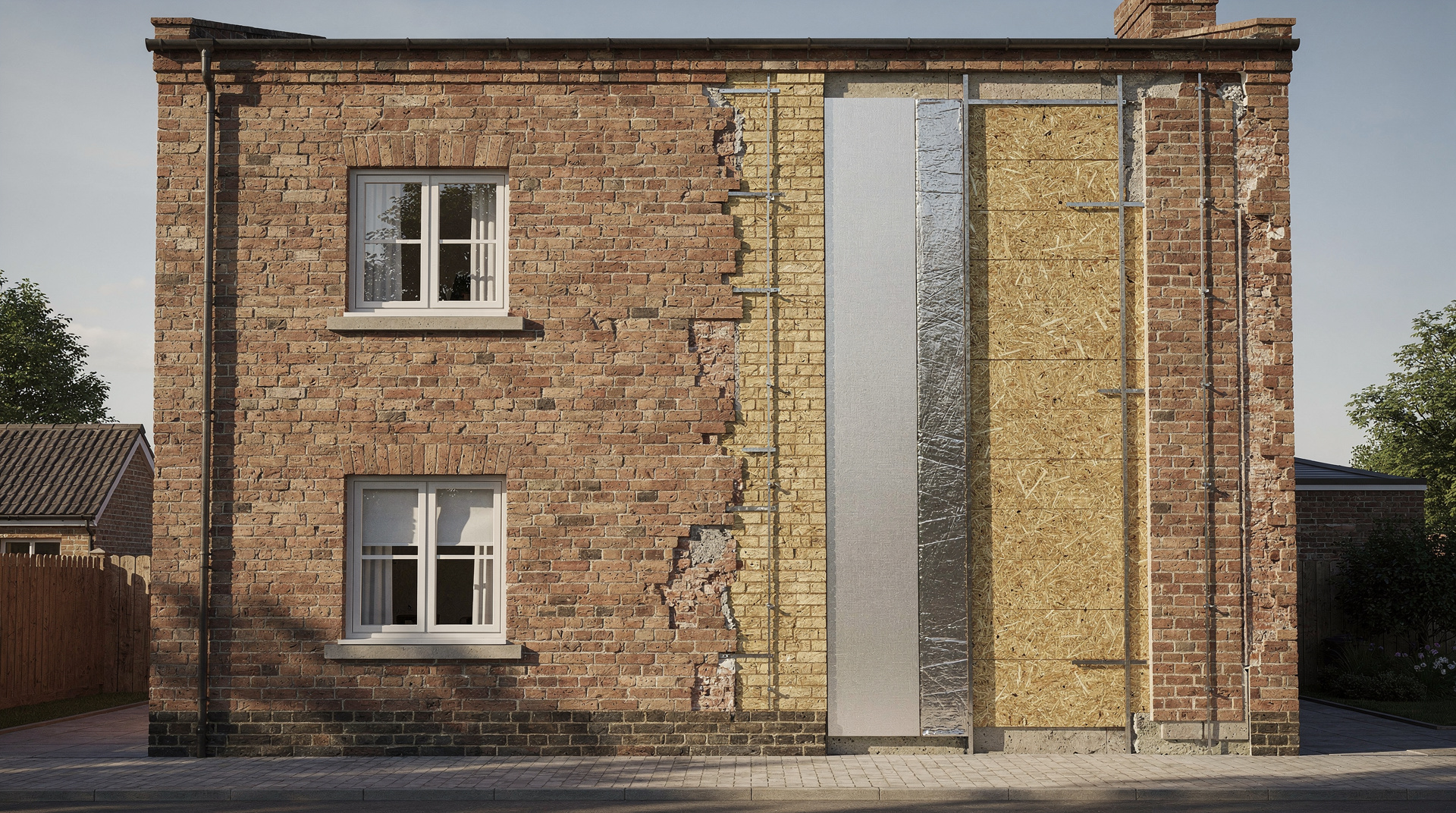
Wood Fiber vs. PIR: Choosing the Best Cavity Wall Insulation
Why the Gap Between Your Bricks Matters
Have you ever wondered why some historic Dutch homes feel incredibly cozy in winter, while others bleed heat and money? The secret often lies hidden between the bricks. When planning a house renovation in the Netherlands, residents frequently overlook the invisible barriers that dictate comfort and efficiency. Upgrading your cavity wall insulation is one of the most effective ways to transform a draughty property into a thermal fortress. But with new materials entering the market, how do you choose the right armor for your home? This guide explores the science and strategy behind selecting the perfect insulation for your walls.
Spouwmuur, Rc-waarde and Bouwvergunning Explained
Before we examine the materials, we must understand the unique language of Dutch construction. What exactly are we dealing with when we open up a wall?
- Spouwmuur: The Dutch term for a cavity wall. It consists of an inner and outer brick layer with a gap in between, originally designed to stop rain penetration.
- Bouwvergunning: A building permit. While injecting insulation often falls under permitted development, major structural changes during a house extension Amsterdam project will require official approval.
- Rc-waarde: The thermal resistance value. The higher the number, the better the material resists heat flow.
How Each Material Behaves in the Cavity
The Anatomy of Heat Loss
Think of an uninsulated cavity wall as a wind tunnel. Cold air enters the gap, cools the inner wall, and drops the room temperature. Filling this gap stops the convective loop. But the material you choose changes how the wall breathes and reacts to moisture.
Wood Fiber Insulation: The Breathable Biobased Option
Imagine a sponge that only absorbs water when absolutely necessary, then dries out quickly. That is how wood fiber insulation behaves. Made from recycled timber, it is a champion among sustainable building materials. Its primary superpower is moisture regulation. If your older Dutch home suffers from dampness, wood fiber allows the wall to transpire, preventing trapped moisture from rotting internal timbers. It also offers excellent acoustic dampening.
PIR Boards: The Synthetic Powerhouse
Polyisocyanurate, or PIR, is a rigid foam board. If wood fiber is a breathable sponge, PIR is a thermos flask. It provides exceptional thermal resistance in a very thin profile. When space is at a premium, perhaps when insulating the narrow walls of a new build, PIR delivers maximum energy savings without eating into your floor plan. It is completely impervious to water, making it highly durable in wet environments.
PIR vs Biobased: Making the Choice
The debate of PIR vs biobased materials ultimately comes down to the age and condition of your property. For modern, airtight builds, PIR offers unmatched thermal efficiency. For older, historically protected properties, biobased wood fiber prevents the catastrophic moisture buildup that synthetic foams can cause. Choosing incorrectly leads to severe interstitial condensation.
The Crucial Step: Masonry Repair
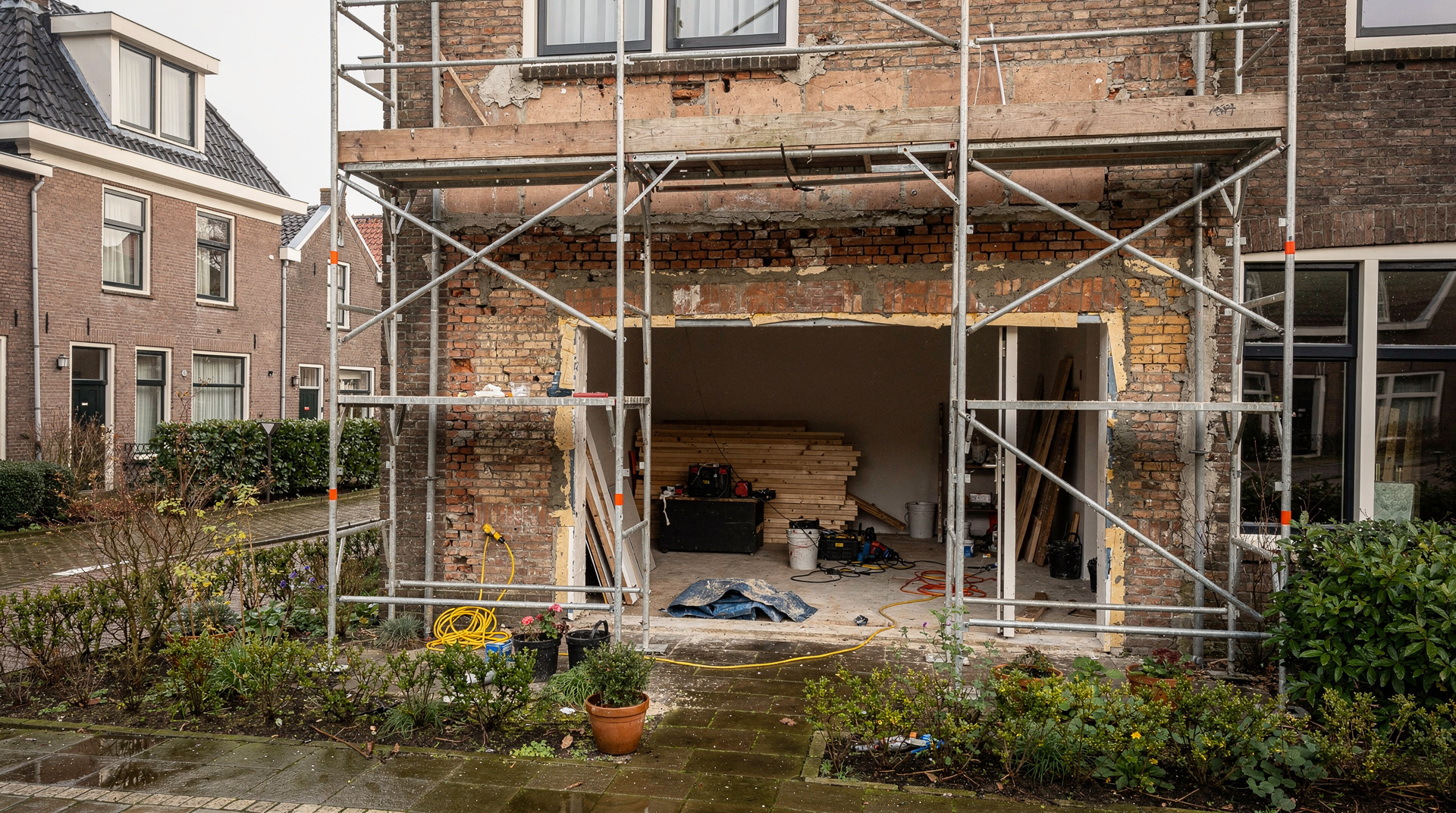
You would not paint over a rusting car, and you must never insulate a damaged wall. Proper masonry repair is mandatory before any insulation goes in. Crumbling mortar or cracked bricks will trap water inside the cavity once it is sealed. Professionals must repoint the brickwork and fix structural defects first to ensure the insulation performs as engineered.
What to Check Before Filling the Cavity
Transforming your home requires precision. Follow these directives to ensure a successful upgrade:
- Hire certified insulation specialists to assess your cavity walls using thermal imaging and boroscope cameras before selecting a material.
- Commission a professional moisture analysis to determine if your walls require a breathable biobased solution or if a synthetic board is safe.
- Employ licensed masons to complete all necessary masonry repair and repointing before the insulation installation begins.
- Consult with your local municipality to confirm whether your specific renovation plans require a bouwvergunning.
- Always use registered contractors for the installation, as improper fitting creates thermal bridges that completely negate your energy savings.
The Final Verdict
Upgrading your cavity wall is a brilliant scientific intervention that pays dividends in comfort and reduced carbon footprint. Whether you opt for the moisture-managing prowess of wood fiber or the sheer thermal muscle of PIR, the decision must be rooted in the specific physics of your building. By relying on expert contractors and respecting the unique characteristics of Dutch architecture, you will secure a warmer, healthier, and vastly more efficient home for decades to come.