Retrofitting Your Home with Modern Insulation Solutions
In the Netherlands, home insulation is a basic necessity. More than 60% of the housing stock was built before 1980, when modern insulation standards simply did not exist. The result is heat loss, high humidity, and high heating costs. Today, insulation solutions directly affect energy bills and the comfort at home.
That’s why insulation retrofitting has turned into one of the go-to home upgrades in the Netherlands between 2024 and 2026. It also helps that the government is backing it – subsidies are available through the RVO, and in many cases, they cover more than a third of the total cost.
Let’s take a closer look at the details.
Why Retrofitting Insulation Matters for Modern Homes
Let’s refer to data from the Dutch RVO (Netherlands Enterprise Agency), which provides insulation subsidies. According to their figures, an average home without upgraded insulation loses:
- Up to 30% of the heat through the roof
- 20–25% through the walls
- 10–15% through the floor
This means that even a new boiler or a heat pump will not work efficiently. Any professional insulation contractor knows this and doesn’t start the process with materials, but with a full house analysis. Where exactly heat is lost, how moisture behaves, and whether ventilation is sufficient. In the humid local climate, an incorrect heat retention system leads to condensation and mold within 1–2 years.
Most Common Areas for Insulation Upgrades
Let’s define the key areas where heat loss is most concentrated. These are usually the first places where insulation retrofitting begins.
Roof and Attic Insulation
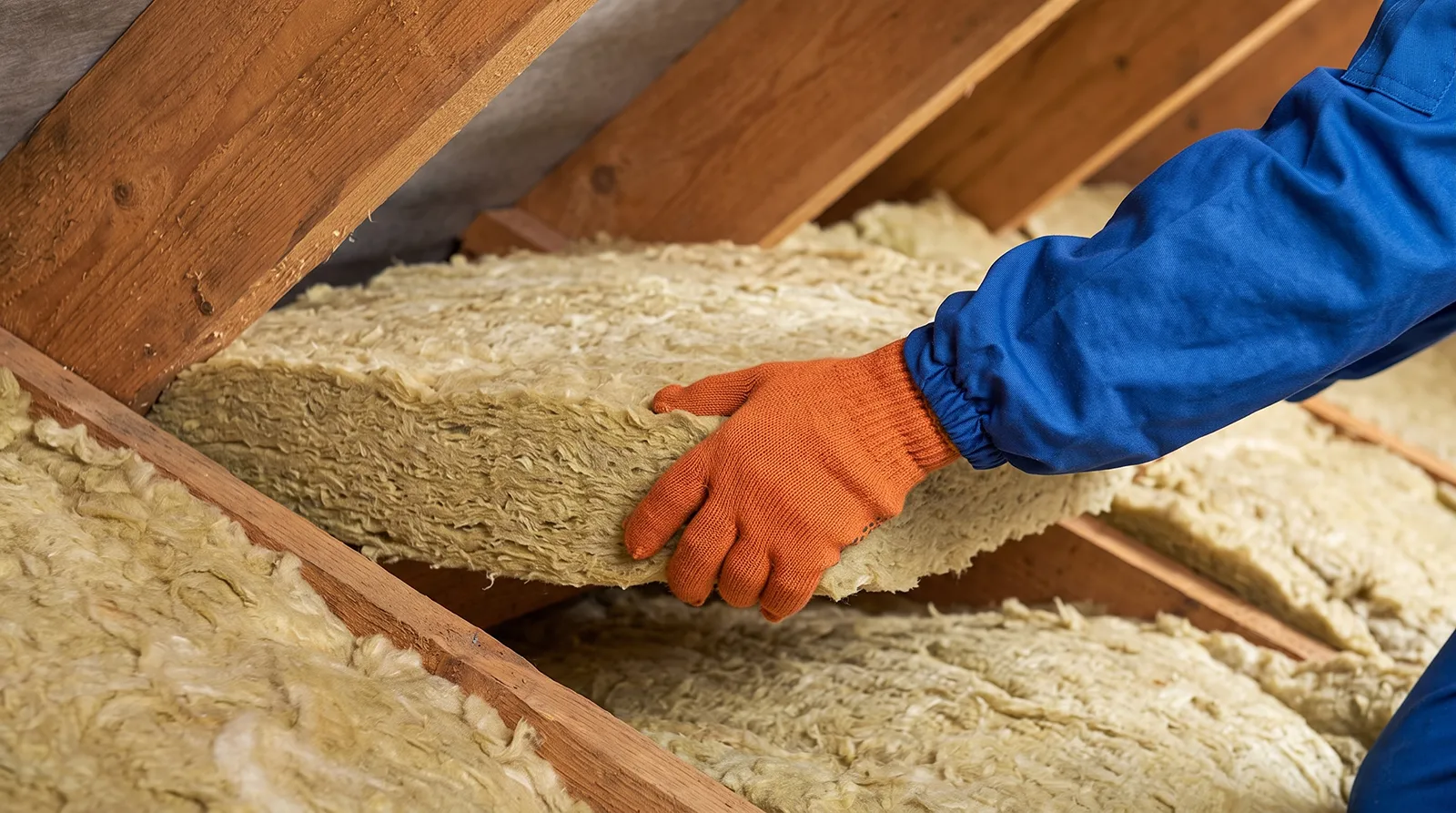
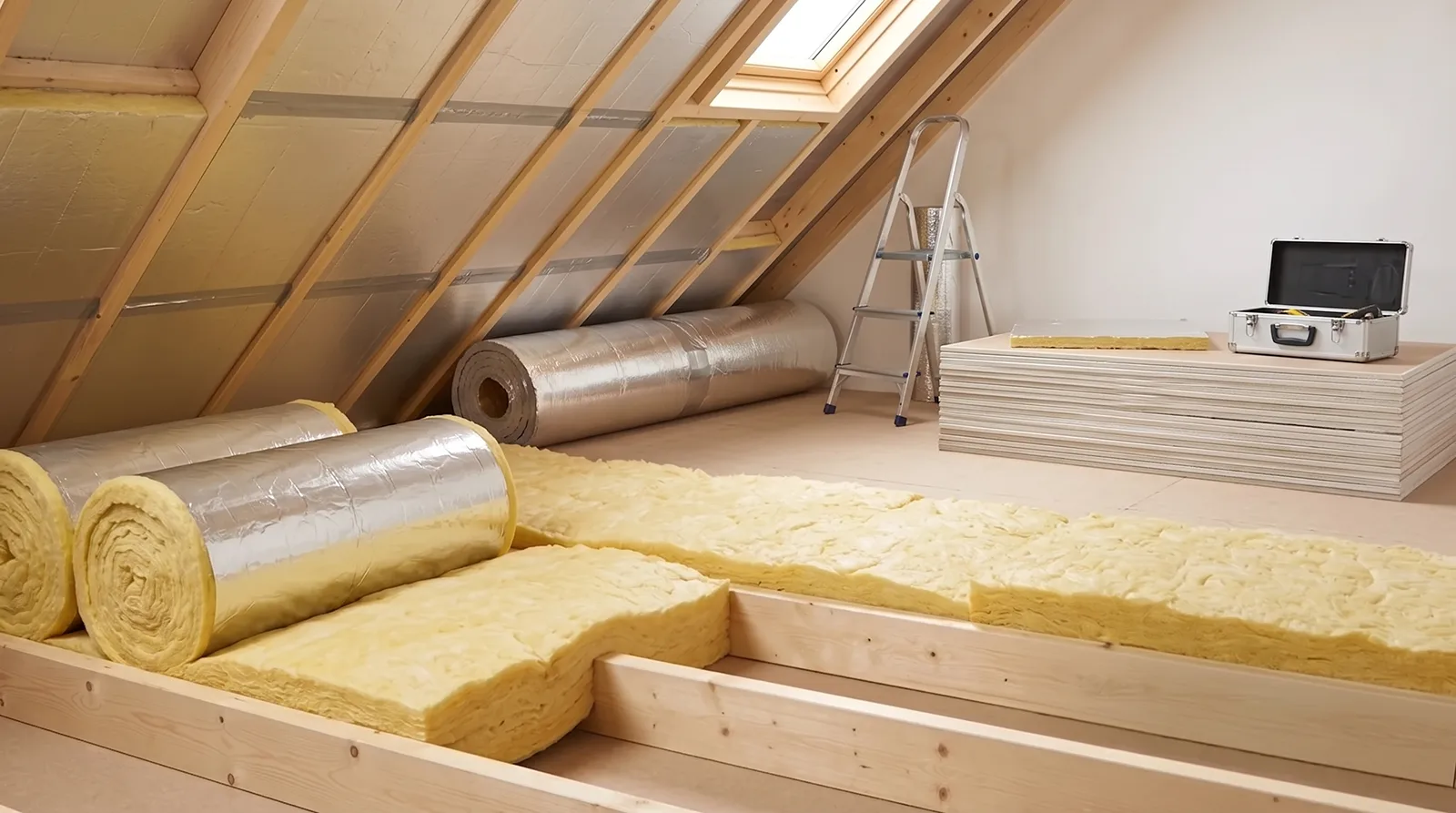
The roof is the best place to start. Effective attic insulation solutions reduce heating costs by 20–30%, which is a noticeable difference in monthly bills. In the Netherlands, insulation for attic is usually brought up to the equivalent of 25–30 cm.
This helps to:
- Stabilize indoor temperature
- Avoid overheating in summer
- Prepare the home for low-temperature heating systems
What material to choose? Mineral wool is affordable, works well with moisture, and reaches the recommended thickness without issues.
Floor and Crawl Space Insulation
If the house is warm in winter but your feet are still cold, then the problem is almost certainly in the crawl space. About 4 out of 10 Dutch homes have a space under the floor, and without insulation for the floor, cold air easily enters the living areas.
As a result, the floor can be 5–7°C colder than the air, even when the heating is running at full power. After upgrades, the floor becomes pleasantly warm, the air gets drier, and energy bills usually decrease by 10–15%.
Window and Door Upgrades
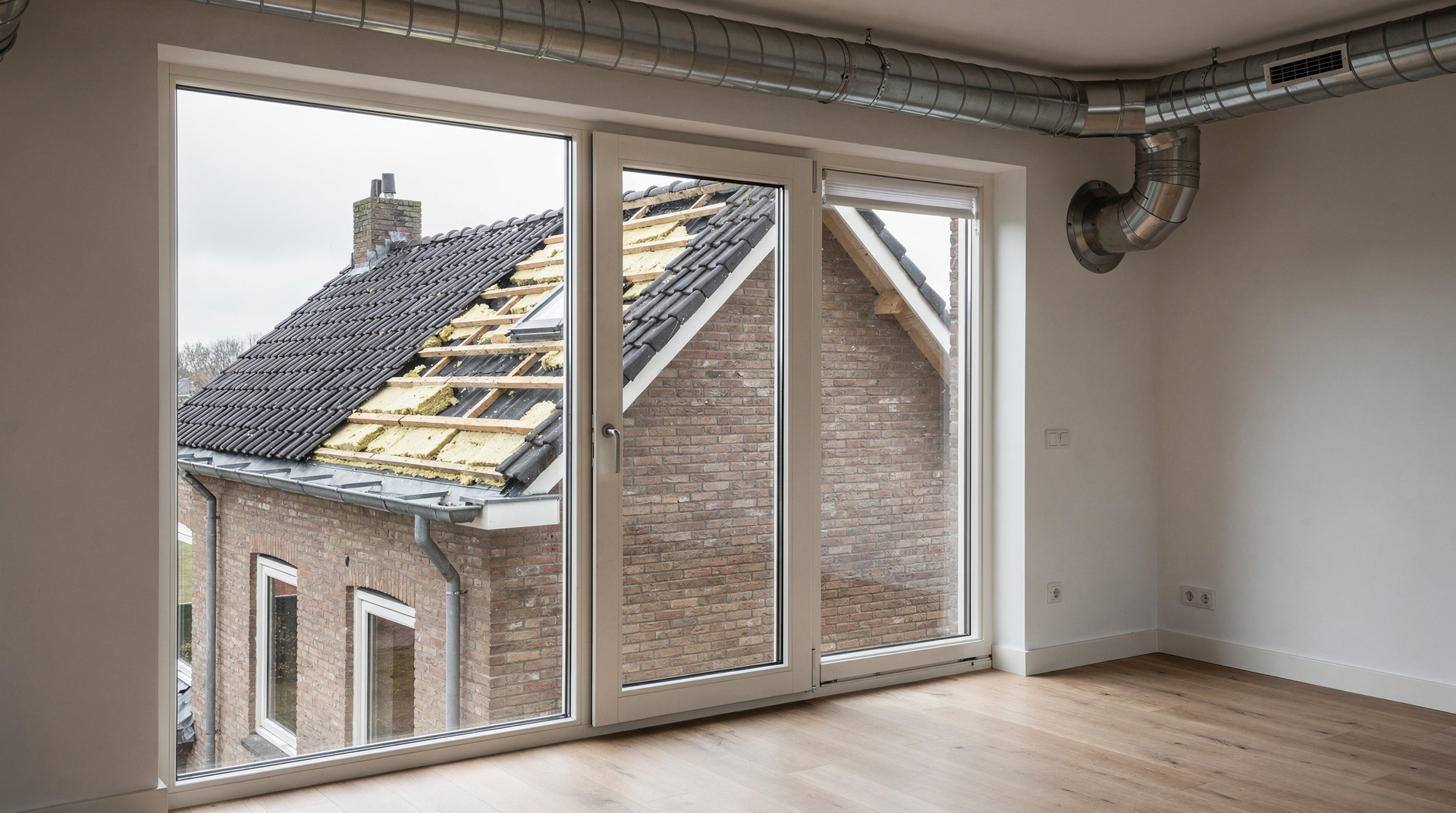
You can perfectly insulate the roof and floors, but old windows cancel out all the efforts. Heat simply escapes through cracks in the frames and worn seals. The good news is that even replacing seals and proper airtight sealing already gives a noticeable effect. And if you invest in modern windows and doors, your home becomes not only warmer but also quieter and much more comfortable.
Modern Insulation Materials and Technologies
Now, about materials. Many older Dutch homes still use insulation with fiberglass in attic and roof spaces due to its low cost and easy installation. But this is no longer enough for modern energy efficiency requirements. Many other ways to improve home insulation have appeared for better thermal performance.
We described a few of them below.
Mineral Wool
Mineral wool is made from melted stone or minerals that are spun into fibres, creating a kind of “soft blanket” that traps heat really well. Why is mineral wool insulation so popular here? Because it works in Dutch conditions, and lasts 30–40 years without performance loss. It doesn’t mind moisture, it handles condensation well, and it keeps heat inside the house.
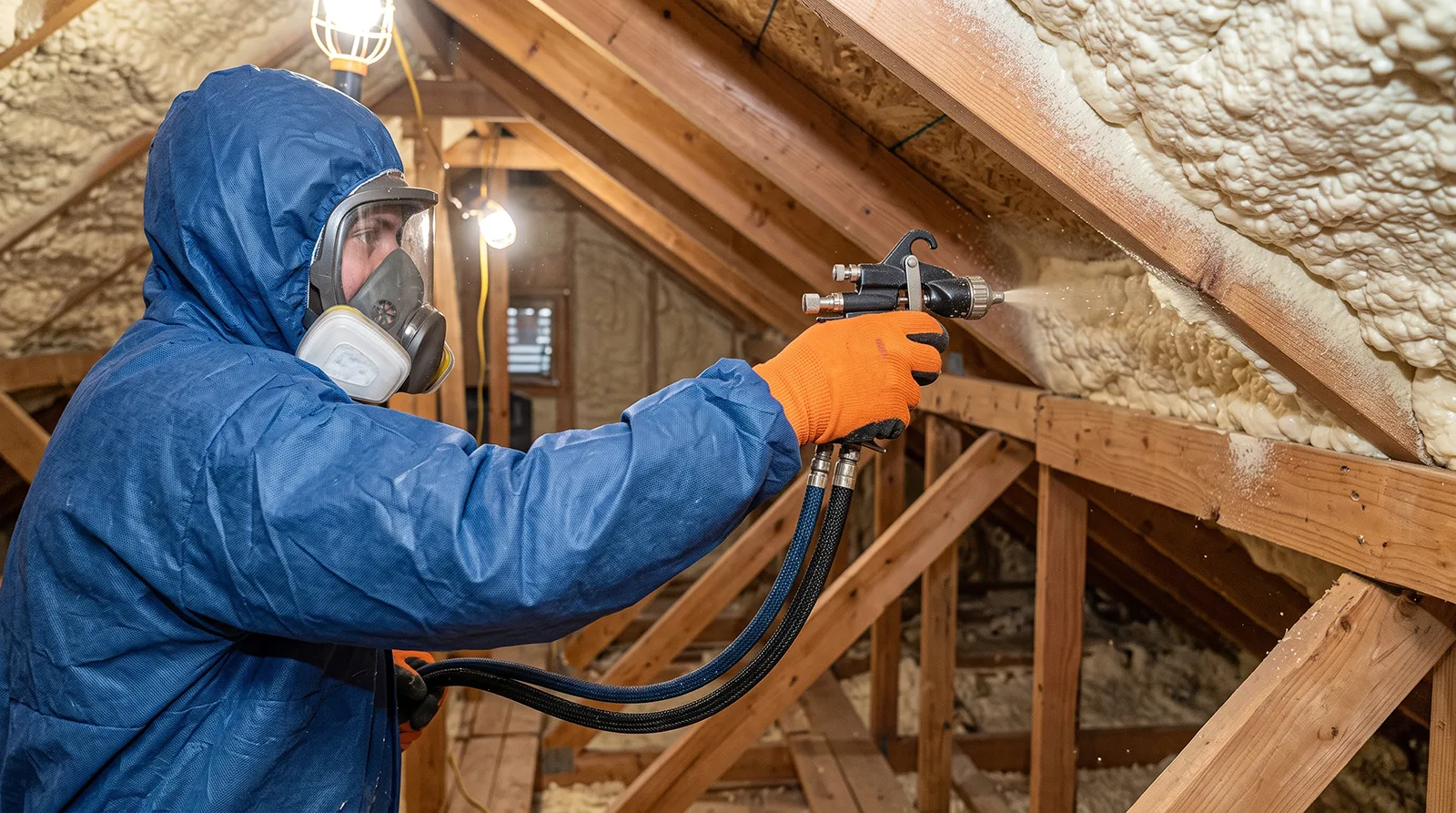
Spray Foam Insulation
Spray foam insulation became widely used about 10–15 years ago. It is not installed like boards or rolls. You simply spray it, and it expands, filling all gaps. This is a great solution for places where regular materials cannot reach – roof joints, attic corners, areas around pipes.
It is often used together with heat pumps because the system works better when the house doesn’t “leak” extra cold air. But it is NOT a main insulation material, more of a way to seal weak points.
Cellulose Insulation
This is a modern type of insulation made from recycled paper. It is simply blown into walls, roofs, or floor structures. This is very convenient because cellulose easily fills all cavities, even in older homes with all kinds of imperfections. The biggest advantage is that cellulose can breathe and doesn’t seal the house completely.
PIR/PUR Boards
PIR and PUR are rigid insulation boards. They look like thin panels and are used as the go-to insulation for the walls, roofs, and floors. Even very thin boards keep heat extremely well – that’s the biggest advantage and makes it a popular choice when you don’t want to lose valuable square meters.
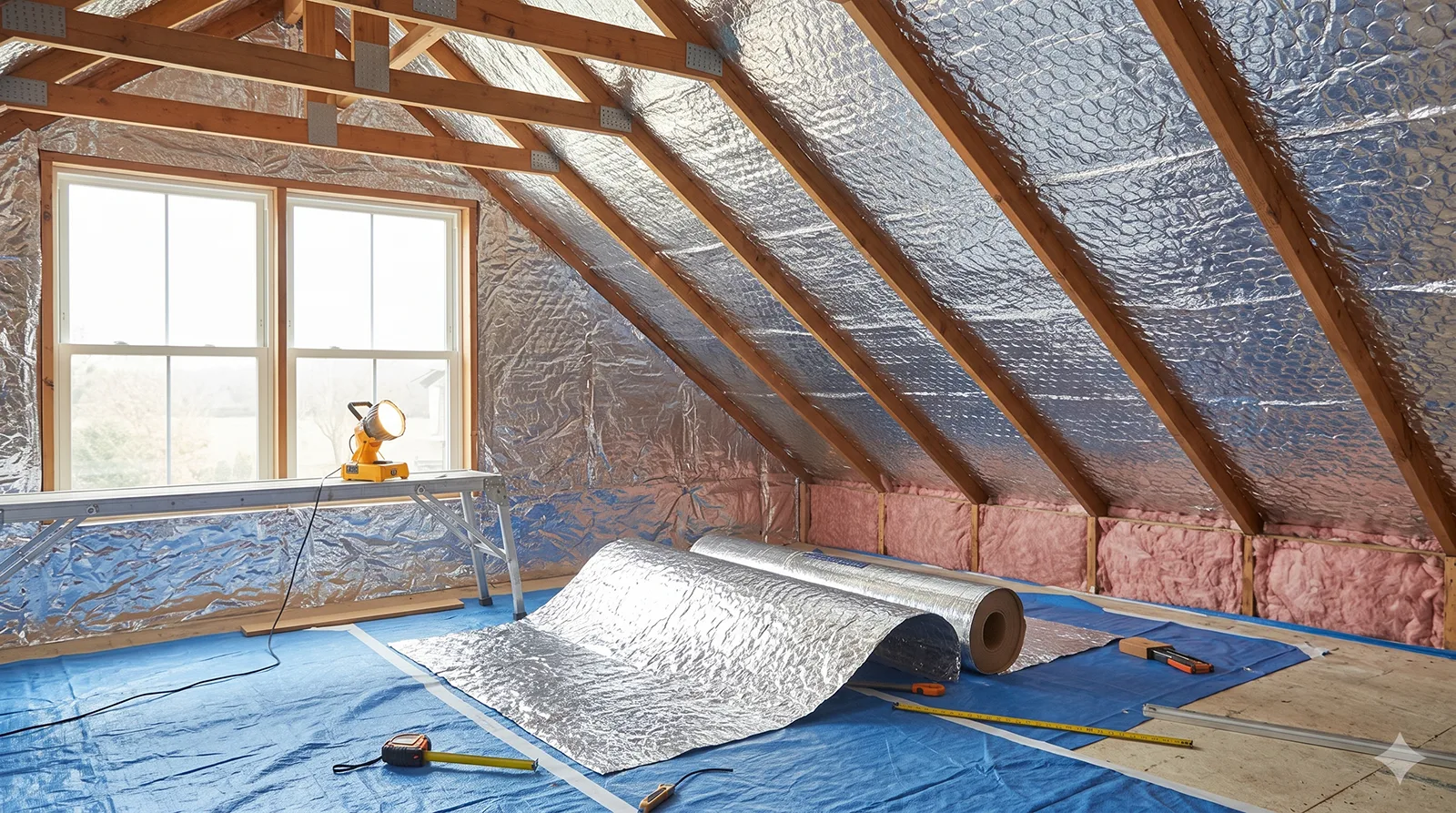
Reflective Insulation Systems
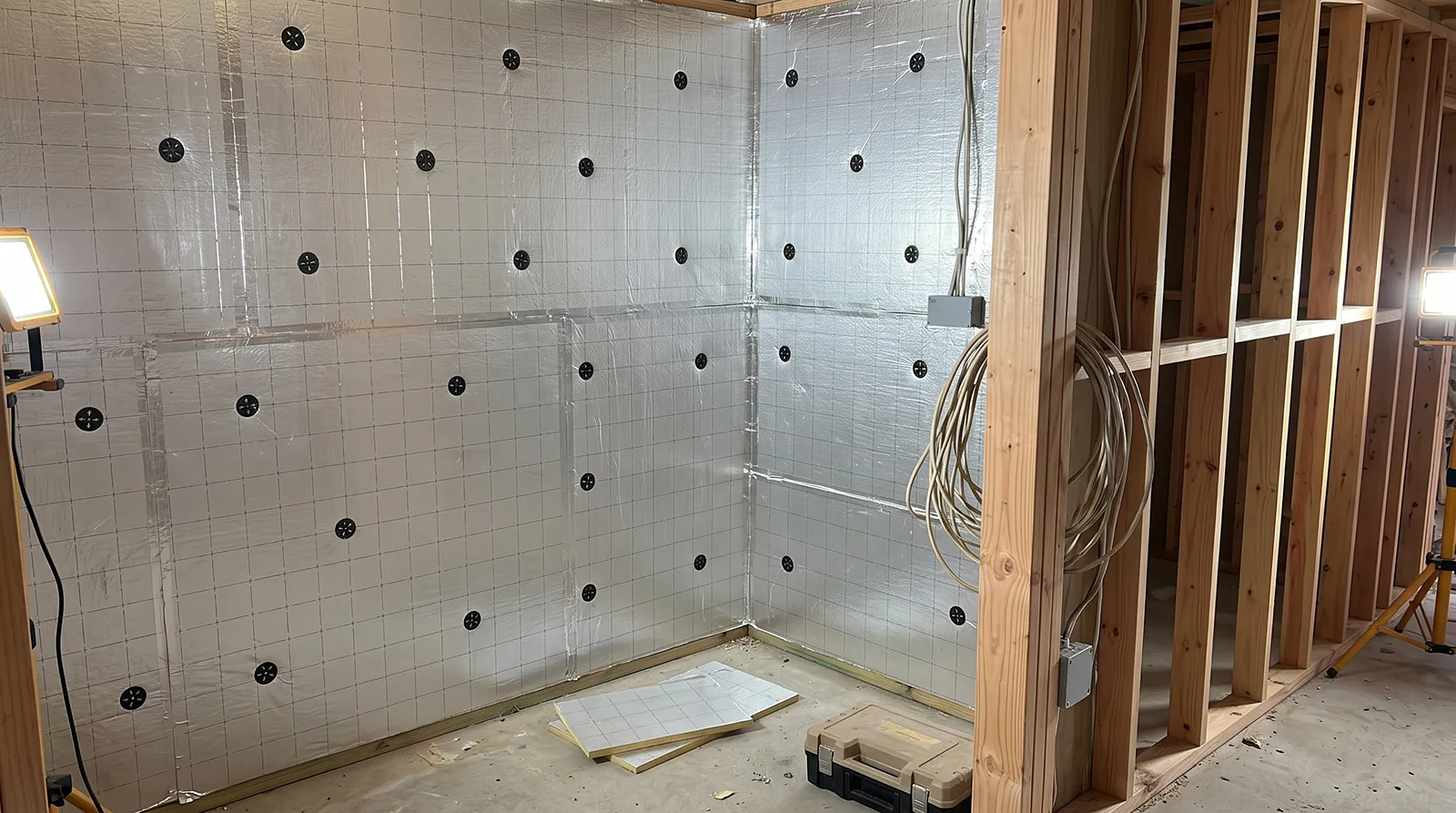
This is insulation with a foil layer that works like a “mirror for heat,” reflecting warmth into the room. It’s rarely used on its own but is often added to the main home insulation solutions in roofs or attics. It keeps heat inside during winter and slightly reduces overheating in summer.
Benefits of Retrofitting Your Home with Modern Insulation
Want to pay less and live more comfortably? Invest in modern energy insulation solutions. The numbers clearly show it:
- Lower Energy Bills. After proper insulation, heating bills usually drop by 25–40%. In real money, that’s from €600 in savings per year, depending on the size and condition of the home.
- Better Indoor Comfort. The temperature in the house becomes more even, without cold floors, drafts, or “icy” corners. The temperature difference between rooms is usually reduced by 2–4°C.
- Improved Air Quality. Moisture drops down to 10–20%, which means no mold, damp smells, and heavy, uncomfortable air.
- Increased Property Value. Homes with a better energy rating sell faster and for 5–10% more than similar homes without proper insulation.
How the Retrofitting Process Works
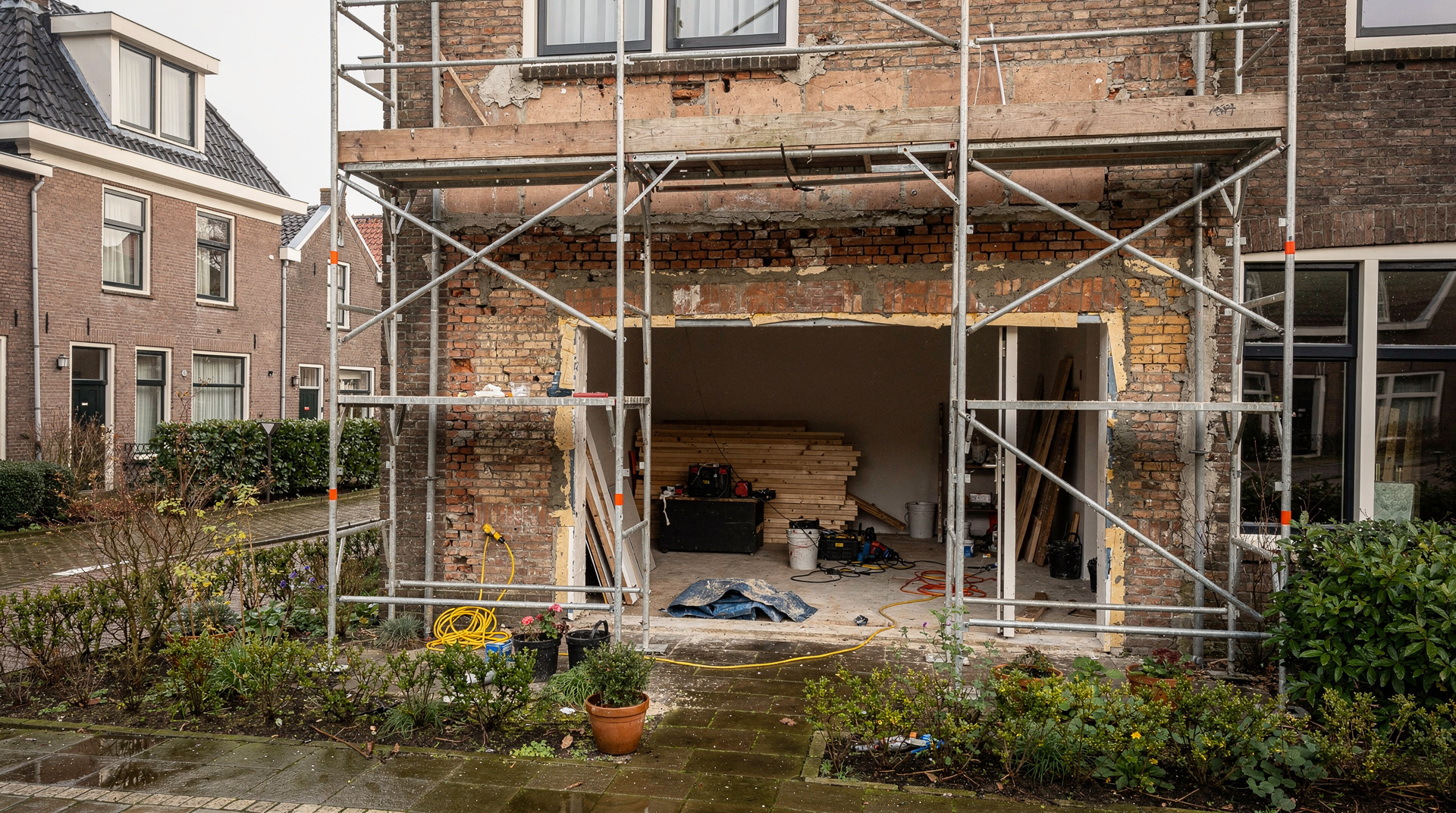
The retrofitting starts with a technical inspection of the house and identifying the main areas of heat loss. Usually, invited specialists check everything, give advice, and select materials that match the building structure and the climate. Then comes the installation itself – it usually takes from a few days up to two weeks, depending on the scope of the work.
Key Factors to Consider Before Retrofitting
As we already said, the assessment team first checks the weak areas of the house that need insulation. Also, it’s important to think about:
- House condition and humidity – if there is damp, cracks, or cold spots
- Ventilation – if air can move properly to avoid condensation after insulation
- Plans (heat pump, renovation) – so you don’t redo work later
- Budget and order of works – what to do first and what can wait
It makes more sense to do insulation together with other home upgrades. This saves money and avoids doing the same work twice.
Choosing a Professional Insulation Contractor
If your goal is to improve home insulation effectively, work with a contractor who understands the Dutch climate, housing stock, and offers modern methods and materials.
At CBS Renovation, we treat insulation as an engineering solution, not just material installation. We integrate insulation into the overall home renovation so the result is noticeable right away and still effective 10 years later.
Leave a request on the website, and we’ll help you figure out which insulation actually makes sense for your home.