A renovation rarely takes as long as people expect. In many Dutch homes, especially older properties, extra work only becomes visible after demolition starts. Add permit approvals, material lead times, and contractor schedules, and a project can quickly take longer than planned.
At CBS Renovation, one of the most common questions we hear is how to plan a home renovation timeline. So, we’ve described the main stages of a renovation to help with that.
Renovation Timeline at a Glance
Home renovations are common across the Netherlands. Some people renovate straight after buying a property. Others finally replace an old kitchen, update a bathroom, or create more space for the family.
The renovation schedule catches many people off guard. Demolition might take only a few days, but then you’re waiting for materials. Electricians finish their part, plumbers come in next, and only after that can the new flooring go down. The kitchen usually arrives close to the end of the project.
All those stages together make up the overall home renovation timeline.
Stage 1: Planning and Design
Timeframe: 1–4 weeks
A lot of people want to start with the exciting part – choosing a kitchen, bathroom tiles, flooring, or paint colours. But first, you need a clear plan.
So, what are you changing? Are you keeping the current layout? Moving the kitchen? Adding a bathroom? Installing underfloor heating? Your budget starts to take shape.
A kitchen renovation might involve new wiring. A bathroom upgrade often means plumbing work. For larger projects, such as an extension or building a private house, you should include drawings, technical plans, and permit applications.
Stage 2: Permits and Approvals
Timeframe: Several weeks
Replacing a kitchen or renovating a bathroom? Then, move straight to the next stage. Permits are relevant when you start changing the building itself.
A house extension is a good example. Loft conversion, a new garage, a roof alteration, or removing a load-bearing wall – the municipality wants to see drawings and technical calculations. As for the apartment owners, VvEs want to review apartment projects that affect shared areas of the building – a balcony, the facade, the roof, communal walls, or the entrance area.
People choose materials, speak with contractors, and start planning the renovation, then realise they can’t move forward, as a home renovation timeline starts with paperwork.
Stage 3: Ordering Materials and Scheduling Contractors
Timeframe: 1–6 weeks
This is the stage where many renovation schedules start shifting. A kitchen supplier promises delivery in six weeks. The worktop company needs another two weeks. Suddenly, the dates you discussed a month ago no longer make sense.
The same thing happens with trades. An electrician finishes another project later than planned. A plasterer doesn’t have a free slot for another few weeks. One small delay early on often changes several dates further down the line.
Most contractors want to know when the materials will arrive and when each trade starts. A detailed home renovation timeline and checklist help put all those dates in one place.
Stage 4: Demolition
Timeframe: 2–10 days
Contractors carry out dismantling works, remove old flooring, kitchens, sanitary fixtures, tiles, and partition walls.
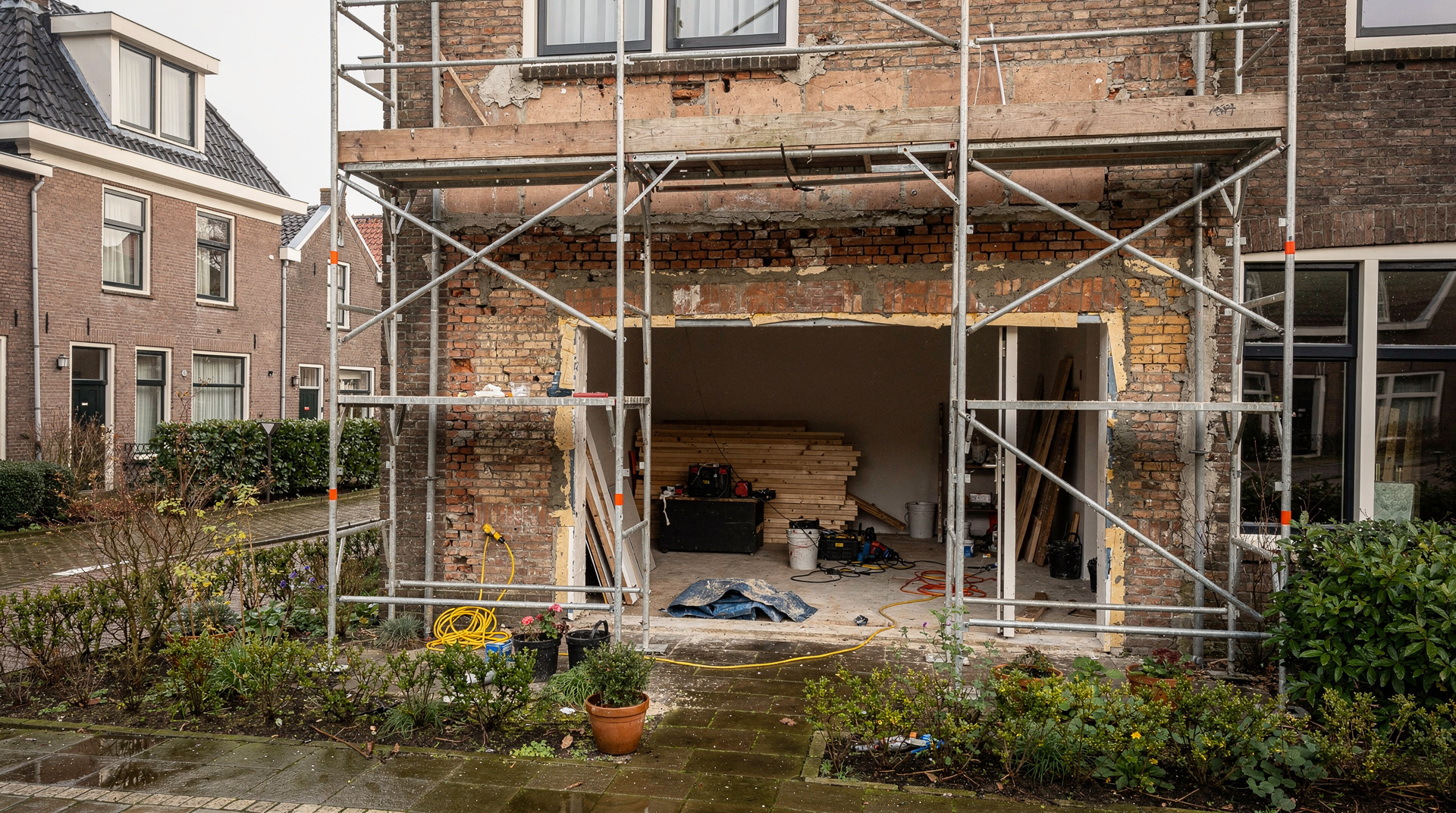
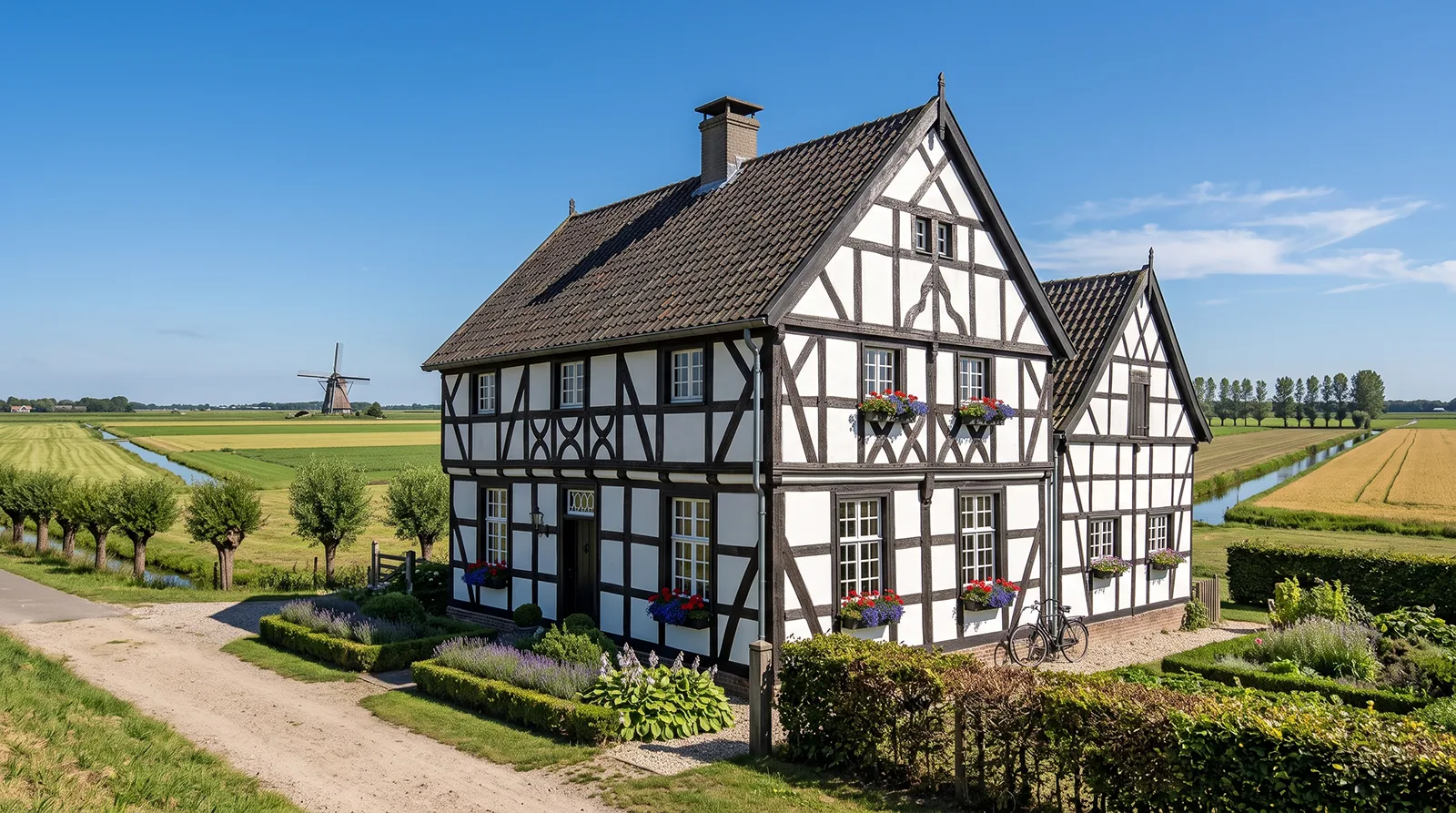
Demolition often brings a few surprises, especially in older Dutch homes. Once the flooring comes up, you might find an uneven subfloor. Behind old tiles, there may be signs of moisture. And behind a decorative panel, you might discover wiring that should have been replaced years ago.
Stage 5: Structural, Plumbing, and Electrical Work
Timeframe: 2–6 weeks
Electricians, plumbers, heating specialists, ventilation installers, and builders usually work at the same time. It’s good to have a house renovation schedule of works template ready by this stage, so everyone knows when their part of the project starts.
This stage usually includes:
- Installing new electrical wiring
- Installing sockets and switches
- Relocating water and drainage pipes
- Installing a heating system
- Installing ventilation
- Preparing utility connections for the new kitchen
- Preparing plumbing for the bathroom
- Reinforcing structural elements after layout changes
Have old radiators or anything else you’d like to improve? Upgrade everything now rather than come back and open up walls or floors again a few years later.
Stage 6: Insulation and Drywall Installation
Timeframe: 1–3 weeks
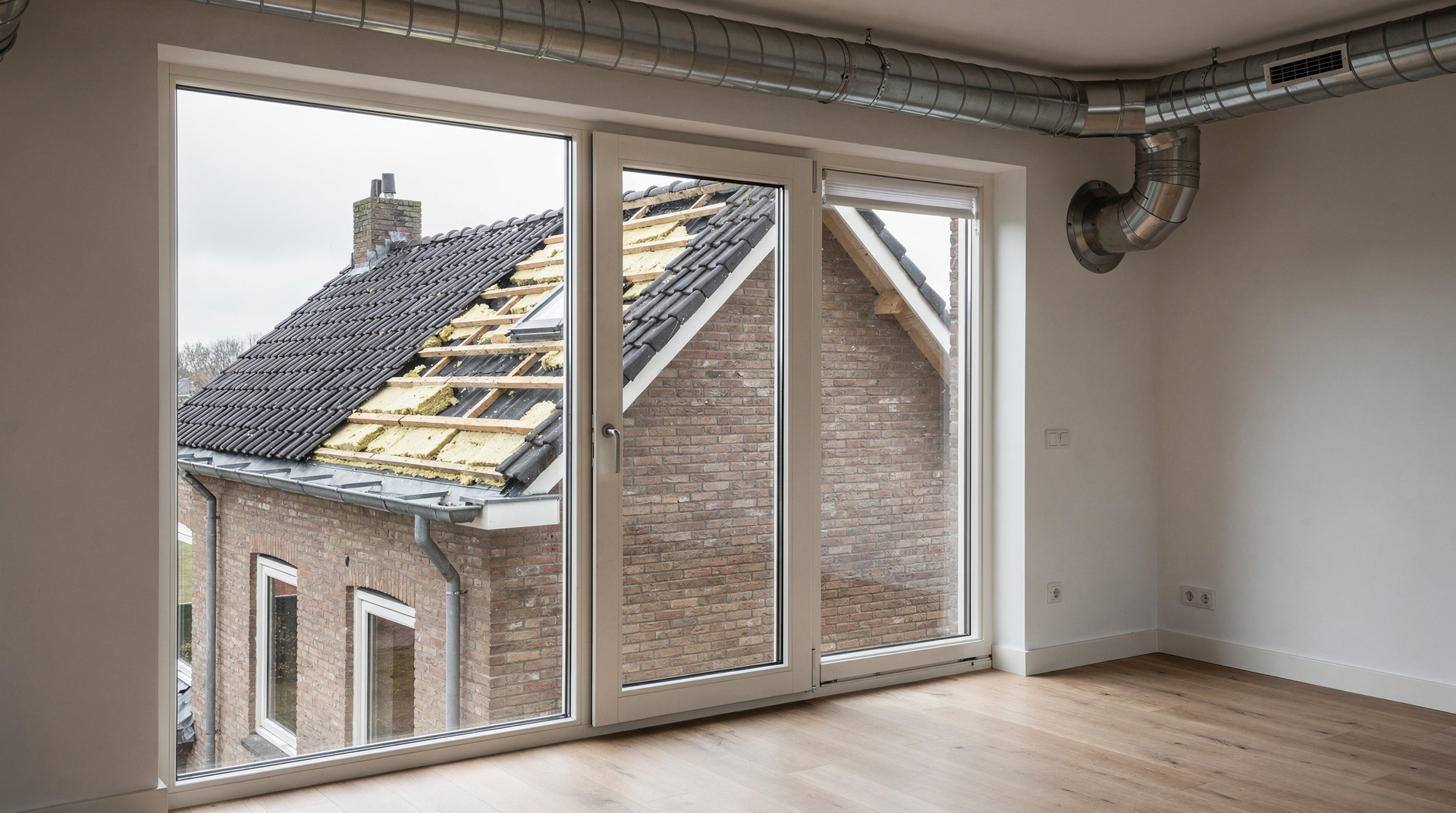
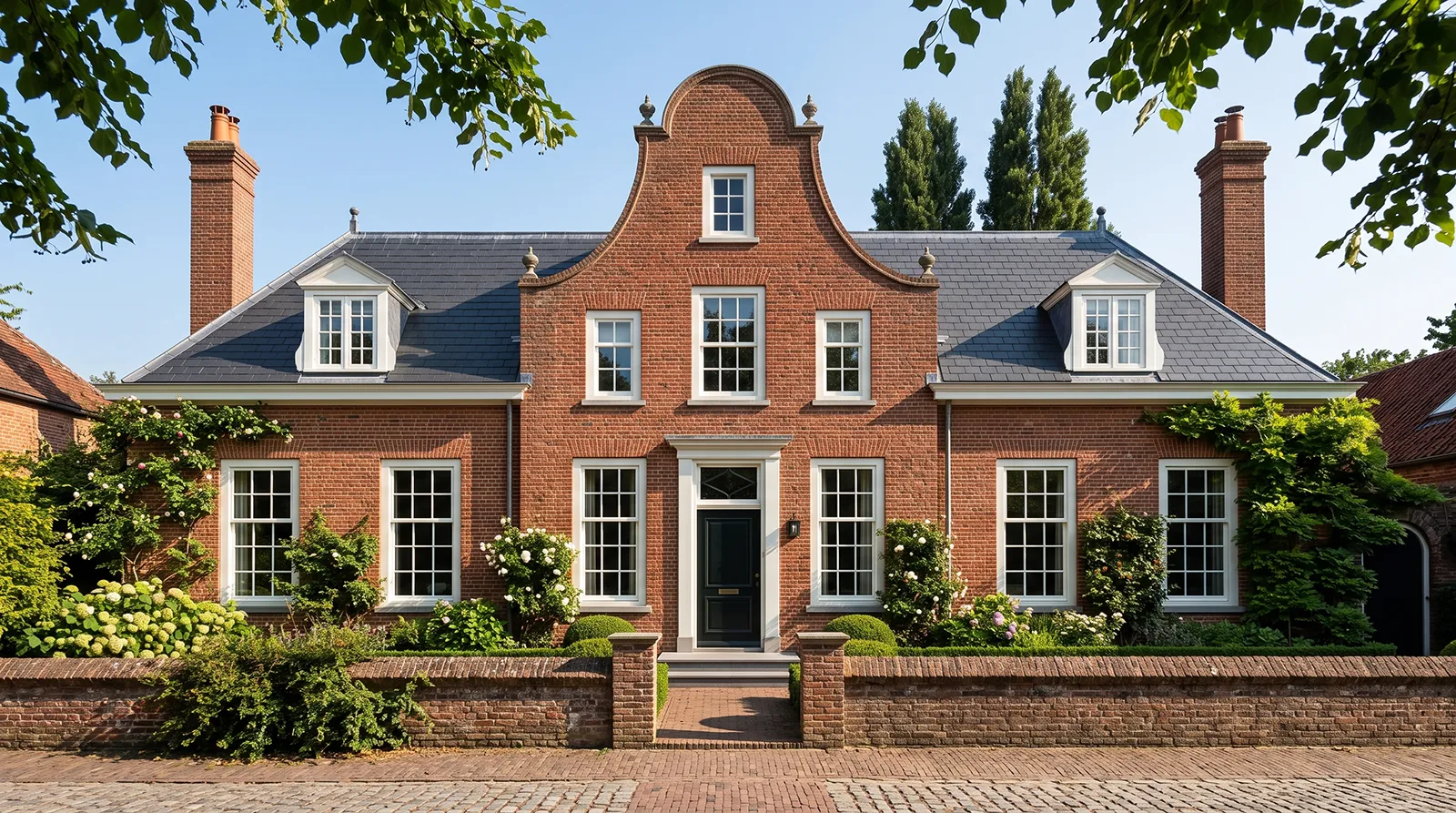
Many older Dutch homes aren’t exactly famous for keeping the heat in. Open a wall or climb into the attic and you’ll quickly see why. Before builders close everything up again, they often add insulation such as mineral wool or PIR boards.
Some homeowners focus on the roof. Others insulate the floor because they’re tired of cold feet every winter. Some do both. Then builders install drywall, level the walls, and prepare the rooms for paint and flooring.
Stage 7: Flooring, Painting, and Interior Finishes
Timeframe: 2–5 weeks
This is when the interior homeowners saw in the visualisations finally starts to come together. It’s time for flooring, tiles, skirting boards, and painting work.
Is it a quick stage? Sometimes, yes. Installing flooring in a typical Dutch townhouse may take only a few days. But if the subfloor needs levelling or the project includes specialist finishes, the timeline can grow.
Stage 8: Fixtures, Cabinets, and Final Touches
Timeframe: 1–3 weeks
The house starts to look finished now. Contractors install kitchen units, lighting, sanitary fixtures, wardrobes, and decorative elements. Decisions about which brands to order or which materials to use come together very quickly and are easy to combine, especially if you’ve found a good contractor or ordered a turnkey repair.
This is often the moment when homeowners see their future home as a real living space.
Stage 9: Final Inspection and Project Completion
Timeframe: 2–5 days
Contractors check the sockets, lighting, plumbing, ventilation, and other systems before the project ends. They deal with any small issues before they hand the house over to the owner.
After that, the renovation is finished.
Quality Checks and Cleanup
The renovation is basically over by this point. The last job is getting rid of everything the builders no longer need. Dust, leftover materials, protective coverings, construction waste – all of it goes out before the owners come back.
How Long Do Different Renovation Projects Take?
You know the timeframes for each repair stage. Now, let’s answer how long a full house renovation takes.
- A cosmetic apartment renovation often takes between 2 and 6 weeks.
- You need 2-4 weeks to create a new room.
- A house renovation timeline for the Netherlands usually ranges from 3 to 9 months.
Include an extension? The timeline increases because of foundation work, approvals, and weather conditions.
What Factors Can Affect a Renovation Timeline?
Even a well-planned remodeling timeline may need changes.
The reasons are different, but these often happen:
- Delays with permits
- Design changes during the renovation
- Hidden problems discovered after demolition
- Long delivery times for materials
- Weather conditions
It’s like builders might find beams that need replacing in an older house. Work like this can add extra time to the project.
Tips for Keeping Your Renovation on Schedule
The best answer to how to plan a home renovation timeline is to keep things simple. You don’t need to choose every tile, light fitting, and material before the first day of work. Many decisions become easier once the renovation is underway.
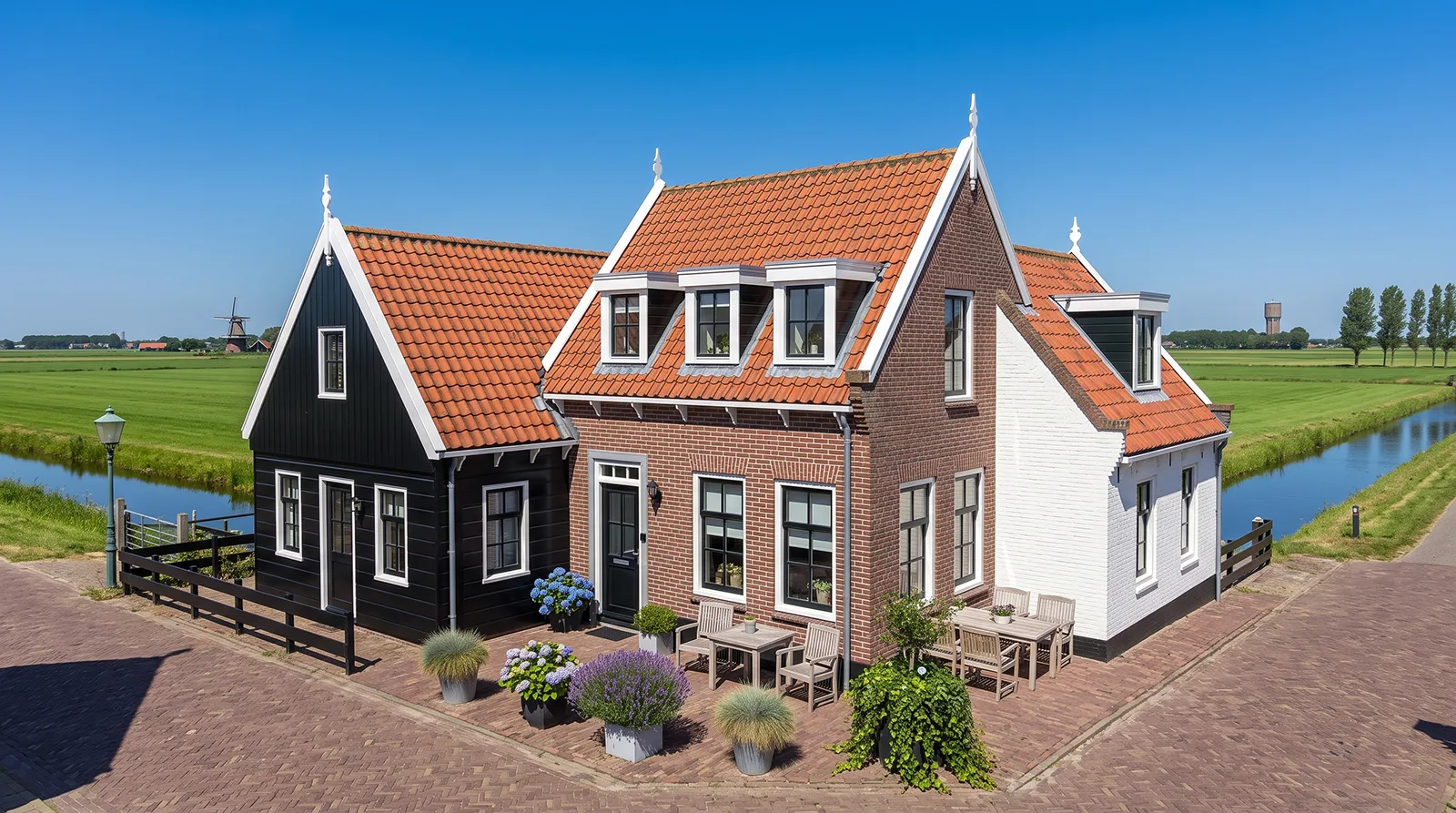
What matters most is having a contractor you trust. Someone who knows Dutch homes, understands local regulations, and can keep the project moving. At CBS Renovation, we work with homeowners across the Netherlands every day and are ready to help with your renovation project.
FAQ
Below we answer common questions about renovation timelines, project stages, delays, and planning. If you have any remaining questions, please feel free to contact us.
How long does a typical home renovation take?
The timeline depends on the size and complexity of the project. Small renovations may take a few weeks, while whole-home renovations can last several months.
What stage of a renovation usually takes the longest?
Planning, permit approvals, and waiting for custom materials often take longer than the actual construction work.
How long does it take to renovate a kitchen?
A standard kitchen renovation typically takes 6–10 weeks, although larger projects involving layout changes may require additional time.
How long does a bathroom renovation take?
Most bathroom renovations take between 3 and 6 weeks, depending on the scope of work and material availability.
What can delay a renovation project?
Common causes of delays include permit approvals, material shortages, design changes, unexpected structural issues, and contractor scheduling conflicts.
Can I live in my home during a renovation?
In many cases, yes. However, living in the home may be challenging during major renovations involving kitchens, bathrooms, or extensive structural work.
How can I keep my renovation project on schedule?
Finalize your design before construction begins, order materials early, communicate regularly with your contractor, and avoid making changes once work is underway.
Should I expect unexpected delays during a renovation?
Yes. Most renovation projects encounter at least minor delays, so it’s a good idea to build extra time into your schedule and budget.
How long does a basement renovation take?
A basic basement finishing project may take 6–10 weeks, while a full basement remodel can take several months depending on the complexity.
Do permits affect the renovation timeline?
Yes. Permit approval times vary by location and can add several weeks to the overall renovation schedule.