Multigenerational Home Designs in the Netherlands
The New Dutch Blueprint: Why Three Generations Are Sharing One Roof
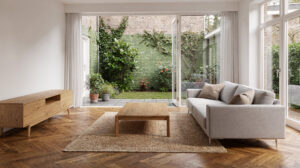
A multigenerational house has to work as several homes at once: a quiet corner where grandparents have their coffee, parents packing lunches upstairs, a ground floor that becomes a play area in the afternoon, one table in the evening, and separate quarters at night. In the Netherlands that is no longer unusual.
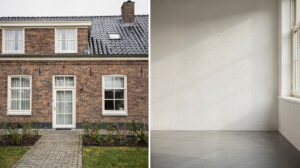
With property prices climbing and an aging population asking new questions about independence, Dutch families are reconsidering what a home can be. Instead of selling the family house and scattering across postcodes, more households are choosing a single house renovation Netherlands project that welcomes grandparents, parents, and children under one carefully redesigned roof. The trend is reshaping everything from municipal permit desks to the interior design trends 2025 that architects are sketching today.
But how do you turn a standard rijtjeshuis or jaren-dertig woning into a layout where privacy and togetherness coexist? The answer lies in smart architecture, strict regulatory compliance, and a thoughtful choice of sustainable building materials.
Zorgwoning, Bestemmingsplan and Other Dutch Terms
Before lifting a single floorboard, you need to speak the local language of renovation. Dutch housing culture carries specific terms that dictate what you can build, where you can build it, and how much it will cost. Misunderstanding even one of these concepts can stall your project for months or drain your budget on compliance corrections.
- Bouwvergunning: This is your building permit. Think of it as a formal handshake with your gemeente. If you alter a load-bearing wall, add a second kitchen, or expand the footprint of your house, you almost certainly need one. Under the Omgevingswet, this now often falls under the broader omgevingsvergunning, but locals still call it a bouwvergunning.
- Omgevingsvergunning: Introduced to simplify rules, this environmental and planning permit covers construction, demolition, and land use. It is the gatekeeper for any substantial house extension Amsterdam residents might plan in tightly regulated neighborhoods where space is measured in centimetres, not metres.
- Aanbouw and uitbouw: An aanbouw is a side or rear extension; an uitbouw typically projects from the back. In Dutch cities where every square metre counts, these additions are the architectural equivalent of adding an extra pocket to a coat that is already full.
- Zorgwoning: Literally a “care dwelling,” this is a self-contained unit within a larger home. It usually features its own entrance, kitchenette, and accessible bathroom, allowing elderly relatives to retain independence while remaining within shouting distance if help is needed.
- Energielabel: Every Dutch home carries an energy performance certificate ranging from G to A++++. A renovation offers the chance to leap from a D or E rating toward an A or B, which reduces monthly bills and satisfies increasingly strict municipal standards for new additions.
- Bestemmingsplan: This zoning plan is the invisible rulebook written across your neighbourhood. It determines whether you can add a second residence to your plot, how high your roof can rise, and where your garden wall must sit. Ignoring it is like playing chess without checking the rules; you will forfeit your queen.
- Monument and beschermd stadsgezicht: If your property enjoys protected status, your renovation options shrink considerably. Alterations here require extra approvals from heritage committees, much like performing surgery on a museum piece rather than a modern patient.
- WOZ-waarde: The official property valuation set by your municipality. Major renovations can raise this figure, which affects property taxes but also reflects the value added by careful design.
From Nuclear to Network: Why Dutch Families Are Merging Households
The Netherlands faces a puzzle shared by many wealthy nations: people are living longer, childcare costs are rising, and urban housing supply cannot keep pace with demand. Rather than viewing these as separate crises, clever families are treating them as pieces of one solution. Multigenerational living pools financial resources, shares caregiving duties, and preserves the social fabric that apartment towers often erode.
Think of the traditional Dutch family home as a single-lane road. For decades, traffic flowed in one direction: parents raised children, who eventually drove off to their own mortgages. Today, that road has become a roundabout. Adults in their thirties and forties return with young families, while retirees circle back from distant suburbs to be near grandchildren. The house must now handle traffic from three directions without a collision.
This social engine is fueling a surge in house renovation Netherlands-wide. Homeowners are converting garages into studio flats, digging out cellars for extra living space, and reconfiguring upstairs corridors into miniature apartments. The emotional logic is simple: familiar faces beat unfamiliar neighbours, and shared rent beats nursing home fees. The architectural logic, however, demands far more nuance.
House Extensions and Structural Change: Building Space Without Breaking Ties
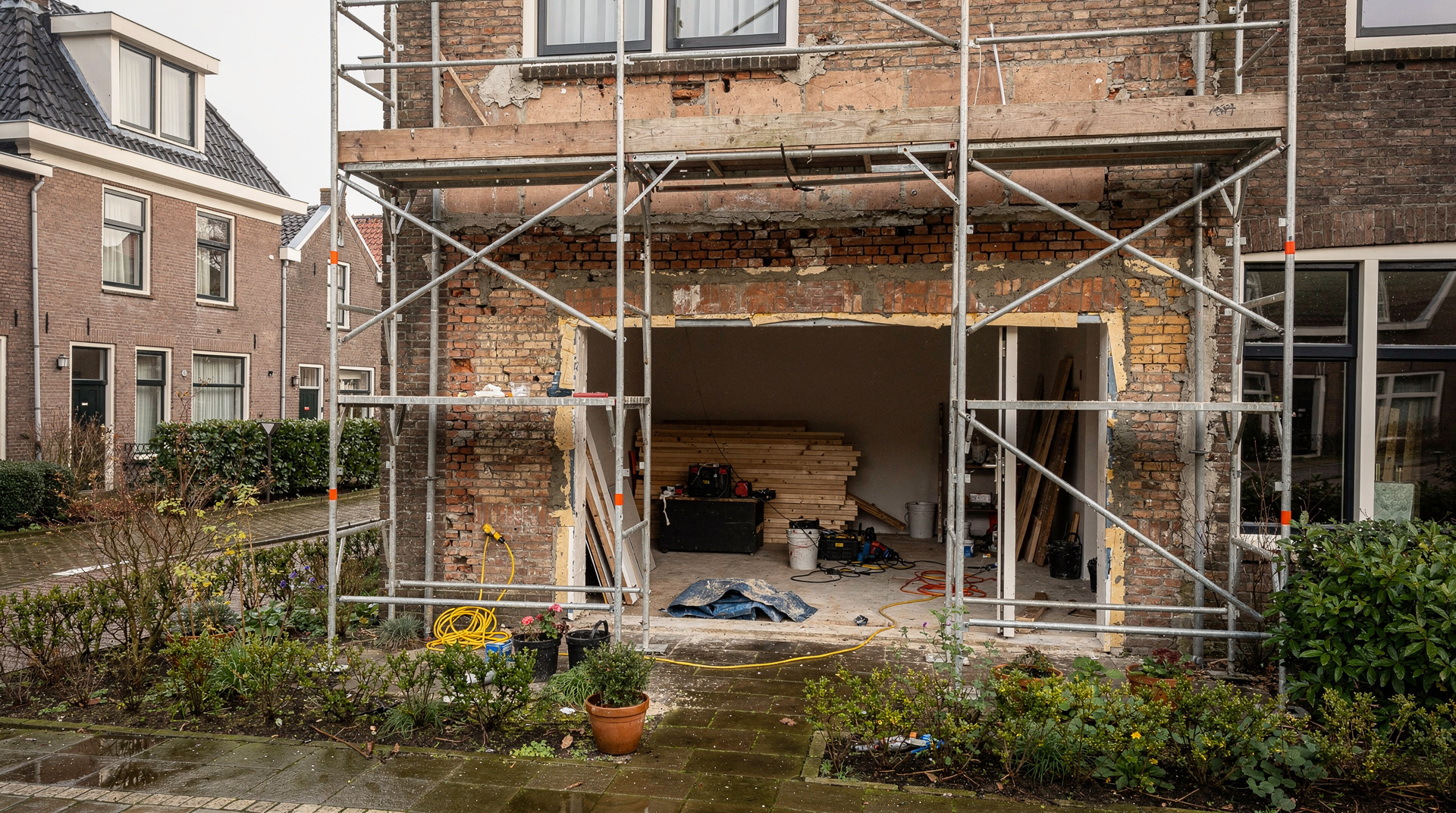
When the existing floor plan runs out of breath, the only option is to grow. In dense cities, a house extension Amsterdam homeowners commission might push backward into the garden, upward into the attic, or sideways into the narrow gap between neighbouring properties. Each approach carries unique engineering puzzles that only professionals should attempt to solve.
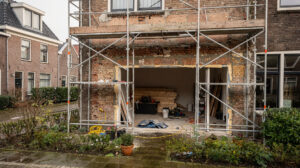
Rear extensions, common in terraced housing, require careful foundation work. The Dutch soil–often a soft sandwich of clay, peat, and sand–demands precise pilings and moisture barriers. This is not a weekend project with a borrowed hammer. You need a structural engineer and a licensed contractor who understands how Dutch groundwater behaves, especially after heavy rains when the water table presses upward like a slow-motion tide against your new concrete slab.
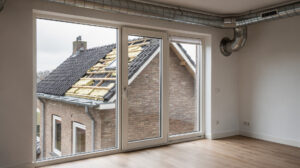
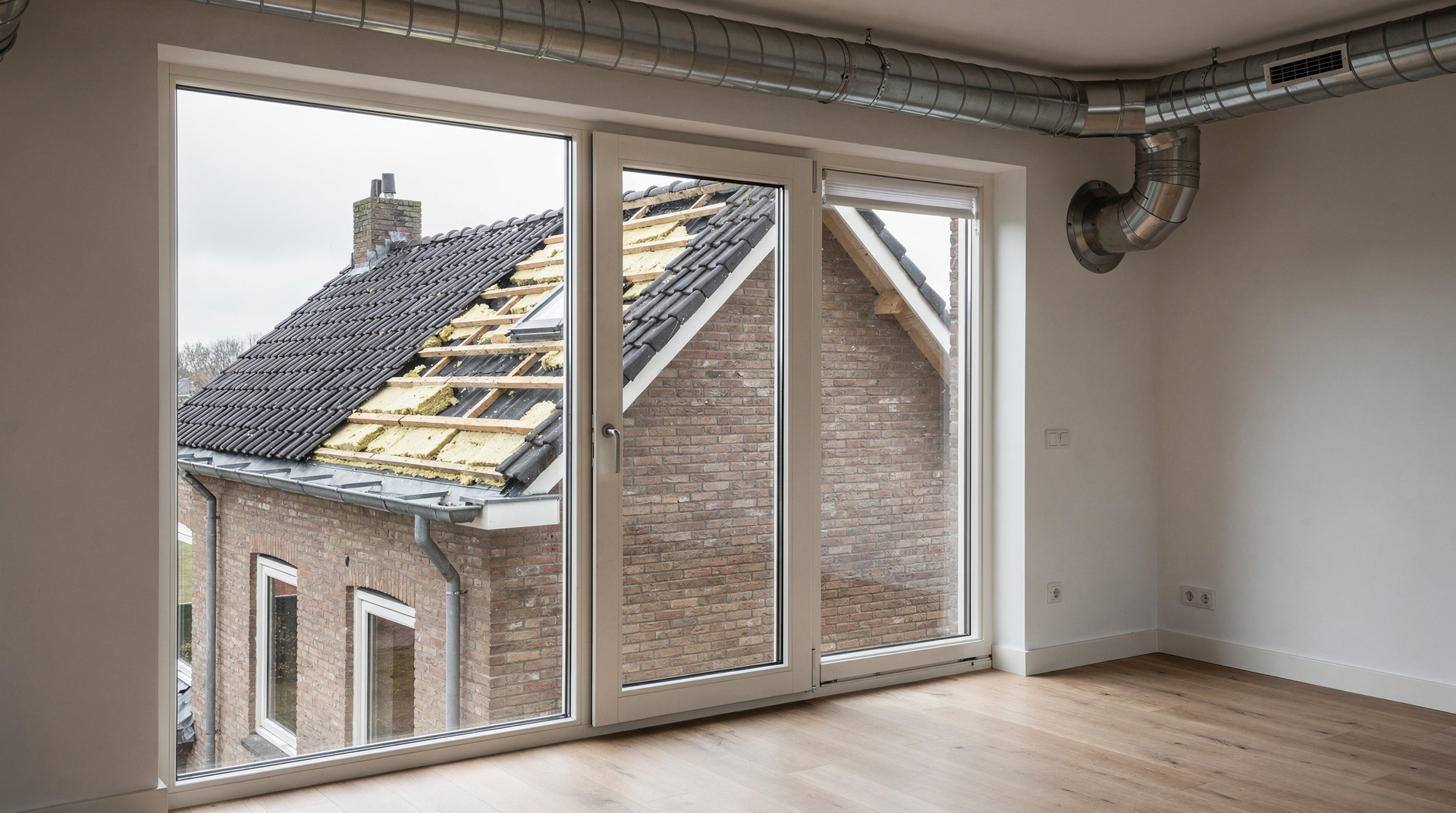
Vertical expansion, such as converting a loft or adding a floor, changes how the building behaves in wind and distributes weight. The structural integrity must be recalculated by professionals who can assess beam spans, staircase fire regulations, and whether the existing foundation can shoulder the extra load.
Even internal reconfiguration demands expertise. Removing a wall between two bedrooms to create a granny flat sounds straightforward until you discover it is holding up the ceiling joists. A complete house renovation Netherlands specialists often recommend includes structural surveys that map every load-bearing element before a single sledgehammer swings.
A well-planned renovation also considers independent infrastructure. Can the zorgwoning have its own meter box and fuse board? Is the broadband infrastructure strong enough to handle separate streaming, video medical consultations, and smart home systems? These backend systems determine whether the household functions as a cooperative alliance or merely tolerates one another.
Reading the Rules: Bouwvergunning and Professional Guidance
Here is where ambition meets bureaucracy. The Netherlands maintains strict building regulations for good reason: much of the country sits below sea level, and its urban areas pack people tightly together. A bouwvergunning is not a formality; it is a safeguard against structural collapse, groundwater flooding, and fire tragedy.
Under the Omgevingswet, municipalities now handle permits through a digital-environmental desk, but the core requirements remain unchanged. Your plans must show compliance with the bestemmingsplan, structural safety, energy efficiency targets, and accessibility standards. Submitting hand-drawn sketches or optimistic napkin calculations can delay your project by months.
Think of the permit process as a storyline with plot twists. Will the local welstandscommissie approve your facade changes? Does your extension cast an illegal shadow over a neighbour’s legally protected sunlight hours? Could your foundation work disturb the municipal drainage system or trigger groundwater issues for adjacent cellars? Only an architect or permit advisor who knows your specific gemeente can predict these twists accurately.
This is why attempting structural work yourself is not merely risky; it is legally and structurally ill-advised. A multigenerational renovation alters egress routes, fire separation, and sometimes sewage capacity. It may require upgrading the power supply or installing additional water meters. Cut corners here and you are not saving money; you are buying a lawsuit wrapped in concrete and timber.
Professionals also carry insurance that protects you if subsidence cracks appear six months later or if a roof beam bows under snow load. That safety net disappears the moment you hire informal labour or attempt to act as your own project manager.
Sustainable Building Materials and the Architecture of Privacy
When multiple generations share air and walls, material choices become health choices. Sustainable building materials have moved beyond political preference into practical necessity. Low-VOC paints, natural insulation like hemp or wood fibre, and certified timber reduce the chemical load for vulnerable grandparents and developing children.
Acoustic privacy is equally critical. If your teenager’s midnight gaming session travels through paper-thin walls into your mother’s bedroom, the family truce will collapse fast. Modern solutions include dense rock wool between partition walls, acoustic plasterboard layered in staggered sheets, and floating floors that decouple footsteps from the structure below. Think of it as installing a pair of noise-cancelling headphones inside your walls.
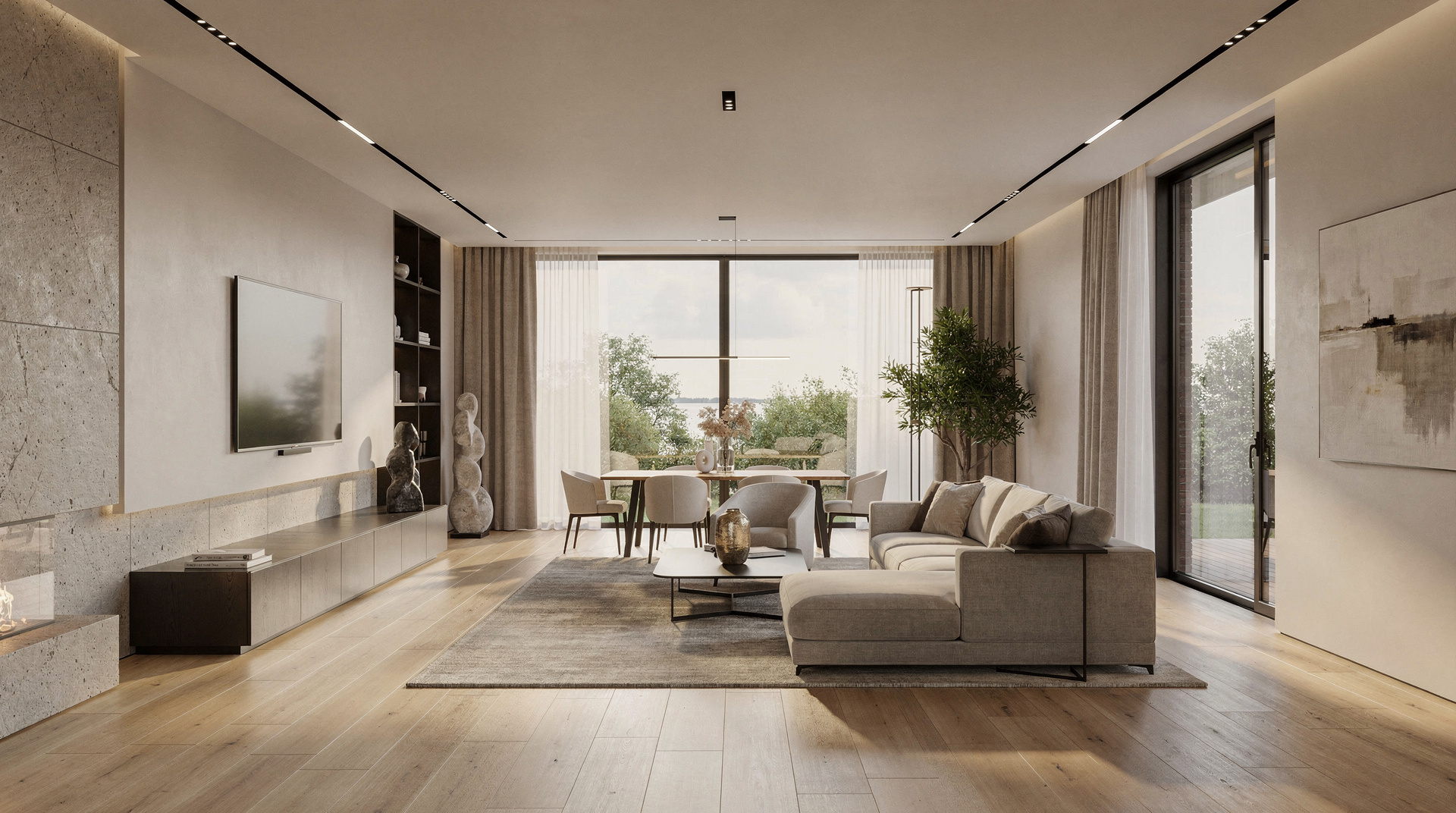
The modern interior design Netherlands scene also uses biophilic elements–living walls, natural light optimisation, and mechanical ventilation systems that mimic outdoor airflow. For a multigenerational household, this is not aesthetic fluff. Elderly residents benefit from improved air quality; children benefit from daylight exposure; and everyone benefits from the psychological calm that greenery and natural textures provide.
Interior design trends 2025 point toward what architects call “invisible accessibility.” Grab bars masquerade as sleek towel rails. Ramps hide beneath gentle floor transitions that look like deliberate design features rather than clinical afterthoughts. Kitchen counters adjust in height or include varied levels so a cook in a wheelchair can prepare dinner beside a standing grandchild. A home that accommodates limited mobility today can look effortlessly stylish tomorrow, provided the design is handled by professionals early in the process.
Heat distribution also matters. Grandparents often prefer warmer rooms than teenagers. Zoned underfloor heating, paired with individual thermostat controls, allows each generation to inhabit their own climate bubble without fighting over the central dial. Triple-glazed windows keep heat inside during North Sea gales while blocking the rumble of bicycles and trams from nearby streets.
Architect, Permits, Surveys and Separate Utility Meters
Moving from dream to blueprint requires discipline. Follow these clear actions to keep your renovation grounded in reality:
- Engage a licensed architect before you browse tile samples. Structural changes and multigenerational zoning demand professional drawings that satisfy both aesthetics and engineering codes.
- Consult your gemeente immediately to determine whether your project requires a bouwvergunning or a broader omgevingsvergunning. Do not assume that interior work is automatically exempt; adding a second kitchen often triggers residential zoning rules.
- Hire a structural engineer to assess foundation capacity if you are adding a house extension Amsterdam authorities will later inspect. Soft soil does not forgive optimistic amateurs.
- Commission an asbestos and soil survey if your home predates 1990. Disturbing hidden hazards during demolition puts every generation under your roof at risk.
- Design separate utility meters for independent units. Grandparents and adult children should manage their own energy bills without monthly negotiations or family tension.
- Specify sustainable building materials from the start. Request low-emission finishes, certified timber, and high-performance insulation that improves your energielabel while protecting indoor air quality.
- Install professional-grade acoustic insulation between sleeping areas and between the main house and any zorgwoning. Peace at 2:00 AM is worth more than any luxury kitchen faucet.
- Plan for zero-threshold doorways, wider corridors, and walk-in showers even if no one currently needs them. A multigenerational timeline spans decades, not seasons.
- Commission a fire safety report from a certified advisor. Multiple kitchens, extra bedrooms, and separate exits change how a building burns and how occupants escape.
- Budget for professional project management. Coordinating plumbers, electricians, masons, and inspectors across three generations of needs is a full-time job that demands experience and legal accountability.
- Review tax implications and municipal subsidies with a financial advisor. Some regions offer incentives for energy-efficient renovations or care-unit construction that offsets costs.
- Meet with your neighbours early. A house extension or second entrance affects sightlines, noise, and parking. Diplomacy now prevents objections later.
Building Homes That Age Gracefully
The Dutch home is undergoing a quiet revolution. Gone are the rigid nuclear-family floor plans of the twentieth century. In their place rises a more fluid architecture–one that respects both independence and intimacy. Multigenerational design is not a regression into cramped wartime housing; it is an evolution into resilient, economically sensible, and emotionally rich living.
A successful house renovation Netherlands project of this scale asks you to think like a city planner inside your own walls. You must balance regulation with comfort, privacy with connection, and tradition with the bold demands of modern interior design Netherlands. Choose your team wisely, respect the permit process, and invest in sustainable building materials that will outlast current fashions.
The interior design trends 2025 make one thing clear: the most advanced homes are no longer defined by square footage alone. They are defined by how intelligently that space adapts to the people within it. So as you stand at the threshold of your own renovation, ask not merely how big your home can become, but how well it can hold the generations you love through every season of life.