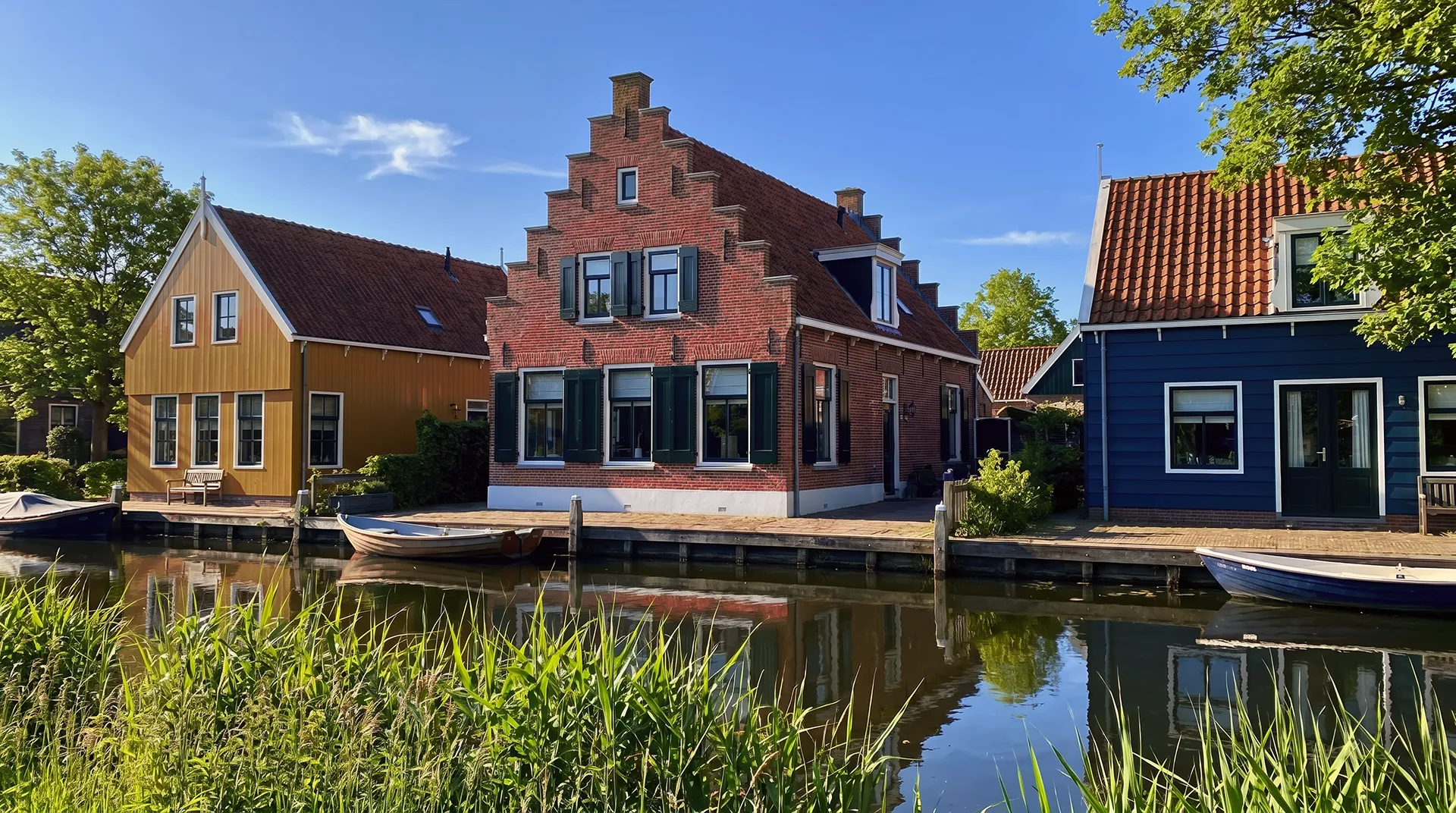
What to Consider When Choosing a Facade Color?
The facade is the calling card of your house. By painting it, you can easily change the appearance of the building, add style, or refresh the exterior. Below, you will learn how to choose facade color that will best suit your home in each case.
What Facade Color to Choose: Key Factors
Modern paint catalogs offer a huge selection of colors for every taste. Your task is to pick the one that will emphasize the true character of your home. When choosing exterior house color, consider the following factors:
- Exterior wall material: Some surfaces require special paint properties.
- Style of the house: It should not violate the overall architecture.
- Garden layout: Trees, flowers, and bushes in the background play an important role.
- Street setting: The house should blend harmoniously into the surrounding buildings.
- Lighting: How much light the house receives is often decisive for painting.
Whatever choice you make, CBS Renovation will help bring your idea to life without stress and effort.
How Light Affects Facade Color
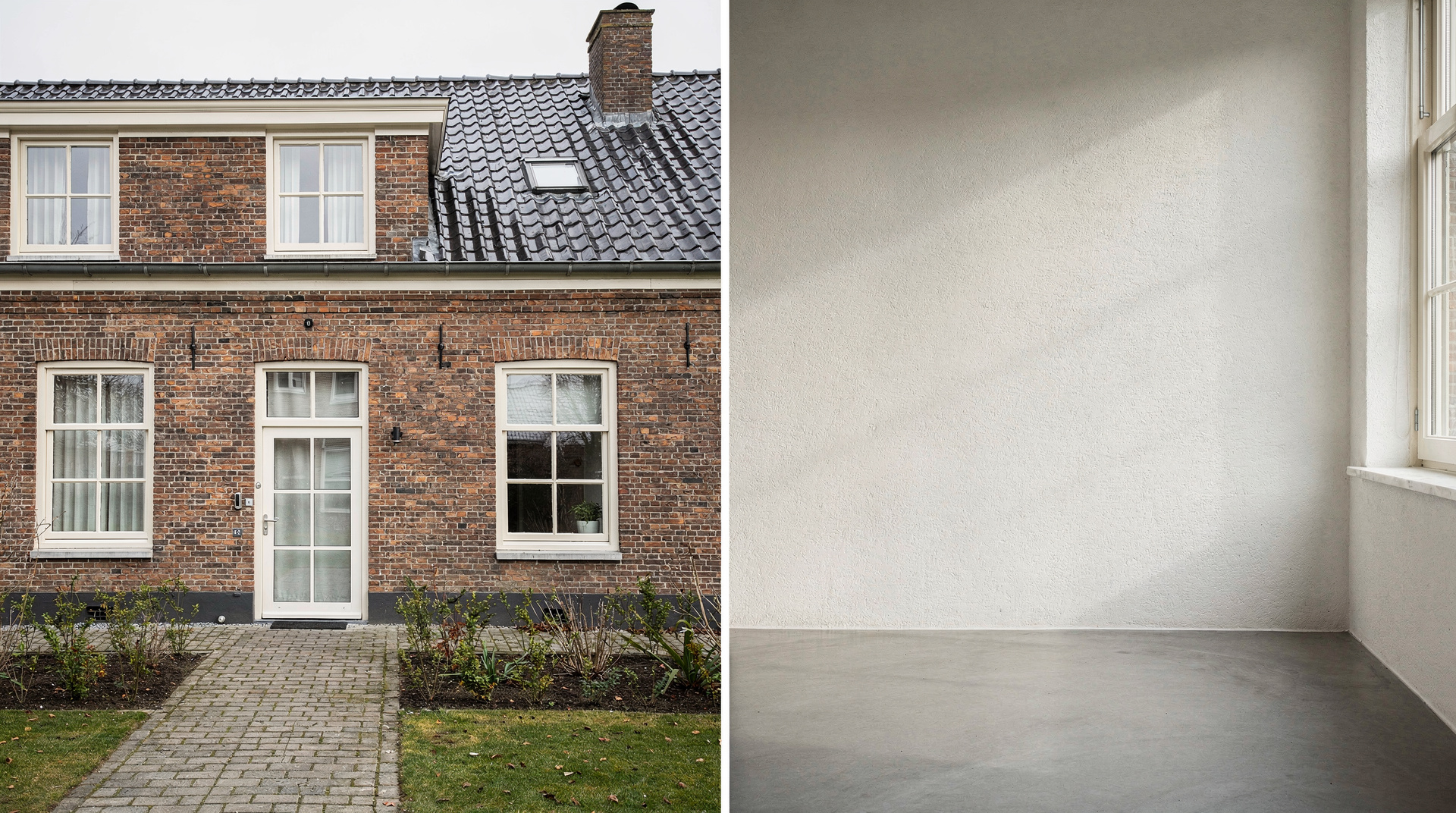
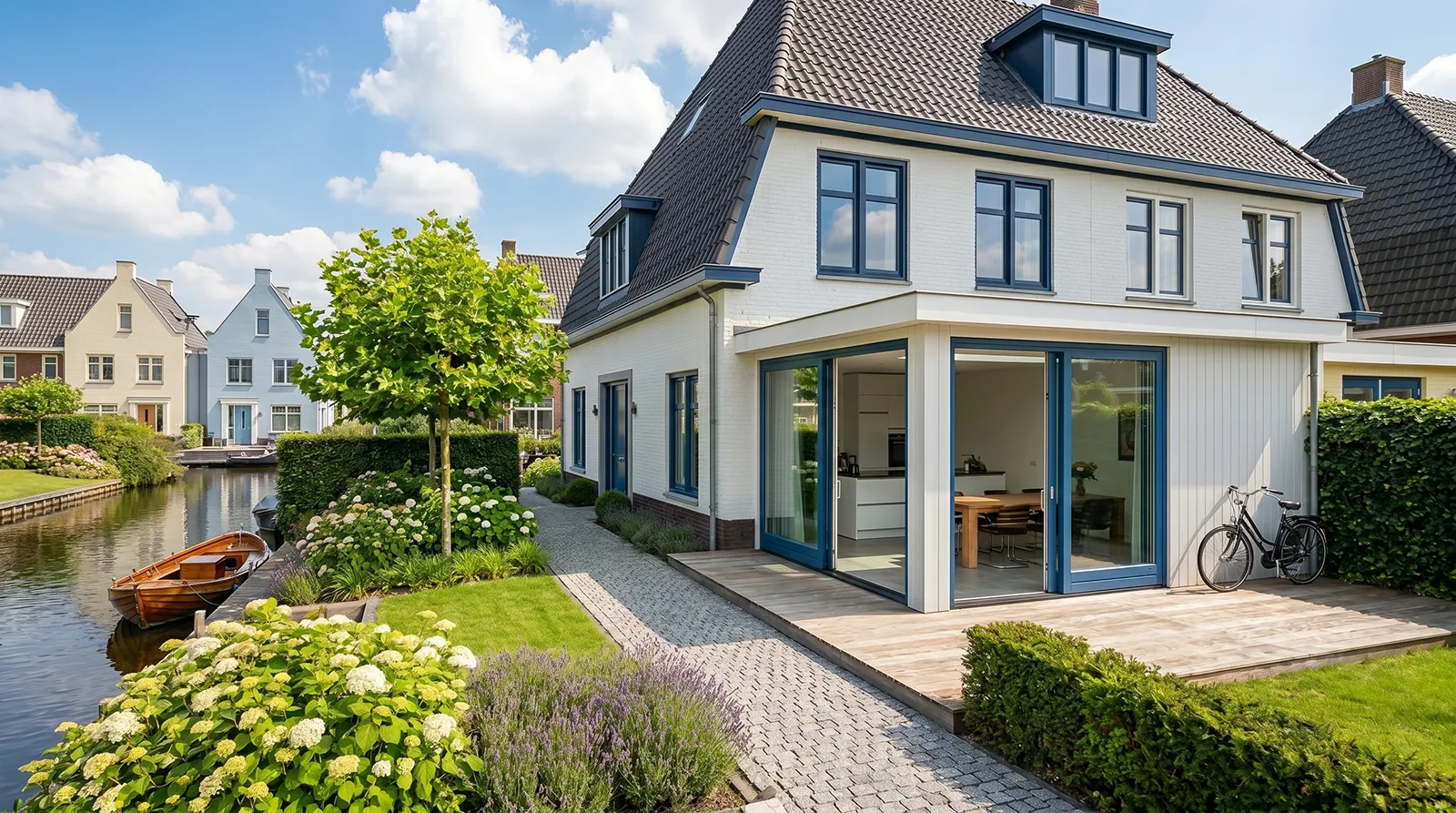
Houses painted in the same color look different on different sides of the street. The reason is that light visually changes the tone and appearance of the facade.
Colors outdoors always look lighter than they do indoors. If you prefer light shades, be prepared for them to appear blindingly white outside. The same goes for dark pigments. Blacks can appear gray, while reds can look more like purple.
To understand what the final look will be, you should look at the catalog under sunlight, taking into account which side of the horizon the house is located on.
Matching Facade Color with Roof
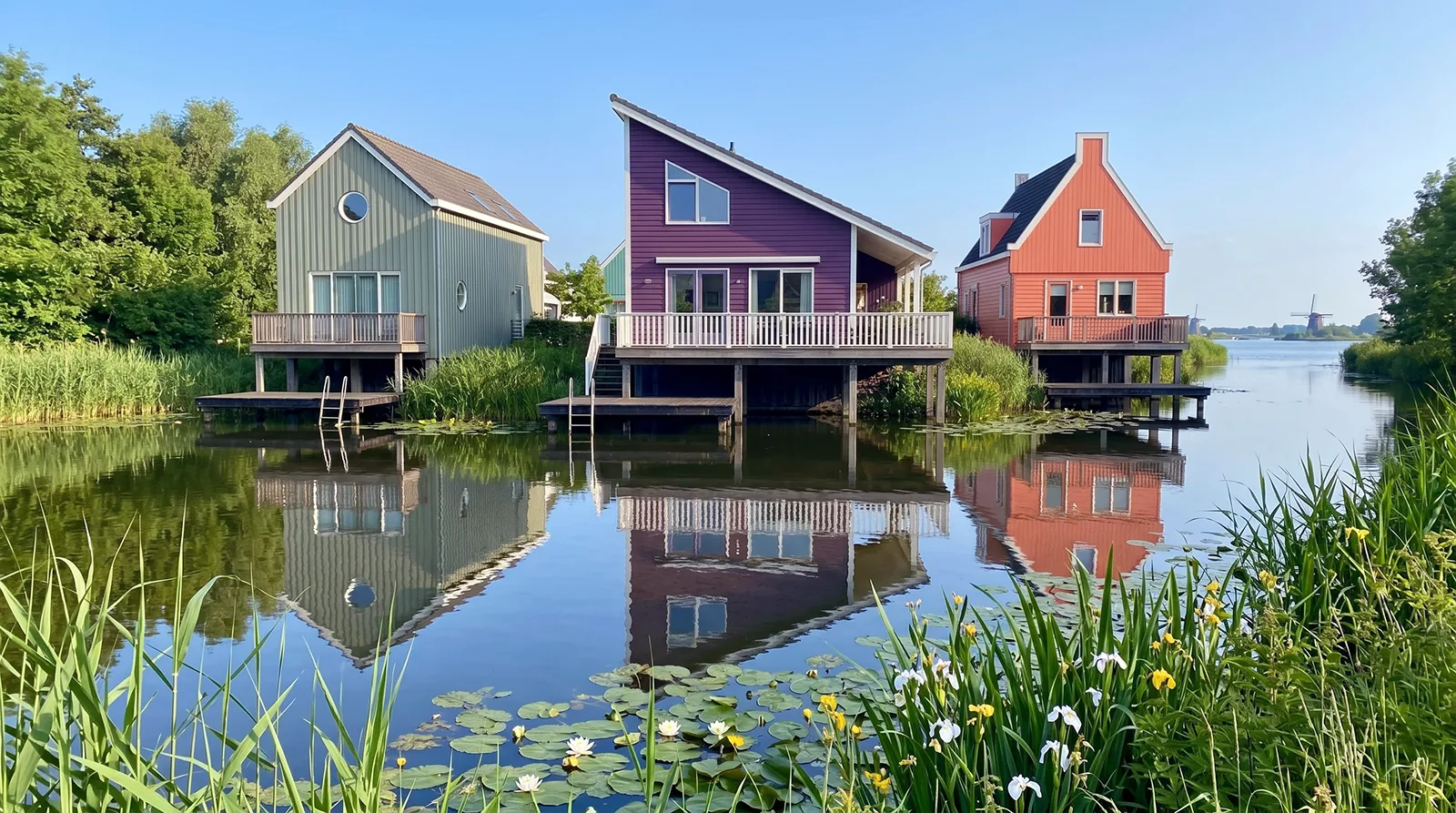
One of the easiest methods for choosing a paint scheme is matching facade color with roof. A harmoniously selected paint should complement the roof but not conflict with it.
In most cases, you will need to create a soft but noticeable contrast. For example, if the roof of your house is red, then calm sand or light gray shades will be suitable for the facade.
If the roof is black, you can give preference to white pigment. However, keep in mind that it should not have a blue undertone.
Best Color for House Facade in 2026
Today, neutral shades are at the peak of popularity. They include beige, cream, and gray tones. Bright colors are less common.
Although trends make sense, the choice is yours. Which pigment to choose and how to apply it depends entirely on your preferences. You can choose the right paint yourself or contact a contractor with extensive experience in homes renovation.
The advantages of engaging a professional company are obvious. You get a quick and accurate result with less time and fewer expenses.
Light vs Dark Facade Colors
Understanding how light affects facade color makes it easier to take the final step. However, here’s still something for you to consider.
Light colors are not only popular but also durable. They fade less in the sun, visually enlarge the house, and create a feeling of comfort.
Are there any disadvantages? Sure. Light facades greatly emphasize pollution and can look too simple if there are no gardens or accent elements.
Dark colors can fade over time. They visually make a house smaller and can seem gloomy or uninviting. At the same time, they hide dirt well and are ideal for minimalist buildings.
Facade Color Ideas
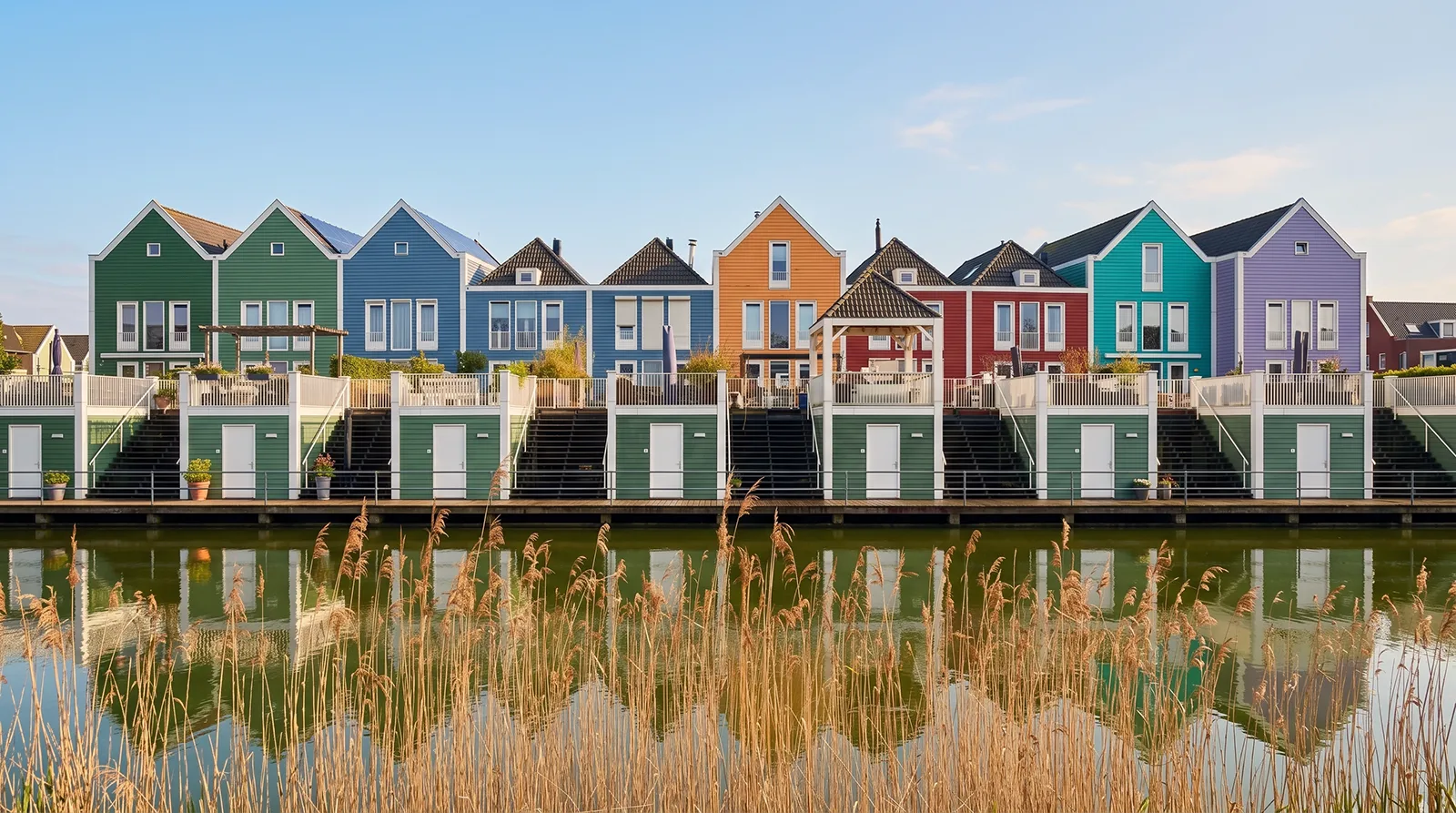
There is no single best color for house facade. There are successful combinations of several tones that make the exterior more attractive. They can be conditionally divided into modern and classic ones.
Modern Facade Color Ideas
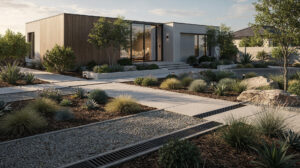
Most modern houses are minimalist in style with a minimum of details. They are compact, thoughtful, and unique. The most popular modern facade color ideas include:
- Anthracite.
- Black.
- White.
- Gray.
The roof is usually contrasting, with no other visually distinctive elements.
Classic Colors That Are Always in Fashion
Traditional classic houses often combine several tones. They are framed by a well-groomed garden with extensive vegetation. For such buildings, the best facade color ideas can be:
- Warm red.
- Dark blue.
- Ocher yellow.
- Neutral sandy.
The color of the roof rarely contrasts very much, complementing the main color. As for windows and doors, they can act as additional accents by being painted in bright white or, conversely, black.
Choosing Exterior House Color Based on Architecture
The architecture of the house directly affects the choice of pigment when painting. They should work together to create a single harmonious ensemble that reflects the chosen style.
Here is a brief look at what facade color to choose depending on the designer’s decision:
- Elegant: Contrasting colors, black and white or cream and dark blue.
- Country: Soft warm tones, green, sand, brown, etc.
- Minimalism: Minimum accents and adherence to one or two tones, black, gray, white.
- Classic: Warm terracotta or gray shades, light gray, sand, muted red.
The colors given are a guideline. You can change the combination to achieve an atypical combination.
Before You Buy the Paint: Shades, Durability, Weather
There are many factors to consider when choosing a tone for your building. Here are some extra tips on how to pick exterior paint color for your case:
- Limit yourself to 2-3 shades to make your house look more solid.
- Test the color in different lighting and weather conditions before you start painting.
- Consider the durability of the paint based on the material of your walls.
The correct choice of the type and color of paint will determine how long it will serve your home. Also, remember the basic recommendations for painting exteriors. Paint the walls in dry and calm weather under favorable temperature conditions.