Bespoke Kitchen Design: Show Your Culinary Style
In the Netherlands, a nation famous for precision engineering and water management, the domestic kitchen has become the most expressive room in the house. But what happens when your culinary ambitions outgrow four walls? A custom kitchen design in the Netherlands is rarely just about cabinets and countertops, whether that means knocking down a partition for an open-plan living area or building a rear extension to catch the low winter sun. It sits at the crossroads of architecture, climate science, and some of the most detailed building rules in Europe. So how do Dutch homeowners turn a standard cooking space into a personal statement without falling foul of regulations or the weather?
What Exactly Are You Signing Up For? Key Dutch Concepts Explained
Before a single tile is lifted, Dutch renovation throws up a vocabulary that can sound like a foreign language even to fluent English speakers. Think of these terms as the foundation stones of your project; without understanding them, the entire structure wobbles.
- Bouwvergunning: This is your official building permit. In the Netherlands, altering the load-bearing skeleton of a house, extending the footprint, or changing the exterior appearance usually requires approval from your gemeente, or municipality. It is not a formality; it is a legal green light, and skipping it is akin to driving without a licence.
- Aanbouw: Simply put, an extension. If your bespoke kitchen needs to spill out into the garden, you are talking about an aanbouw. In dense cities like Amsterdam, this is one of the most common ways to expand without relocating.
- Energieprestatiecoëfficiënt (EPC): Every home renovation must consider energy performance. The EPC measures how efficiently a building uses energy. Swap out old windows or install underfloor heating in your new kitchen, and you alter the building’s energy score.
- Monumentenstatus: Roughly one in seven Amsterdam buildings carries this protected status. If your property is listed, the inside of your kitchen might be yours to change, but the exterior envelope and structural bones are governed by heritage law.
- Gasvrij: The Netherlands is moving away from natural gas. A kitchen renovation is often the moment to disconnect the gas hob and switch to induction, aligning your home with national climate targets.
Why Is the Dutch Kitchen Becoming the Heart of the Home?
For decades, the typical Dutch kitchen was a narrow, separate room tucked at the back of the house, designed for efficiency rather than entertainment. But the interior design trends 2025 reveal a dramatic shift. The kitchen is no longer a factory for meals; it is the social control tower of the home.
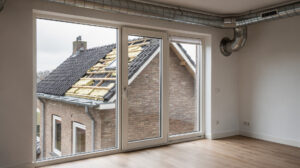
Open-plan living has dissolved the walls between cooking, dining, and relaxing. In a country where space is measured by the square metre and family life moves at speed, removing barriers creates the illusion of breathing room. Yet open-plan design is not simply about demolition. It is structural surgery. Removing a wall might expose the house’s spine, revealing which beams hold up the roof and which ones are merely decorative. This is where a house renovation Netherlands project moves from interior decorating to civil engineering.
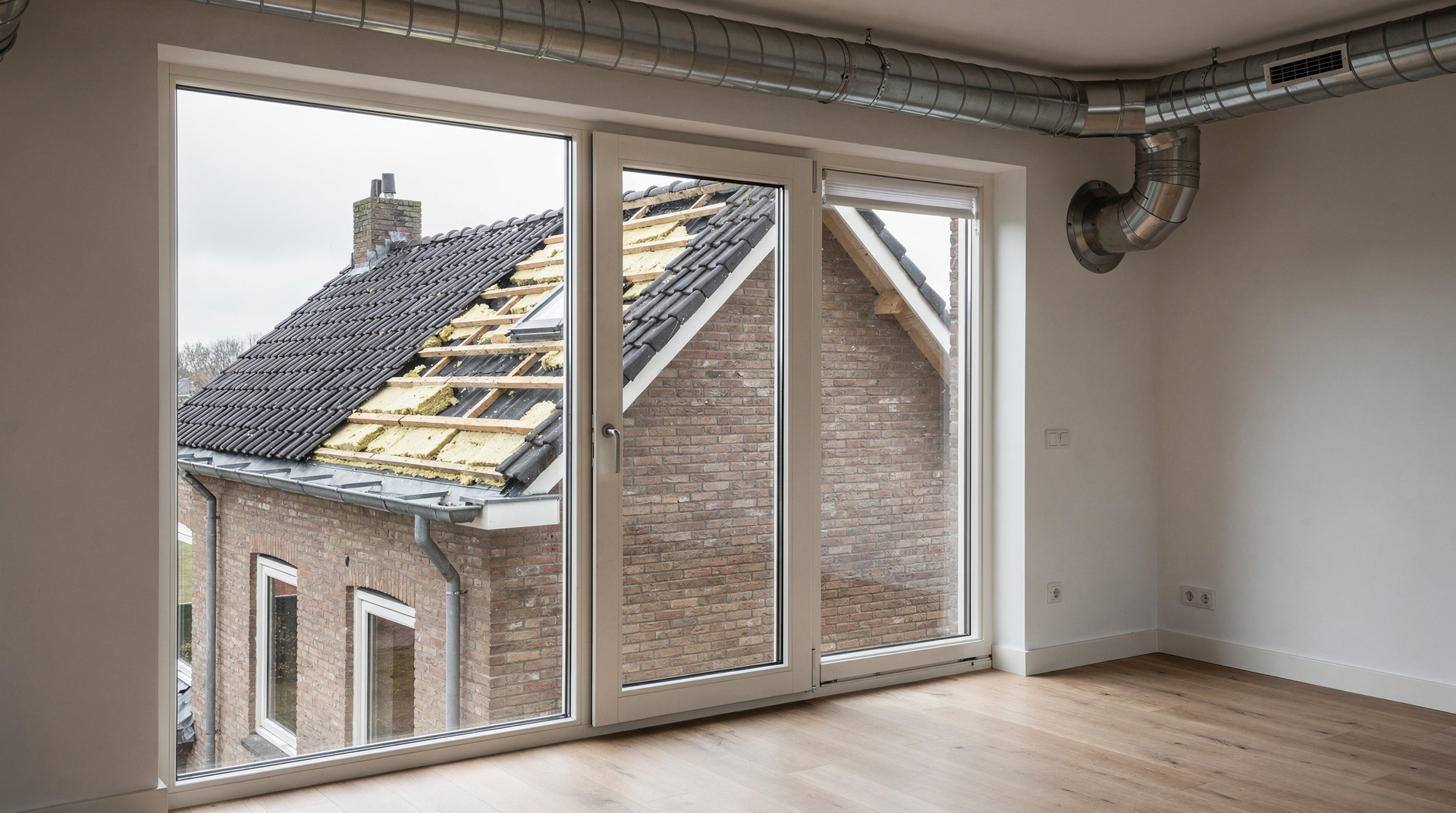
Another force reshaping Dutch kitchens is daylight. The Netherlands receives, on average, about 1,600 hours of sunshine per year. That might sound adequate until you realise that winter days can shrink to just eight hours of grey. Modern interior design Netherlands principles now chase natural light with almost obsessive focus. Rear extensions, roof lights, and glass garden walls are not extravagances; they are psychological necessities. After all, a kitchen bathed in daylight simply feels larger, even when the floorplan stays the same.
The Anatomy of a Complete House Renovation: Where the Kitchen Leads
If you are undertaking a complete house renovation, the kitchen is almost always the room that dictates the rhythm of the entire build. Why? Because it houses the three systems that make a home function: water, electricity, and increasingly, data. Mess up the kitchen’s plumbing, and you might as well be living on a houseboat with a leaky hull.
Think of a complete renovation as resetting the body’s circulatory system. The kitchen is the heart, pumping utilities to every other room. Moving a sink three metres to the left requires replumbing drainage with the correct fall angles. Installing a 12-kilowatt induction range means upgrading your electrical panel. Adding boiling-water taps and integrated appliances turns the kitchen into a power-hungry hub that a 1960s wiring system simply cannot feed.
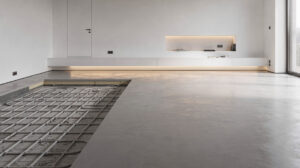
Then there is the floor. Dutch homes often sit on concrete or wooden joists that have settled over decades. A bespoke kitchen demands level surfaces. You cannot float elegant cabinetry on a floor that undulates like a North Sea swell. Professional surveyors use laser levels to map these imperfections before any installation begins. Attempting to eyeball this stage is like trying to perform surgery with a butter knife; the results will not hold, and the cabinets will protest every time a door swings open.
House Extension Amsterdam: Creating Space Without the Move
In a city where the average property price can make your eyes water, moving house is not always an option. The alternative? Build outward. A house extension Amsterdam style is less about grandeur and more about gaining precious square metres without sacrificing your entire garden.
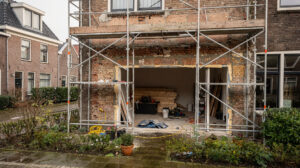
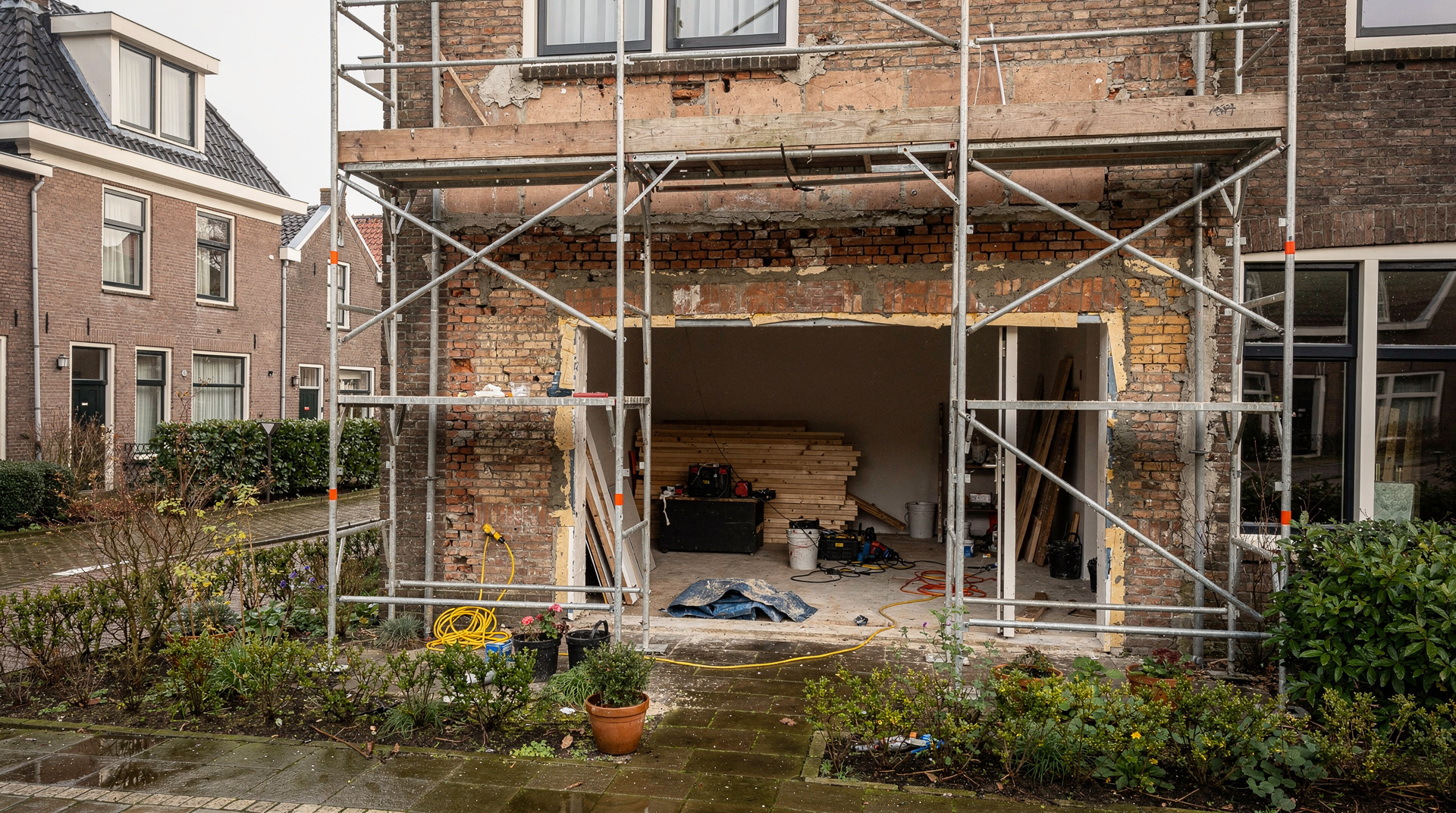
Extending to accommodate a kitchen involves more than pouring a concrete slab and fitting glass doors. Amsterdam sits on millions of wooden piles driven into clay and peat soil. Any new foundation must account for this unstable ground. The weight of your extension, especially if it supports stone worktops and solid cabinetry, has to be calculated by a structural engineer. Get this wrong, and your beautiful new kitchen could start sinking at one corner while the rest of the house stays put, like a table with one leg shorter than the others.
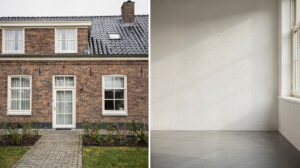
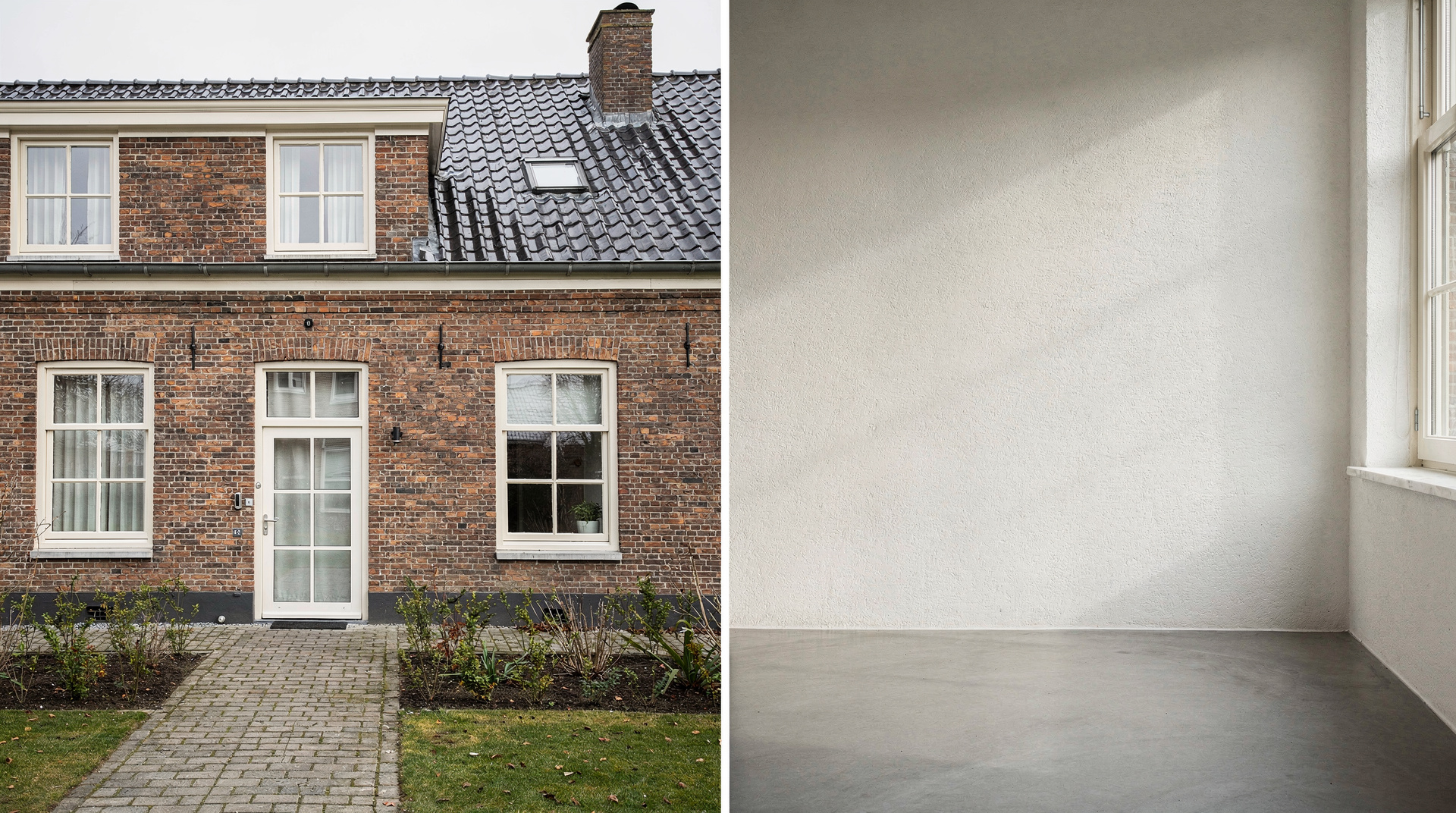
The permit process is equally specific. Amsterdam’s zoning plans, or bestemmingsplannen, dictate how far you can build, how high, and what materials you must use to match the street’s character. A bouwvergunning for an extension requires drawings, calculations, and often neighbour consultation. In some districts, the famous Amsterdam School brickwork or narrow gable profiles must be respected even on modern additions. Your architect is not just a designer here; they are your diplomat with the city council.
Sustainable Building Materials: The Science Behind the Surface
Here is a question most renovators forget to ask: what is your kitchen made of, and how will it behave in a Dutch winter? The climate here is maritime, meaning high humidity, rapid temperature swings, and salt-laden winds in coastal regions. A material that looks flawless in a Mediterranean showroom might warp like wet cardboard after its first Dutch January.
Sustainable building materials have moved from eco-niche to mainstream requirement. The Dutch government’s push toward circular construction means renovators are now choosing surfaces that can be recycled or originate from managed forests. But sustainability without durability is a false economy.
Consider the countertop. Natural stone is beautiful but porous; acidic foods and red wine can etch its surface. Engineered quartz offers resistance but requires careful handling during installation. Timber countertops bring warmth but act like sponges if not sealed correctly. In the Netherlands, where central heating drives indoor air to desert-like dryness in winter and outdoor humidity soaks walls in summer, materials must expand and contract without cracking. It is like choosing a hiking boot that must work equally well on a scorching trail and a frozen bog.
Cabinetry faces the same test. MDF might swell when steam from a pasta pot meets a poorly ventilated corner. Plywood, with its cross-grain construction, offers more stability. For flooring, large-format porcelain tiles resist moisture but feel cold underfoot unless paired with underfloor heating. That heating system, in turn, restricts the type of adhesive and subfloor you can use. Every choice ripples through the next, requiring your designer to think several moves ahead, like a chess player planning a forced checkmate.
Interior Design Trends 2025: What Dutch Kitchens Look Like Tomorrow
So what does a custom kitchen design Netherlands project actually look like in 2025? The trends point toward a fascinating tension between warmth and minimalism, function and theatre.
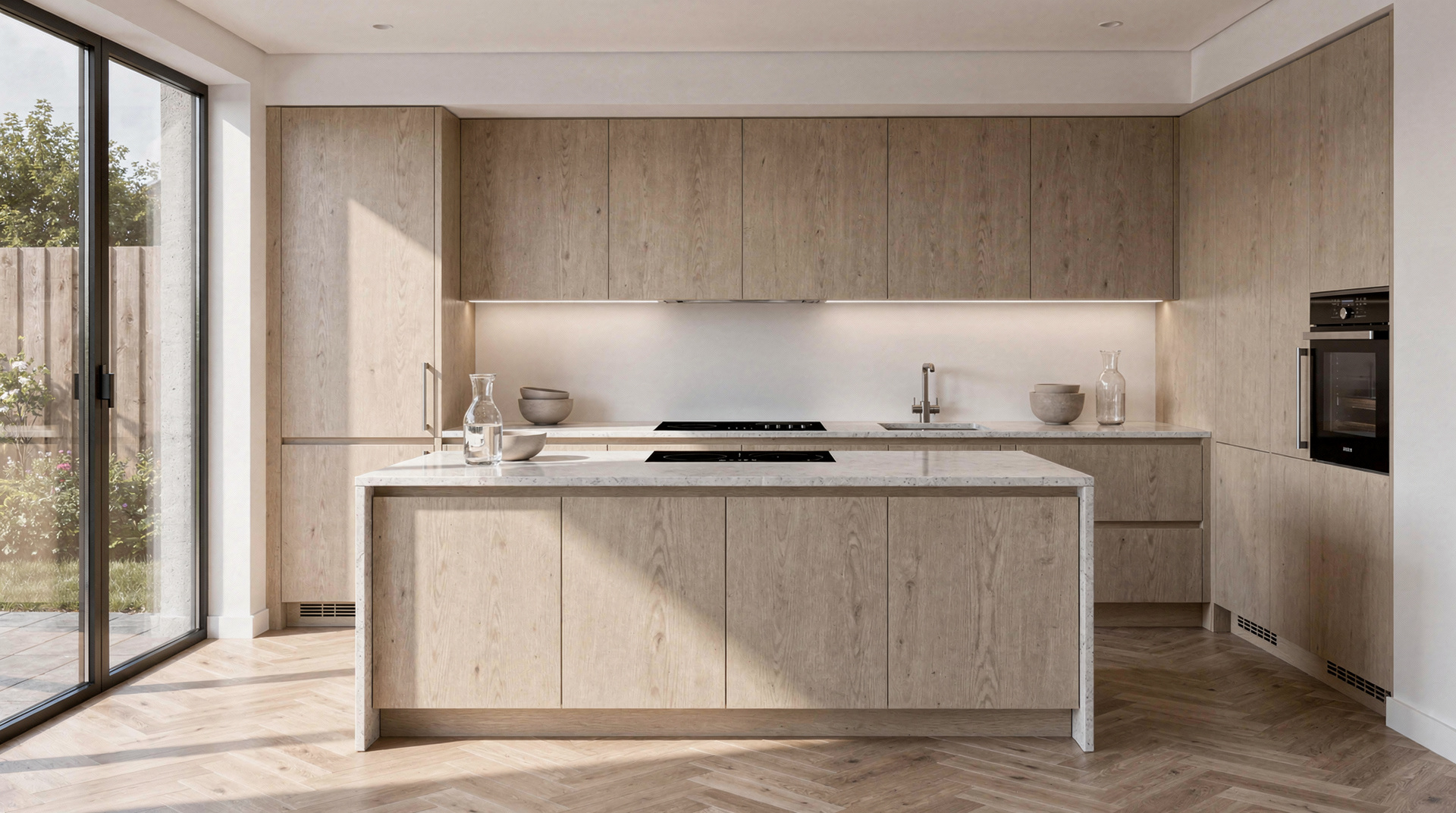
On one side, we see the continued dominance of clean lines, handle-less cabinetry, and neutral palettes. But these stark surfaces are being softened by organic textures: hand-glazed tiles, oak grain visible through matte oils, and stone with naturally imperfect veining. It is a reaction to years of clinical white kitchens that, while photogenic, showed every crumb and water stain.
Colour is also creeping back. Deep greens, terracotta, and inky blues are being used on kitchen islands and tall units. In a house extension Amsterdam homeowners love, these darker tones help anchor the new space, visually connecting the indoor kitchen to the outdoor garden. The effect is theatrical but functional; dirt becomes less visible, and the room feels cosier during long winters when sunlight is in short supply.
Technology, too, is being woven invisibly into the architecture. Induction hobs integrated into stone counters, extractor fans hidden in worktops, and app-controlled lighting that shifts from bright prep-mode white to candlelight amber at dinner. The kitchen is becoming a piece of hardware where the software is hidden from sight, making the cook the star of the show rather than the appliances.
Permits, Asbestos and Ventilation Before You Start
Ready to turn concept into construction? Follow these grounded, practical steps to keep your project on track and your sanity intact.
- Verify your bouwvergunning status before you design. Contact your municipality’s building department to confirm whether your kitchen extension or structural alteration requires a permit. Starting construction without one can result in heavy fines and court-ordered demolition.
- Hire a registered architect or building consultant for any structural changes. Dutch law requires professional oversight when you modify load-bearing walls or foundations. Do not attempt to estimate structural safety yourself.
- Commission an asbestos survey if your home was built before 1994. Many older Dutch kitchens hide asbestos in floor tiles, adhesives, or pipe insulation. Removal must be carried out by certified specialists who seal the area and dispose of waste at licensed facilities.
- Request an energy label assessment early. Upgrading to energy-efficient appliances, triple glazing, or insulation might qualify for national subsidies while helping you meet EPC targets.
- Plan your ventilation strategy before installing your hob. Dutch building codes demand adequate extraction for kitchens. An open-plan layout without proper airflow can lead to moisture damage, mould growth, and invalidate some home insurance policies.
- Allocate at least fifteen percent of your budget for unforeseen discoveries. Older Dutch homes often conceal outdated wiring, rotten wooden beams, or foundation shifts that only become visible after demolition begins.
- Choose sustainable building materials with proven performance in maritime climates. Ask your supplier about moisture resistance, thermal expansion rates, and maintenance schedules specific to the Netherlands.
- Coordinate your kitchen installer, plumber, and electrician as a single team. Misaligned trades cause costly delays. Ensure they share a single timeline drawn up by your main contractor.
- Insulate your extension to current standards immediately. A house extension Amsterdam project must meet strict thermal performance rules. Retrofitting insulation behind finished walls is expensive and disruptive.
- Photograph every stage of electrical and plumbing rough-in. These images become essential maps when you need to install shelving or detect leaks years later.
- Book a professional snagging inspection before final payment. Have an independent expert check hinge alignments, sealant lines, and appliance connections before you sign off the project.
Bringing It All Together
A bespoke kitchen is far more than a collection of appliances beneath a slick countertop. In the Netherlands, it is a structural, legal, and environmental puzzle where every piece must lock into place. From securing your bouwvergunning to selecting sustainable building materials that laugh off North Sea damp, the process demands the same precision the Dutch apply to their water defences.
The trends of 2025 show no sign of slowing: kitchens will keep expanding, walls will keep falling, and technology will keep dissolving into the background. But beneath the style, the fundamentals remain. Engage professionals early. Respect the building’s bones. And treat the kitchen not as a room to decorate, but as a system to engineer. Do that, and your culinary style will not just be shown; it will be built to last.